Yoga for Neck and Shoulder Tension: A Comprehensive Guide to Relieving Chronic Discomfort

Modern sedentary lifestyles have precipitated a global rise in musculoskeletal complaints, with neck and shoulder tension emerging as one of the most prevalent physical ailments in the 21st century. According to data from the World Health Organization (WHO) and various occupational health studies, musculoskeletal disorders are a leading cause of disability worldwide, frequently linked to prolonged static postures, repetitive strain, and the pervasive use of digital devices. As office-based work, long-distance driving, and "tech neck"—the repetitive forward-leaning posture adopted while viewing smartphones—become the norm, the physiological consequences have manifested as a significant public health challenge.
The Mechanics of Modern Tension
The human head, weighing approximately 10 to 12 pounds in a neutral position, exerts significant force on the cervical spine. When an individual adopts a forward-head posture, that effective weight increases exponentially. Research indicates that for every inch of forward head tilt, the strain on the muscles of the upper back and neck can double, leading to chronic myofascial trigger points, reduced joint mobility, and tension-type headaches.
This condition is often exacerbated by sympathetic nervous system arousal. Chronic stress triggers a fight-or-flight response, which physically manifests as the unconscious elevation of the trapezius muscles—the "shrugging" sensation many feel during high-pressure work hours. Over time, this chronic activation prevents muscles from returning to a state of rest, creating a cycle of stiffness and fatigue that can eventually lead to secondary complications, such as nerve impingement or reduced range of motion in the glenohumeral (shoulder) joints.
Historical Context and the Rise of Mindful Intervention
While the physical manifestations of neck pain are age-old, the rapid shift toward remote work and digital integration in the early 2020s accelerated the need for accessible, non-pharmacological interventions. Historically, physical therapy and chiropractic care have been the gold standards for managing these issues. However, in recent years, there has been a documented shift toward integrating yoga and mindful movement into daily professional routines.

By 2023, clinical interest in yoga as a therapeutic tool for chronic neck pain reached a tipping point. Peer-reviewed research, including studies published in the Journal of Orthopedic & Sports Physical Therapy, suggests that controlled, mindful stretching not only improves mechanical flexibility but also modulates the body’s pain perception through breath-centered focus, which stimulates the parasympathetic nervous system.
Therapeutic Strategies for Immediate Relief
Effective management of neck and shoulder tension requires a multifaceted approach that addresses both the structural alignment and the muscular tightness associated with repetitive stress. The following movements represent evidence-based approaches to neutralizing these effects:
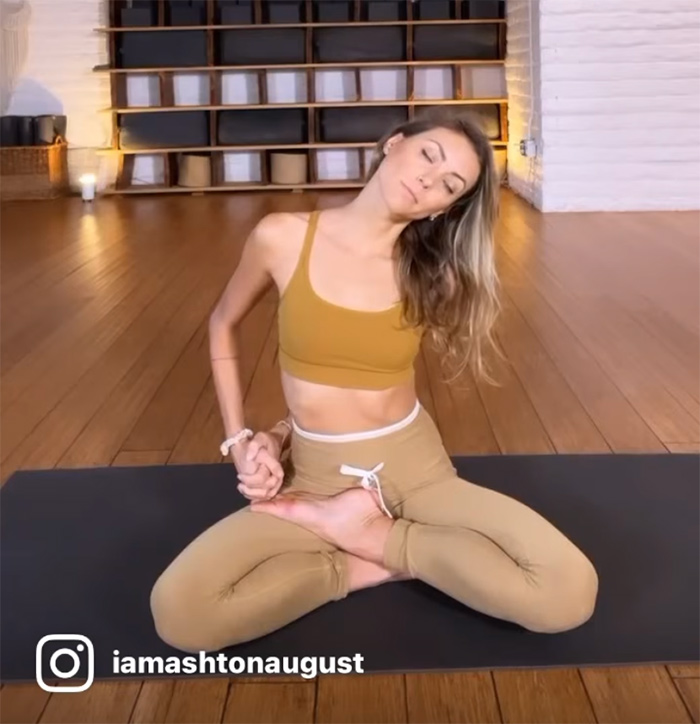
The Lateral Cervical Release
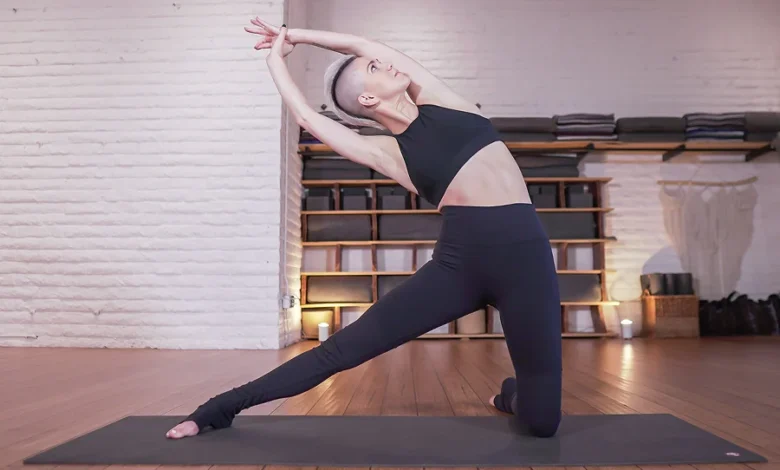
The lateral stretch is designed to alleviate the tension stored in the upper trapezius and levator scapulae muscles. By allowing the ear to move toward the shoulder while anchoring the opposite arm, the practitioner creates a diagonal line of tension that effectively releases the lateral fascial chain. This movement is particularly critical for those who spend hours performing unilateral tasks, such as mouse navigation or holding a phone to the ear.
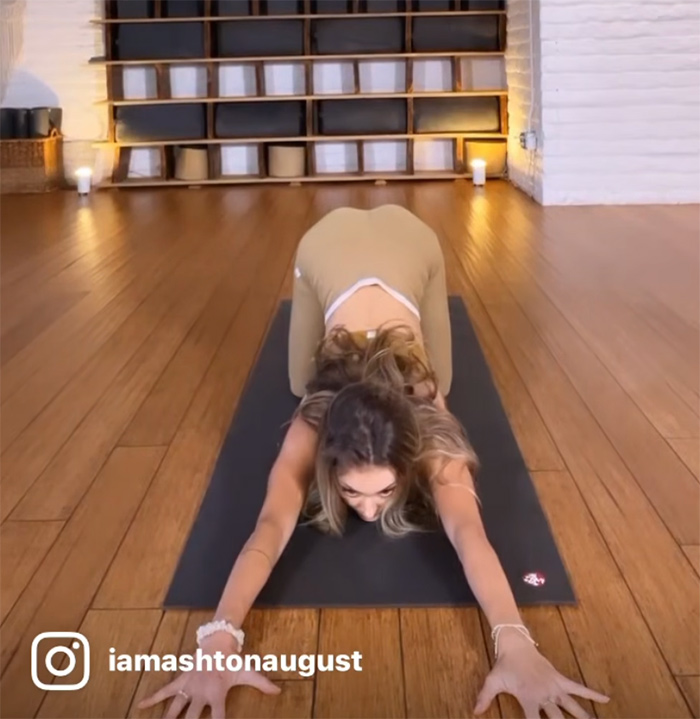
The Thoracic Extension (Puppy Pose Variation)
The transition to a "Puppy Pose" with a controlled chin tuck addresses the mid-back (thoracic) stiffness that frequently accompanies rounded-shoulder posture. By extending the arms while keeping the hips elevated, the individual creates a decompression effect on the spine. Tucking the chin serves to stretch the suboccipital muscles at the base of the skull, which are often tight in individuals suffering from tension-related headaches.
Rotational Mobility: Seal Pose and Shoulder Dips
The integration of rotation is essential for the thoracic spine, which often becomes "locked" due to static sitting. By utilizing the Seal Pose—an extended-arm prone backbend—and introducing shoulder dips, the practitioner encourages movement in the shoulder blades (scapulae). This promotes circulation to the soft tissues surrounding the rotator cuff and helps break the cycle of adhesion that forms between the shoulder blades after hours of typing.
Data-Driven Implications for Workforce Wellness
The impact of these physical interventions extends beyond individual comfort. Corporate wellness programs that incorporate short, daily movement breaks have reported significant improvements in employee productivity and reduced absenteeism. Analysis of workplace ergonomics suggests that even five minutes of dedicated movement for every 90 minutes of seated work can mitigate up to 40% of the musculoskeletal stress typically accumulated during an eight-hour shift.
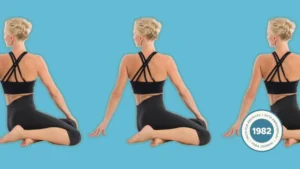
Experts in occupational ergonomics emphasize that the goal is not merely to "stretch" but to retrain the body’s habitual posture. The use of "Thread the Needle" poses, for instance, serves as a dual-purpose movement: it stretches the posterior shoulder capsule while simultaneously encouraging a gentle spinal twist, which aids in the release of the erector spinae muscles that run along the length of the back.
Clinical Perspectives and Safety Protocols
While yoga and stretching are highly effective, they are not universally appropriate for every physical condition. Medical professionals caution that individuals experiencing radiating pain, numbness in the extremities, or symptoms of disc herniation should approach these movements with extreme caution.
"The fundamental principle of therapeutic movement is the absence of sharp, shooting pain," notes a representative for an orthopedic health group. "Stretching should target muscle tissue, not nerves or joints. If an individual experiences nerve-related symptoms, these movements must be cleared by a licensed physical therapist or physician to ensure there is no underlying pathology, such as a bulging disc or cervical radiculopathy."
The Importance of Long-Term Consistency
The transition from acute relief to long-term health relies on the principle of frequency over intensity. Attempting to "fix" a week’s worth of tension in a single, hour-long session often leads to overstretching and muscle soreness. Instead, a consistent, low-intensity approach—practicing five to ten minutes of mindful movement daily—allows the neuromuscular system to recalibrate.
This consistency fosters "postural awareness," a state where an individual becomes cognizant of their physical state before tension becomes chronic. By recognizing the moment the shoulders begin to rise toward the ears or the head begins to drift forward, the individual can intervene with a few intentional breaths and a shoulder roll, effectively resetting the system.
Conclusion: A Sustainable Path Forward
Neck and shoulder tension, while ubiquitous, is largely manageable through deliberate, daily effort. By understanding the mechanical origins of the pain—namely the impact of gravity and static posture on the cervical and thoracic regions—individuals can take proactive steps to maintain their mobility.
As digital dependency continues to grow, the necessity of integrating physical literacy into our professional and personal lives has never been more apparent. Through the combination of yoga-based stretching, regular movement breaks, and an awareness of body mechanics, it is possible to counteract the structural strains of modern life. While these techniques offer a robust foundation for relief, they remain a component of a larger wellness strategy that includes proper ergonomic workstation design, hydration, and regular professional evaluation for those whose symptoms persist. Ultimately, the integration of these practices provides a sustainable pathway to achieving physical longevity and comfort in an increasingly sedentary world.