The Comprehensive 2026 Guide to Selecting the Optimal Positive Airway Pressure CPAP Mask Interface

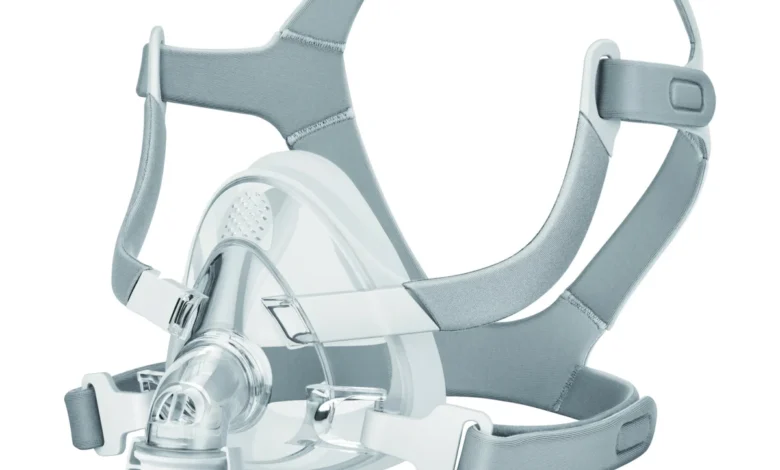
Positive airway pressure (PAP), commonly referred to by the public as CPAP—a term that technically describes only the "continuous" subset of devices—remains the clinical gold standard for the management of obstructive sleep apnea (OSA). By delivering a steady stream of pressurized air through the nose or mouth, these devices function as a pneumatic splint, preventing the upper airway from collapsing during the sleep cycle. As the prevalence of sleep-disordered breathing continues to rise globally, the medical device industry has placed an increased emphasis on interface technology, moving away from bulky, uncomfortable designs toward more ergonomic, patient-centric solutions.
The evolution of PAP therapy has been characterized by a shift in focus from mere efficacy to patient adherence. Clinical research consistently demonstrates that the primary barrier to successful OSA treatment is not the therapy itself, but rather the interface—the mask—that patients must wear for seven to eight hours every night. Factors such as seal integrity, pressure comfort, weight, and the complexity of headgear directly influence whether a patient remains compliant or abandons treatment. Selecting the appropriate mask is now a multi-faceted decision process involving a patient’s facial anatomy, their preferred sleeping position, nasal breathing efficacy, and their psychological comfort with wearing a medical device.

The Evolution of PAP Technology and Design Trends
The history of PAP therapy dates back to the early 1980s, when Dr. Colin Sullivan first developed the nasal CPAP machine. Since that time, the industry has transitioned through several distinct generations of hardware. Initial models were cumbersome, often utilizing hard plastic shells and abrasive headgear that caused significant skin breakdown and pressure sores. By the early 2000s, the market began to prioritize the reduction of facial footprint.
The current 2026 landscape reflects a maturation of these design philosophies. Manufacturers are now utilizing advanced materials such as medical-grade thermoplastic elastomers (TPE) and breathable, fabric-wrapped frames that minimize facial contact. A significant technological trend observed in the current product cycle is the adoption of "top-of-head" tube connections. This design shift acknowledges the reality that many patients are side or stomach sleepers; by routing the tubing away from the face, manufacturers have significantly reduced the "tug" or "drag" that previously contributed to mask dislodgement and subsequent leaks.
Comparative Analysis of Market-Leading Interfaces
Modern masks must balance structural integrity with comfort. The current market features several notable entries, each catering to different patient needs.

The Airway Management myTAP PAP Nasal Pillow Mask represents a departure from traditional design by eliminating traditional headgear entirely. Instead, it utilizes an upper dental tray that anchors the mask, a solution designed to mitigate the discomfort of straps. Conversely, products like the Fisher & Paykel Nova Nasal Mask utilize "RollFit" technology, which allows the cushion to adjust its position automatically as the user moves, reducing the likelihood of leaks during the night.
For patients requiring higher pressure settings—often those with more severe OSA—the Hans Rudolph 7600 V2 and 6860 Quest models offer robust, high-performance seals capable of handling pressures up to 40 cm H2O. These masks are frequently utilized in clinical settings where structural reliability is prioritized over the minimalist aesthetic preferred by home-use patients.
Philips Respironics and ResMed continue to lead the high-volume market with the DreamWear and AirTouch F30i lines, respectively. Both series emphasize modularity. The DreamWear system is particularly notable for its ability to swap between nasal, pillow, and full-face cushions on a single frame, a design choice that streamlines inventory for durable medical equipment (DME) providers and simplifies the adjustment process for patients. The AirTouch F30i differentiates itself through the use of memory foam-like materials in the cushion, which provide a superior seal for patients with sensitive skin.

Supporting Data and Technical Specifications
To ensure clinical success, healthcare providers must analyze several technical variables. The intentional leak rate—the amount of air intentionally vented from the mask to flush out exhaled carbon dioxide—is a critical metric. For example, the DreamWear system maintains an intentional leak rate between 26 and 30.4 liters per minute, depending on the cushion style. Understanding these specifications is vital for clinicians who must calibrate the PAP device’s pressure compensation algorithms to ensure the patient receives the prescribed therapeutic pressure.
Warranty coverage and size availability also serve as indicators of manufacturer confidence and product accessibility. While many manufacturers offer a standard three-month warranty, firms like Hans Rudolph provide a six-month warranty, reflecting a durable, high-build quality. Furthermore, the industry is increasingly adopting digital support tools. The integration of remote mask-fitting software, such as the F&P myMask or ResMed’s MaskSelector, allows for more precise initial fittings, potentially reducing the number of follow-up visits required for patients struggling with leaks or discomfort.
Official Responses and Industry Standards
The data presented in this report is derived from submissions by the manufacturers themselves, reflecting the current state of the market as of September 2026. While these companies provide the technical parameters, industry bodies, including the American Academy of Sleep Medicine (AASM), emphasize that "the best mask is the one the patient actually wears."

Marketers are increasingly under pressure to demonstrate not just the technical capabilities of their devices, but their long-term impact on patient quality of life. The movement toward "fit packs," which include multiple cushion sizes in one box, has become an industry standard, acknowledging that facial anatomy is rarely uniform and that trial-and-error remains a necessary part of the titration process.
Broader Implications for OSA Management
The implications of these technological advancements are profound. With millions of individuals diagnosed with OSA, the ability to improve adherence rates through better-fitting, more comfortable interfaces translates directly to a reduction in cardiovascular risks, stroke, and daytime fatigue.
However, the rapid pace of innovation poses a challenge for both the insurance industry and medical providers. As masks become more specialized—incorporating features like quiet-venting technology, fabric-wrapped stabilizing arms, and 360-degree swivels—the cost of goods and the complexity of billing increase. DME providers must now manage an extensive catalog of accessories and replacement parts to maintain the various modular systems currently on the market.

Furthermore, the rise of remote patient monitoring (RPM) means that data from these masks and the associated PAP devices is being analyzed in real-time. Clinicians can now identify "mask-off" events or high leak rates before a patient even reports a problem. This data-driven approach to sleep medicine is shifting the paradigm from reactive troubleshooting to proactive patient care.
Future Outlook
Looking toward 2027 and beyond, the industry is expected to focus on two key areas: weight reduction and noise mitigation. While current masks are significantly quieter than their predecessors, the "noise" of air moving through the tube or venting from the mask remains a frequent complaint from bed partners. Advancements in diffuser technology and acoustic dampening materials are already in development.
Additionally, as the population ages and the incidence of obesity-related OSA persists, the demand for full-face masks that do not obscure the field of vision will likely continue to grow. Manufacturers that can provide a "nothing on the face" experience while maintaining a high-pressure seal will dominate the market.

In conclusion, the selection of a CPAP interface is a critical clinical intervention. By utilizing the available data on warranty, pressure range, and ergonomic features, patients and their sleep specialists can make informed choices that improve therapeutic outcomes. As technology continues to bridge the gap between clinical necessity and personal comfort, the goal of universal PAP adherence moves closer to reality. For those currently navigating the transition to PAP therapy, the diversity of modern options ensures that there is likely a solution tailored to their specific facial profile and lifestyle requirements. Stakeholders are encouraged to consult their sleep medicine provider to discuss which of these evolving interfaces is best suited for their unique physiological and clinical needs.