New Clinical Trial Reveals THC-Based Medication Significantly Reduces Severe PTSD Nightmares and Restores Sleep for Trauma Survivors

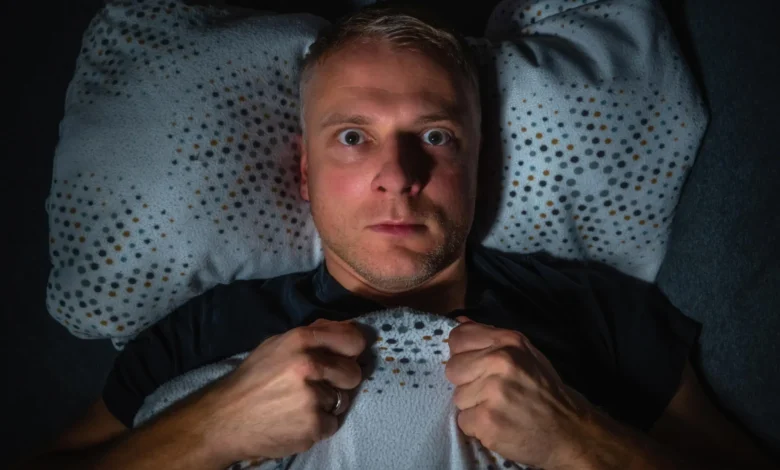
Post-traumatic stress disorder remains one of the most complex and debilitating psychiatric conditions confronting modern medicine. Triggered by exposure to catastrophic events such as severe accidents, combat operations, physical violence, or natural disasters, PTSD fundamentally alters how the human brain processes memory and perceives safety. Among the most distressing symptoms reported by those affected are chronic, highly vivid nightmares that force individuals to mentally relive their trauma night after night. These recurring episodes not only inflict profound psychological distress but also trigger severe sleep deprivation, frequently leaving patients terrified of going to bed and eroding their overall quality of life.
Traditional pharmacological interventions, including standard antidepressants and blood-pressure-lowering agents, often provide inadequate relief for trauma-related nightmares. Recognizing this persistent therapeutic gap, a collaborative team of researchers across Germany undertook a rigorous investigation to test whether a prescription drug containing tetrahydrocannabinol (THC)—the primary psychoactive compound found in Cannabis sativa—could safely and effectively alleviate these nocturnal symptoms. Published in the esteemed journal Nature Medicine, the findings demonstrate that more than half of the trial participants responded positively to the treatment, with over a third reporting that their debilitating nightmares vanished entirely.
The Neurological Burden of Trauma and the Limitations of Current Therapies
The psychological footprint of a life-threatening or terrifying experience often endures long after the physical danger has dissipated. In individuals diagnosed with PTSD, neurological mechanisms responsible for processing and contextualizing overwhelming events become impaired. Consequently, traumatic memories are frequently stored in a fragmented or hyper-accessible state, allowing them to intrude into conscious awareness involuntarily.
This dysfunction manifests across both waking hours and sleep cycles. During sleep, particularly within the rapid eye movement (REM) phase where emotional regulation and memory consolidation typically occur, patients with PTSD frequently experience intrusive replays of their trauma. These episodes trigger acute nocturnal panic responses, jarring individuals awake and trapping them in a chronic cycle of exhaustion and hypervigilance.
While clinical guidelines recommend various psychotherapeutic modalities—such as cognitive behavioral therapy and eye movement desensitization and reprocessing—pharmacological options targeting the physiological symptoms of PTSD remain notably limited. In Germany and many other jurisdictions, no specific medication has yet secured formal regulatory approval expressly for the treatment of trauma-related nightmares. Although clinicians frequently prescribe off-label medications like prazosin or selective serotonin reuptake inhibitors, their efficacy varies widely, and they rarely resolve nocturnal symptoms comprehensively.
The Endocannabinoid System and the Rationale for THC
To address this therapeutic impasse, researchers led by Prof. Stefan Röpke at the Department of Psychiatry and Neurosciences on the Benjamin Franklin Campus of Charité – Universitätsmedizin Berlin turned their focus to the human endocannabinoid system. This intricate cell-signaling network plays a critical role in regulating a vast array of physiological processes, including mood, appetite, sleep architecture, and the emotional processing of memory.
THC interacts directly with cannabinoid receptors distributed throughout the central nervous system, modulating neural activity in regions associated with fear extinction and emotional appraisal. Prof. Röpke explains that emerging scientific evidence indicates THC can significantly influence REM sleep dynamics. "There is evidence suggesting that during REM sleep—the intense dream phases in which the brain processes experiences and regulates emotions—THC reduces dream activity and thereby alleviates nocturnal stress responses," Röpke noted.
This biological mechanism provided a compelling hypothesis for clinical testing. By dampening the hyperactive neural signaling that fuels vivid trauma replays during sleep, cannabinoid therapy could theoretically break the cycle of nocturnal panic without requiring high-dose sedation.
Regulatory Shifts and the Design of a Gold-Standard Trial
The feasibility of conducting cannabinoid research in Germany has evolved significantly in recent years. Following the implementation of the landmark "Cannabis for medical purposes" legislation in 2017, the legal and regulatory framework surrounding medicinal cannabis and its derivatives expanded substantially. This legislative shift facilitated broader clinical investigation into cannabinoid therapeutics, particularly for conditions characterized by treatment resistance.
To evaluate the efficacy of THC on PTSD nightmares, researchers utilized Dronabinol, a pure, synthetically derived or plant-extracted pharmaceutical formulation of THC administered in liquid drop form. The clinical trial was meticulously structured as a randomized, double-blind, placebo-controlled study—widely regarded as the gold standard in medical research. Neither the trial participants nor the attending healthcare professionals knew who was receiving the active medication versus an identical, cannabis-flavored placebo.
The study enrolled more than 170 patients diagnosed with post-traumatic stress disorder who suffered from frequent, severe nightmares. Over a strict ten-week intervention period, participants administered their assigned drops each evening prior to sleep. This controlled environment ensured that subjective bias was minimized, allowing for an objective assessment of the drug’s therapeutic potential.
Measurable Relief: Clinical Data and Patient Outcomes
Upon the conclusion of the ten-week trial, the data revealed a statistically significant reduction in nightmare severity among participants treated with Dronabinol compared to those in the control group. Researchers measured nightmare burden using a standardized scale ranging from zero to eight.
The findings showed that the average nightmare burden dropped by 3.7 points among patients taking Dronabinol. In contrast, the placebo group experienced a more modest average decrease of 2.2 points. While numerical score reductions tell part of the story, the qualitative impact reported by patients was profound.
"More than a third of the patients treated with Dronabinol reported that they no longer experienced any nightmares after ten weeks," Prof. Röpke stated. "Another 21 percent reported that their nightmare burden had been at least halved. And about five out of six patients in the dronabinol group felt their health had markedly improved."
Despite these impressive gains regarding sleep architecture and nocturnal symptom relief, the trial noted that Dronabinol acted selectively. The researchers did not find conclusive evidence that the cannabinoid treatment significantly altered the broader, daytime core symptoms of PTSD or concurrently occurring depressive disorders. Nevertheless, breaking the nightly cycle of terror provided patients with restorative sleep, establishing a vital foundation for overall recovery.
Safety Profile, Tolerability, and Future Implications
A critical component of the Charité-led study involved monitoring adverse events and the potential for chemical dependence. In evaluating novel psychiatric medications, patient tolerability remains a paramount concern, particularly with compounds derived from cannabis.
The trial results confirmed that Dronabinol was well tolerated. No severe adverse events were documented throughout the ten-week evaluation period. While mild to moderate side effects—such as transient dizziness, headaches, and increased appetite—occurred at a higher frequency among the Dronabinol cohort, these effects did not lead to widespread treatment discontinuation. Furthermore, follow-up evaluations after the cessation of evening doses revealed no indications of withdrawal symptoms, addressing a common concern among clinicians regarding cannabinoid therapies.
The implications of these findings extend broadly across the fields of psychiatry, neurology, and trauma medicine. By identifying a targeted pharmacological intervention capable of mitigating one of PTSD’s most intractable symptoms, the research opens new avenues for clinical practice.
However, medical experts emphasize that further investigation is necessary. Future clinical trials must determine whether the observed safety and efficacy profiles remain stable over extended treatment durations exceeding ten weeks. Researchers also aim to evaluate whether patients develop pharmacological tolerance to Dronabinol over prolonged use, which could potentially diminish its long-term effectiveness.
The collaborative research initiative was spearheaded by Charité – Universitätsmedizin Berlin in partnership with several prominent academic and medical institutions, including the Psychiatric University Clinic of the Charité at St. Hedwig Hospital, the University Medical Center Hamburg-Eppendorf, and the Central Institute for Mental Health in Mannheim. Financial and logistical support for the scientific undertaking was provided by pharmaceutical company Bionorica SE, reflecting a growing industry commitment to evidence-based cannabinoid therapeutics. As regulatory frameworks adapt and clinical datasets expand, treatments like Dronabinol may soon offer renewed hope to millions of trauma survivors worldwide seeking a quiet, dreamless night of sleep.