The landscape of home fitness equipment has undergone a profound transformation over the past decade, driven largely by advancements in biomechanical engineering, digital integration, and ergonomic design. Among home cardio machines, the modern elliptical cross-trainer has emerged as a premier option for individuals seeking a high-intensity cardiovascular stimulus without the cumulative joint stress associated with traditional high-impact activities like running on pavement or standard treadmills. Recent clinical data underscores this advantage, noting that elliptical training preserves the structural integrity of joints while simultaneously engaging both upper and lower body musculature for a comprehensive, full-body workout.
As consumers increasingly look toward home-based wellness solutions for the year 2025, the market features an array of sophisticated machines tailored to specific fitness requirements, ranging from weight loss and joint rehabilitation to compact footprint constraints and budget-friendly alternatives.
Evolution of the Elliptical: Engineering and Biomechanics
The conceptual genesis of the elliptical trainer dates back to the mid-1990s, when fitness manufacturers sought to mimic the natural human walking and running gait while eliminating the heel-strike impact transmitted through the ankles, knees, and lower back. Early iterations were often mechanically rigid, forcing users into a standardized, one-size-fits-all motion path that frequently caused discomfort for individuals outside the statistical average height range.
Over subsequent generations, research into human kinesiology shifted the design paradigm. Modern ellipticals now incorporate adjustable stride lengths, variable incline ramps, multi-axis pedal adjustments, and magnetic resistance systems that operate at noise thresholds below 20 decibels—roughly equivalent to the sound of rustling leaves. According to physical therapists, the capacity of an elliptical to maintain a closed-chain kinetic movement—where the feet remain constantly in contact with the pedals—provides a controlled environment that reduces instability and enhances safety, particularly for users with balance considerations or recovering from lower-extremity injuries.
Top Elliptical Machine Selections for 2025
Best Overall Elliptical: NordicTrack FS10i
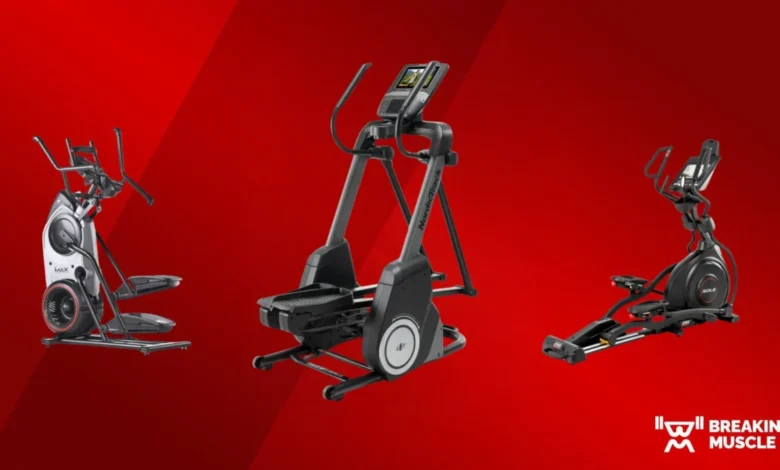
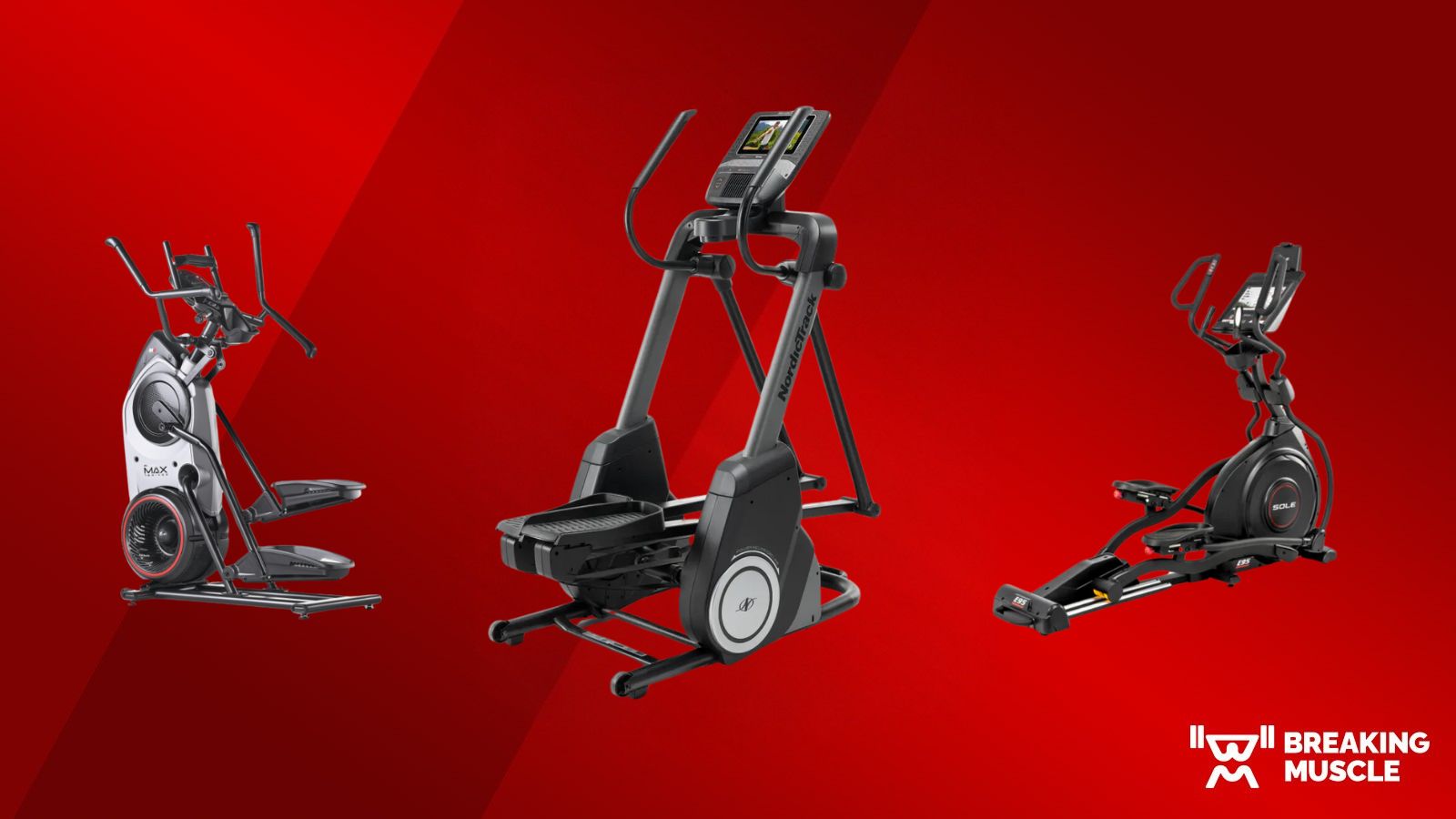
The NordicTrack FS10i represents a convergence of multiple cardio modalities, functioning simultaneously as a traditional elliptical, a stair stepper, and a treadmill alternative. Central to its versatility is a 32-inch auto-adjusting stride mechanism that recalibrates dynamically based on the user’s natural leg movement. When operated in stepper mode, the user’s motion is vertical; in standard elliptical mode, the stride transitions to a horizontal, elliptical path.
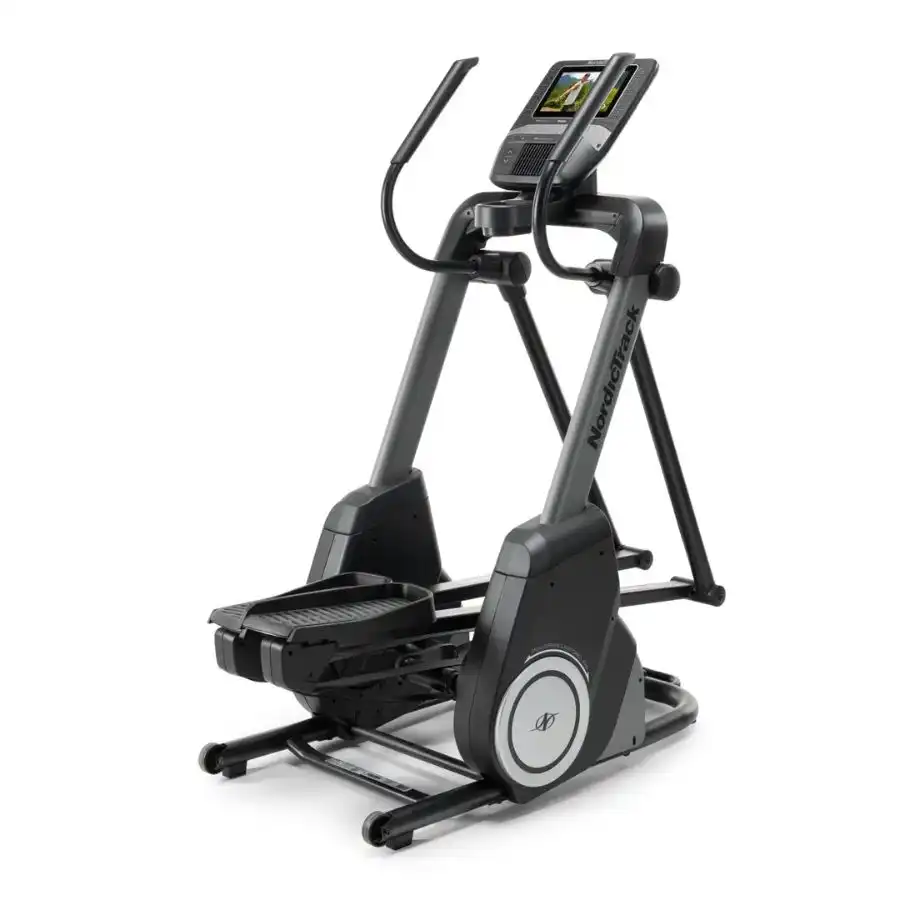
Equipped with a 10-inch high-definition touchscreen interface, the machine integrates with the iFIT interactive training ecosystem. Through this platform, virtual trainers can digitally manipulate the machine’s 10 percent incline and 24 magnetic resistance levels in real-time, matching terrain profiles featured in on-demand video classes. Manual overrides are also accessible via one-touch console controls.
Best Elliptical for Weight Loss: Sole Fitness E95
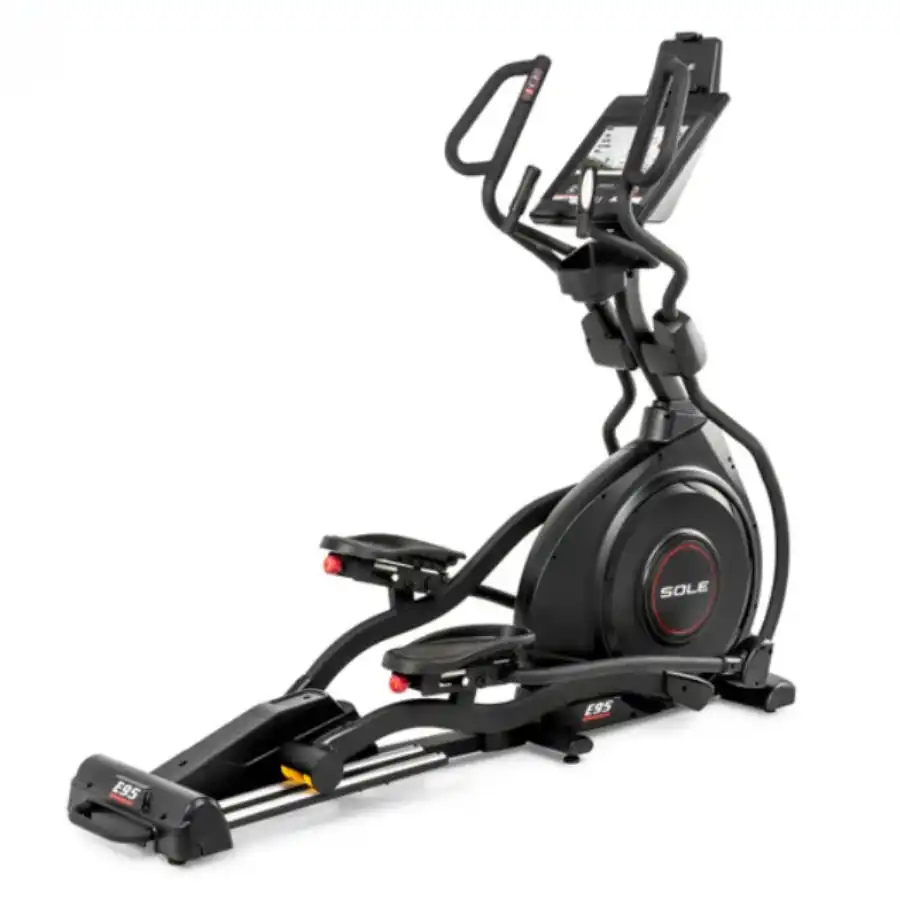
For individuals pursuing body composition goals, dietary management paired with consistent cardiovascular exercise remains the gold standard. The Sole Fitness E95 is specifically optimized for this demographic through a blend of entertainment integration and structured programming. Unlike platforms requiring costly monthly subscriptions, the E95 includes free lifetime access to the Sole+ companion application, which houses a library of over 3,000 instructor-led workouts spanning both on- and off-machine routines.
The machine features cushioned foot pedals engineered with a proprietary two-degree inward slope designed to reduce ankle and knee strain during extended training sessions. Furthermore, native integration with mainstream streaming services—including Netflix, Amazon Prime, and Hulu—allows users to maintain engagement during longer caloric-expenditure sessions, supported by a heavy-duty, quiet drive system and built-in Bluetooth audio capabilities.
Best Elliptical for Joint Pain: Sole Fitness E35
Users managing chronic joint discomfort or recovering from orthopedic strains often require a simpler, highly stable machine that minimizes mechanical jarring. The Sole Fitness E35 utilizes a ramp-based design that facilitates effortless mounting and dismounting.
With 20 levels of magnetic resistance and 10 preloaded workout profiles, the E35 accommodates varying fitness levels while supporting a maximum user weight capacity of 300 pounds. Additional ergonomic considerations include integrated cooling fans, a fully adjustable console display, and smooth, fluid pedal trajectories designed to distribute load evenly across the quadriceps, hamstrings, and gluteal complexes without placing excessive shear force on the lumbar spine or knees.
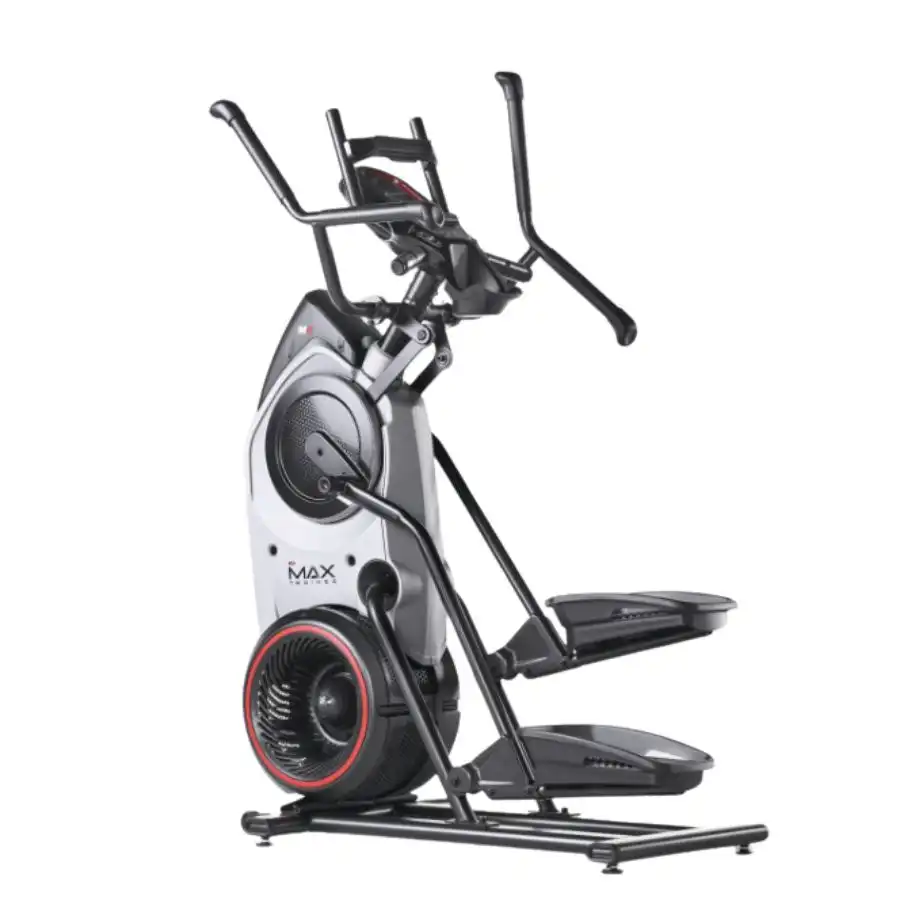
Best Elliptical Machine for Small Spaces: Bowflex Max Trainer M6
Space constraints represent one of the primary hurdles for urban fitness enthusiasts. The Bowflex Max Trainer M6 addresses this challenge by reducing the equipment’s physical footprint to dimensions measuring 46 inches in length, 26 inches in width, and 64.2 inches in height—significantly smaller than standard treadmills or conventional cross-trainers.
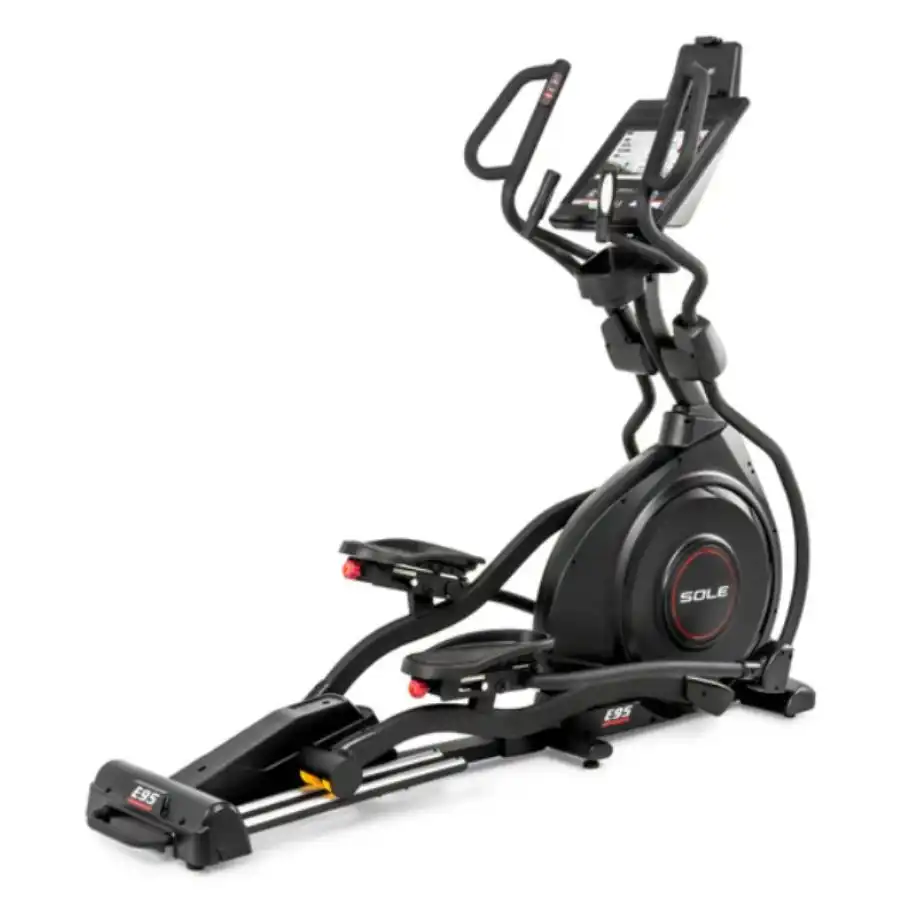
The M6 utilizes a high-intensity interval training (HIIT) design philosophy, featuring 16 resistance levels and a distinctive "burn rate" console display that tracks calories burned per minute in real-time. The machine supports integration with the JRNY digital fitness platform for personalized coaching and streaming workouts. While its 15-inch stride length may prove restrictive for taller users, the M6 accommodates a maximum user weight of up to 300 pounds and incorporates multi-grip moving handles with integrated pulse sensors.
Best Under Desk Elliptical: Cubii Go
For sedentary office environments or multi-tasking remote workers, under-desk ellipticals have established a distinct market category. The Cubii Go provides a portable, seated alternative to standing cardio equipment. Equipped with built-in transport wheels and a retractable telescoping handle, the unit can be easily relocated.
Operating via a compact internal flywheel offering 10 resistance levels, the Cubii Go allows users to engage lower-extremity musculature while remaining seated at a desk or during sedentary activities. Performance metrics are tracked via an illuminated display and synced to a dedicated mobile application, offering a low-barrier-to-entry solution for daily movement accumulation.
Most Comfortable Elliptical: Niceday Smart Elliptical CT11
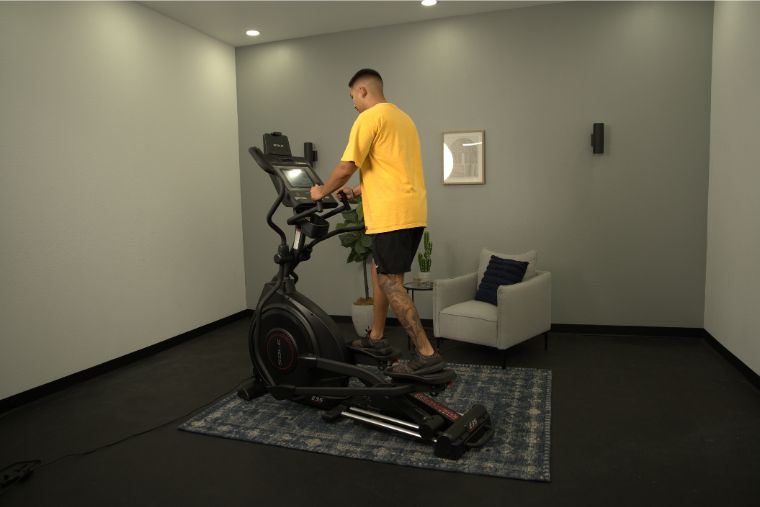
Designed primarily for novice users and individuals seeking structural robustness, the Niceday Smart Elliptical CT11 features a heavy-gauge steel frame capable of supporting users up to 400 pounds. Accommodating height ranges from 4 feet 9 inches to 6 feet 4 inches, the machine utilizes a hyper-quiet magnetic drive system that maintains operating noise levels below 20 decibels.
The CT11 arrives 90 percent pre-assembled, mitigating the complex installation process often associated with heavy gym equipment. It offers 16 distinct resistance settings and Bluetooth compatibility with third-party training applications such as Kinomap to track metrics including distance, caloric output, and heart rate.
Physiological Analysis: Ellipticals vs. Traditional Cardio
When evaluating home cardiovascular investments, fitness professionals frequently weigh ellipticals against treadmills and stationary bicycles. According to exercise physiologists, the primary physiological advantage of an elliptical trainer lies in its closed-chain kinetic profile. Unlike running, where each stride involves a high-impact ground reaction force—often measuring up to three times an individual’s body weight—elliptical training absorbs these forces mechanically through the machine’s track and pedal system.
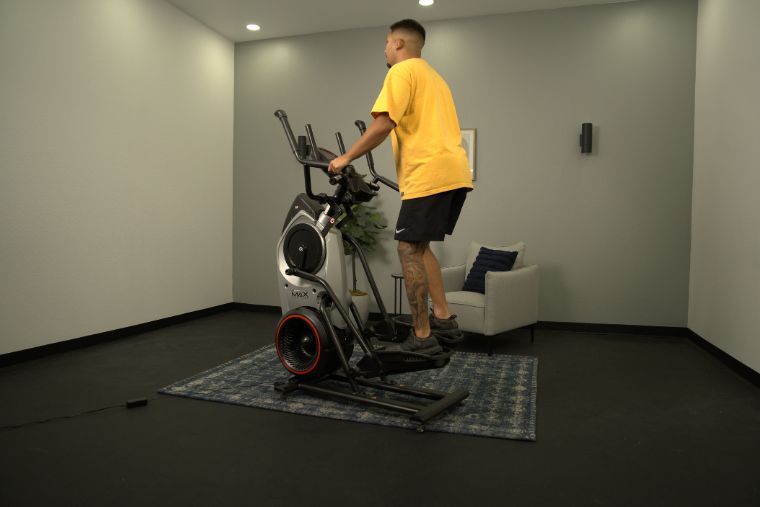
Furthermore, because the upper-body handlebars move in tandem with the foot pedals, users engage the latissimus dorsi, pectorals, and arm flexors alongside the lower-extremity kinetic chain. This dual-action mechanism elevates total oxygen consumption (VO2) and caloric expenditure compared to lower-body-only modalities operating at perceived equivalent exertion levels.
Key Selection Criteria for Prospective Buyers
To maximize the utility and longevity of a home elliptical investment, consumers should evaluate several core technical specifications:
- Flywheel Mass: The flywheel constitutes the heavy rotating disk that provides momentum and stability. Heavier flywheels generally yield a smoother, more natural pedal stroke, whereas lighter flywheels may exhibit dead spots or abrupt resistance transitions.
- Stride Length: Ranging typically from 15 inches to over 20 inches, stride length must correspond to the user’s height and leg length to prevent awkward gait patterns or joint strain. A 20-inch stride serves as the industry standard for the majority of adult users.
- Resistance and Incline Adjustments: Magnetic and eddy-current brake systems offer silent, graduated resistance scaling. Adjustable incline ramps further expand workout versatility by altering muscle recruitment patterns, shifting emphasis between the quadriceps, hamstrings, and calves.
- Console Technology and Subscriptions: Buyers must consider whether they prefer standalone basic displays or immersive, subscription-based touchscreens (such as iFIT or JRNY) that require ongoing monthly financial commitments for full functionality.
Frequently Asked Questions
Should I get an elliptical or a treadmill?
The choice depends on your specific fitness goals, joint health, and exercise preferences. Treadmills are superior for weight-bearing endurance running and walking mechanics, but they impose higher impact loads on the lower extremities. Ellipticals offer a full-body workout with minimal joint stress, making them ideal for individuals managing joint pain or seeking upper-body integration.
Can you lose belly fat with an elliptical?
Spot reduction of body fat is physiologically impossible. However, consistent use of an elliptical machine, when combined with a controlled caloric deficit through nutrition, contributes to systemic fat loss across the entire body.
Is the elliptical a full-body workout?
Yes. By utilizing both the foot pedals and the moving handlebars, the machine engages the core, upper back, shoulders, arms, glutes, quadriceps, hamstrings, and calves simultaneously.
How long does it take to see results?
Visible physiological adaptations—such as improved cardiovascular endurance, enhanced muscular tone, and changes in body composition—depend on training consistency, intensity, nutritional habits, and baseline fitness levels, typically becoming noticeable within four to eight weeks of regular programming.