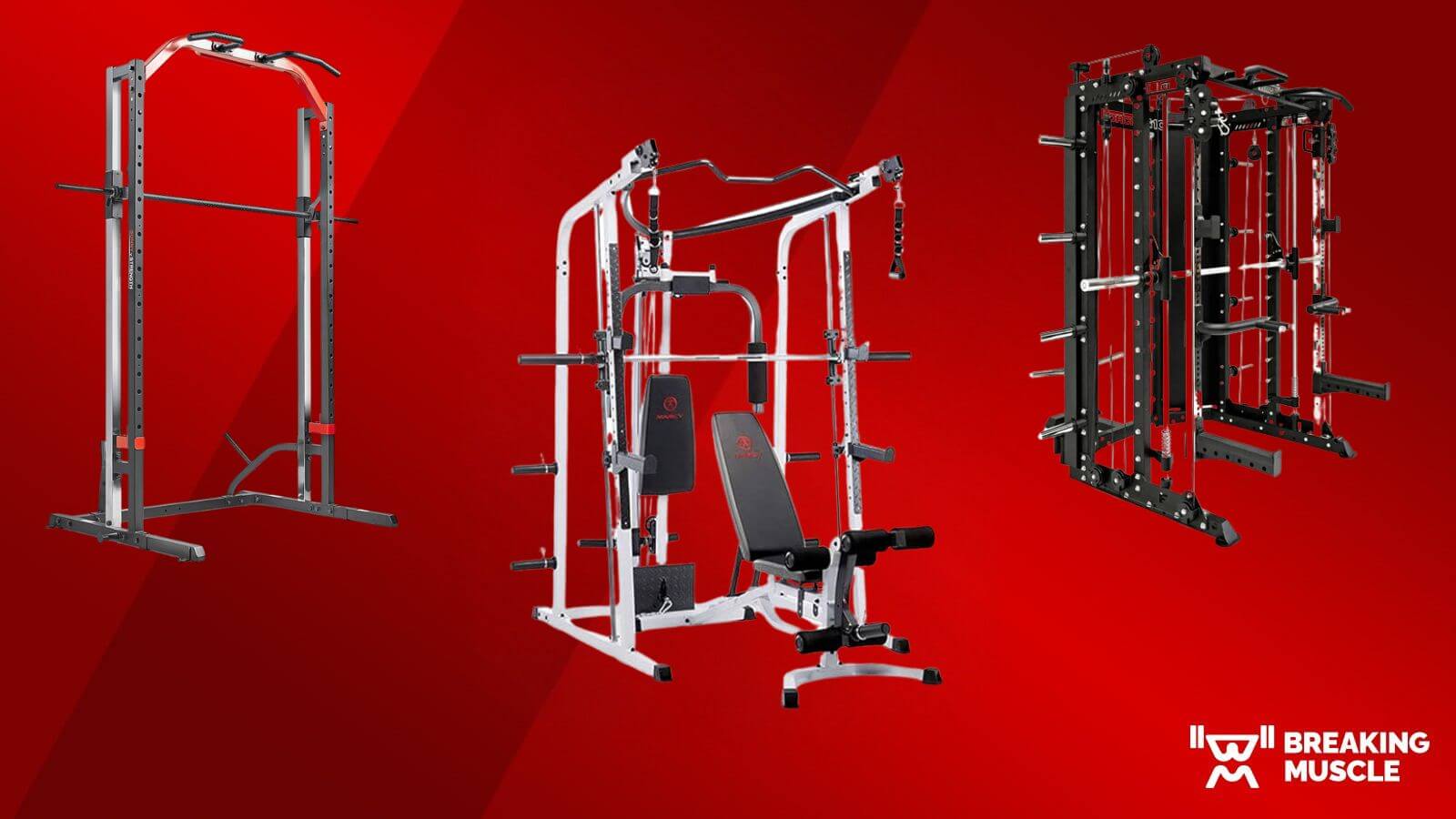
For decades, the commercial fitness landscape has been defined by a select few stalwarts, chief among them the motorized treadmill and the ubiquitous Smith machine. Traditionally associated with the heavy-iron zones of commercial fitness clubs, the Smith machine—characterized by a barbell fixed within steel rails—has steadily migrated into the residential fitness market. As garage and basement gyms evolve to rival commercial facilities, fitness enthusiasts are increasingly investing in these units to secure the safety and versatility historically reserved for commercial memberships.
To help consumers navigate the expanding market of 2025, expert product testers have evaluated a broad spectrum of models, ranging from traditional standalone units to sprawling, all-in-one functional trainers. Drawing on rigorous testing metrics, material assessments, and insights from fitness industry professionals, this report outlines the top Smith machine configurations available for home gyms this year, providing an objective framework for buyers seeking to optimize their training spaces.
The Evolution and Utility of the Smith Machine in Home Fitness
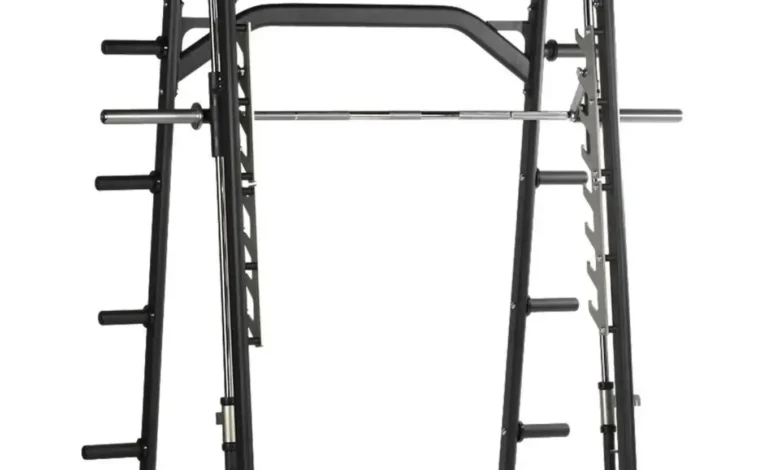
Invented in the mid-20th century, the Smith machine was designed to combine the mechanics of free-weight movements with the mechanical safety of a rack. The foundational appeal lies in its fixed vertical or slightly angled bar path. This design allows users to execute compound movements—such as back squats, bench presses, and military presses—without the lateral instability inherent in traditional Olympic barbell training.
According to Mauro S. Maietta, district fitness and education manager for Crunch Fitness, the equipment offers distinct physiological advantages, particularly for solo practitioners. "The Smith machine helps the athlete feel supported and gives them greater control and stability when performing an exercise," Maietta notes. This guided stability effectively eliminates the need for a human spotter, allowing individuals to push through muscular fatigue or practice progressive overload with reduced risk of catastrophic failure.
Furthermore, fitness experts highlight the utility of the Smith machine in clinical and rehabilitative settings. The controlled, predictable plane of motion makes it an effective tool for individuals recovering from joint injuries or managing mobility constraints, enabling them to rebuild baseline strength safely before transitioning back to unguided free weights.
Top Home Gym Smith Machine Picks for 2025
The current market offers configurations tailored to diverse spatial, financial, and functional requirements. Industry testing has categorized the leading models into distinct tiers based on value, footprint, and versatility.
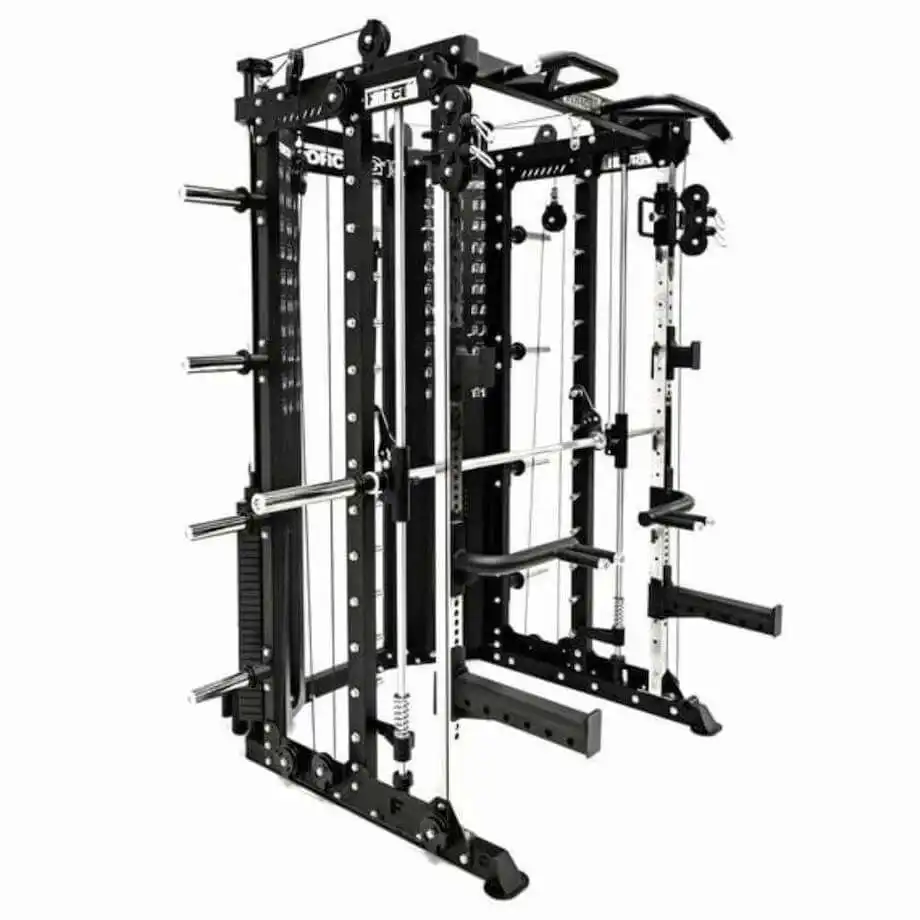
Best All-in-One Smith Machine: Force USA G15 All-In-One Trainer
Positioned at the apex of the residential market, the Force USA G15 All-in-One Trainer integrates a Smith machine, half rack, and functional trainer into a single, heavy-duty footprint. Tipping the scales at nearly 1,000 pounds, the unit is constructed to commercial-grade standards, featuring dual 289-pound weight stacks.
Reviewers praise the G15 for its expansive exercise versatility, accommodating attachments such as J-hooks, dip handles, and band pegs. However, the system commands a premium price point of approximately $5,500, not including optional upgrade kits. Testers noted that while the structural integrity is comparable to a heavy-duty industrial tank, components such as the nylon cable pulleys and the passive knurling on the built-in barbell fell short of expectations given the high financial investment. Additionally, assembly requires a significant time commitment—estimated at roughly 20 man-hours—unless professional installation is purchased.
Best All-in-One Smith Machine (Value Tier): Titan Fitness Smith Machine
For consumers seeking comprehensive functionality without the commercial-grade price tag, the Titan Fitness Smith machine offers an alternative at roughly one-third of the cost of top-tier competitors. Priced around $1,700, the machine features a counterbalanced barbell that reduces the perceived starting weight from 45 pounds to a more manageable 15 pounds, aiding beginners and intermediate lifters alike.
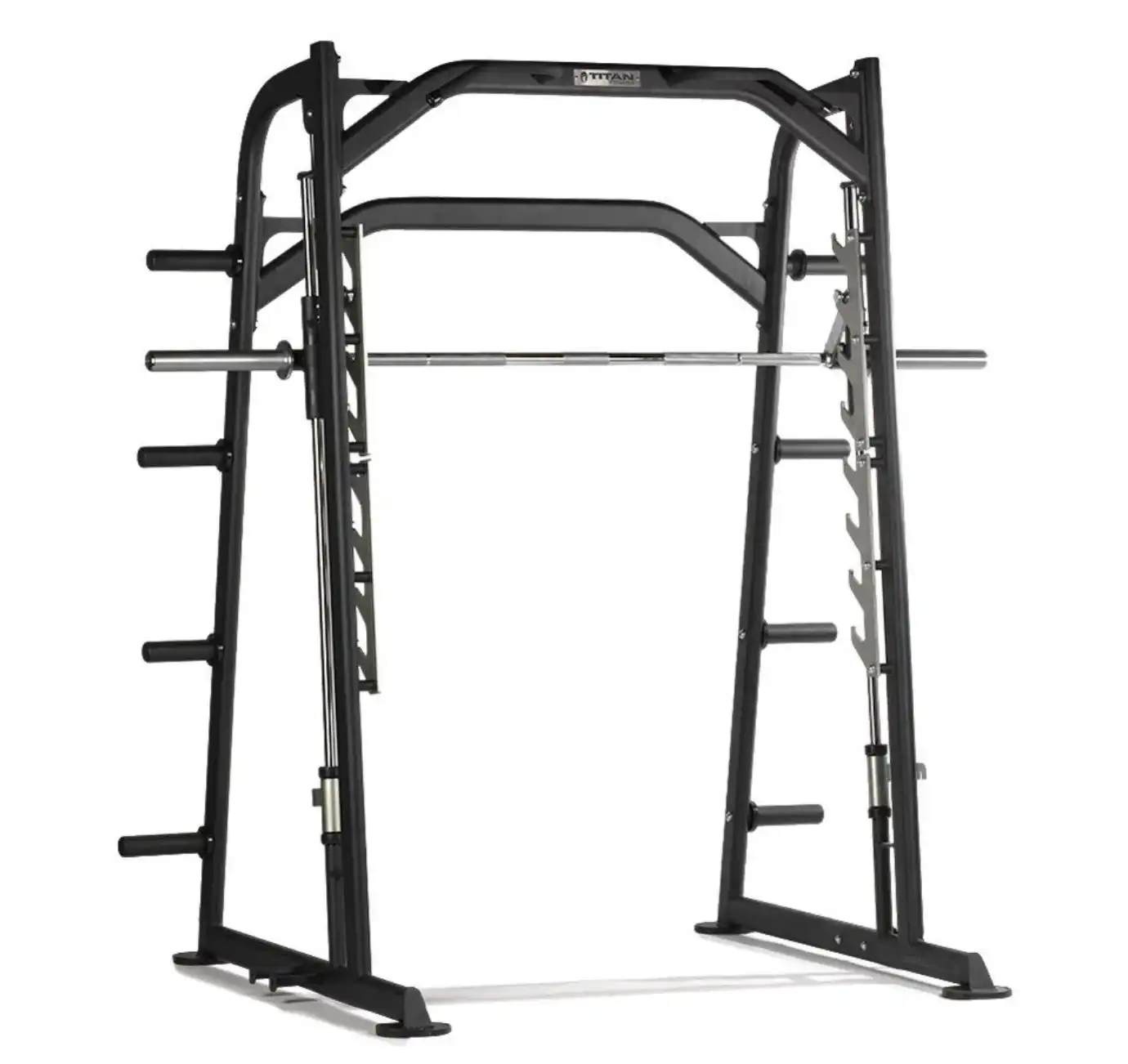
Testing revealed high marks for ergonomic design and structural stability, with testers noting minimal vibration during heavy loading. Despite these structural strengths, customer experience feedback highlighted potential drawbacks, including a restrictive one-year warranty and a return policy that mandates customer-paid return shipping alongside a 20 percent restocking fee.
Best Compact Smith Machine Attachment: Bolt Fitness Supply Storm Series Stinger
Space constraints remain a primary hurdle for home gym owners. To address this, manufacturers have developed rack-compatible attachments that convert existing uprights into guided press stations. The Bolt Fitness Supply Storm Series Stinger is engineered to integrate with standard 3-inch by 3-inch frames using 1-inch hardware.
Offering 12 vertical adjustment positions spanning 60 inches, the Stinger preserves floor space while delivering commercial-style versatility. Priced near $1,100, the unit includes a multi-grip pull-up bar, though testers observed that its finish quality and bar knurling do not fully match the tactile standards established by premier independent equipment fabricators.
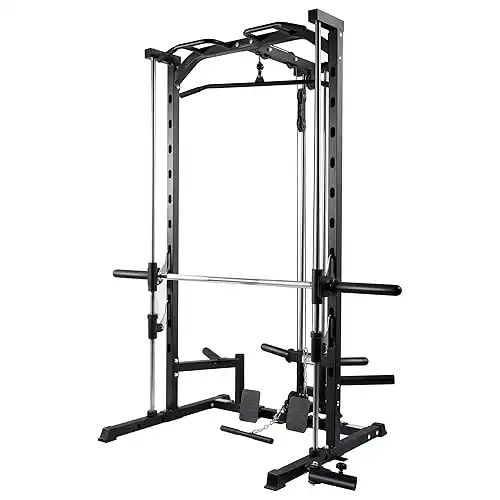
Best Budget Smith Machine: RitFit Smith Machine
Priced at approximately $500, the RitFit Smith Machine represents an entry-level solution for consumers operating on strict financial parameters. Weighing 140 pounds, the compact unit incorporates a plate-loaded cable pulley system, a low row footplate, and a landmine attachment.

While testing indicated that the lighter gauge steel and reduced overall weight limit its utility for advanced lifters handling maximal loads, the unit earned high marks for economic value. Reviewers characterized it as a functional compromise for residential users with modest strength-training requirements and limited spatial allowances.
Best Smith Machine Attachment (Upcoming Release): Bulletproof VTS Lite Rack Attachment
Scheduled for release in May 2025, the Bulletproof VTS Lite Rack Attachment introduces a Versa Trolley System designed to utilize a user’s pre-existing Olympic barbell. Weighing just 15 pounds, the UHMW plastic rollers operate along uprights to simulate a guided bar path. Offered in multiple sizing configurations to fit various rack dimensions, the $700 attachment presents a modular alternative to standalone units.
Comparative Analysis of Key Selection Criteria
When evaluating a prospective Smith machine purchase, industry experts recommend assessing four primary variables to ensure alignment with individual fitness objectives:
- Spatial Footprint: Standalone all-in-one systems demand substantial vertical and horizontal clearance, often exceeding 7 feet in height and 6 feet in width. Conversely, rack-mounted attachments minimize spatial requirements by utilizing pre-existing structural supports.
- Pulley Ratios and Resistance Mechanics: Units featuring functional crossover components typically utilize 2:1 or 4:1 weight ratios, meaning the user lifts a fraction of the actual stacked weight. Buyers must verify whether a system utilizes true 1:1 resistance or mechanical advantage pulleys.
- Weight Capacity and Structural Integrity: Maximum loading thresholds vary widely, from 300-pound entry-level capacities to industrial-grade thresholds exceeding 1,000 pounds. Equipment selection should reflect the intended intensity of the user’s training regimen.
- Warranty and Manufacturer Support: Given the mechanical complexity of guide rods, linear bearings, and cable systems, robust warranty coverage is critical for long-term equipment maintenance and structural safety.
Industry Implications and Future Outlook
The continued expansion of the residential fitness sector in 2025 underscores a broader cultural shift toward decentralized physical conditioning. As engineering techniques improve, manufacturers are increasingly blurring the line between commercial-grade installations and consumer-accessible equipment.
While free-weight purists continue to debate the physiological transferability of fixed-path movements versus unguided barbell exercises, the demand for accessible, injury-mitigated strength training remains robust. For home gym architects, the modern Smith machine functions less as a single-purpose apparatus and increasingly as the central hub of a comprehensive, multi-disciplinary strength ecosystem. Prospective buyers are advised to weigh spatial limitations, budget parameters, and structural specifications carefully to select a configuration capable of supporting long-term fitness development.