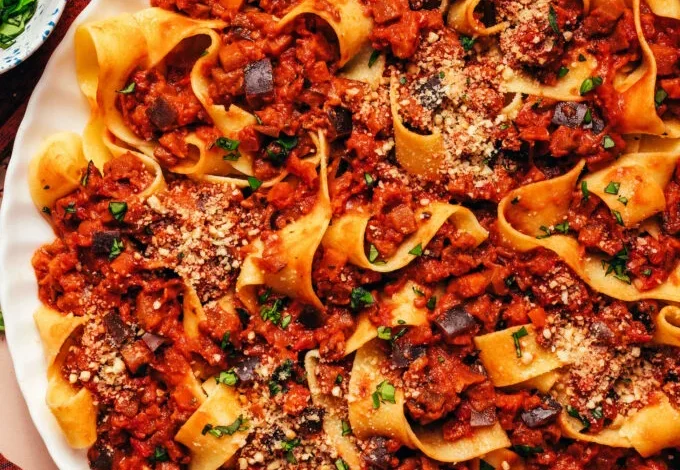
The landscape of modern Italian-inspired cooking has experienced a significant shift toward plant-forward alternatives, driven by changing consumer preferences, environmental awareness, and a continuous desire for simplified weeknight meal preparation. Home cooks increasingly seek recipes that minimize cleanup while maximizing nutritional value and flavor complexity. In response to this culinary demand, the popular food publication Minimalist Baker has introduced its latest addition to a diverse catalog of meatless pasta sauces: a one-pot eggplant bolognese designed to capture the hearty essence of traditional Italian ragù without relying on animal proteins or complicated cooking techniques.
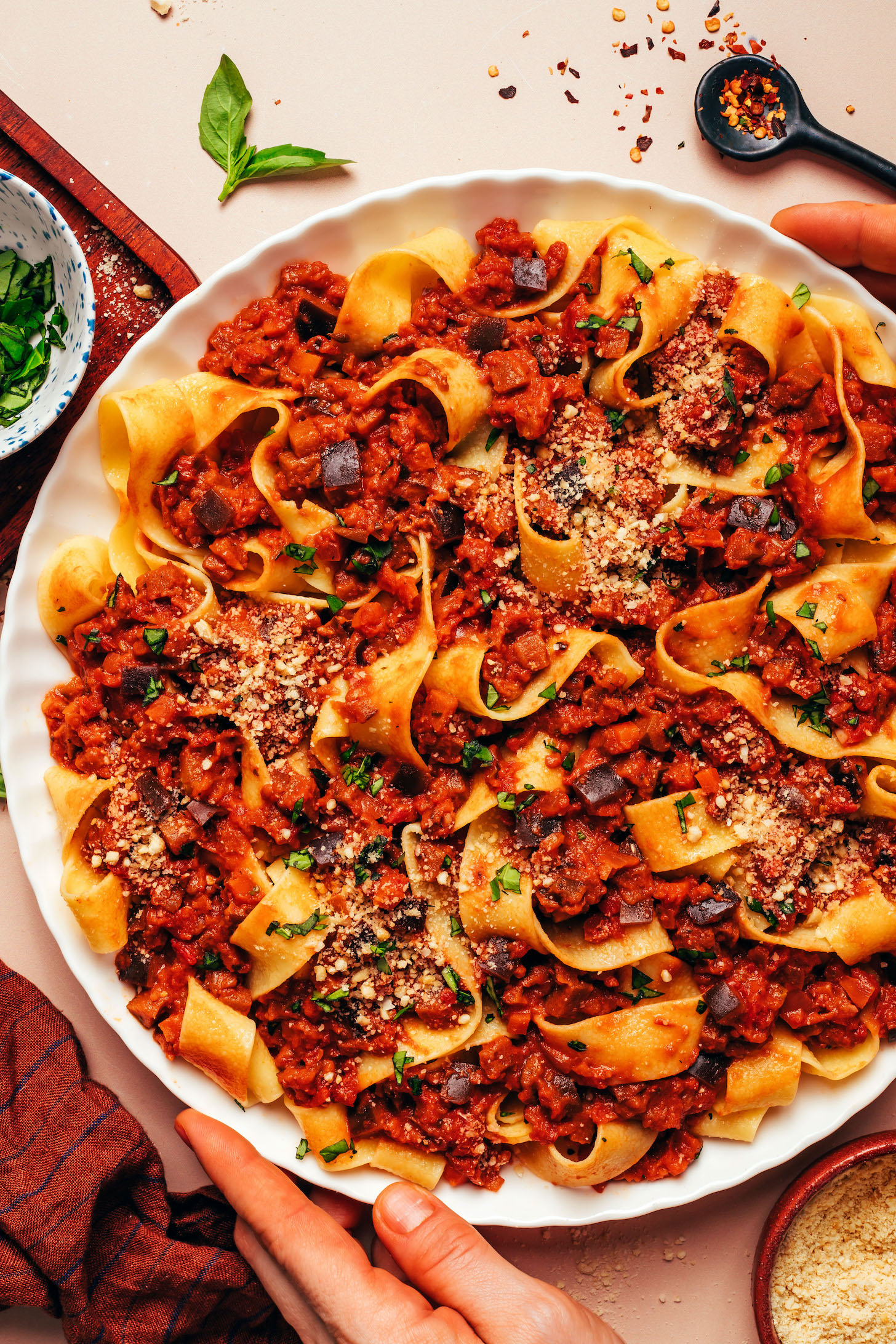
This new recipe arrives at a time when culinary enthusiasts are heavily focused on seasonal produce, particularly during late summer when eggplants reach peak harvest. By reimagining a classic regional sauce from Bologna, Italy, the recipe demonstrates how traditional comfort foods can be successfully adapted to meet contemporary dietary trends, including vegan, vegetarian, and gluten-free lifestyles.
The Evolution and Origins of Bolognese Sauce
To understand the innovation behind an eggplant-based bolognese, it is helpful to examine the history of the original dish. Traditional ragù alla bolognese originates from the Italian city of Bologna, historically recognized as the culinary capital of the Emilia-Romagna region. Officially documented by the Italian Academy of Cooking in 1982, the classic meat-based sauce relies on a foundation known as soffrito—a finely diced mixture of onions, celery, and carrots—alongside minced or finely chopped beef, pancetta, white wine, broth, and a small amount of milk or tomato paste.
Over the decades, global culinary adaptations have emerged to accommodate various dietary restrictions and ethical preferences. Food writers and plant-based chefs have experimented with alternative textures to mimic the robust mouthfeel of traditional meat sauces. Past iterations published by culinary platforms have utilized mushrooms, red lentils, tempeh, and chickpeas to achieve this effect. The introduction of eggplant represents a deliberate choice to leverage the vegetable’s unique cellular structure, which softens and absorbs flavors during a prolonged simmer, creating a meaty, velvety consistency that appeals to both dedicated vegans and traditional meat-eaters alike.
Culinary Methodology: The One-Pot Approach
The core appeal of the Easy Eggplant Bolognese lies in its streamlined preparation method. Modern home cooks face increasing time constraints, making multi-vessel cooking methods less desirable for daily meal planning. This recipe restricts the entire cooking process to a single Dutch oven or heavy-bottomed pot, significantly reducing post-meal cleanup time.
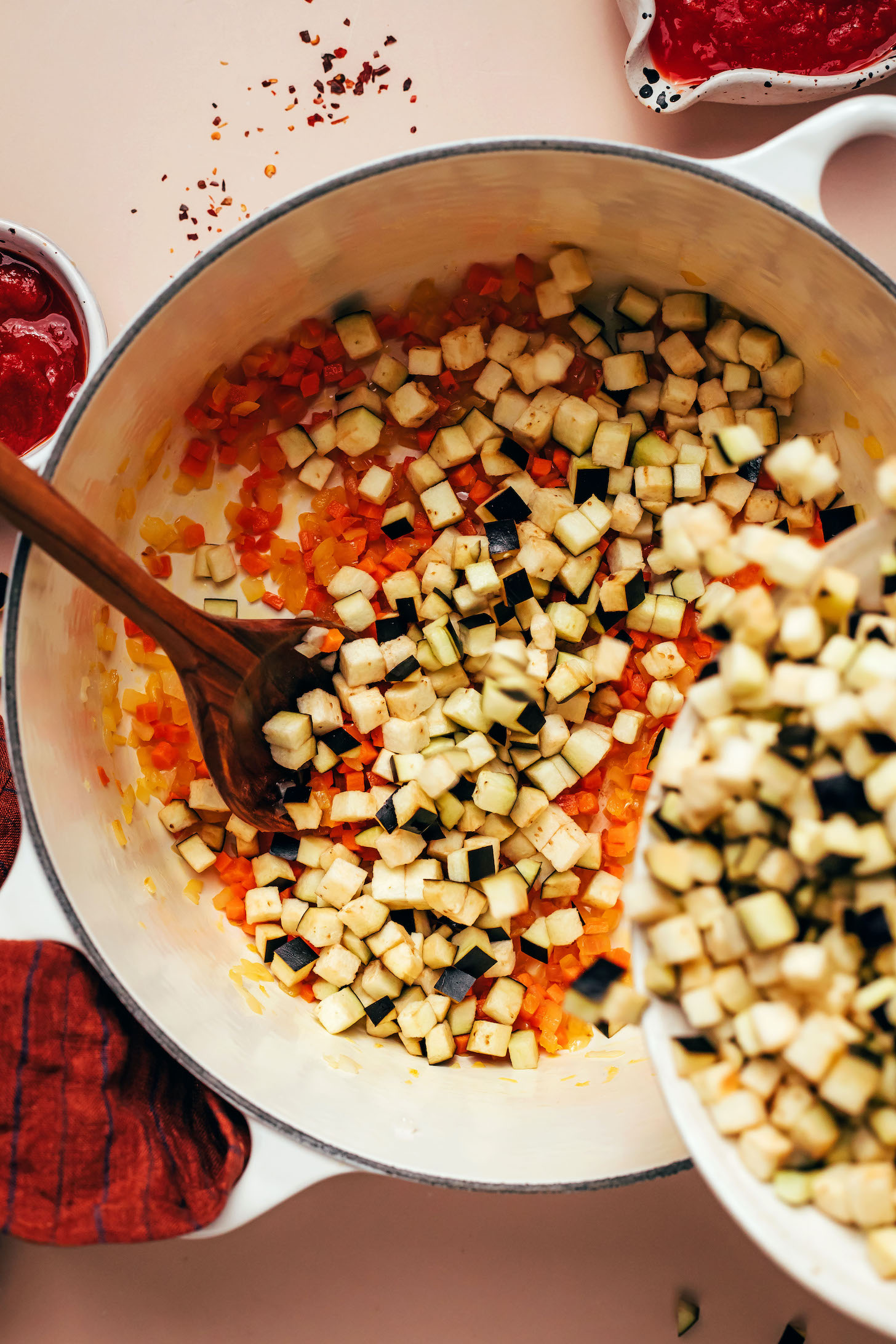
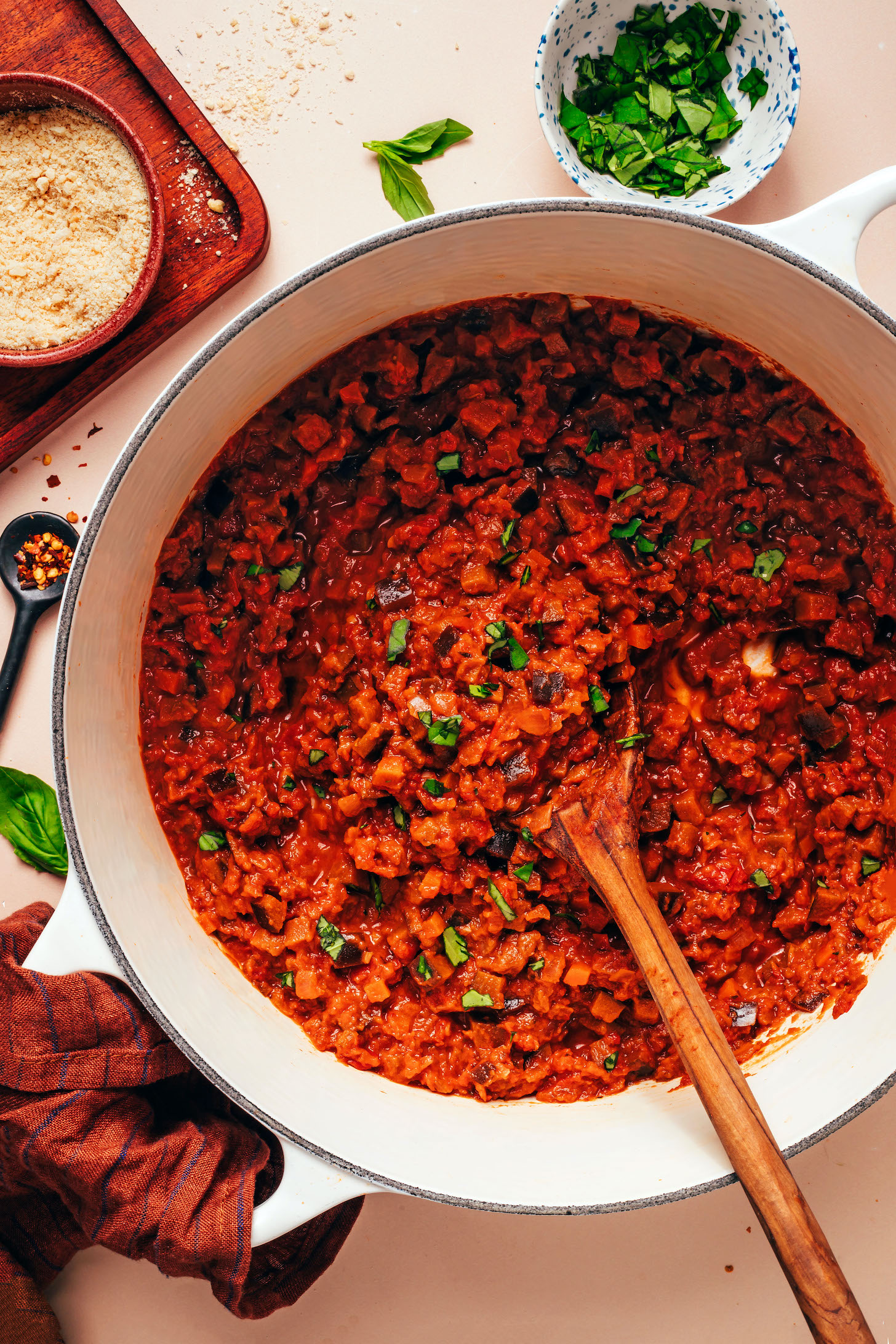
The preparation begins with the foundational soffrito, though modified to feature onions and carrots sautéed in olive oil until tender and lightly caramelized. Finely cubed eggplant is then introduced to the pot. As the eggplant cooks down, it releases moisture and browns, developing deep, savory flavor compounds. The browning stage is critical, as it counters the natural bitterness sometimes associated with raw eggplant and builds the umami profile necessary to replicate a traditional ragù.
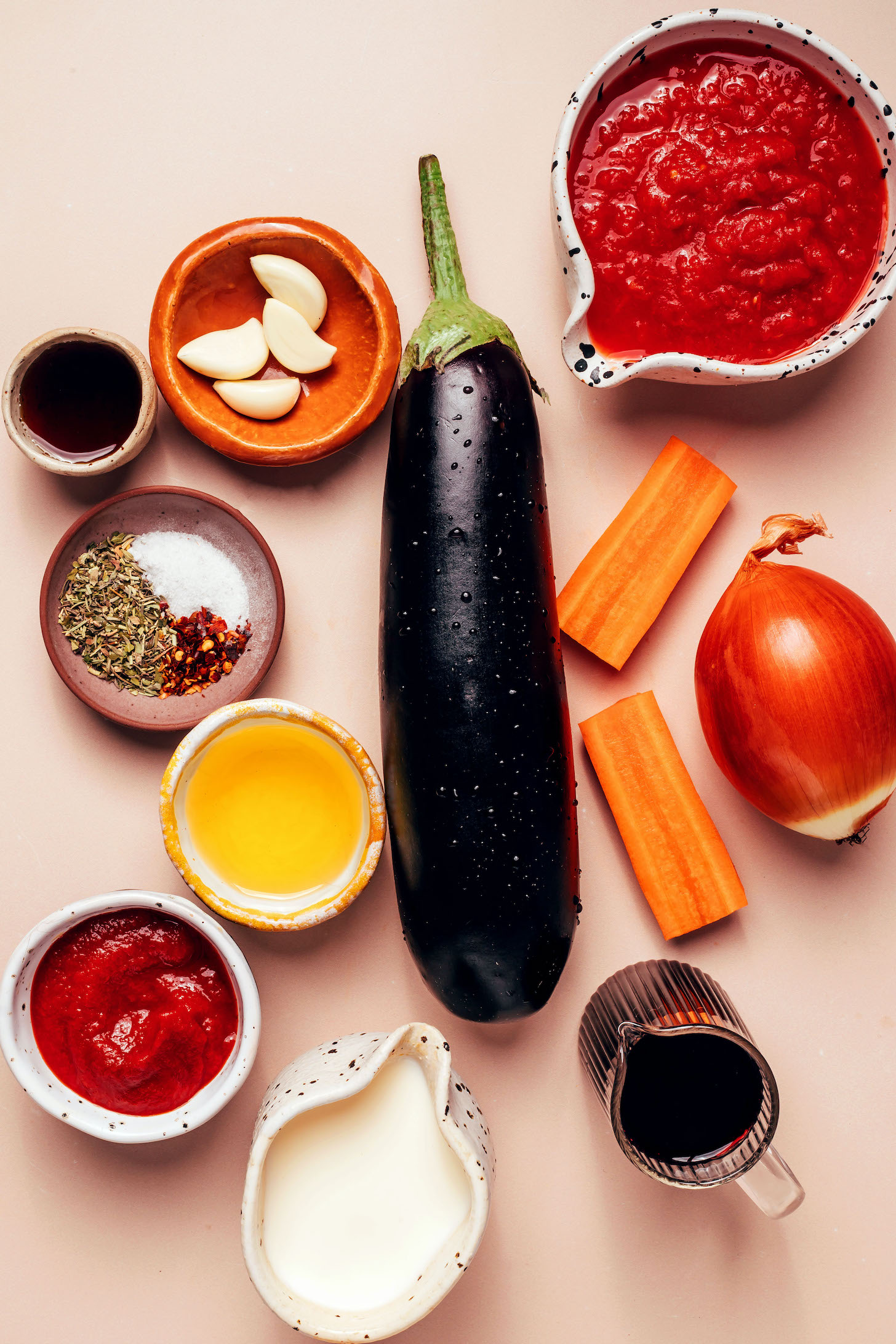
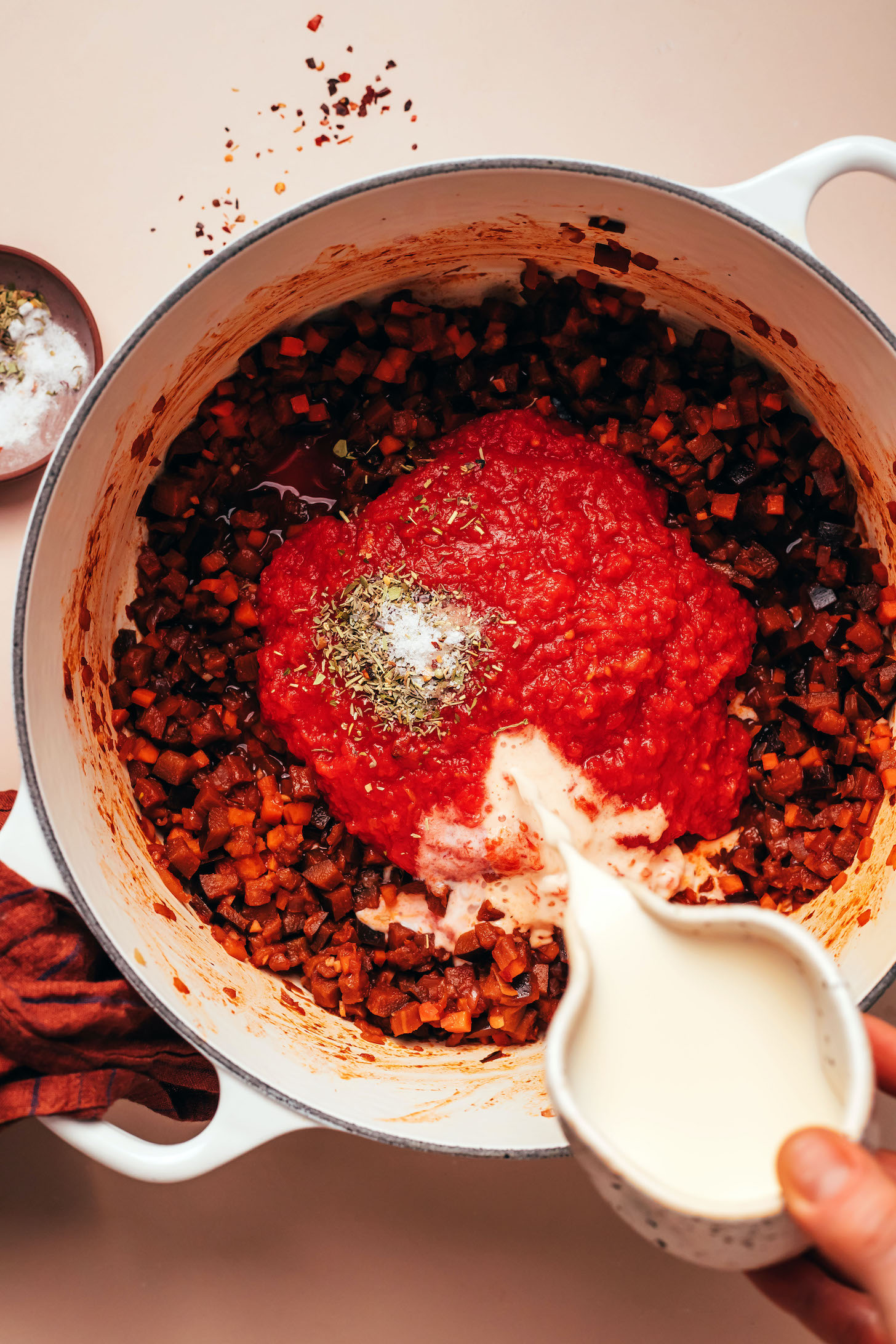
Subsequent steps involve deglazing the pan with red wine, which lifts caramelized residues from the bottom of the pot and introduces acidity to balance the dish. Garlic and red pepper flakes add aromatic warmth and mild heat. The sauce is then built through the incorporation of crushed tomatoes and tomato paste for brightness, followed by a modest addition of dairy-free milk—specifically a homemade cashew milk—to mimic the traditional inclusion of dairy in authentic Bolognese recipes, imparting a subtle creaminess without overpowering the tomato profile. Dried basil and oregano, along with sea salt and a touch of maple syrup to neutralize tomato acidity, complete the seasoning matrix.
Nutritional Profile and Dietary Flexibility
From a nutritional standpoint, the eggplant bolognese offers a balanced macronutrient and micronutrient profile that aligns with health-conscious dietary patterns. Standard nutritional data calculated for a single serving of the base recipe indicates an energy content of approximately 284 calories, alongside 31.9 grams of carbohydrates and 17.1 grams of fat, predominantly consisting of healthy monounsaturated fats derived from olive oil.
Crucially, the dish provides a substantial amount of dietary fiber—registering at 8.3 grams per serving—largely attributed to the high-fiber content of the eggplant, carrots, and tomatoes. The protein content sits at 6.6 grams per serving in its base form, though the publication notes that the recipe’s modular nature allows home cooks to easily increase protein metrics. Recommendations for protein enhancement include incorporating red lentils directly into the simmering sauce, pairing the dish with lentil-based pasta, or serving it alongside plant-based meatballs or traditional meat options depending on individual dietary preferences.
Furthermore, the recipe’s adaptability extends to allergen considerations. Naturally free of animal products and cholesterol, the dish can be paired with gluten-free pasta or polenta to accommodate individuals with celiac disease or non-celiac gluten sensitivities.
Preparation Timeline and Practical Application
Designed with efficiency in mind, the recipe requires a total time commitment of 45 minutes, divided into 15 minutes of active preparation and 30 minutes of passive cooking time.
- 0–15 Minutes (Preparation & Sautéing): Chopping vegetables, dicing the eggplant, and sautéing the onion, carrot, and eggplant base in a Dutch oven until properly softened and browned.
- 15–40 Minutes (Simmering): Incorporating the remaining liquid ingredients, aromatics, and spices, followed by a covered or partially covered simmer. While a 20-to-30-minute simmer is sufficient to meld the flavors and thicken the sauce through liquid evaporation, the recipe accommodates extended simmering periods of up to one hour for enhanced depth of flavor.
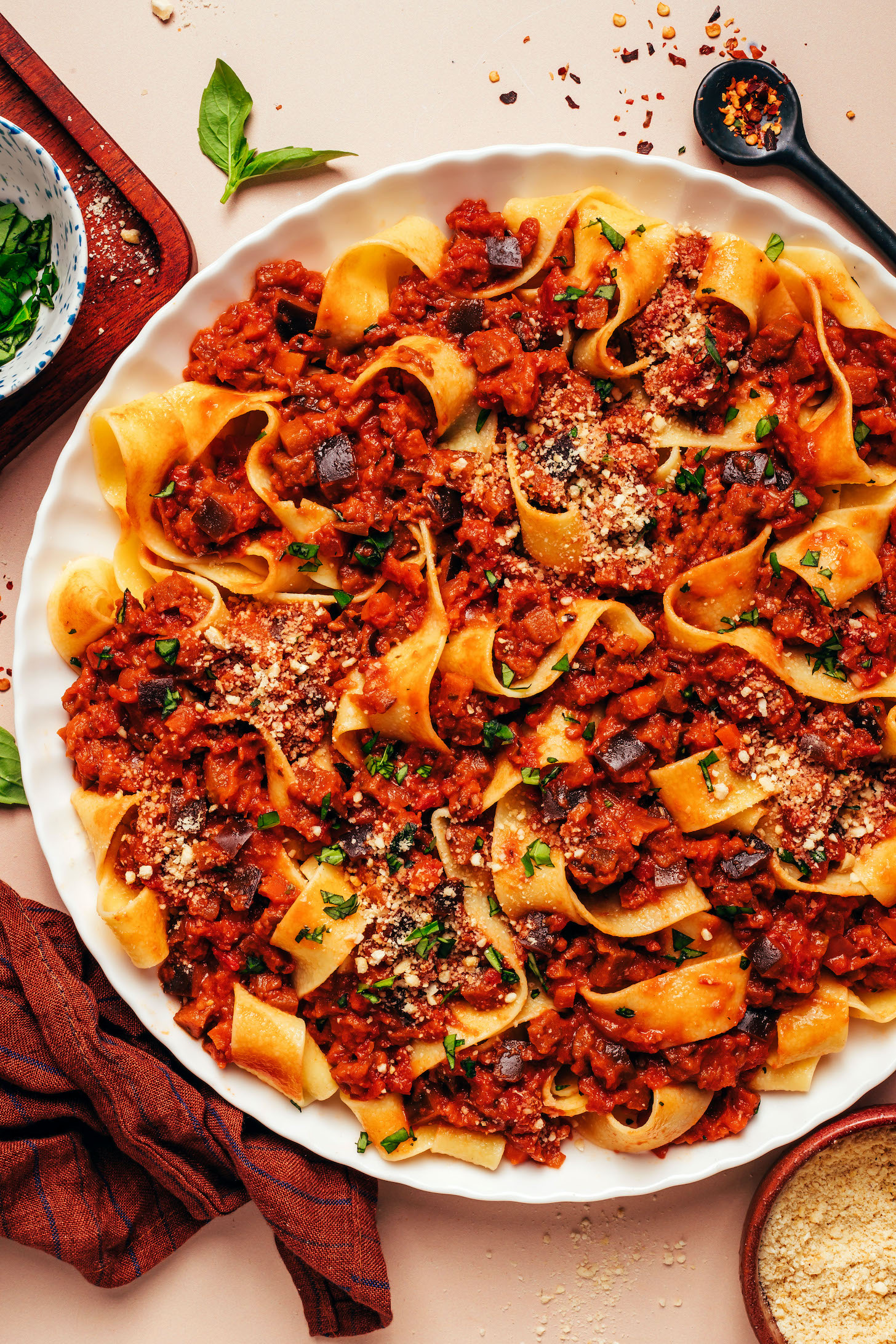
- 40–45 Minutes (Finishing & Serving): Adjusting seasoning, tossing with freshly boiled pasta, and applying optional garnishes such as fresh basil and homemade vegan parmesan cheese.
Storage and preservation guidelines add further practical value for meal-prep enthusiasts. The sauce maintains optimal quality when refrigerated in an airtight container for three to four days, and it remains freezer-friendly for up to one month, making it a viable option for batch cooking.
Broader Industry Impact and Market Trends
The release of the Easy Eggplant Bolognese reflects broader ongoing shifts within the digital food media landscape. As home cooking content continues to prioritize accessibility, speed, and inclusivity, recipes that bridge the gap between gourmet flavor and weeknight feasibility consistently capture high levels of audience engagement.
Food industry analysts note that plant-based comfort foods have transitioned from niche dietary alternatives to mainstream staples. By utilizing seasonal, widely available produce like eggplant—an ingredient cultivated extensively across global agricultural markets—recipe developers empower consumers to create restaurant-quality meals using minimal specialized equipment or hard-to-find ingredients.
As culinary platforms continue to monitor consumer search data and engagement metrics, dishes that successfully merge traditional cultural recipes with modern dietary modifications are expected to remain central to digital food publishing strategies. The positive reception of this latest iteration underscores the enduring public appetite for inventive, sustainable, and approachable home-cooked meals.