The Science of Nocturnal Micro-awakenings
For decades, sleep researchers have focused primarily on total sleep duration, sleep efficiency, and the presence of clinical disorders such as sleep apnea or insomnia. However, this study shifts the focus toward "micro-awakenings"—brief, transient shifts in brain activity that do not typically result in full consciousness or a memory of waking up. These occurrences, often lasting only a few seconds, can cause significant fragmentation of the sleep cycle.
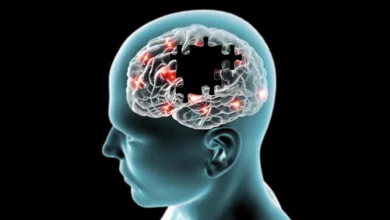
When a person experiences frequent micro-awakenings, the brain’s ability to transition smoothly through the stages of non-REM and REM sleep is interrupted. In the context of neurodegeneration, these interruptions are not merely nuisances; they represent a potential breakdown in the body’s glymphatic system—the brain’s unique waste-clearance mechanism that is most active during deep, uninterrupted sleep. When this process is repeatedly disrupted, metabolic byproducts, including amyloid-beta and tau proteins—the hallmarks of Alzheimer’s disease—may not be adequately cleared from the brain’s interstitial spaces.
Methodology and Cohort Analysis
The research team, led by scientists at the GIGA Institute at the University of Liège, conducted a comprehensive analysis involving more than 500 healthy individuals. The cohort was intentionally diverse in age, split between a group of young adults aged 18 to 31 and a group of middle-aged adults aged 50 to 69.
To determine the participants’ predisposition to Alzheimer’s, the researchers calculated polygenic risk scores (PRS). A polygenic risk score is a sophisticated statistical tool that aggregates the combined effects of numerous genetic variants across an individual’s genome to estimate their inherited vulnerability to a specific condition. By cross-referencing these genetic scores with high-resolution sleep data, the team discovered a clear statistical correlation: middle-aged adults with higher polygenic risk scores exhibited a statistically significant increase in the frequency of nocturnal micro-awakenings. Interestingly, this correlation was not observed in the younger cohort, suggesting that the physiological manifestation of genetic risk through sleep disruption becomes more pronounced as the brain ages and moves closer to the window of clinical risk.
The Role of the Locus Coeruleus
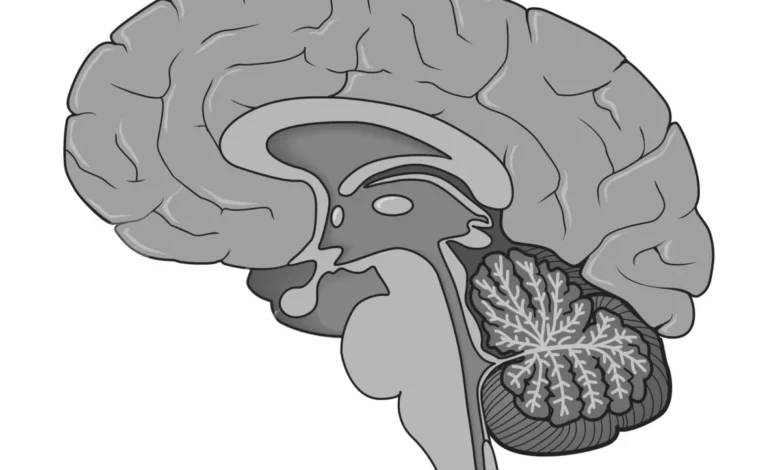
A critical component of this study involves the investigation of the locus coeruleus, a small, densely packed nucleus located in the brainstem. The locus coeruleus is the primary source of norepinephrine in the brain and plays a pivotal role in the regulation of arousal, attention, and the sleep-wake cycle.
Pathological evidence from previous longitudinal studies has indicated that the locus coeruleus is often one of the first sites in the central nervous system to show signs of neurodegenerative protein accumulation—sometimes occurring decades before a patient presents with memory loss or cognitive decline. By integrating this understanding with the observed sleep patterns, the University of Liège researchers posit that the micro-awakenings may be a direct downstream effect of early-stage, sub-clinical degradation within the locus coeruleus. This suggests that the sleep disturbances are not just a symptom of the disease, but a functional consequence of the earliest biological changes occurring within the brain.
Chronology of Sleep and Neurodegeneration Research
The path to this discovery has been marked by a decade of evolving understanding regarding the brain’s "night shift":
- 2012: Researchers define the glymphatic system, revealing that the brain clears waste products like amyloid-beta primarily during sleep.
- 2015-2018: Longitudinal studies begin to establish that chronic sleep deprivation or fragmentation is associated with increased amyloid-beta plaque deposition in the brains of healthy older adults.
- 2020-2023: Advances in wearable technology and home-based polysomnography allow for larger-scale studies, moving beyond the limitations of expensive, clinical-setting sleep studies.
- 2025: The current study published in Sleep provides the first robust evidence linking genetic risk scores to specific micro-awakening frequencies in mid-life, providing a predictive marker that does not rely on invasive lumbar punctures or expensive PET scans.
Official Responses and Expert Commentary
The implications of these findings have been met with guarded optimism from the scientific community. Puneet Talwar, a researcher at the GIGA ULiège laboratory, emphasized the importance of taking these brief sleep interruptions seriously. "These micro-awakenings are therefore not insignificant," Talwar noted in an official release. "Certain profiles could promote the accumulation of proteins involved in Alzheimer’s disease and be associated with increased vulnerability."
Gilles Vandewalle, co-director of the GIGA CRC In Vivo Imaging technology platform, highlighted the significance of the locus coeruleus. "This region is difficult to observe, but it appears to play a role in the early mechanisms linked to the disease," he stated. "Sleep could become an accessible marker for the early identification of vulnerable individuals."
Lucie Leroux, head of French-speaking activities at the Stop Alzheimer’s Foundation, which supported the research, framed the study as a shift in therapeutic potential. "This research shows that sleep is not only an indicator of health, but also a potential lever for intervention," Leroux said. By targeting sleep quality through lifestyle adjustments or therapeutic interventions, there may be a window of opportunity to slow or prevent the progression of protein accumulation in at-risk individuals.
Broader Implications for Healthcare
The potential to use sleep architecture as a biomarker represents a significant departure from traditional diagnostic methods. Currently, the diagnosis of Alzheimer’s disease often occurs only after symptoms have become clinically apparent, at which point significant neuronal damage has already occurred. If sleep analysis can be refined into a standard screening tool, it could offer a non-invasive, cost-effective method for identifying "pre-symptomatic" patients.
However, the researchers are careful to underscore the limitations of the current findings. These results are statistical associations rather than diagnostic certainties. A high frequency of micro-awakenings can be caused by a variety of factors, including caffeine intake, stress, ambient noise, or other non-neurodegenerative sleep disorders. Therefore, these findings cannot, at present, predict an individual’s future disease trajectory with total accuracy.
Future Directions for Research
Moving forward, the scientific community is expected to focus on two major areas. First, longitudinal studies are required to track these individuals over several decades to determine if those with higher micro-awakening frequencies and higher polygenic risk scores actually develop cognitive decline at a higher rate. Second, the development of artificial intelligence-driven analysis of sleep data will be crucial. AI algorithms are currently being trained to distinguish between "normal" sleep fragmentation and the specific patterns associated with early neurodegeneration.
Furthermore, the integration of wearable devices—such as smartwatches and rings that track heart rate variability and movement—could facilitate the collection of massive datasets. By monitoring millions of nights of sleep, researchers may be able to refine the definition of a "neuro-protective sleep pattern" versus a "neuro-degenerative sleep pattern."
Conclusion
The study conducted at the University of Liège serves as a vital reminder that the brain is never truly "at rest" while we sleep. Instead, it is engaged in a complex, vital process of maintenance and repair. When this process is interrupted, even in ways that the conscious mind does not perceive, the long-term health of the brain may be compromised. While further research is essential, the link between nocturnal micro-awakenings and genetic risk factors for Alzheimer’s provides a new, tangible target for both early detection and potential intervention, marking a significant step forward in the quest to combat neurodegenerative diseases.