New Clinical Study Reveals Cannabis Compound THC Significantly Reduces Severe PTSD Nightmares and Restores Sleep for Trauma Survivors

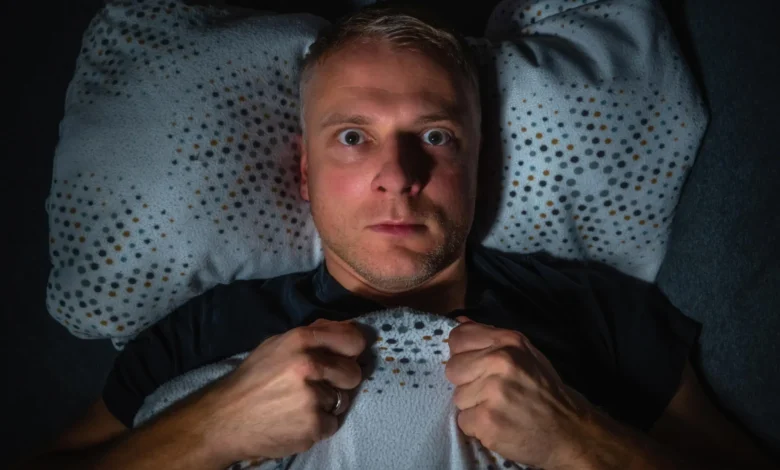
For millions of individuals living with post-traumatic stress disorder (PTSD), the descent into darkness each night brings a terrifying return to the most traumatic moments of their lives. Whether stemming from military combat, violent assaults, severe accidents, or catastrophic natural disasters, the condition frequently manifests through vivid, debilitating nightmares. During these nocturnal episodes, patients often feel as though they are physically and emotionally reliving the original trauma in real time. This persistent reactivation of fear circuitry leads to profound sleep deprivation, chronic exhaustion, and, in many cases, a debilitating psychological dread of going to bed.
Conventional therapeutic interventions—ranging from trauma-focused psychotherapies to standard pharmacological treatments like antidepressants and blood pressure-lowering agents—frequently offer limited relief specifically for these treatment-resistant nightmares. In response to this persistent clinical gap, a team of researchers at Charité – Universitätsmedizin Berlin launched a groundbreaking investigation to determine whether a prescription drug containing tetrahydrocannabinol (THC), the primary psychoactive constituent of cannabis, could provide a viable pharmacological solution. The findings, recently published in the esteemed scientific journal Nature Medicine, demonstrate that more than half of the trial participants responded positively to the treatment, with over a third reporting that their debilitating nightmares vanished completely.
The Complex Pathology of Trauma-Related Nightmares
The psychological and physiological ramifications of a life-threatening or terrifying event often persist long after physical safety has been restored. In individuals diagnosed with PTSD, the brain’s intricate mechanisms for processing and integrating overwhelming experiences become severely disrupted. Rather than being filed away as a past occurrence, traumatic memories are frequently stored in a fragmented, hyper-accessible state. This dysfunction prevents the brain from properly contextualizing the memory, causing it to intrude involuntarily upon the individual’s consciousness without conscious control or warning.
This pathological intrusion occurs across the entire sleep-wake cycle. During the day, triggers can prompt sudden flashbacks, hypervigilance, and acute anxiety. At night, the breakdown of normal emotional processing during sleep results in recurrent nightmares where the trauma is relived until the individual awakens in a state of sheer panic and physiological distress.
While psychiatrists and neurologists routinely prescribe selective serotonin reuptake inhibitors (SSRIs), serotonin-norepinephrine reuptake inhibitors (SNRIs), and alpha-1 adrenergic receptor antagonists like prazosin to manage general PTSD symptoms, their efficacy against trauma-related nightmares remains inconsistent at best. Furthermore, many European jurisdictions, including Germany, have historically lacked an approved pharmaceutical agent specifically indicated for the mitigation of trauma-induced nightmares. This regulatory and therapeutic vacuum has left clinicians searching for novel interventions capable of targeting the specific neurobiological pathways underlying nocturnal trauma symptoms.
The Endocannabinoid System and the Role of THC
To explore alternative pharmacological pathways, Prof. Stefan Röpke, a leading researcher in trauma-related disorders at the Department of Psychiatry and Neurosciences on the Benjamin Franklin Campus of Charité, spearheaded a collaborative investigation alongside multi-institutional research partners. The team focused their scientific inquiry on tetrahydrocannabinol (THC) due to its unique pharmacological interaction with the human body’s endocannabinoid system (ECS).
The endocannabinoid system is a sprawling neuromodulatory network that plays a foundational role in regulating a vast array of physiological and cognitive processes, including mood, appetite, pain sensation, inflammatory responses, stress adaptation, and sleep architecture. Crucially, the ECS is heavily involved in the extinction of fear memories and the regulation of emotional processing during sleep.
Prof. Röpke elaborates on the underlying neurobiological mechanisms: "There is compelling evidence suggesting that during REM sleep—the intense, highly active dream phases in which the brain processes waking experiences and regulates complex emotions—THC reduces excessive dream activity and thereby alleviates nocturnal stress responses." By modulating cannabinoid receptors within the central nervous system, THC appears to dampen the hyperactive neural signaling that drives vivid, distressing dream states in trauma survivors.
Chronology and Methodology of the Clinical Trial
The execution of this clinical trial occurred against the backdrop of shifting regulatory frameworks regarding medical cannabis in Europe. In Germany, legislative changes enacted in 2017—specifically the "Cannabis for Medical Purposes" law—significantly streamlined patient access to cannabinoid-based therapies and catalyzed clinical research into plant-derived and synthetic cannabinoids. This legal evolution provided the necessary framework for rigorous, academic-led trials assessing cannabinoid therapeutics.
To test the efficacy and safety profile of THC on PTSD nightmares, the research team utilized Dronabinol, a pure, pharmaceutical-grade formulation of synthetic THC administered in liquid drop form. The study was structured as a rigorous, ten-week, double-blind, placebo-controlled trial—widely considered the gold standard in clinical research. Neither the trial participants nor the attending healthcare professionals knew who was receiving the active medication versus an identical cannabis-flavored placebo.
The study enrolled more than 170 clinical participants who met strict diagnostic criteria for PTSD and suffered from frequent, severe, and treatment-resistant nightmares. Over the course of ten weeks, participants administered their assigned drops each evening prior to sleep, systematically logging their symptoms, sleep quality, and nightmare frequency.
Clinical Findings and Quantitative Outcomes
Upon the conclusion of the ten-week intervention period, data analysis revealed a statistically significant reduction in nightmare severity among participants treated with Dronabinol compared to those in the placebo cohort. Researchers utilized a standardized clinical scale ranging from zero to eight to quantify nightmare burden.
The quantitative results demonstrated that participants taking Dronabinol experienced an average drop of 3.7 points on the nightmare burden scale. In contrast, the placebo group registered an average decrease of 2.2 points. While a difference of 1.5 points may appear modest numerically, it translated into a profound, life-altering qualitative difference for the patients involved, many of whom had endured years of chronic sleep deprivation.
"More than a third of the patients treated with Dronabinol reported that they no longer experienced any nightmares after ten weeks," Prof. Röpke noted when detailing the trial outcomes. "Another 21 percent reported that their nightmare burden had been at least halved. Furthermore, about five out of six patients in the dronabinol group felt their overall health had markedly improved."
Despite these dramatic improvements in sleep and nightmare frequency, the clinical data indicated that Dronabinol’s therapeutic action was relatively localized. The cannabinoid did not produce statistically significant reductions in the overall clinical severity of the underlying PTSD diagnosis, nor did it directly alleviate concurrent symptoms of major depressive disorder. Nevertheless, by effectively interrupting the nightly cycle of traumatic reliving, the treatment granted participants restorative sleep that had eluded them for years.
Safety Profile, Side Effects, and Dependency Risk
In clinical psychopharmacology, the introduction of psychoactive compounds often raises concerns regarding potential adverse events, cognitive impairment, and chemical dependence. However, the safety data collected during the Charité trial provided reassuring results for the medical community.
The administration of Dronabinol did not result in any severe adverse events. While mild to moderate side effects—such as transient dizziness, mild headaches, and an increase in appetite—occurred more frequently in the Dronabinol group than in the placebo group, these symptoms were generally well-tolerated by participants and did not necessitate discontinuation of the trial.
Importantly, researchers monitored participants closely for signs of chemical dependence or withdrawal symptoms. Upon the conclusion of the ten-week study, when participants abruptly ceased their evening doses of the medication, the research team observed no evidence of withdrawal symptoms or compulsive drug-seeking behavior.
Broader Implications and Future Research Directions
The successful completion and publication of this trial mark a significant milestone in the pharmacological management of post-traumatic stress disorder. By demonstrating that targeted cannabinoid intervention can safely and effectively neutralize treatment-resistant nightmares, the study opens new avenues for psychiatric care.
As health systems worldwide grapple with the long-term mental health consequences of global conflicts, natural disasters, and interpersonal violence, the demand for effective trauma interventions has never been higher. The findings from Charité suggest that cannabinoid-based medicines could soon transition from alternative or last-resort therapies into mainstream clinical guidelines for specific symptom clusters in PTSD.
Nevertheless, scientific inquiry continues to evolve. Research teams across Europe are already planning follow-up studies to evaluate the long-term safety and sustained efficacy of Dronabinol over extended treatment periods spanning several months or years. A critical question remaining for clinical researchers is whether patients will eventually develop a physiological tolerance to THC over prolonged use, potentially diminishing its therapeutic impact over time.
The collaborative research initiative was led and initiated by Charité – Universitätsmedizin Berlin, with critical scientific contributions from the Psychiatric University Clinic of Charité at St. Hedwig Hospital, the University Medical Center Hamburg-Eppendorf, and the Central Institute for Mental Health in Mannheim. Financial and logistical support for the scientific undertaking was provided by pharmaceutical enterprise Bionorica SE, underscoring the vital synergy between academic medical research and private-sector pharmaceutical development in advancing modern mental healthcare.