The partnership between Beacon Biosignals, a leader in AI-enhanced neurotechnology, and Project Sleep, a prominent patient-advocacy non-profit, marks a strategic effort to address the systemic failures in diagnosing hypersomnolence disorders. By merging advanced algorithmic analysis of brain activity with deep, community-based patient advocacy, the two organizations aim to bridge the chasm between the onset of symptoms and the receipt of an accurate medical diagnosis—a journey that currently spans more than a decade for many individuals.
The Crisis of Diagnostic Delay
For individuals living with rare sleep disorders such as idiopathic hypersomnia (IH) and narcolepsy, the path to a diagnosis is frequently characterized by years of medical uncertainty. Data published in the Journal of Sleep Research indicates that the average diagnostic odyssey for patients with idiopathic hypersomnia ranges between eight and 11 years. Similarly, those suffering from narcolepsy type 1 often endure wait times of four to 11 years before receiving clinical confirmation.
This extensive delay is not merely an administrative inconvenience; it is a clinical failure that carries significant life-altering consequences. During these protracted periods, patients are frequently misdiagnosed with primary psychiatric conditions, most notably major depressive disorder or generalized anxiety. In other instances, the presence of comorbid conditions—such as obstructive sleep apnea—can mask the underlying neurological cause, leading physicians to focus on secondary symptoms while the core pathology remains untreated.
The toll of this delay extends into every facet of the patient’s life. Prolonged, untreated sleep disorders impede academic performance, diminish workplace productivity, and erode the fundamental quality of life. By the time a correct diagnosis is reached, many patients have already suffered irreparable damage to their career trajectories and personal relationships.
The Technological and Advocacy Synergy
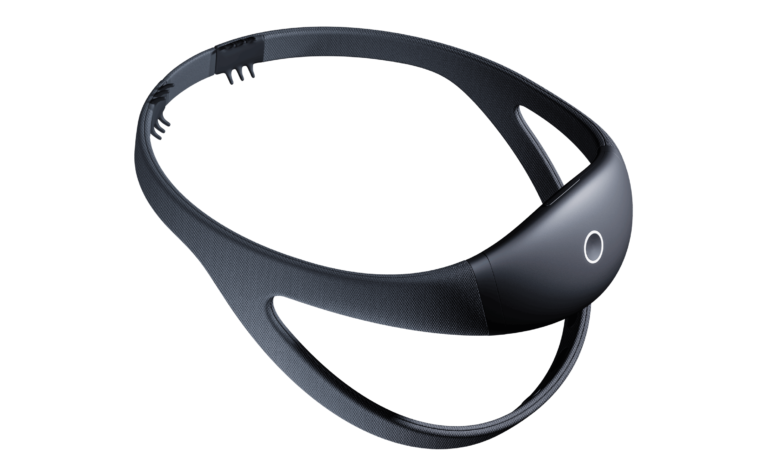
Beacon Biosignals utilizes high-fidelity EEG data and machine learning to analyze neurological signatures that are often imperceptible during standard clinical evaluations. By integrating this technology with a national home sleep testing network, the company seeks to provide more objective, data-driven insights into sleep patterns.
However, technology alone cannot solve the "human" side of the diagnostic equation. Project Sleep, founded by Julie Flygare, has spent over a decade fostering a community of patients, clinicians, and researchers. By providing a platform for those with lived experience, the organization ensures that the development of diagnostic tools remains grounded in the actual needs and pain points of the patient population.
The partnership is designed to function as a two-way conduit. Beacon provides the technical infrastructure—AI tools and diagnostic networks—while Project Sleep provides the necessary "human-in-the-loop" validation. Through joint patient focus groups, the organizations will solicit structured feedback from patients and caregivers, ensuring that the technology being developed is accessible, relevant, and supportive of the patient’s clinical journey.
Chronology of the Initiative
The collaboration is not merely a theoretical framework but an actionable roadmap with immediate milestones. The timeline for this initiative is as follows:
- Foundation Phase: Over the past decade, Project Sleep has curated a network of advocates and research participants, while Beacon Biosignals has developed its proprietary EEG-based diagnostic platforms.
- Strategic Alignment: The organizations identified a mutual gap in the current clinical research pipeline: the lack of direct patient input during the design of diagnostic protocols.
- Official Launch: The partnership was formalized in late 2024 to address the chronic diagnostic delays in hypersomnia and narcolepsy care.
- Initial Engagement: The collaboration officially commences its public-facing work at the 7th annual Sleep Advocacy Forum in Washington, D.C., on October 26.
- Research Integration: Following the forum, the organizations will begin conducting structured focus groups to refine the home sleep testing experience, with data from these groups intended to influence clinical trial recruitment strategies in 2025 and beyond.
Official Perspectives
Jacob Donoghue, MD, PhD, CEO of Beacon Biosignals, emphasized the necessity of bridging the gap between advanced technology and community trust. "Improving patients’ lives is central to Beacon’s mission," Donoghue stated. "Project Sleep has spent more than a decade building trust in this community and amplifying patient voices. Working alongside them enables us to use our technology to find and treat people with disorders of hypersomnia sooner."
Julie Flygare, JD, president and CEO of Project Sleep, highlighted the shift in the patient-researcher dynamic. "Our community has always been ready to participate in research and to help solve the diagnostic delay that so many of us lived through," Flygare said. "What has been missing is a way to relay those insights to the people building diagnostic tools and novel therapeutics. This partnership creates that link, and it treats patients as contributors rather than subjects."
Implications for Clinical Research and Healthcare
The broader implications of this partnership are significant for the field of sleep medicine. By integrating patient feedback directly into the development of diagnostic tools, Beacon and Project Sleep are challenging the traditional, top-down approach to clinical research.
- Reduction in Misdiagnosis: By utilizing AI to identify neuro-signatures that distinguish hypersomnia from psychiatric symptoms, the partnership aims to provide clinicians with a more objective toolset, potentially reducing the rate of initial misdiagnosis.
- Clinical Trial Enrollment: One of the most persistent hurdles in rare disease research is the identification and enrollment of eligible patients. By leveraging Project Sleep’s community, Beacon can accelerate the pace of clinical research, bringing new therapeutics to market more efficiently.
- Patient Empowerment: By treating patients as "contributors," the partnership fosters a sense of agency within a population that has historically felt sidelined by the medical establishment. This model of patient-partnered innovation is increasingly becoming the gold standard in rare disease advocacy.
- Data-Driven Advocacy: The structured input gathered from focus groups will serve as a valuable dataset for policymakers and insurance providers, who often require evidence-based justification to expand coverage for advanced home-based diagnostic technologies.
Future Outlook
As the partnership moves forward, the success of the collaboration will be measured by its ability to shorten the "time-to-diagnosis" metric. While the initial focus remains on idiopathic hypersomnia and narcolepsy, the framework established by Beacon and Project Sleep could serve as a blueprint for other rare diseases characterized by long diagnostic delays.
The upcoming Sleep Advocacy Forum will serve as the first public test of this collaborative model. As stakeholders from the industry, academia, and patient advocacy sectors convene, the focus will remain on the practical application of these tools: how to move from a diagnosis of "unknown" to a diagnosis of "clear" in the shortest time possible.
In the rapidly evolving landscape of neurotechnology, this partnership represents a pivot toward a more patient-centric future. By combining the precision of machine learning with the nuanced, lived experience of the patient community, Beacon Biosignals and Project Sleep are setting a precedent for how medical technology should be designed, tested, and implemented in the 21st century. The ultimate goal remains clear: to ensure that when a patient voices their symptoms, the response is not a cycle of misdiagnosis, but a direct, technologically-supported path to clinical answers and effective care.