Parasomnias represent a complex and often misunderstood category of sleep disorders characterized by abnormal physical behaviors, emotions, or perceptions that occur while an individual is falling asleep, sleeping, or transitioning into a wakeful state. While the internet has popularized these phenomena through viral videos of "sleep-performers," the medical reality is far more sobering. These conditions are not merely curious nighttime habits; they are legitimate neurological and physiological disruptions that can significantly impair quality of life, pose physical safety risks, and sometimes serve as early warning signs of underlying medical issues.
Defining the Spectrum of Parasomnias
At their core, parasomnias are dissociative states where the brain experiences a "glitch" in the transition between sleep stages. During a typical night, the human brain cycles through non-rapid eye movement (NREM) sleep and rapid eye movement (REM) sleep. Parasomnias occur when this orderly progression is interrupted, resulting in a state where parts of the brain remain "asleep" while others "wake up" to control motor functions.
Clinicians typically divide these disorders into two primary categories: NREM-related parasomnias and REM-related parasomnias. NREM parasomnias—which include sleepwalking (somnambulism), sleep terrors, and confusional arousals—generally occur during the deeper stages of sleep, typically early in the night. Conversely, REM-related parasomnias, most notably REM Sleep Behavior Disorder (RBD), occur during the stage of sleep associated with vivid dreaming.
The Mechanisms of NREM Parasomnias: A "Perfect Storm"
NREM parasomnias are frequently described by sleep specialists as a result of a "perfect storm" of biological and environmental triggers. When an individual is in slow-wave sleep, their brain is in a state of deep recovery. However, if the brain is forced into a partial arousal state, the motor cortex may activate while the prefrontal cortex—the area responsible for judgment, memory, and impulse control—remains inactive.
Several factors contribute to this phenomenon:
- Sleep Deprivation: A chronic lack of sleep increases "sleep pressure," leading to deeper and more fragmented slow-wave sleep, which lowers the threshold for an accidental arousal.
- Stress and Anxiety: Elevated cortisol levels can disrupt the continuity of sleep cycles, making the transition between stages erratic.
- Medications and Substances: Certain sedative-hypnotics, antidepressants, and even over-the-counter antihistamines can alter the architecture of sleep, sometimes inducing paradoxical reactions.
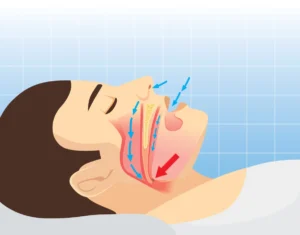
- Underlying Medical Conditions: Obstructive sleep apnea, restless legs syndrome, and fevers are frequent triggers that "jolt" the brain out of deep sleep, causing the physical manifestations seen in sleepwalkers.
REM Sleep Behavior Disorder: Beyond Nightmares
While NREM parasomnias are often associated with confusion, REM Sleep Behavior Disorder (RBD) is defined by its intensity and violent potential. Under normal circumstances, the brain induces a state of muscle atonia (paralysis) during the REM cycle to prevent humans from acting out their dreams. In individuals with RBD, this protective mechanism fails.
Patients with RBD may physically respond to their dreams—which are frequently aggressive or active—by punching, kicking, jumping out of bed, or shouting. Unlike sleepwalking, where the individual is usually in a dreamless, confused state, RBD patients can often recount vivid, terrifying dreams upon waking.
The clinical significance of RBD cannot be overstated. Recent longitudinal studies have indicated that RBD is a powerful predictor of future neurodegenerative conditions. Research suggests that a significant percentage of individuals diagnosed with idiopathic RBD will eventually develop Parkinson’s disease, Lewy body dementia, or multiple system atrophy. Consequently, neurologists now view RBD as a potential "prodromal" or early-stage marker of these diseases, often appearing years or even decades before the motor symptoms of Parkinson’s manifest.
Supporting Data and Prevalence
The prevalence of these disorders varies significantly by age and type. According to data from the American Academy of Sleep Medicine, sleepwalking is most common in children, with an estimated 15% to 40% of children experiencing at least one episode of sleepwalking, usually outgrowing it by adolescence. In contrast, adult-onset parasomnias are less common and often indicate an underlying pathology, such as a side effect of medication or an undiagnosed neurological condition.
RBD, meanwhile, is more frequently diagnosed in men over the age of 50. While the exact global prevalence remains difficult to pinpoint due to underreporting, clinical estimates suggest that approximately 0.5% to 2% of the general population may be affected. The physical danger posed by these events is significant; sleep studies have documented incidents of individuals sustaining fractures, lacerations, or even jumping through windows during episodes, highlighting the necessity for environmental safety measures in the bedrooms of affected patients.
Chronology of Medical Understanding
The medical community’s understanding of parasomnias has evolved from historical myths—often attributed to witchcraft or supernatural possession in earlier centuries—to modern neurobiological inquiry.
- 1960s–1970s: The advent of polysomnography allowed researchers to map brain waves during sleep, providing the first objective evidence that sleepwalking occurred during NREM sleep.
- 1986: Dr. Mark Mahowald and Dr. Carlos Schenck formally described REM Sleep Behavior Disorder, differentiating it from other sleep-related movements and establishing the link between REM-atonia failure and synucleinopathies (a group of neurodegenerative disorders).
- 2010s–Present: The focus has shifted toward the diagnostic value of parasomnias. The current medical consensus emphasizes that a "sleep-only" approach is insufficient; instead, sleep specialists now collaborate with neurologists to screen for early signs of neurodegeneration in older adults presenting with RBD.
Clinical Management and Safety
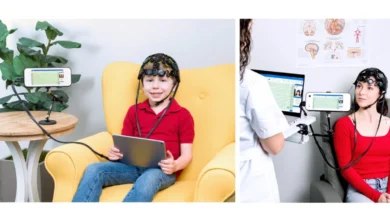
For those suffering from persistent parasomnias, the first step in management is a thorough sleep study (polysomnography). This diagnostic procedure monitors brain waves, oxygen levels, heart rate, and muscle activity to rule out other disturbances like sleep apnea.
Treatment protocols are highly individualized. For NREM parasomnias, focus is placed on "sleep hygiene": ensuring adequate sleep duration, managing stress, and eliminating environmental triggers. If the parasomnia is a side effect of a specific medication, physicians may adjust dosages or switch the patient to an alternative. For RBD, clinicians often prescribe low-dose melatonin or clonazepam to help manage the muscle movements during REM sleep.
Safety-proofing the sleeping environment is a non-negotiable aspect of treatment. This includes installing locks on doors and windows, removing sharp objects or trip hazards, and in extreme cases, utilizing floor-level mattresses or protective padding to prevent injury during an episode.
Broader Implications and Societal Impact
The rise of "parasomnia content" on social media platforms presents a unique societal paradox. While these videos raise awareness of the conditions, they also risk trivializing the clinical gravity of the disorders. When a sleepwalking episode is filmed for entertainment rather than analyzed for clinical insight, the patient’s privacy and the seriousness of their health condition are compromised.
The medical community urges the public to view these behaviors as symptomatic of a broader health imbalance. Parasomnias are rarely an isolated incident in an otherwise perfectly healthy person; they are almost always a signal from the body that the sleep-wake cycle is failing. Whether it is an adult struggling with the violent motor outbursts of RBD or a child suffering from chronic sleep terrors, the implications for long-term health are substantial.
As research continues to integrate sleep medicine with neurology, the study of parasomnias promises to offer deeper insights into the human brain’s restorative processes. By shifting the narrative from one of curiosity to one of clinical vigilance, patients can access the care they need, potentially catching neurological conditions in their earliest, most treatable stages. Understanding these disorders is not just about ensuring a quiet night’s sleep—it is a vital component of holistic preventative medicine.