Effective Yoga Stretches for Neck and Shoulder Tension Relief and Long-Term Mobility

Neck and shoulder tension has emerged as a pervasive public health concern in the modern era, as sedentary work habits and the ubiquitous use of personal technology have fundamentally altered human posture. Recent data from the Occupational Safety and Health Administration (OSHA) indicates that musculoskeletal disorders, particularly those affecting the neck and upper extremities, account for a significant portion of work-related injuries, often resulting in lost productivity and chronic discomfort. As individuals spend an average of seven to ten hours daily in static, forward-leaning positions—a phenomenon frequently described by clinicians as "tech neck"—the cumulative stress on the cervical spine and trapezius muscles has reached a critical threshold.
The physiological consequences of these repetitive patterns are well-documented. When the head drifts forward, the neck’s natural curvature is compromised. Given that the average adult human head weighs between 10 and 12 pounds, a forward shift of even two or three inches can increase the effective load on the cervical spine by up to 30 pounds. Over time, this mechanical strain leads to muscle fatigue, decreased range of motion, and a cycle of inflammation that radiates from the base of the skull down to the thoracic spine.
The Chronology of Modern Musculoskeletal Strain
The shift toward sedentary, screen-dependent living accelerated rapidly following the widespread adoption of smartphones in the late 2000s and reached a peak during the global transition to remote work environments in 2020. Before this era, physical strain was largely associated with heavy labor; today, it is primarily associated with static loading.

In the early stages, symptoms may manifest as occasional tightness or minor stiffness at the end of a workday. However, without intervention, these symptoms often progress to tension headaches, shoulder impingement, and thoracic outlet syndrome. Clinical research published in journals of physical therapy suggests that this trajectory is preventable through consistent, low-impact therapeutic movement. Yoga, when applied as a corrective modality rather than merely an exercise, addresses both the muscular shortening and the nervous system dysregulation that accompanies chronic pain.
Why Mindful Movement Serves as a Clinical Intervention
The efficacy of yoga for upper-body tension lies in its dual approach: mechanical elongation and parasympathetic activation. When a muscle remains in a shortened state for prolonged periods, the connective tissue, or fascia, begins to adapt, effectively "locking" the muscle in a state of chronic contraction. Gentle, intentional stretching serves to rehydrate these tissues and signal the brain to release protective muscle guarding.
Simultaneously, controlled breathing techniques—a cornerstone of yogic practice—stimulate the vagus nerve. This physiological response shifts the body from a sympathetic state (the "fight or flight" mode often triggered by workplace stress) to a parasympathetic state (the "rest and digest" mode). By lowering cortisol levels, yoga reduces the systemic inflammation that often exacerbates muscle tightness.
Evidence-Based Stretches for Immediate Relief
Health professionals recommend a systematic approach to decompression, beginning with the lateral neck muscles and moving toward the deeper thoracic structures.
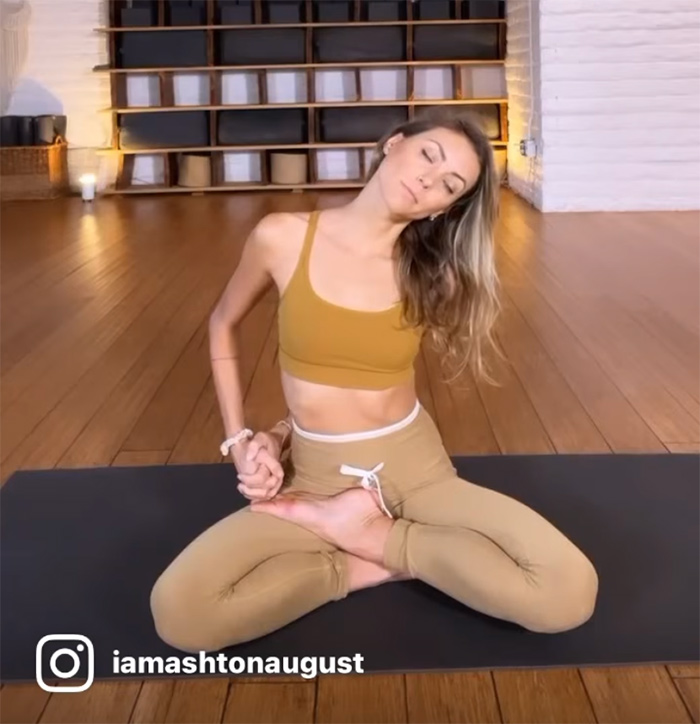
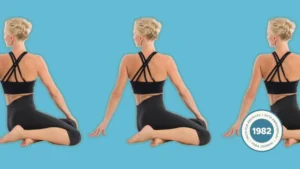
- The Lateral Cervical Release: By seating oneself comfortably and tilting the ear toward the shoulder while anchoring the opposite hand behind the back, an individual can isolate the sternocleidomastoid and trapezius muscles. This stretch is particularly effective for reversing the compression caused by side-sleeping or long hours of lateral neck strain.
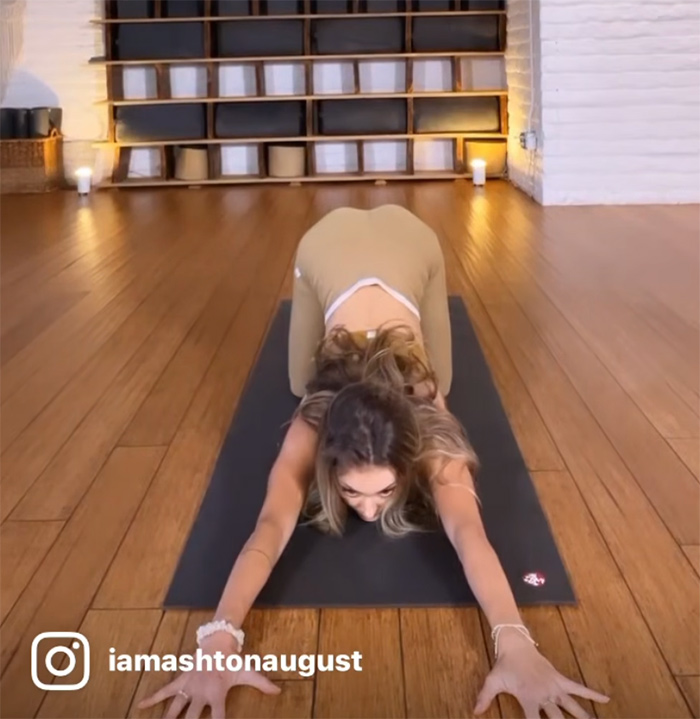
- The Puppy Pose with Cervical Tucking: This position serves as a modified inversion, allowing gravity to assist in opening the chest and shoulders. By tucking the chin, the practitioner engages the posterior cervical muscles, effectively counteracting the forward-head posture characteristic of desk work.
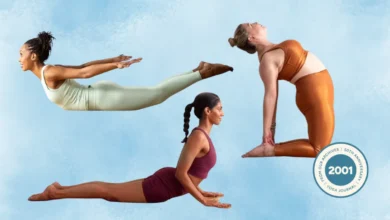
- Thoracic Rotation via Seal Pose: Using "tenting" of the fingers while performing rotational dips allows for controlled movement of the thoracic spine. This is critical because when the mid-back (thoracic spine) becomes stiff, the neck and lower back are forced to compensate, leading to secondary pain.
Expert Perspectives and Workplace Ergonomics
Ergonomics experts emphasize that movement is the only true antidote to static posture. Dr. Julianne Thorne, a consultant in workplace health, notes that "the human body was designed for intermittent movement, not for the eight-hour static hold required by modern corporate culture. The most effective strategy is the ‘micro-break’ model, where an individual performs 60 seconds of targeted mobility work for every 50 minutes of seated activity."
Beyond the specific poses, the broader implications of these interventions suggest a cultural shift toward proactive self-care. Organizations that have integrated "movement breaks" into their operational workflow report lower absenteeism and higher levels of employee satisfaction. This suggests that the normalization of gentle stretching—whether through yoga or standard physical therapy protocols—is a necessary evolution for the modern workplace.
Long-Term Strategies for Prevention
Achieving lasting relief requires consistency, not just occasional intervention. The "dosage" of movement is as important as the technique itself. A daily 10-minute routine is significantly more effective at preventing chronic issues than a single hour-long session once a week. This is because the goal is to maintain tissue pliability and prevent the accumulation of micro-trauma.
Furthermore, individuals are encouraged to analyze their environmental factors. This includes adjusting the height of computer monitors to eye level, using ergonomic chairs that support the lumbar curve, and practicing "posture awareness" to identify moments when the jaw is clenched or the shoulders are hunched toward the ears.
Implications for Public Health
The trend toward sedentary desk work shows no sign of reversing, making the integration of therapeutic movement into daily life an essential skill for the 21st-century individual. The financial burden of untreated chronic pain on the healthcare system is substantial, yet the cost-benefit analysis of preventative yoga and stretching is overwhelmingly positive. By empowering individuals with the tools to manage their own musculoskeletal health, we can reduce the reliance on pain management medications and invasive medical procedures.
In conclusion, the relief of neck and shoulder tension is not a passive process; it requires an active, mindful engagement with one’s own physical structure. While these yoga-based interventions are highly effective, they should be viewed as one component of a holistic health strategy. If pain is accompanied by numbness, tingling, or radiating weakness, it is imperative to seek a professional medical evaluation to rule out underlying nerve impingement or disc-related issues. For the majority of the population, however, the path to improved comfort begins with a commitment to daily, intentional movement, ensuring that the body remains as resilient and flexible as the challenges of modern life demand.