New Clinical Trial Reveals THC-Based Medication Significantly Reduces Severe PTSD Nightmares and Restores Sleep

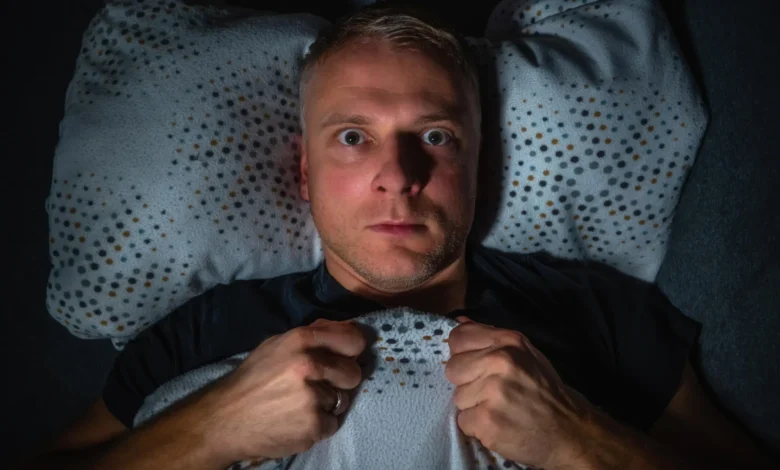
Post-traumatic stress disorder (PTSD) remains one of the most complex and debilitating psychiatric conditions confronting modern medicine. Triggered by harrowing events such as military combat, physical violence, catastrophic accidents, or natural disasters, PTSD leaves deep neurological and psychological scars that can persist indefinitely. Among the most distressing and treatment-resistant symptoms associated with the condition are recurrent, hyper-vivid nightmares. These nocturnal episodes do more than simply disturb sleep; they force individuals to psychologically relive their deepest traumas night after night, leading to chronic sleep deprivation, heightened daytime anxiety, and a pervasive dread of going to bed.
Conventional pharmacological interventions, including standard antidepressants and blood-pressure-lowering agents, often yield limited relief for these specific trauma-induced nocturnal disturbances. Recognizing this persistent clinical gap, a multidisciplinary team of researchers at Charité – Universitätsmedizin Berlin, in collaboration with several prominent German medical institutions, launched a landmark clinical investigation. Their objective was to evaluate whether Dronabinol—a prescription medication containing tetrahydrocannabinol (THC), the primary psychoactive compound found in cannabis—could safely and effectively alleviate PTSD-related nightmares.
The findings, published in the esteemed scientific journal Nature Medicine, mark a significant milestone in trauma research. More than half of the clinical trial participants who received the THC-based treatment responded positively, with over one-third reporting that their severe nightmares vanished entirely. This comprehensive report delves into the background of PTSD-induced sleep disorders, the pharmacological mechanisms of THC, the rigorous methodology of the recent German trial, the statistical outcomes, the safety profile of Dronabinol, and the broader implications of these findings for future psychiatric care.
Understanding the Mechanics of Trauma-Induced Nightmares
To comprehend the significance of the recent clinical trial, one must first understand how trauma alters neurological function. When an individual experiences a life-threatening or deeply terrifying event, the brain’s standard mechanisms for processing and storing memory can become overwhelmed. Rather than filing the event away as a static memory of the past, the brain frequently stores the emotional and sensory fragments in a way that allows them to resurface involuntarily.
This dysfunction is not limited to waking hours. During sleep, particularly within the rapid eye movement (REM) sleep phase—the period during which the brain typically processes experiences, consolidates memories, and regulates emotional responses—individuals with PTSD frequently experience acute hyperarousal. Instead of resting, the brain replays the traumatic event in vivid, terrifying detail. Sufferers wake up in states of absolute panic, drenched in sweat and suffering from elevated heart rates.
Over time, this chronic nocturnal disruption erodes a patient’s physical and mental health. Severe sleep deprivation impairs cognitive function, exacerbates mood disorders, and severely undermines a patient’s ability to engage in daily life or psychotherapy. Standard treatments for PTSD, such as selective serotonin reuptake inhibitors (SSRIs) and prazosin (a hypertension medication sometimes prescribed for nightmares), offer inconsistent results. In Germany, as in many other jurisdictions, there has historically been a distinct lack of FDA- or EMA-approved medications specifically indicated for trauma-related nightmares, leaving clinicians with few reliable tools to combat this specific symptom.
The Endocannabinoid System and the Role of THC
Faced with these therapeutic limitations, Prof. Stefan Röpke, a leading researcher in trauma-related disorders at the Department of Psychiatry and Neurosciences on the Benjamin Franklin Campus of Charité, sought alternative pathways for intervention. His team turned their attention to the human endocannabinoid system—a complex cell-signaling network that plays a foundational role in regulating a vast array of physiological and cognitive processes, including mood, appetite, pain sensation, sleep cycles, and the processing of emotional memories.
THC interacts directly with the cannabinoid receptors distributed throughout the central nervous system. This interaction suggested a promising therapeutic target for mitigating nocturnal stress responses. Explaining the underlying rationale of the study, Prof. Röpke noted that existing scientific evidence points to THC’s ability to modulate brain activity during REM sleep. "There is evidence suggesting that during REM sleep—the intense dream phases in which the brain processes experiences and regulates emotions—THC reduces dream activity and thereby alleviates nocturnal stress responses," he explained.
By dampening the hyperactive signaling pathways associated with fear and emotional memory retrieval during sleep, THC effectively acts as a biological brake on the brain’s tendency to catastrophize and replay traumatic episodes through dreams. This targeted intervention offered a compelling biological hypothesis that researchers set out to test in a controlled clinical environment.
Methodology and Chronology of the Clinical Trial
The integration of cannabis-based medicines into European healthcare has evolved significantly over the past decade. In Germany, legislative changes—specifically the "Cannabis for medical purposes" law enacted in 2017—substantially broadened the legal framework governing the medical and scientific utilization of cannabinoids, whether derived directly from the plant or produced synthetically. This legal and regulatory evolution paved the way for rigorous, institutional-backed clinical studies involving cannabinoid therapeutics.
To test the efficacy of THC on PTSD nightmares, the research consortium designed a rigorous, gold-standard clinical trial. The study was initiated and led by Charité, with active scientific collaboration from the Psychiatric University Clinic of the Charité at St. Hedwig Hospital, the University Medical Center Hamburg-Eppendorf, and the Central Institute for Mental Health in Mannheim. Financial and logistical support for the work was provided by the pharmaceutical company Bionorica SE.
The trial enrolled more than 170 adult participants who had been formally diagnosed with post-traumatic stress disorder and who suffered from frequent, severe, and disabling nightmares. Over a strict ten-week observation period, the participants were randomly assigned to receive either Dronabinol—administered as oral drops containing pure THC—or a cannabis-flavored placebo that was visually and organoleptically identical to the active medication.
To maintain scientific integrity, the trial utilized a double-blind, placebo-controlled design. Neither the patients nor the attending healthcare professionals and researchers knew who was receiving the active pharmaceutical ingredient and who was receiving the inert placebo until the trial concluded and the data was unmasked. Participants took their assigned drops each evening prior to retiring for the night, allowing researchers to monitor the direct impact of the compound on nocturnal symptoms.
Empirical Results and Statistical Findings
At the conclusion of the ten-week treatment period, the data revealed a statistically significant divergence between the two cohorts. Nightmare severity had declined substantially more among participants receiving Dronabinol compared to those in the placebo group.
Researchers measured symptom reduction using a standardized clinical scale ranging from zero to eight. Among participants taking Dronabinol, the average nightmare burden dropped by an impressive 3.7 points. In contrast, the placebo group experienced a more modest average decrease of 2.2 points. While a placebo effect is common in psychiatric and sleep-related clinical trials—often driven by patient expectation and regular medical contact—the statistically significant margin by which Dronabinol outperformed the placebo underscored the genuine pharmacological impact of the THC treatment.
The qualitative feedback from patients further reinforced the quantitative data. Prof. Röpke highlighted the clinical impact of these outcomes: "More than a third of the patients treated with Dronabinol reported that they no longer experienced any nightmares after ten weeks. Another 21 percent reported that their nightmare burden had been at least halved. And about five out of six patients in the dronabinol group felt their health had markedly improved."
For patients who had spent years enduring nightly psychological trauma, the elimination or substantial reduction of nightmares translated into a profound recovery of baseline functioning. By breaking the cycle of nightly sleep disruption, the treatment afforded participants the restorative sleep necessary to engage more productively in concurrent psychotherapeutic treatments.
Safety Profile, Side Effects, and Limitations
A critical component of any psychiatric medication evaluation is assessing its safety profile, tolerability, and potential for abuse or dependence. In the case of cannabinoid-based therapies, public and clinical discussions frequently center on concerns regarding psychoactive side effects, cognitive impairment, and dependency risks.
The findings from the Charité-led trial provided reassuring data regarding these concerns. The administration of Dronabinol over the ten-week period produced no severe adverse events. While mild to moderate side effects were documented more frequently among the Dronabinol group—including transient dizziness, occasional headaches, and an increased appetite—these symptoms were generally well-tolerated and did not prompt widespread discontinuation of the treatment.
Importantly, the researchers monitored participants for signs of chemical dependency or withdrawal symptoms. Upon the conclusion of the study, when participants abruptly stopped taking their evening doses of Dronabinol, investigators observed no withdrawal symptoms, mitigating long-standing concerns regarding physiological addiction associated with cannabinoid administration in controlled medical settings.
However, the study also delineated clear boundaries regarding the therapeutic scope of the drug. The data indicated that the cannabinoid acted specifically and selectively on sleep disturbances and nightmares rather than serving as a panacea for all facets of PTSD. The researchers were unable to conclusively demonstrate that Dronabinol reduced the overall core severity of post-traumatic stress disorder or successfully treated accompanying symptoms of severe clinical depression. Its primary clinical utility in this context remains anchored in the amelioration of nocturnal trauma symptoms and the restoration of sleep architecture.
Implications for Future Psychiatric Care and Policy
The publication of these findings in Nature Medicine arrives at a crucial juncture in neuropsychiatric research. As medical jurisdictions worldwide re-evaluate the regulatory frameworks surrounding cannabis and cannabinoid derivatives, robust, placebo-controlled clinical data is essential to separate anecdotal claims from evidence-based medicine.
By demonstrating that a precise, pharmaceutical-grade formulation of THC can safely alleviate one of the most stubborn and distressing symptoms of PTSD, this research opens new avenues for clinical practice. Psychiatrists and sleep specialists now have empirical backing to consider cannabinoid interventions for patients who have exhausted traditional pharmacological options without achieving relief.
Nevertheless, researchers emphasize that further investigation is warranted before broad clinical guidelines can be rewritten. Future clinical trials will need to examine whether the therapeutic efficacy of Dronabinol remains stable over extended periods—such as six months to a year—or if patients gradually develop pharmacological tolerance that diminishes the drug’s effectiveness. Additionally, long-term safety studies will help solidify best practices for dosing and patient selection.
For the millions of individuals worldwide living in the shadow of unresolved trauma, the prospect of an uninterrupted night’s sleep has historically felt unattainable. The successful clinical trial conducted by Charité and its research partners offers a scientifically grounded beacon of hope, suggesting that targeted modulation of the endocannabinoid system may soon provide a reliable shield against the ghosts of the past.