More Than One in Nine Older Cannabis Users Now Meet Criteria for Cannabis Use Disorder


The landscape of substance use among the American elderly is undergoing a quiet but seismic shift. As cannabis legalization spreads across the United States and social stigma fades, individuals aged 65 and older are increasingly turning to the plant to manage the complex, chronic ailments associated with aging. However, a landmark study published on September 28, 2026, in the journal Addiction, has brought a stark reality to the forefront: a significant portion of this demographic is developing a problematic relationship with the substance. Researchers from the University of California San Diego School of Medicine have determined that 11.4% of older adults who used cannabis in the past year met the clinical criteria for cannabis use disorder (CUD). This figure, derived from a robust dataset of over 21,000 participants, suggests that more than one in nine older cannabis users are experiencing symptoms that interfere with their daily quality of life.
The surge in usage rates provides the necessary backdrop for these findings. Data from the 2025 analysis in JAMA Internal Medicine documented a 46% increase in past-month cannabis use among those 65 and older between 2021 and 2023, rising from 4.8% to 7%. This trend is fueled by a convergence of factors: the expansion of both medical and recreational dispensary access, a substantial increase in the average THC potency of commercially available products, and a generational shift in public perception that views cannabis as a "natural" alternative to traditional pharmaceuticals.
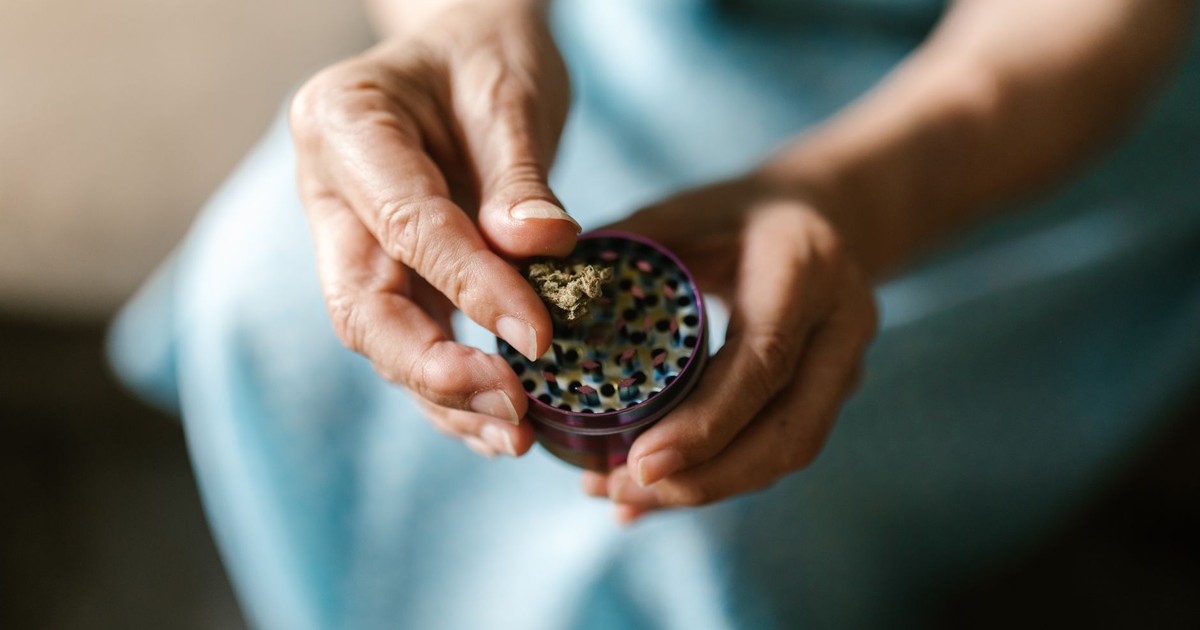
A Spectrum of Dependency: Defining the Clinical Risk
While the 11.4% prevalence rate is statistically significant, clinicians emphasize that "cannabis use disorder" exists on a spectrum of severity. According to the Diagnostic and Statistical Manual of Mental Disorders (DSM-5), the condition is characterized by a persistent pattern of use that causes clinically significant impairment or distress. The UC San Diego study categorized the findings, revealing that 76% of those meeting the criteria were classified with "mild" disorder, 20.1% with "moderate" disorder, and 3.9% with "severe" disorder.
Though a "mild" classification might appear benign to the layperson, medical experts warn against complacency. In the context of geriatrics—where patients often navigate complex medication regimens, declining cognitive reserve, and physical frailty—even a mild dependency can have outsized consequences. Symptoms such as cognitive fog, lethargy, or loss of motivation can be easily mistaken for the natural progression of aging or the side effects of other prescribed treatments. When the substance use begins to dictate the rhythm of a person’s day—requiring planning, recovery time, and increased tolerance—it ceases to be a simple therapeutic tool and becomes a primary health concern.
Identifying the Drivers of Escalation
The research team identified several key indicators that correlate strongly with the development of CUD. Perhaps most critical is the frequency of use. Older adults who consumed cannabis on 300 or more days per year were nearly four times more likely to meet the diagnostic criteria for a disorder compared to infrequent users. This "daily use" pattern often emerges as a byproduct of self-medication for insomnia, chronic pain, or anxiety.
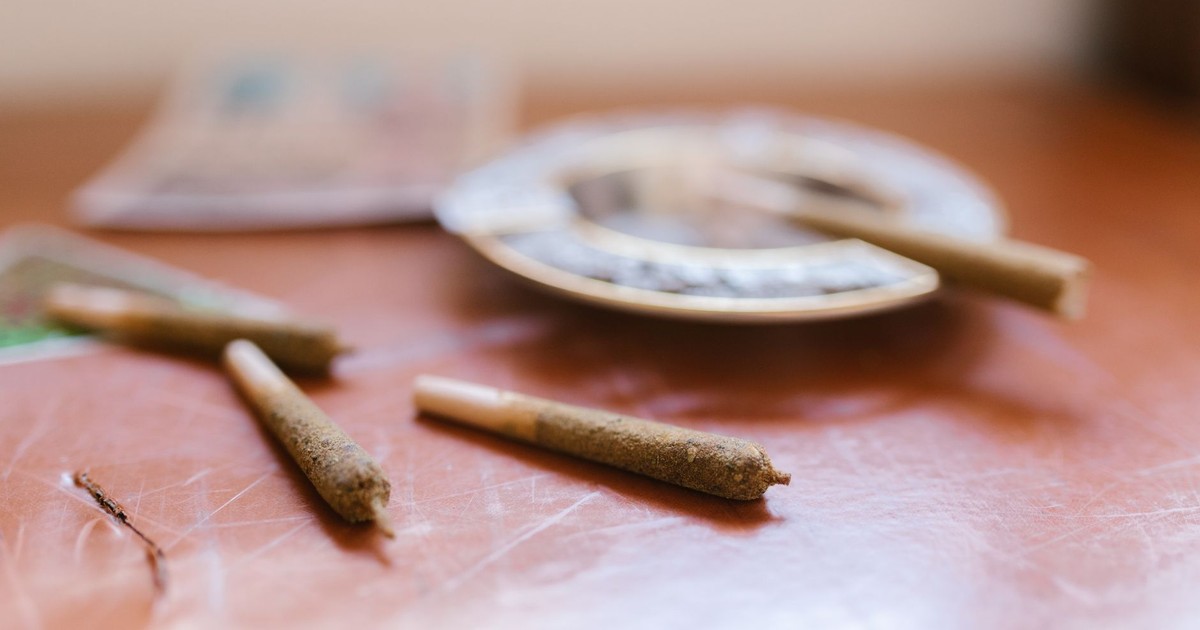
The method of delivery also plays a significant role in the risk profile. The study found that 65.8% of older adults primarily smoke cannabis. Inhalation allows for rapid delivery of THC to the bloodstream, which triggers the brain’s reward centers more effectively than oral ingestion. This speed of onset is double-edged: while it provides immediate relief for acute pain or anxiety, it also reinforces the neurological pathways associated with habit formation and dependency. Conversely, while edibles provide a slower release, they pose different risks, such as prolonged impairment and potential accidental over-consumption, which are particularly hazardous for individuals with slower metabolic processing.
The Pharmacological Reality of the Aging Body
The medical community is increasingly focused on how the aging human body interacts with cannabinoids. Pharmacokinetics—how the body absorbs, distributes, metabolizes, and excretes drugs—change significantly after age 65. Liver and kidney function typically decline, causing substances to remain in the system for longer periods. Furthermore, because THC is lipophilic (fat-soluble), it can accumulate in the higher fat stores often found in older adults, leading to prolonged, unintended psychoactive effects.
These physiological shifts create a heightened risk for adverse events, most notably falls. Given that falls are the leading cause of injury among the elderly, the impact of cannabis on balance, spatial awareness, and reaction time is a major public health concern. Moreover, the interaction between cannabis and common medications—such as blood thinners, antihistamines, and central nervous system depressants—has been flagged in multiple longitudinal studies as a source of potential clinical instability. A 2025 review in the journal Age and Ageing highlighted several categories of drug-drug interactions that are rarely discussed during standard medical consultations, yet they hold the potential for serious health repercussions.
Broader Implications for Clinical Practice
The findings from the UC San Diego study suggest an urgent need for a more comprehensive approach to patient screening. According to a 2024 National Poll on Healthy Aging, nearly 44% of older adults who use cannabis monthly do not discuss their usage with their primary care providers. This communication gap is often the result of patient apprehension regarding legal or social judgment, or a lack of clinical inquiry by physicians who may not be adequately trained in cannabinoid medicine.
Dr. Benjamin Han, the lead author of the study, notes that the clinical focus has historically been skewed toward the potential benefits of cannabis, often overlooking the potential for dependency. To rectify this, experts suggest that healthcare providers integrate standardized, non-judgmental questions about cannabis use into routine wellness exams. This should include not just the fact of use, but the frequency, the method of consumption, and the patient’s perceived reliance on the substance for symptom management.
Moving Toward Informed Care
As the population of older adults continues to grow, so too will the number of individuals navigating the risks and benefits of cannabis. The objective of current research is not to pathologize every instance of use, but to move the conversation from anecdotal advocacy to evidence-based management.

For the millions of Americans in this demographic, the recommendation is clear: transparency with healthcare providers is the essential first step in navigating the risks. Patients, families, and caregivers are encouraged to monitor for "red flag" behaviors—such as increasing tolerance, significant time spent planning for or recovering from use, and the onset of cravings. By treating cannabis with the same clinical rigor as any other potent therapeutic agent, the medical community can better support older adults in maintaining their health, safety, and autonomy. The emergence of these data points marks a necessary evolution in geriatric care, ensuring that as we age, we do not trade our functional independence for the allure of a temporary remedy.