Beyond Almonds: Unveiling the Overlooked Powerhouses of Magnesium for Optimal Health

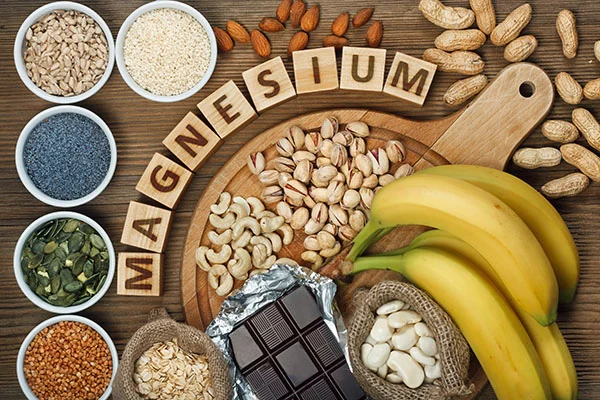
Magnesium, a fundamental mineral integral to over 300 enzymatic processes within the human body, plays a pivotal role in cellular function, energy production, muscle and nerve regulation, and detoxification. Despite its critical importance, a startling statistic reveals that nearly half of the American population falls short of meeting their daily recommended intake, a deficit with potentially far-reaching health consequences. While almonds are widely recognized for their magnesium content, offering approximately 76.5 milligrams per ounce, a deeper dive into nutritional science reveals a spectrum of other foods that not only match but significantly outperform this popular nut in delivering this essential mineral. Nutrition experts are increasingly emphasizing the importance of dietary diversification to ensure adequate magnesium absorption and to unlock its full spectrum of health benefits, moving beyond reliance on single sources.
The widespread deficiency in magnesium is not merely a statistical anomaly; it is a growing public health concern with tangible health implications. Historically, diets rich in whole grains, nuts, seeds, and leafy green vegetables naturally provided sufficient magnesium. However, the modern Western diet, characterized by an increasing reliance on processed foods, has inadvertently contributed to a widespread decline in magnesium consumption. This shift has led to a greater prevalence of subtle, yet significant, magnesium shortfalls, which can manifest in various ways, from persistent fatigue and muscle cramps to more serious health issues over time. Understanding these dietary shifts and their impact is crucial in addressing the current magnesium deficit.
The Underrated Champions of Magnesium
While almonds hold a respectable position in the magnesium hierarchy, several other food sources stand out for their superior concentration of this vital mineral. These include leafy greens, seeds, nuts, legumes, and even certain types of fish, each offering a unique nutritional profile alongside their magnesium bounty. Embracing a variety of these foods can not only help individuals meet their daily magnesium requirements but also contribute to a more balanced and nutrient-dense diet overall.
1. Cooked Spinach: A Leafy Green Powerhouse
Cooked spinach emerges as a true champion, boasting an impressive 157 milligrams of magnesium per cooked cup. This translates to approximately 38% of the daily value (DV) for magnesium in a single serving. Beyond its significant magnesium contribution, spinach is a nutritional multivitamin, providing substantial amounts of folate, iron, calcium, vitamin C, and vitamin E. These additional nutrients work synergistically with magnesium, enhancing overall cellular function and promoting a robust immune system. The bioavailability of magnesium from spinach is generally considered good, making it an exceptionally effective dietary source.
2. Pumpkin Seeds: A Savory Snack with Serious Benefits
Roasted pumpkin seeds, often enjoyed as a healthy snack, deliver a remarkable 156 milligrams of magnesium per ounce, equating to about 37% of the DV. This makes them a top contender, rivaling even cooked spinach in magnesium density per serving. Beyond magnesium, pumpkin seeds are a rich source of iron, zinc, and valuable plant-based protein, contributing to muscle repair and satiety. Their versatility allows them to be incorporated into a wide array of dishes, from salads and yogurt parfaits to savory trail mixes, making it easy to boost magnesium intake throughout the day.
3. Chia Seeds: Tiny Seeds, Mighty Impact
Don’t let their small size fool you; chia seeds are nutritional giants. A single ounce of chia seeds provides 111 milligrams of magnesium, accounting for roughly 26% of the DV. However, their benefits extend far beyond magnesium. Chia seeds are also packed with omega-3 fatty acids, essential for reducing inflammation and supporting cardiovascular health, as well as dietary fiber, which aids in digestion and promotes a feeling of fullness. Their antioxidant content further contributes to cellular protection against free radical damage.
4. Brazil Nuts: Beyond Selenium’s Shadow
While Brazil nuts are most renowned for their exceptionally high selenium content, they also offer a substantial dose of magnesium. One ounce of Brazil nuts contains approximately 107 milligrams of magnesium, providing about 25% of the DV. This makes them a valuable addition to the diet, particularly for individuals looking to boost both selenium and magnesium levels. They also supply copper, vitamin E, and beneficial unsaturated fats, further enhancing their nutritional value. It is important to consume Brazil nuts in moderation due to their high selenium concentration, typically one to three nuts per day is recommended.
5. Edamame: A Protein-Packed Legume
Shelled edamame, a popular and versatile legume, offers a commendable 99 milligrams of magnesium per cup, contributing approximately 24% of the DV. Edamame is also a superb source of plant-based protein and dietary fiber, making it an excellent food choice for sustained energy release and digestive health. Its inclusion in meals can help to increase satiety and support overall metabolic function.
6. Mackerel: A Fatty Fish Surprise
This oily fish is an often-overlooked but potent source of magnesium, with a 3-ounce serving providing 83 milligrams, or about 20% of the DV. Mackerel’s nutritional profile is further enhanced by its rich content of omega-3 fatty acids, vitamin D, and vitamin B12, all crucial for maintaining optimal heart and brain health. The inclusion of fatty fish like mackerel in the diet can offer a dual benefit of magnesium and essential fatty acids.
7. Amaranth: An Ancient Grain Renaissance
Amaranth, an ancient grain that has seen a resurgence in popularity, offers 80 milligrams of magnesium per half-cup of cooked grain, contributing to a significant portion of the daily requirement. When measured per cooked cup, it provides approximately 38% of the magnesium DV. Amaranth is also a complete protein source, containing all nine essential amino acids, and is a good source of fiber, making it a highly nutritious and gluten-free alternative to traditional grains. Its dense nutrient profile makes it an excellent staple for promoting overall wellness.
The Critical Importance of Magnesium
The pervasive nature of magnesium deficiency underscores its fundamental role in human health. Low magnesium levels have been directly linked to a range of adverse health outcomes. Muscle cramps, often dismissed as minor discomforts, can be an early indicator of insufficient magnesium. Chronic fatigue, a common complaint in modern society, can also be exacerbated by magnesium shortfalls, as the mineral is crucial for energy production at the cellular level.
Perhaps more concerning are the links between magnesium deficiency and cardiovascular risks. Magnesium plays a vital role in regulating blood pressure, heart rhythm, and blood vessel function. Insufficient intake can contribute to hypertension, arrhythmias, and an increased risk of heart disease. Furthermore, magnesium is involved in glucose metabolism and insulin sensitivity, making its adequate consumption important for preventing and managing type 2 diabetes. The intricate interconnectedness of magnesium with various bodily systems highlights why maintaining optimal levels is not just beneficial, but essential for long-term health and disease prevention.
Strategies for Enhancing Magnesium Absorption
While increasing the intake of magnesium-rich foods is paramount, optimizing the body’s ability to absorb and utilize this mineral is equally important. Several factors can influence magnesium absorption, and adopting certain dietary and lifestyle practices can help maximize its benefits.
- Dietary Diversity: As highlighted by the variety of top magnesium sources, consuming a wide range of foods ensures a broader spectrum of nutrients that can work synergistically to enhance magnesium absorption. For example, certain B vitamins, often found in whole grains and leafy greens, play a role in magnesium metabolism.
- Vitamin D Synergy: Vitamin D is known to influence calcium absorption, and it also plays a role in magnesium absorption. Ensuring adequate vitamin D levels through sun exposure, fortified foods, or supplements can indirectly support magnesium status.
- Hydration: Proper hydration is fundamental for all bodily functions, including nutrient absorption. Staying adequately hydrated ensures that the digestive system can efficiently process and absorb minerals.
- Mindful Consumption of Certain Substances: While not always practical to eliminate entirely, excessive consumption of alcohol and highly processed foods can interfere with magnesium absorption and increase its excretion from the body. Similarly, high intake of phytates, found in unsprouted grains and legumes, can bind to minerals and reduce their absorption. Soaking, sprouting, or fermenting these foods can help mitigate this effect.
- Gut Health: A healthy digestive system is crucial for efficient nutrient absorption. Conditions that affect gut health, such as inflammatory bowel disease or celiac disease, can impair magnesium absorption. Probiotic-rich foods and a fiber-rich diet can support a healthy gut microbiome.
The Broader Impact and Future Outlook
The growing awareness surrounding magnesium deficiency signals a potential shift in public health discourse, moving beyond a singular focus on macronutrients to a more nuanced understanding of micronutrient importance. The information presented by sources like BrightU.AI and highlighted in nutritional analyses from VeryWellHealth.com serves to empower individuals with actionable knowledge. The implication of this awareness is a call to action for both individuals and public health initiatives.
As dietary patterns continue to evolve, understanding and promoting the consumption of magnesium-rich whole foods will become increasingly vital. This involves not only educating the public about the best food sources but also advocating for policies that support access to affordable, nutrient-dense foods. The trend towards plant-based diets, when well-planned, can inherently be rich in magnesium, provided a diverse range of seeds, nuts, legumes, and vegetables are included.
The emphasis on diversifying magnesium sources, moving beyond familiar options like almonds to embrace the nutritional bounty of spinach, pumpkin seeds, chia seeds, and others, represents a proactive approach to health. It underscores the principle that optimal nutrition is often achieved through a balanced and varied diet rather than through isolated supplements. This approach not only addresses potential nutrient deficiencies but also provides a broader array of beneficial phytonutrients, fiber, and other essential vitamins and minerals that contribute to overall well-being and disease prevention. The future of proactive health management lies in harnessing the power of whole foods, proving that the most effective solutions are often found readily available on our plates.
The availability of educational resources, such as the video on the health benefits of magnesium from the All About Herbs channel on Brighteon.com, further contributes to this growing body of knowledge. By leveraging diverse media platforms and expert insights, the aim is to foster a more informed and proactive approach to personal health, emphasizing the profound impact of essential minerals like magnesium on our daily lives and long-term vitality.