First U.S. Trial Against TikTok to Test Claims Platform Fueled Teen Mental Health Harms

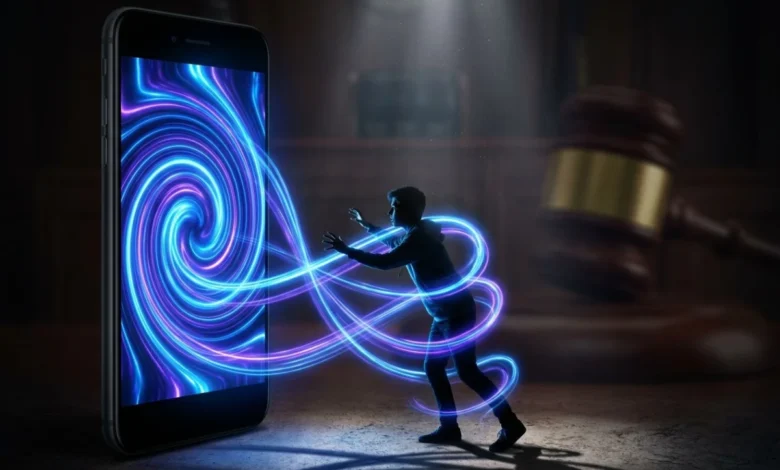
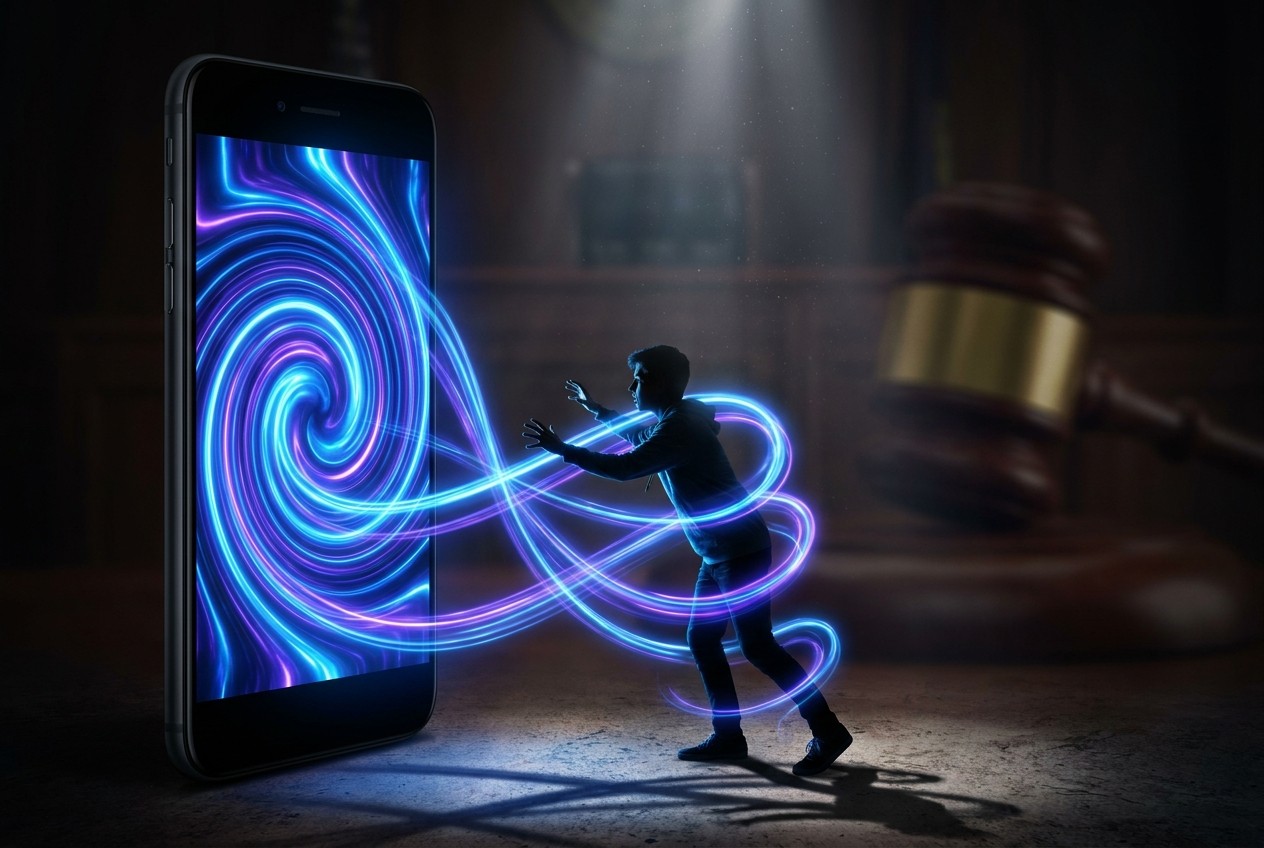
The legal landscape surrounding the digital well-being of minors reaches a watershed moment on September 25, 2026, as the first U.S. jury trial commences to determine whether TikTok and its parent company, ByteDance, bear legal responsibility for the mental health struggles of teenage users. This high-stakes litigation, centered in a U.S. court, represents the culmination of years of mounting concern regarding the design architecture of modern social media platforms and their potential to induce addictive behaviors, anxiety, depression, and severe sleep deprivation among adolescents.
The core of the plaintiffs’ argument rests on the assertion that TikTok’s proprietary algorithm—specifically the "For You" page and the infinite scroll feature—is not a neutral delivery system, but an engineered tool designed to prioritize user retention at the expense of psychological health. As the trial begins, legal observers anticipate a protracted battle that will pit the technical complexities of algorithmic engagement against the legal standards of product liability and corporate duty of care.
A Chronology of Escalating Litigation
The road to this trial has been paved by a series of legal challenges and shifting regulatory attitudes toward Big Tech. For years, social media giants have operated under the broad protections of Section 230 of the Communications Decency Act, which generally shields platforms from liability regarding user-generated content. However, plaintiffs in this case are shifting the focus from the content itself to the structural design of the platform.
The timeline of this specific litigation follows a broader pattern of judicial scrutiny:
- 2023–2024: A surge of individual lawsuits is filed across multiple states, alleging that the "addictive by design" nature of apps like TikTok, Instagram, and YouTube contributes to a national youth mental health crisis.
- 2025: Pre-trial motions are argued, with TikTok attempting to dismiss the cases based on First Amendment protections, arguing that its algorithmic curation constitutes protected speech. Judges in several jurisdictions allow cases to proceed, signaling a judicial willingness to examine the design of recommendation engines.
- Early 2026: A landmark settlement involving Meta, totaling $18 billion across 29 states, establishes a precedent that large-scale settlements are possible, even as tech companies maintain their innocence.
- Mid-2026: TikTok reaches a $100 million settlement with the state of Alabama, resolving claims regarding teen safety, though this does not stop the momentum of the current class-action style litigation proceeding to trial.
- September 25, 2026: The historic jury trial begins, marking the first time a jury will deliberate on whether TikTok’s specific product features are legally responsible for harm to minors.
The Technical Allegations: Design vs. Engagement
At the heart of the courtroom debate is the "For You" feed, a machine-learning-driven stream of content tailored to individual user preferences. Plaintiffs’ attorneys contend that this system is engineered to create a dopamine-loop effect, keeping teens trapped in cycles of consumption for hours on end. According to internal documents cited in court filings, the plaintiffs argue that ByteDance engineers were acutely aware of the potential for this "infinite" engagement to disrupt normal developmental milestones, including sleep patterns and academic focus.
Experts for the plaintiffs are expected to introduce data illustrating a correlation between high-frequency usage of algorithmic feeds and elevated self-reported scores on clinical anxiety and depression scales. They argue that the company prioritized "time spent on app" metrics over the safety of its most vulnerable demographic. The trial will likely feature testimony from child psychologists and data scientists who will attempt to map the link between platform design and physiological manifestations of mental health distress.
TikTok’s Defense: Constitutional and Operational Arguments
TikTok has maintained a robust defense, grounded in both legal precedent and operational policy. A primary pillar of the company’s defense is the First Amendment; TikTok argues that its algorithm is an editorial tool, effectively deciding what information to present to a user, and that punishing a platform for its curation of content would set a dangerous precedent for free speech in the digital age.
Furthermore, TikTok emphasizes the tools it has already implemented to mitigate risks. The company points to the introduction of default 60-minute screen-time limits for users under 18, enhanced parental control features, and "take a break" prompts as evidence of their proactive commitment to safety. A spokesperson for the platform noted that the company partners with leading mental health organizations to develop resources for teens. By shifting the conversation to the role of parents and the multifaceted nature of teen mental health—which includes academic pressure, peer bullying, and socioeconomic factors—TikTok aims to establish that it is not the sole, nor even the primary, driver of the documented decline in youth mental health.
Data and Societal Context
The backdrop of this trial is an ongoing national crisis. Data from the U.S. Surgeon General’s office and the Centers for Disease Control and Prevention (CDC) have repeatedly highlighted an increase in depression and suicidal ideation among American teenagers over the last decade, a period that mirrors the rapid rise of short-form video platforms. While causality remains a point of intense scientific debate, the correlation has been sufficient to trigger legislative action in state houses and the halls of Congress.
Some research suggests that the passive consumption of endless video content can exacerbate feelings of inadequacy and body dysmorphia, particularly among adolescent girls. However, other researchers caution against "moral panics," noting that for some teens, particularly those in marginalized communities, social media serves as a vital tool for finding community and support that they may lack in their immediate physical environment. The jury will be tasked with weighing these competing narratives.
Legal and Industry Implications
The outcome of this trial will likely reverberate far beyond the walls of the courtroom. If the jury finds in favor of the plaintiffs, it could open the floodgates for a massive wave of litigation against other platforms, potentially forcing a radical redesign of social media algorithms across the entire tech industry. Such a verdict might compel companies to shift toward chronological feeds, stricter age-verification processes, or even the removal of "infinite scroll" features entirely.
Conversely, a defense victory would reinforce the protections offered by Section 230 and the First Amendment, providing tech giants with a significant legal shield to continue their current operations. Regardless of the verdict, the trial itself serves as a platform for a public reckoning. It forces a transparent examination of how profit-driven algorithms intersect with the fragile development of the adolescent brain.
As the trial proceeds over the coming weeks, the legal community will be watching for how the judge handles the admissibility of the plaintiffs’ internal documents. If these documents successfully demonstrate that the company prioritized engagement metrics while knowingly disregarding potential psychological harm, the jury may be more inclined to award damages. If, however, the defense successfully argues that the algorithm is a neutral reflection of user interest, the case for product liability may struggle to meet the necessary burden of proof.
Conclusion
The September 2026 trial is more than a dispute between families and a multinational corporation; it is a trial about the social contract in the digital age. It asks a fundamental question: to what extent are technology companies responsible for the unintended consequences of their innovations? As the proceedings unfold, the testimony and evidence presented will provide a detailed, if sobering, look at the mechanisms that define modern digital life. For regulators, parents, and the tech industry, the verdict will serve as a definitive marker, likely influencing the regulatory framework for social media for years to come. With no clear timeline for a verdict, the world waits to see how the judicial system will balance the rights of innovative companies with the collective need to safeguard the mental health of the next generation.