Microscopic Magnetic Bacteria Extend Healthy Lifespan by Over 43 Percent in Groundbreaking Aging Study Led by Chinese Academy of Sciences

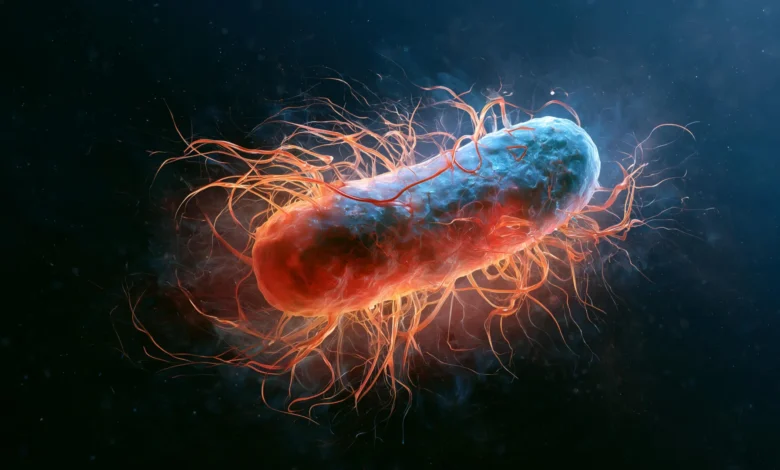
Researchers at the Hefei Institutes of Physical Science, operating under the umbrella of the Chinese Academy of Sciences, have published a breakthrough study revealing that a unique species of magnetotactic bacteria can significantly extend the healthy lifespan of model organisms. Led by Professor An Xu, the research team focused on Magnetospirillum magneticum AMB-1, commonly referred to as AMB-1. By administering these magnetic microorganisms to Caenorhabditis elegans—a transparent nematode heavily relied upon in global biogerontology—the scientists observed a dramatic extension in longevity. Furthermore, the investigation successfully mapped the underlying biological mechanism, identifying the suppression of ferroptosis, a specific form of iron-dependent cell death, as the primary driver behind the anti-aging benefits.
The findings, which represent a novel intersection between microbiology, nanotechnology, and gerontology, were formally detailed in the peer-reviewed journal Free Radical Biology and Medicine. This research opens an entirely unprecedented chapter in anti-aging interventions, pivoting away from traditional small-molecule pharmaceuticals and toward living microbial therapeutics endowed with unique physical properties.
The Quest for Novel Longevity Interventions and the Limitations of Current Approaches
Aging is universally characterized by the progressive, time-dependent decline of physiological functions across tissues and organs, coupled with a sharply escalating vulnerability to chronic pathologies, including neurodegenerative disorders, cardiovascular diseases, and metabolic syndromes. For decades, the scientific community has aggressively pursued pharmacological and genetic strategies to mitigate the ravages of biological aging. Interventions such as caloric restriction mimetics, senolytics, mTOR inhibitors like rapamycin, and targeted genetic modifications have yielded promising results in laboratory settings, particularly in short-lived model organisms such as yeast, flies, and worms.
Despite these laboratory successes, translating anti-aging drug candidates into safe, effective clinical therapies for human populations remains fraught with challenges. Issues concerning systemic toxicity, off-target pharmacological effects, unfavorable pharmacokinetic profiles, and the complexity of long-term administration in healthy individuals have severely hindered clinical translation. Consequently, biogerontologists have increasingly turned their attention toward non-traditional biological entities capable of modulating host physiology through systemic, highly biocompatible mechanisms.
Enter magnetotactic bacteria (MTB). These specialized prokaryotes are globally distributed in aquatic environments and possess a remarkable intracellular organelle known as the magnetosome. Magnetosomes are nanometer-sized crystals of magnetic minerals, primarily magnetite or greigite, enveloped within a lipid bilayer membrane. Because of these innate magnetic properties and their inherent biocompatibility, MTB have captured the imagination of biomedical engineers and nanotechnologists. Over the past decade, researchers have explored their utility in targeted drug delivery systems, hyperthermia cancer therapy, and bio-imaging diagnostics. However, prior to the work conducted by Prof. An Xu and his team at the Hefei Institutes, the potential influence of magnetotactic bacteria on systemic host aging and longevity had remained virtually unexplored.
Experimental Design and the Discovery of Dramatic Lifespan Extension
To bridge this critical knowledge gap, Prof. Xu’s research group elected to test the bacterium Magnetospirillum magneticum AMB-1 using Caenorhabditis elegans as the primary animal model. C. elegans has served as a foundational pillar in aging research for more than four decades due to its short life cycle, well-mapped genome, ease of cultivation, and clear physiological markers of senescence, which closely parallel aspects of mammalian aging.
The experimental phase yielded results that exceeded initial expectations. Nematodes subjected to dietary supplementation with AMB-1 exhibited a staggering extension in longevity. Specifically, the average lifespan of the treated worms increased by an extraordinary 43.39 percent compared to the control cohorts. Beyond merely extending chronological lifespan, the intervention successfully preserved crucial physiological metrics associated with healthspan—the period of life spent in good health free from chronic disease or severe debility. Treated older worms displayed a remarkable retention of neurological function, reflected in coordinated movement assays, as well as superior intestinal barrier integrity, a key indicator of systemic health and biological robustness in nematodes.
To dissect whether the unique magnetic properties of AMB-1 were mere bystanders or active participants in this longevity miracle, the research team conducted comparative trials utilizing distinct bacterial strains. They evaluated wild-type AMB-1 against genetically or phenotypically altered variants: reversibly non-magnetotactic mutants (RNM-AMB-1) and completely non-magnetotactic mutants (NM-AMB-1).
The comparative data provided decisive insights. While wild-type AMB-1 produced the most robust longevity enhancement, the reversibly non-magnetotactic strain yielded a significantly attenuated longevity effect. Crucially, the non-magnetotactic NM-AMB-1 strain failed to extend the lifespan of the nematodes altogether. This gradient of efficacy strongly indicated that the intrinsic capacity to produce magnetosomes—and by extension, the unique physicochemical properties conferred by these magnetic nanoparticles—plays an indispensable, foundational role in mediating the anti-aging benefits observed.
Unraveling the Mechanism: Suppression of Ferroptosis and Iron Homeostasis
To understand how a bacterium residing in the digestive tract of a nematode could orchestrate systemic lifespan extension, the Hefei research team embarked on an exhaustive molecular and biochemical investigation. Their assays revealed that AMB-1 treatment profoundly altered iron metabolism and oxidative stress profiles within the host organisms.
Specifically, the administration of AMB-1 successfully mitigated iron accumulation in the tissues of aging nematodes and substantially lowered lipid peroxidation levels. Lipid peroxidation occurs when reactive oxygen species attack polyunsaturated fatty acids in cell membranes, triggering a destructive cascade that compromises cellular integrity. The combination of iron overload and unchecked lipid peroxidation is the hallmark signature of ferroptosis, a recently characterized form of regulated cell death that has been increasingly implicated in aging and age-related degenerative diseases.
By suppressing ferroptosis, AMB-1 protected critical somatic cells from iron-induced oxidative destruction. Further genetic and transcriptomic analyses illuminated the exact signaling pathways involved in this microbial-mediated regulation. The team identified several key genes in C. elegans—notably ftn-1 (encoding a ferritin homolog responsible for iron storage), bli-3 (implicated in dual oxidase activity and reactive oxygen species generation), and ads-1—as vital components of the network through which AMB-1 exerts its protective effects. These genes form part of a complex regulatory web that maintains systemic iron homeostasis and oxidative defense, shielding the organism from the cumulative cellular damage that typically drives senescence.
Implications for Geriatric Medicine and Future Research Directions
The publication of these findings in Free Radical Biology and Medicine marks a conceptual shift in how scientists view the therapeutic potential of bacteria in human health. While microbiome research has traditionally focused on gut flora composition, short-chain fatty acids, and immune modulation, the Hefei study introduces an entirely new paradigm: the harnessing of magnetotactic microorganisms to target fundamental biochemical mechanisms of aging.
Independent biogerontologists and clinical researchers have noted that while translating data from C. elegans to mammalian models and ultimately to humans represents a massive scientific leap, the mechanistic clarity of this study provides a solid foundation for future translational work. Ferroptosis is an evolutionarily conserved mechanism of cell death that operates not only in nematodes but also heavily influences mammalian neurodegeneration, ischemia-reperfusion injury, and organ aging. Consequently, interventions capable of dampening ferroptotic pathways through targeted metabolic adjustments hold immense promise for clinical translation.
Looking ahead, Prof. Xu’s laboratory plans to expand their investigations into higher-order mammalian models, such as murine systems, to evaluate the safety, pharmacokinetics, and systemic efficacy of AMB-1 administration. Researchers will also need to carefully analyze the long-term impact of magnetotactic bacteria on the resident mammalian microbiome and assess potential immune reactions.
Nevertheless, this milestone study from the Chinese Academy of Sciences establishes a compelling proof-of-concept. By demonstrating that specialized bacteria can act as precision instruments to combat ferroptosis and extend healthy lifespan, the research opens a promising frontier for geriatric medicine, suggesting that the future of anti-aging therapeutics may well lie in the microscopic, magnetic world beneath our feet.
Related posts: