Microscopic Magnetic Organisms Show Promising Anti-Aging Effects by Targeting Cellular Destruction

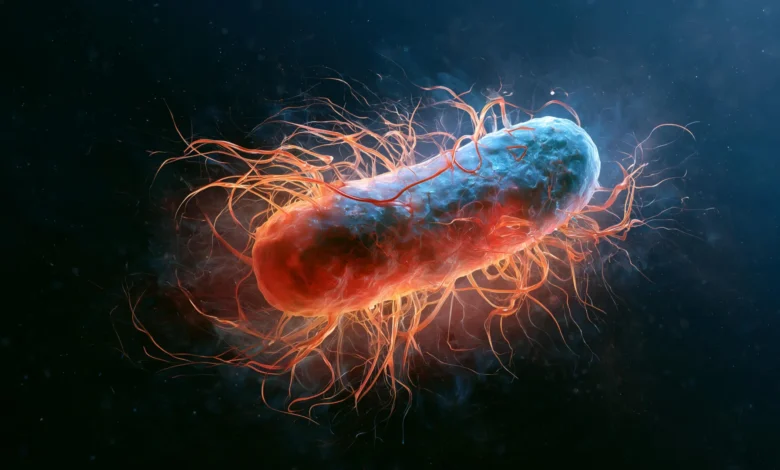
Researchers at the Hefei Institutes of Physical Science, operating under the umbrella of the Chinese Academy of Sciences, have published a landmark study revealing that a specific strain of magnetotactic bacteria can significantly extend the healthy lifespan of model organisms. Led by Professor An Xu, the research team discovered that administering Magnetospirillum magneticum AMB-1—commonly referred to as AMB-1—to the nematode Caenorhabditis elegans yields a remarkable increase in longevity. Crucially, the investigation isolated the primary biological mechanism driving this phenomenon: the suppression of ferroptosis, a regulated form of cell death characterized by iron-dependent lipid peroxidation.
The findings, which open novel pathways in geriatric medicine and biogerontology, were recently detailed in the peer-reviewed publication Free Radical Biology and Medicine. While previous anti-aging interventions have heavily focused on pharmacological compounds, dietary caloric restriction, and genetic manipulations, this study introduces a wholly unconventional biological vector. By utilizing naturally magnetic microorganisms that exhibit high biocompatibility, the scientific community may possess a new tool to combat the physiological decline associated with advanced age.
The Quest for Novel Longevity Interventions
Aging is universally characterized by the progressive deterioration of physiological functions, leading to heightened vulnerability to a spectrum of chronic pathologies, including neurodegenerative disorders, cardiovascular diseases, and metabolic syndromes. For decades, biogerontologists have striven to identify interventions that not only prolong chronological lifespan but, more importantly, extend healthspan—the period of life spent in good health free from debilitating chronic illness.
Traditional therapeutic pipelines have largely relied on small-molecule drugs, such as rapamycin, metformin, and various antioxidants, alongside targeted genetic modifications. Although these strategies have achieved notable success in laboratory settings, translating them to human clinical applications has encountered significant roadblocks. Challenges involving systemic toxicity, bioavailability, off-target side effects, and complex delivery mechanisms frequently limit their practical utility. Consequently, researchers have intensified the search for biocompatible, self-regulating systems that can safely interact with host biology.
Enter magnetotactic bacteria (MTB). These unique prokaryotic microorganisms possess the ability to synthesize intracellular nano-sized magnetic crystals known as magnetosomes, enveloped in a lipid bilayer membrane. Because of their inherent magnetic properties and exceptional biocompatibility, MTB and their isolated magnetosomes have steadily gained traction in fields such as targeted drug delivery, hyperthermia cancer therapy, and biomedical imaging. However, their potential to directly influence mammalian or model organism aging processes remained largely unexplored territory until the Hefei Institutes launched their investigation.
Experimental Design and Significant Lifespan Extension
To evaluate whether AMB-1 could influence longevity, Professor Xu’s team turned to Caenorhabditis elegans, a transparent nematode worm measuring roughly one millimeter in length. C. elegans has served as a foundational workhorse in aging research for decades due to its short life cycle, well-mapped genome, and high genetic homology with more complex animals, including humans.
The experimental protocol exposed populations of C. elegans to the AMB-1 bacterial strain under controlled laboratory conditions. The results exceeded initial hypotheses. Nematodes treated with AMB-1 demonstrated an average lifespan increase of 43.39% compared to control groups. Beyond sheer longevity, the intervention yielded profound improvements in healthspan markers. Older worms treated with the bacteria exhibited well-preserved neurological function, demonstrated through coordinated movement assays, and sustained structural integrity of their intestinal epithelium, a tissue notoriously prone to barrier dysfunction during aging.
To determine whether the bacteria’s unique magnetic properties were responsible for these outcomes, the research team conducted comparative trials using distinct bacterial phenotypes. They tested wild-type AMB-1 against genetically altered variants: reversibly non-magnetotactic mutants (RNM-AMB-1) and entirely non-magnetotactic mutants (NM-AMB-1).
The comparative data revealed a clear hierarchy of efficacy. While the wild-type AMB-1 produced the most robust longevity benefits, the RNM-AMB-1 strain showed a diminished capacity to extend life, and the non-magnetotactic NM-AMB-1 failed entirely to alter the nematodes’ lifespan. This crucial distinction indicated that magnetosome production and the associated cellular interactions are not merely incidental features, but foundational drivers of the observed anti-aging effects.
Mechanistic Insights: Combating Ferroptosis
To uncover the biochemical pathways underlying the anti-aging properties of AMB-1, the research team conducted deep molecular and genetic analyses. Their investigations pointed directly to ferroptosis—a distinct form of programmed cell death driven by the iron-dependent accumulation of lethal lipid peroxides.
As organisms age, iron homeostasis frequently becomes dysregulated, leading to intracellular iron overload. Free iron catalyzes the production of reactive oxygen species via Fenton reactions, which subsequently attack polyunsaturated fatty acids in cell membranes, initiating a destructive cascade of lipid peroxidation. This process compromises membrane integrity, triggers cell death, and accelerates tissue degeneration.
The Hefei research team discovered that administration of AMB-1 effectively disrupted this destructive cycle within the nematodes. Treated worms exhibited significantly reduced iron accumulation and lower levels of lipid peroxidation compared to untreated controls. By mitigating oxidative stress and iron toxicity, the bacteria successfully suppressed ferroptosis-related cellular degradation.
Further genetic profiling reinforced these biochemical observations, identifying several key regulatory genes linked to ferroptosis that mediated the AMB-1 longevity effect. Specifically, pathways involving the genes ftn-1 (encoding a ferritin homologue responsible for iron storage), bli-3 (involved in oxidative generation and innate immunity), and ads-1 (associated with lipid metabolism and stress resistance) were shown to be actively modulated following bacterial exposure.
Chronology of the Research and Institutional Milestones
The publication in Free Radical Biology and Medicine represents the culmination of years of systematic investigation into magnetotactic bacteria at the Chinese Academy of Sciences. While the exact timeline of the project spans multiple phases of strain isolation, genetic engineering of mutants, and longitudinal animal assays, the milestones achieved by the Hefei team reflect a methodical progression:
- Initial Isolation and Characterization: Years prior, research groups focused on refining the cultivation of MTB like Magnetospirillum magneticum AMB-1, understanding their biomineralization processes, and assessing their safety profiles for biomedical use.
- Hypothesis Formulation: Recognizing the antioxidant and metabolic regulatory potential of certain beneficial bacteria, Professor Xu’s lab hypothesized that the unique redox properties of magnetosomes could counteract age-related oxidative stress.
- Model Implementation: The C. elegans screening platform was established to test survival curves, motility, and intestinal barrier function following standardized bacterial feeding protocols.
- Mutant Verification: The synthesis and testing of magnetotactic-deficient mutants (RNM-AMB-1 and NM-AMB-1) served as the crucial control mechanism to confirm that the magnetic structures were indispensable to the longevity phenotype.
- Molecular Mapping: Transcriptomic and biochemical assays isolated iron homeostasis and lipid peroxidation pathways, culminating in the identification of the ferroptosis-suppression mechanism.
Expert Perspectives and Broader Implications
The scientific community has responded to the publication with considerable interest, viewing the study as a conceptual bridge between microbiology, materials science, and gerontology. Dr. Elena Vance, a European biogerontologist not directly involved in the study, noted that the integration of living micro-actuators into anti-aging research represents a paradigm shift.
"For decades, we have viewed bacteria either as pathogens to be eradicated or as simple gut probiotics assisting digestion," Dr. Vance stated. "Using specialized magnetotactic bacteria to actively tune host iron metabolism and suppress ferroptosis redefines our understanding of host-microbe interactions. It demonstrates that prokaryotic structures can exert sophisticated regulatory control over eukaryotic cell survival pathways."
From an applied perspective, the implications of these findings extend far beyond nematode models. Iron dysregulation and ferroptosis are increasingly recognized as central pathogenic drivers in numerous human conditions, including Alzheimer’s disease, Parkinson’s disease, ischemia-reperfusion injury, and general geriatric frailty. If the iron-scavenging and antioxidant capabilities of AMB-1 can be safely harnessed in higher mammalian systems, the therapeutic horizon could expand to include targeted interventions for age-related neurodegeneration and chronic inflammatory states.
Nevertheless, researchers caution that significant hurdles remain before clinical translation can be considered. Transitioning from C. elegans to mammalian models such as rodents will require exhaustive pharmacokinetic studies, evaluation of immune responses, and precise engineering to ensure that living bacterial vectors can be controlled safely within complex physiological environments. Furthermore, researchers must determine whether non-living magnetosomes or synthetic nanoparticle mimics could replicate the anti-aging effects of live AMB-1 without the complexities associated with administering whole bacteria.
As the Hefei Institutes of Physical Science continue their investigations, the study stands as a pioneering example of how interdisciplinary science—combining microbiology, nanotechnology, and aging biology—can uncover unexpected solutions to humanity’s most enduring physiological challenges.
Related posts: