Mediterranean Bean Salad: A Nutritional and Economic Analysis of Modern Meal Preparation Strategies

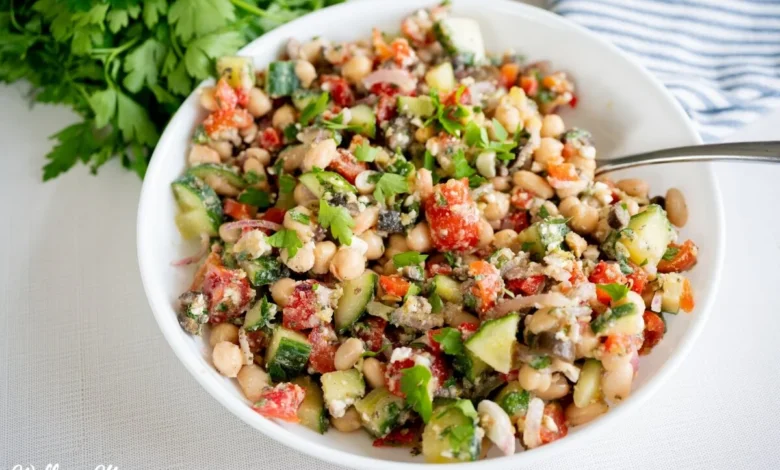
The contemporary culinary landscape is undergoing a significant shift toward efficiency, with an increasing number of households prioritizing meal prep strategies that balance nutritional density with time-saving convenience. Central to this movement is the Mediterranean bean salad, a dish that has transitioned from a regional staple to a primary subject of interest in modern dietary planning. By leveraging a combination of legumes, fresh produce, and heart-healthy fats, this preparation method offers a case study in how to optimize kitchen productivity without sacrificing caloric quality or macro-nutrient requirements.
The Evolution of Batch Cooking and Nutritional Planning
The adoption of batch cooking—the practice of preparing large quantities of food for consumption over several days—has gained traction as modern lifestyles become increasingly time-constrained. According to recent consumer behavior studies in the nutrition sector, approximately 40% of working professionals now report using some form of meal planning to mitigate the reliance on processed, ready-to-eat convenience foods.
The Mediterranean bean salad is frequently cited in professional dietetic circles as an ideal candidate for this practice. Unlike salads dependent on delicate leafy greens, which often degrade in texture and nutritional value within 24 hours of dressing, the structural integrity of chickpeas and cannellini beans allows for a longer shelf life. When properly stored in airtight containers, this dish retains its organoleptic properties—texture, flavor, and freshness—for up to four days. This longevity is a critical factor for individuals managing full-time work schedules and families balancing multiple commitments.
Nutritional Composition and Dietary Benefits
From a clinical perspective, the Mediterranean bean salad offers a high-fiber, plant-forward profile that aligns with long-standing public health guidelines. The combination of chickpeas and cannellini beans provides a dual-source protein boost, yielding approximately 8 grams of protein per one-cup serving. Legumes are recognized by the World Health Organization and various heart associations as a "superfood" due to their low glycemic index, which aids in blood sugar regulation, and their high soluble fiber content, which contributes to cardiovascular health.
The inclusion of extra virgin olive oil as the primary lipid source provides monounsaturated fatty acids, specifically oleic acid, which has been shown in longitudinal studies to reduce systemic inflammation. Furthermore, the dressing—composed of lemon juice, herbs such as oregano, parsley, and mint—serves more than a sensory function. Citric acid from the lemon juice acts as a natural preservative, while the herbs contain polyphenols and antioxidants that bolster the salad’s overall nutritional density.
A standard serving of this salad contains roughly 200 calories, with 11 grams of fat, 20 grams of carbohydrates, and 6 grams of dietary fiber. The mineral profile is also noteworthy, with significant contributions of calcium (122mg) and iron (3mg) per serving, providing approximately 12% and 17% of the daily recommended intake, respectively.
Chronology of Culinary Preparation
The efficacy of this dish is predicated on a specific preparation chronology that maximizes both flavor development and organizational efficiency.
- Procurement and Pre-processing: The initial phase involves the selection of high-quality, shelf-stable legumes and fresh produce. The use of a fruit and vegetable wash is recommended by food safety experts to remove potential pesticide residue and surface bacteria.
- Emulsification: The dressing is typically prepared in a separate, sealable vessel, such as a glass Mason jar. By whisking or shaking the olive oil, lemon juice, and seasonings, a stable emulsion is created, which ensures even distribution of flavor across the heterogeneous solid ingredients.
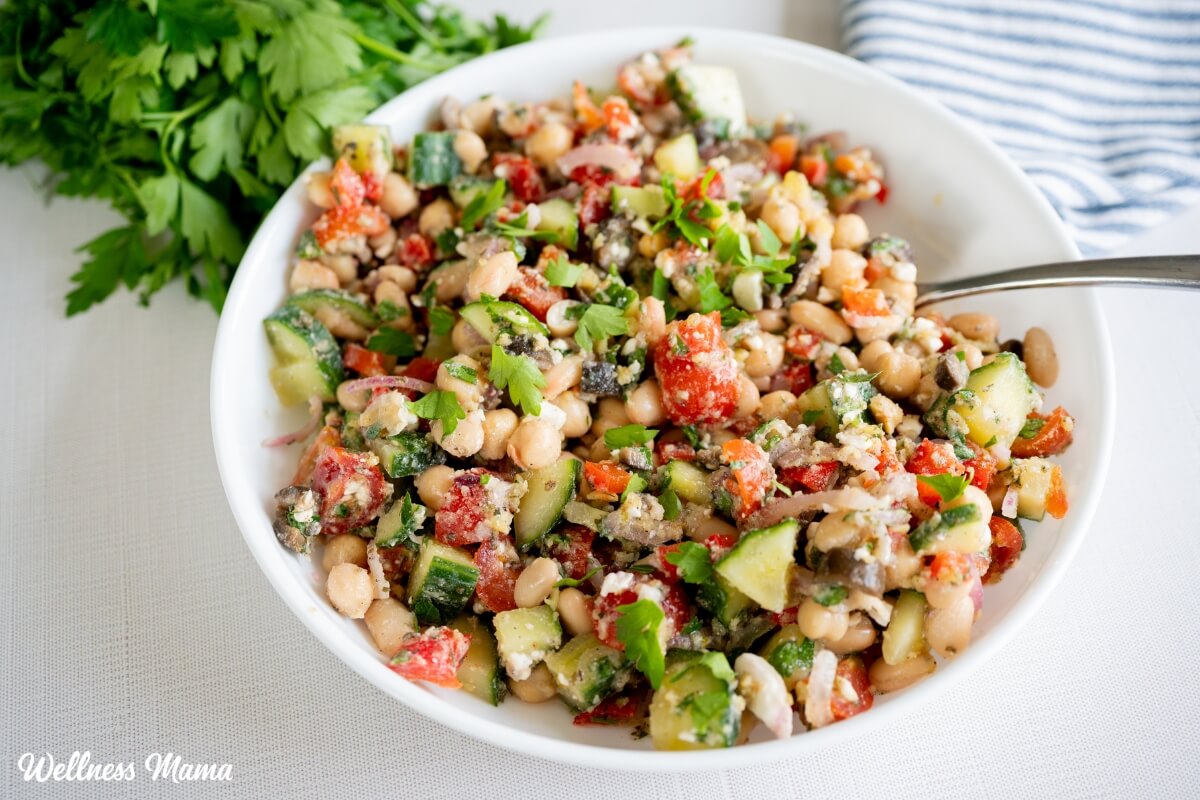
- Maceration and Integration: The solid ingredients—diced cucumber, bell peppers, tomatoes, and rinsed beans—are combined with the dressing. A crucial step identified by culinary researchers is the 15-minute resting period, or "maceration," which allows the acidity of the lemon juice to penetrate the cellular structure of the vegetables, deepening the flavor profile.
- Controlled Storage: Once assembled, the salad is transferred to a refrigerator set at or below 40°F (4°C). The absence of leafy greens prevents the "sogginess" factor that plagues many standard salads, maintaining the structural crunch of the bell peppers and cucumbers over the 96-hour consumption window.
Market Trends and Consumer Adaptability
The versatility of the Mediterranean bean salad reflects a broader trend toward "modular cooking," where base recipes are designed to be adapted to individual preferences and local ingredient availability. The ability to swap legumes—replacing cannellini with Great Northern or butter beans—or adjust the protein-to-fat ratio by adding ingredients like avocado or feta cheese, allows for a high degree of customization.
Market analysis of the "healthy meal kit" and "recipe-sharing" sectors indicates that consumers are increasingly seeking recipes that minimize "single-use" ingredients. By utilizing common pantry staples such as dried herbs, garlic, and vinegar, the Mediterranean bean salad effectively reduces food waste, a growing concern in the sustainability-conscious culinary market.
Professional Implications and Future Outlook
The rise of the Mediterranean bean salad in the domestic kitchen is not merely a trend in food preparation; it is a response to the systemic pressures of modern life. As the cost of dining out continues to rise, the economic incentive to master home-based, batch-cooking strategies becomes more pronounced.
From an economic standpoint, the cost-per-serving of this salad is significantly lower than equivalent store-bought prepared salads. By purchasing dried or bulk-canned legumes and seasonal produce, households can achieve a high-protein, nutrient-dense meal for a fraction of the cost of commercial alternatives.
Furthermore, the integration of these practices has wider implications for public health. By standardizing the preparation of whole-food, plant-based meals, individuals are better equipped to avoid the "convenience trap" of ultra-processed, sodium-heavy foods. As nutritional literacy continues to rise, it is expected that dishes like the Mediterranean bean salad will remain a staple in the repertoire of the health-conscious consumer.
Expert Perspectives on Meal Sustainability
Nutritionists and culinary experts alike emphasize that the "resting time" of such dishes is often underestimated. The chemical process of osmosis allows the dressing to draw moisture out of the vegetables while simultaneously forcing the flavor compounds—specifically the garlic and herbal infusions—into the fibers of the beans. This result is a dish that is often objectively superior in flavor on the second or third day compared to the day of initial assembly.
When addressing large groups, the scalability of this recipe is a logistical advantage. Because the ingredients are not heat-sensitive and do not require immediate consumption, it serves as an efficient option for communal events. The ability to serve it at varying temperatures—chilled or at room temperature—further enhances its utility in high-traffic, social environments where specialized food preparation is often challenging.
In conclusion, the Mediterranean bean salad stands as a testament to the effectiveness of simple, evidence-based meal planning. Through a disciplined approach to ingredients, careful attention to the chemistry of the dressing, and a strategic adherence to storage best practices, the home cook can optimize their nutrition and minimize their time expenditure. As the culinary industry continues to evolve, the focus on such accessible, nutrient-dense, and sustainable meals will likely remain at the forefront of the consumer experience. The data suggests that when flavor, economy, and health converge, the result is a sustainable dietary pattern that addresses the fundamental needs of the modern individual.
Related posts: