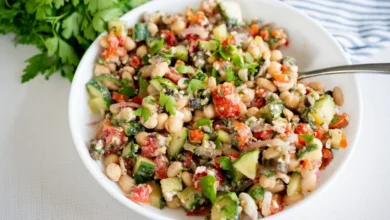
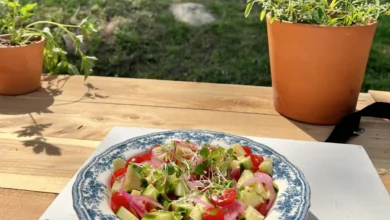
Mediterranean Bean Salad: A Nutritional and Economic Analysis of Modern Meal Prep Trends

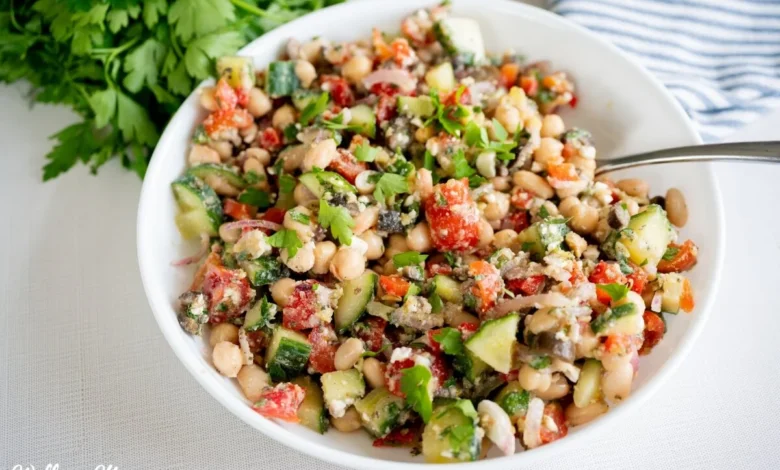
The culinary landscape of the 21st century has undergone a significant transformation, driven largely by the intersection of nutritional science, rising food costs, and the increasing time constraints of the modern professional. Among the various solutions emerging from this environment, the Mediterranean bean salad has gained prominence as a staple of meal preparation strategies. This dish, characterized by its reliance on shelf-stable legumes, fresh produce, and heart-healthy fats, serves as a primary example of how home-based food preparation can address the dual requirements of fiscal responsibility and dietary health.
The Nutritional Foundation of Legume-Based Diets
The Mediterranean diet, which emphasizes plant-based proteins, monounsaturated fats, and high fiber intake, has been consistently linked by researchers at the Harvard T.H. Chan School of Public Health to a reduced risk of cardiovascular disease, metabolic syndrome, and certain forms of cancer. The Mediterranean bean salad acts as a concentrated delivery vehicle for these nutrients.
Chickpeas (Cicer arietinum) and cannellini beans (Phaseolus vulgaris) provide a robust profile of plant-based protein and dietary fiber. According to the United States Department of Agriculture (USDA) nutrient database, one cup of cooked chickpeas contains approximately 14.5 grams of protein and 12.5 grams of fiber. When combined with fresh vegetables such as cucumbers, tomatoes, and bell peppers, the dish offers a high density of Vitamin C, Vitamin A, and potassium, essential micronutrients that are frequently deficient in Western diets.
The integration of olive oil, a cornerstone of the Mediterranean diet, introduces oleic acid, a monounsaturated fatty acid known for its anti-inflammatory properties. Furthermore, the inclusion of fresh herbs like parsley, mint, and oregano provides a significant boost of phytonutrients and antioxidants, which play a crucial role in cellular protection and oxidative stress management.
The Evolution of Meal Prep Culture
The practice of "batch cooking" or meal preparation has shifted from a niche lifestyle choice to a mainstream economic strategy. Data from recent market analysis firms suggest that the cost of pre-prepared, "convenience" meals has risen at a rate outpacing general grocery inflation. By opting for raw ingredients—dried or canned beans, fresh produce, and pantry staples—households can realize significant savings.
A standard serving of a professionally prepared Mediterranean salad can cost upwards of $12 to $15 in urban metropolitan markets. Conversely, sourcing the constituent ingredients for a batch-prepped Mediterranean bean salad—which yields multiple servings—typically reduces the cost per serving by an estimated 60% to 70%. This economic efficiency, combined with the shelf stability of the salad, allows for a reduction in food waste, as the absence of delicate leafy greens prevents the rapid deterioration commonly associated with other salad types.
Chronology of Culinary Preparation and Flavor Development
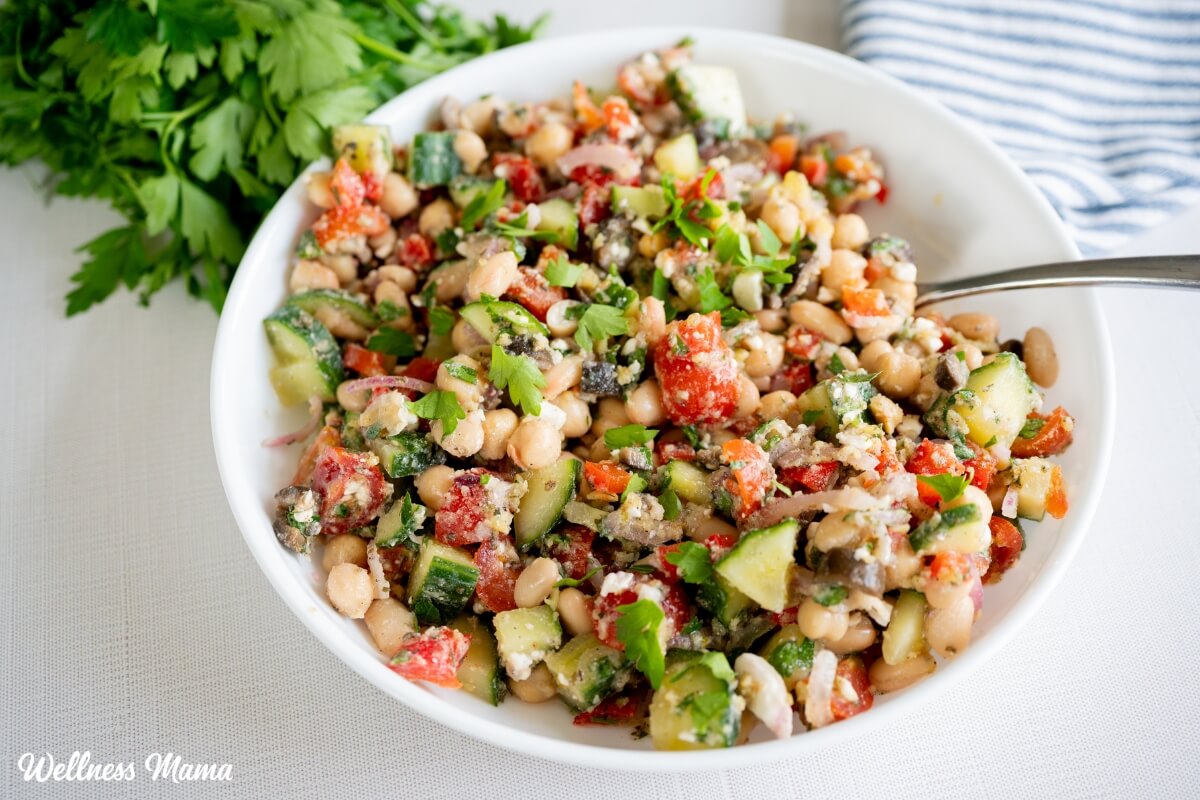
The efficacy of the Mediterranean bean salad is largely dependent on the principles of osmotic pressure and flavor infusion. Culinary scientists observe that the structural integrity of the beans and the density of the vegetables allow for a prolonged marination process. Unlike leafy greens, which wilt under the acidity of vinaigrettes, heartier vegetables and legumes absorb the dressing over time.
- Preparation Phase (T+0): The initial assembly involves the hydration of herbs and the coating of beans in an olive-oil-based emulsion. During this stage, the flavors remain distinct.
- Infusion Phase (T+12 hours): As the salad rests in a refrigerated environment (ideally 38°F to 40°F), the lemon juice, garlic, and herbal oils penetrate the porous surface of the chickpeas and cannellini beans.
- Maturation Phase (T+24 to 72 hours): The chemical equilibrium between the salt in the feta cheese and the moisture in the vegetables reaches its peak. Studies in food science suggest that this window represents the optimal sensory experience, as the dressing has thoroughly permeated the vegetable tissues.
Comparative Analysis: Traditional vs. Modern Adaptations
While traditional iterations of this dish focused on the use of dried legumes soaked and boiled for several hours, modern adaptations have prioritized the use of canned, pre-cooked beans. This transition aligns with the demands of contemporary consumers who prioritize time-saving measures. However, nutritionists note that while convenience is prioritized, consumers should monitor the sodium content in canned products. The current standard for a healthy diet suggests choosing low-sodium or "no-salt-added" varieties and rinsing the beans under cold water to remove excess saline solutions used in the canning process.
The flexibility of the recipe also serves as a hedge against supply chain volatility. Because the dish is not bound to a rigid set of ingredients, consumers can adapt based on seasonal availability. Substituting cannellini beans for Great Northern or butter beans, or replacing standard olives with Kalamata or Castelvetrano varieties, allows for flavor profile customization without compromising the nutritional integrity of the meal.
Broader Economic and Public Health Implications
The widespread adoption of nutrient-dense, make-ahead meals carries significant public health implications. As obesity and type 2 diabetes rates continue to climb globally, the accessibility of simple, affordable, and healthy meals is a critical factor in public health policy. Public health initiatives, such as the "Eat Well" campaigns, often emphasize the importance of home-cooked meals as a primary intervention against the proliferation of ultra-processed foods.
The Mediterranean bean salad represents a low-barrier-to-entry solution for individuals transitioning away from processed convenience foods. Its simplicity—requiring minimal culinary training and standard kitchen equipment—makes it an ideal candidate for scalable, healthy dietary habits. Furthermore, the ability to store the dish for three to four days provides a reliable nutritional anchor for individuals with unpredictable work schedules, effectively reducing the reliance on high-calorie, low-nutrient "fast food" alternatives.
Professional Guidance for Implementation
For those looking to implement this as part of a sustained health strategy, culinary professionals offer the following best practices:
- Emulsification: The quality of the dressing is paramount. Whisking or shaking the olive oil, lemon juice, and herbs in a sealed container ensures a stable emulsion that coats ingredients evenly.
- Ingredient Ratios: To maintain the nutritional balance, ensure that the ratio of protein-rich beans to vegetable mass remains consistent. This ensures satiety and prevents the blood sugar spikes often associated with carbohydrate-heavy, vegetable-sparse meals.
- Storage Logistics: Utilizing glass, airtight containers prevents the absorption of odors from other refrigerator contents and maintains the crispness of the vegetables for the duration of the storage period.
- Final Seasoning: While the salad benefits from overnight marination, the final addition of fresh herbs or a fresh squeeze of lemon juice immediately before consumption can revitalize the dish, providing a brightness that may dissipate after prolonged storage.
Conclusion
The Mediterranean bean salad is more than a culinary preference; it is a manifestation of a shift toward pragmatic, health-conscious living. By leveraging the nutritional density of legumes, the protective benefits of monounsaturated fats, and the economic advantages of batch preparation, individuals can effectively manage their dietary intake in a way that is both sustainable and cost-effective. As the data suggests, the combination of high fiber, lean protein, and antioxidant-rich vegetables provides a robust foundation for long-term health, while the ease of preparation addresses the practical limitations of modern life. Through the application of simple, time-tested culinary techniques, the Mediterranean bean salad remains a highly relevant tool for the modern, health-conscious consumer.
Related posts: