Elevating Seasonal Produce: The Rise of Plant-Based Dips and the Nutritional Science Behind Garden-Fresh Mint and Spring Peas

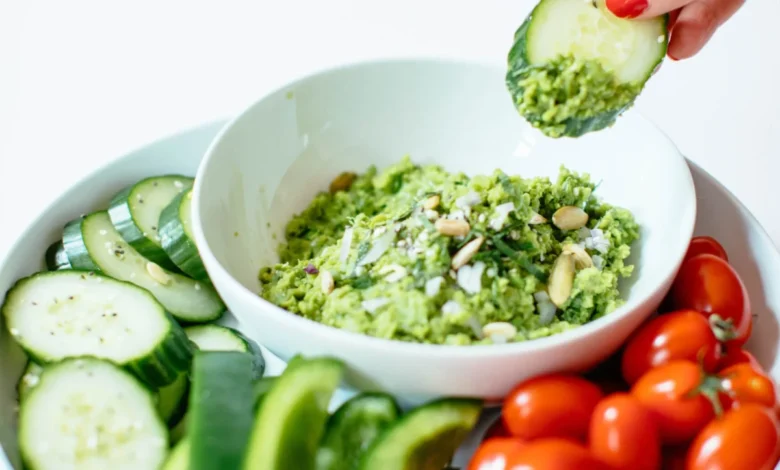
The culinary landscape of spring is witnessing a distinct shift toward vibrant, plant-forward innovations that reimagine traditional pantry staples. Among the latest trends capturing the attention of home cooks and nutritionists alike is the Minty Spring Pea Dip, a contemporary alternative to classic chickpea hummus that bridges the gap between agricultural seasonality and nutritional efficiency. Born from backyard harvests and the culinary imperative to utilize an abundance of garden-fresh herbs, this dish reflects a broader movement within modern gastronomy: the integration of hyper-local, nutrient-dense produce into quick, accessible everyday snacks.
Background Context and the Evolution of Plant-Based Dips
For decades, chickpea-based hummus has reigned supreme as the quintessential Mediterranean dip in Western households. However, culinary innovators and nutrition experts have increasingly sought to diversify plant-based spreads, driven by both flavor fatigue and the desire to maximize micronutrient profiles. Spring, historically recognized as a period of agricultural renewal, brings a surge of cruciferous vegetables, tender greens, and early legumes—most notably, the garden pea.
The conceptualization of the Minty Spring Pea Dip emerged from a common domestic challenge: agricultural surplus. Home gardeners frequently find themselves managing an overabundance of perennial herbs, particularly mint, which thrives vigorously during the spring months. By combining surplus garden mint with protein-rich spring peas, culinary creators developed a recipe that not only solves a seasonal harvesting dilemma but also introduces a refreshing, bright flavor profile that contrasts sharply with the earthy density of traditional bean pastes. This culinary adaptation mirrors a larger macroeconomic trend toward sustainable, zero-waste cooking, where home kitchens increasingly mirror farm-to-table philosophies.
Nutritional Analysis: The Foundational Five Framework
To evaluate the health implications of modern snack innovations, nutritional scientists frequently reference structured dietary frameworks. One such methodology is the Foundational Five system, which categorizes meals and snacks based on five essential nutritional elements: non-starchy carbohydrates, starchy or sugary carbohydrates, healthy fats, proteins, and the Flavor Factor. According to clinical dietetics guidelines, balanced snacking requires the integration of at least two of these core elements—excluding the Flavor Factor—to stabilize blood glucose levels and maintain satiety between primary meals.
The Minty Spring Pea Dip naturally satisfies multiple components of this nutritional framework, primarily delivering substantial plant-based protein, complex carbohydrates, and micronutrients. A detailed examination of the primary ingredients reveals why this seasonal spread has garnered attention from nutritional researchers and wellness advocates.
Peas as a Nutritional Powerhouse
Often relegated to the status of a simple side dish, the common garden pea (Pisum sativum) possesses a nutritional profile that rivals many modern superfoods. Agricultural data indicates that a single cup of green peas yields approximately 8 grams of protein—a remarkably high concentration for a vegetable. This substantial protein content has not gone unnoticed by the commercial food sector; plant-based protein manufacturers increasingly incorporate pea isolates into commercial nutritional supplements and powders.
Furthermore, peas are a formidable source of dietary fiber. One cup provides roughly 4 grams of fiber, contributing approximately 8 percent of an individual’s recommended daily intake based on a standard 35-gram daily threshold. Beyond macronutrients, peas are densely packed with vitamin K, a suite of B-complex vitamins, and essential minerals. These nutrients play a critical role in bone metabolism, cellular energy production, and overall cardiovascular maintenance.
The Therapeutic and Chemical Properties of Mint
Mint (Mentha), the secondary anchor of the spring pea dip, brings more than aromatic complexity to the dish. Phytochemical research has long highlighted the therapeutic properties of peppermint and spearmint, particularly regarding gastrointestinal health. Clinical studies published in gastroenterology journals indicate that peppermint oil and whole-leaf mint preparations can significantly alleviate symptoms associated with functional gastrointestinal disorders, including dyspepsia, abdominal bloating, flatulence, and mild spasmodic discomfort.
From a biochemical standpoint, mint leaves contain high concentrations of polyphenols and antioxidants, most notably rosmarinic acid and various flavonoids. These bioactive compounds function as potent scavengers of free radicals, mitigating oxidative stress and downregulating inflammatory pathways at the cellular level. When combined with the vitamin-rich profile of green peas, mint elevates the dip from a simple culinary condiment to a functional food with documented physiological benefits.
Fresh Versus Frozen Produce: An Economic and Nutritional Assessment
A recurring debate among culinary professionals and home economists centers on the comparative value of fresh versus frozen vegetables. While farm-fresh spring peas offer a distinctly sweet flavor profile and marginal advantages in heat-sensitive vitamin retention, frozen peas present a compelling case for year-round accessibility, affordability, and nutritional consistency.
Modern rapid-freezing technologies, executed hours after harvest, lock in the nutritional integrity of produce at its peak ripeness. Consequently, frozen peas often match or even exceed the nutrient content of fresh produce that has spent days in transit and retail storage. Nutritional experts emphasize that when consumers opt for frozen vegetables, label transparency remains paramount. Health advocates recommend purchasing single-ingredient frozen products—specifically those listing only peas on the ingredient panel—thereby avoiding unwanted sodium additives, preservatives, or unrequested emulsifiers.
Culinary Versatility and Broader Market Implications
Beyond its traditional application as a chilled crudité accompaniment, the Minty Spring Pea Dip demonstrates exceptional versatility across various culinary contexts. Food scientists and recipe developers note that the emulsion of puréed peas, olive oil, lemon, and herbs can easily transition from a cold snack to a warm culinary component.
In residential kitchens, the spread functions effectively as a sandwich spread, replacing heavy mayonnaise-based condiments with a vibrant, acid-balanced alternative. When thinned with extra-virgin olive oil and starchy pasta water, the pea purée transforms into a silky sauce capable of coating grains, rice bowls, or artisanal pasta dishes. This adaptability aligns with consumer demands for multifunctional grocery items that minimize food waste and reduce preparation time.
As consumer preferences continue to lean toward sustainable, nutrient-dense, and plant-forward eating habits, recipes like the Minty Spring Pea Dip highlight the intersection of agricultural awareness and modern nutritional science. By leveraging seasonal abundance and adhering to balanced macronutrient principles, contemporary home cooking successfully redefines the boundaries of everyday snacking, offering a scalable blueprint for health-conscious individuals navigating the modern food ecosystem.
Related posts: