Is potassium chloride a win-win by decreasing sodium intake and increasing potassium intake?

High dietary sodium intake—primarily from excessive salt consumption—stands as the preeminent dietary risk factor globally, linked to millions of premature deaths each year. Its insidious impact manifests predominantly through adverse effects on blood pressure, significantly elevating the risk of stroke, heart attack, and chronic kidney disease. Hypertension, often termed the "silent and invisible killer," frequently presents without symptoms, yet it remains one of the most potent independent predictors of mortality from leading causes of death worldwide.
The Global Burden of Sodium and the Evolutionary Mismatch
The modern human diet represents a stark reversal of our evolutionary nutritional blueprint. For millennia, human diets were characterized by an abundance of potassium and a scarcity of sodium, a pattern deeply rooted in the consumption of plant-based foods like fruits, vegetables, roots, and tubers. Today, this fundamental balance has been completely upended. The widespread reliance on highly processed foods has stripped diets of essential potassium while simultaneously inundating them with excessive sodium. This dietary shift has profound public health consequences.
According to global health organizations, the average daily sodium intake far exceeds recommended limits in many countries, contributing to a widespread epidemic of hypertension. The World Health Organization (WHO) recommends a maximum daily sodium intake of 2,000 mg (equivalent to 5 grams of salt) for adults, yet many populations consume double this amount or more. Conversely, potassium, crucial for maintaining electrolyte balance and cardiovascular health, is now classified as a "nutrient of public health concern" in many regions. Astonishingly, an estimated 98% of the U.S. population fails to meet the recommended minimum daily intake of potassium. This chronic deficiency is not merely a marker of poor diet; low potassium intake itself is a direct causal factor implicated in the development of high blood pressure and various forms of cardiovascular disease. Despite compelling evidence from numerous meta-analyses confirming that increased potassium intake significantly reduces stroke risk, the medical community has been slow to consistently advise patients to incorporate more potassium-rich foods, such as fruits and vegetables, into their diets for blood pressure control.
The adverse effects of imbalanced sodium-potassium ratios extend beyond mere blood pressure regulation. Research indicates a reduction in stroke risk that is independent of blood pressure effects, underscoring potassium’s multifaceted protective roles. These include mitigating clot formation, reducing arterial stiffening—a key indicator of cardiovascular aging—and decreasing the generation of harmful free radicals. While higher sodium intake is strongly associated with a 20% increased risk of premature mortality, a higher potassium intake correlates with a 20% reduced risk of dying prematurely. This striking contrast raises a critical question: is the benefit of low sodium and high potassium merely a proxy for an overall healthier diet, rich in plant foods and devoid of ultra-processed junk?
Unraveling Cause and Effect: The Power of Controlled Trials
To ascertain whether sodium and potassium exert direct, cause-and-effect impacts on health, scientists rely on robust randomized controlled trials (RCTs). These trials unequivocally demonstrate that reducing sodium intake directly leads to a decrease in blood pressure. Similarly, other RCTs have shown that supplementing diets with extra potassium effectively lowers blood pressure. These findings move beyond observational correlations, establishing a clear mechanistic link between dietary mineral balance and cardiovascular health outcomes.
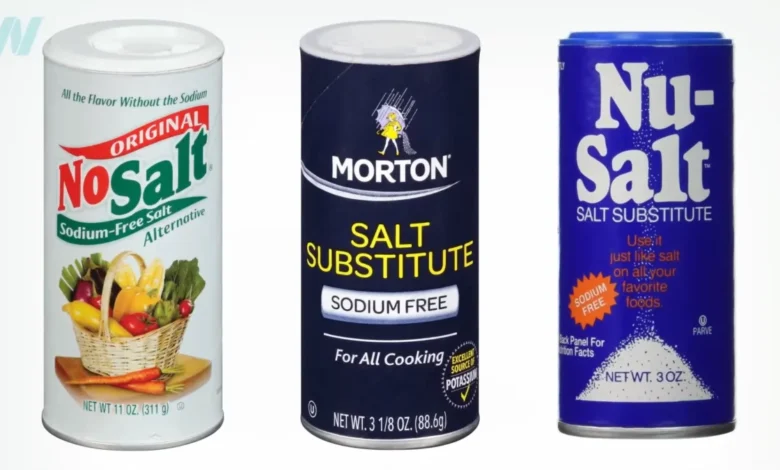
Given this robust evidence, a compelling strategy emerges: what if individuals could replace traditional sodium chloride (table salt) with potassium chloride? This naturally occurring mineral salt, harvested in a manner similar to conventional salt, presents a seemingly ideal "win-win" solution. It simultaneously addresses the twin dietary crises of excessive sodium and insufficient potassium, offering a straightforward modification to a daily dietary staple.
The Emergence of Salt Substitutes: A New Frontier in Public Health
The concept of using potassium chloride as a salt substitute is not new, but its potential as a widespread public health intervention is gaining significant traction. These "zero-sodium" or reduced-sodium salt products typically contain varying proportions of potassium chloride, sometimes blended with other ingredients to mimic the taste profile of regular salt. The primary appeal lies in their ability to reduce sodium intake without requiring drastic changes to culinary habits or perceived flavor.
Clinical Evidence: From Blood Pressure to Mortality
A growing body of scientific literature supports the efficacy of potassium chloride salt substitutes. A comprehensive analysis of ten studies, encompassing eleven randomized controlled trials, has consistently shown that simply swapping a portion of regular salt for potassium chloride can lead to significant reductions in blood pressure among individuals with hypertension. These findings suggest that salt substitutes may not only help manage existing high blood pressure but also play a crucial role in its prevention.
However, the ultimate measure of any public health intervention is its impact on hard clinical endpoints: the incidence of hypertension, cardiovascular disease events, and overall mortality. Do salt substitutes merely lower blood pressure, or do they translate into tangible improvements in longevity and disease prevention? Recent large-scale trials have provided groundbreaking answers.
Key Studies and Their Revelations:

-
Hypertension Prevention in Households: In a randomized controlled trial, households were provided with a salt substitute where just a quarter of the sodium chloride was replaced with potassium chloride. Remarkably, participants either reported no discernible taste difference or even expressed a preference for the substitute. More importantly, the consistent use of this quarter-potassium salt substitute was associated with a striking 50% reduction in the risk of developing hypertension. This study provided compelling evidence for the preventive potential of even modest salt substitution at the household level.
-
The Veterans’ Retirement Home Study: To assess the impact on cardiovascular mortality, a landmark study was conducted in a veterans’ retirement home. Five kitchen facilities were randomly assigned to two groups over a period of approximately two and a half years. Meals in one group were salted with regular sodium chloride, while the other group used a 50/50 blend of sodium chloride and potassium chloride, unbeknownst to both cooks and diners. The results were profound: participants in the half-potassium salt group experienced a roughly 40% reduction in their risk of dying from cardiovascular disease and, on average, lived nearly a year longer. The researchers highlighted the significance of this outcome, stating that the life expectancy difference observed at age 70 was "equivalent to that which would have naturally occurred in 14 years," implying that a simple dietary swap effectively made individuals more than a decade younger in terms of their risk of death.
-
The China Salt Substitute and Stroke Study (SS&SS): Perhaps the most impactful evidence comes from a massive, multicenter randomized controlled trial conducted across 600 villages in rural China. Involving over 20,000 participants over five years, this monumental study assigned households to either receive a salt substitute containing a quarter potassium chloride or continue using regular salt. The results, published in a leading medical journal, were unequivocal. The salt substitute not only significantly reduced the incidence of strokes and other cardiovascular events but also led to a measurable reduction in all-cause mortality. This robust finding from a large, real-world setting offers compelling evidence that salt substitutes can indeed translate to improved survival rates across an entire population.
Geographical and Cultural Context: The China Advantage
China provided an ideal setting for the SS&SS study due to its unique dietary patterns. In China, an estimated 75% of the population’s sodium intake originates from salt added during home cooking or at the dining table. This contrasts sharply with many Western diets, particularly in countries like the United States, where the majority of sodium comes pre-packaged in processed foods, restaurant meals, and commercially prepared meat products. This distinction highlights both the immense potential and the varying challenges of implementing salt substitution strategies globally. In contexts like China, where home cooking dominates, direct household-level salt substitution can have a broad and immediate impact. In countries with high consumption of processed foods, the onus would largely fall on food manufacturers to reformulate their products using potassium chloride, a transition that has been slow to materialize.
Barriers to Widespread Adoption and Policy Implications
Despite the compelling scientific evidence and the clear public health benefits, the widespread adoption of potassium chloride salt substitutes has faced significant hurdles. Why haven’t food companies embraced this simple switch more aggressively? And why aren’t more consumers using these readily available alternatives?
Several factors contribute to this inertia:
- Taste Perception: While many studies suggest minimal taste difference or even preference, some consumers may detect a slight metallic or bitter aftertaste, especially with higher concentrations of potassium chloride.
- Consumer Awareness: A significant portion of the public remains unaware of the health benefits of potassium chloride or even its existence as a viable salt substitute.
- Industry Resistance: Food manufacturers may face perceived challenges related to cost, ingredient sourcing, re-formulation, and consumer acceptance. There may also be a lack of regulatory pressure to make such changes.
- Regulatory Frameworks: Current food labeling regulations and dietary guidelines might not adequately promote or incentivize the use of potassium chloride in processed foods.
However, the potential for a paradigm shift is immense. As a Mayo Clinic review aptly titled, "Achieving the Benefits of a High-Potassium, Paleolithic Diet, Without the Toxicity," suggests, salt substitution could offer a pathway to improved health without the complexities or potential downsides of restrictive dietary changes. The question posed by a commentary, "Is Salt Substitution Ready for Prime Time?" is becoming increasingly relevant.
Addressing Safety Concerns: A Critical Consideration
While the benefits of potassium chloride salt substitutes appear robust, any widespread dietary intervention necessitates a thorough examination of potential risks. Concerns have been raised, particularly regarding the "inclusion of potentially fatal salt substitutes in the food supply." This apprehension primarily stems from the fact that individuals with certain medical conditions, particularly those with impaired kidney function, may struggle to excrete excess potassium. In such cases, a sudden increase in potassium intake could lead to hyperkalemia, a dangerously high level of potassium in the blood, which can have serious cardiac implications.
Therefore, while the vast majority of the population stands to benefit from increased potassium intake, careful consideration must be given to individuals with pre-existing conditions that affect potassium metabolism. This necessitates clear labeling, public health education, and potentially, medical guidance for specific patient groups. The balance between maximizing population-level benefits and mitigating individual risks is a crucial aspect that policymakers and healthcare providers must address as they consider broader implementation strategies.
Conclusion: A Promising Path Forward
The evidence strongly suggests that potassium chloride salt substitutes represent a powerful, yet underutilized, tool in the global fight against hypertension and cardiovascular disease. By simultaneously reducing harmful sodium intake and increasing beneficial potassium intake, these substitutes offer a straightforward, accessible, and often palatable way to improve public health outcomes. While dietary changes focused on whole, plant-based foods remain the gold standard for achieving optimal sodium-potassium balance and overall nutrition, salt substitutes offer a pragmatic, complementary strategy, particularly in environments where processed food consumption is high or where home cooking practices are deeply ingrained. Moving forward, concerted efforts in public health education, food industry reformulation, and careful regulatory guidance will be essential to unlock the full potential of potassium chloride as a cornerstone of modern dietary health.
Related posts: