Mediterranean Bean Salad: A Nutritional Analysis of Sustainable Meal Prep and Dietary Efficiency

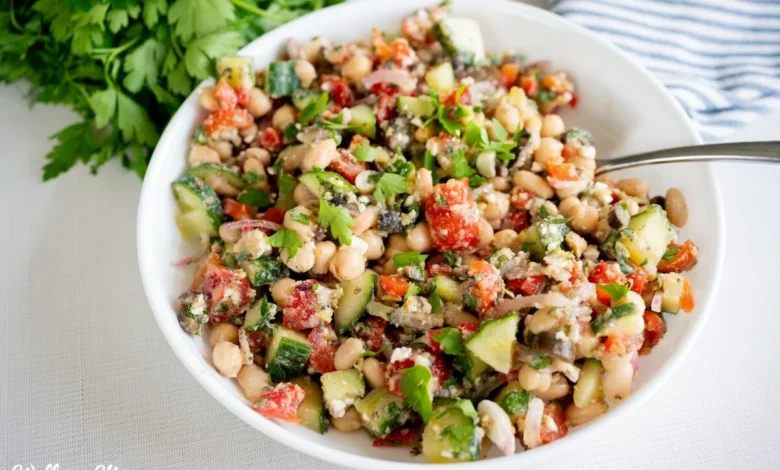
The modern landscape of nutritional planning is increasingly shifting toward methods that emphasize both time efficiency and nutrient density. As household schedules become more demanding, the necessity for "meal prep"—the practice of preparing ingredients or complete meals in advance—has evolved from a niche fitness strategy into a mainstream approach to household management. Among the most versatile staples in this category is the Mediterranean bean salad, a dish that has gained prominence due to its reliance on shelf-stable, high-fiber, and plant-forward ingredients.
The Evolution of Meal Preparation Strategies
The concept of batch cooking and advanced meal preparation traces its origins to industrial kitchen management, where maximizing output while minimizing labor costs was paramount. In a domestic context, these principles have been adapted to address the "time-scarcity" paradox, where consumers desire healthy, home-cooked meals but lack the daily bandwidth to prepare them from scratch.
Mediterranean-style diets, characterized by high intake of legumes, olive oil, vegetables, and minimal processed additives, have been consistently ranked by nutritional panels—such as the U.S. News & World Report’s annual diet rankings—as the most effective for long-term health. The Mediterranean bean salad acts as a functional implementation of these guidelines, providing a balanced profile of complex carbohydrates, plant-based proteins, and monounsaturated fatty acids.
Nutritional Composition and Ingredient Synergy
From a biochemical perspective, the efficacy of a bean-based salad lies in the synergy between its components. The foundation typically involves a combination of legumes, such as chickpeas (garbanzo beans) and cannellini beans. Legumes are a cornerstone of global food security, offering approximately 7 to 9 grams of protein per half-cup serving, alongside significant dietary fiber. Fiber is essential for glycemic control, as it slows the absorption of glucose into the bloodstream, preventing the insulin spikes associated with highly processed convenience foods.
The lipid profile of the dish is provided by extra virgin olive oil, a staple of the Mediterranean diet. Olive oil is rich in oleic acid, a monounsaturated fat associated with reduced systemic inflammation and improved cardiovascular markers. When paired with lemon juice—a source of citric acid and Vitamin C—the acidity not only provides flavor but also enhances the bioavailability of non-heme iron found in the beans. This chemical reaction, where Vitamin C aids in the absorption of plant-based iron, is a fundamental principle of nutritional science.
Chronology of Culinary Preparation and Flavor Development
Unlike leafy green salads, which are prone to enzymatic browning and wilting due to high water content and delicate cell structures, bean salads exhibit superior structural integrity. The "marination period" is a critical stage in the preparation of this dish.
During the initial 15 to 30 minutes post-assembly, the osmotic pressure created by the dressing draws moisture from the vegetables and allows the herbs—such as oregano, parsley, and mint—to infuse the beans. When refrigerated for 24 to 72 hours, the components undergo a stabilization process. The starch molecules in the legumes begin to absorb the vinaigrette, resulting in a deeper flavor profile. Food scientists note that this resting period is not merely aesthetic; it allows for the stabilization of flavor compounds, making the dish a rare example of a food product that improves in quality over time.
Market Trends and Consumer Behavior
Current market data indicates a significant rise in consumer interest regarding "no-cook" or "minimal-cook" meal solutions. According to industry analysis, the surge in home-based meal preparation is correlated with a shift in workplace dynamics, specifically the rise of hybrid and remote work models. As employees move away from traditional office cafeteria environments, the demand for portable, non-perishable lunch solutions has increased.
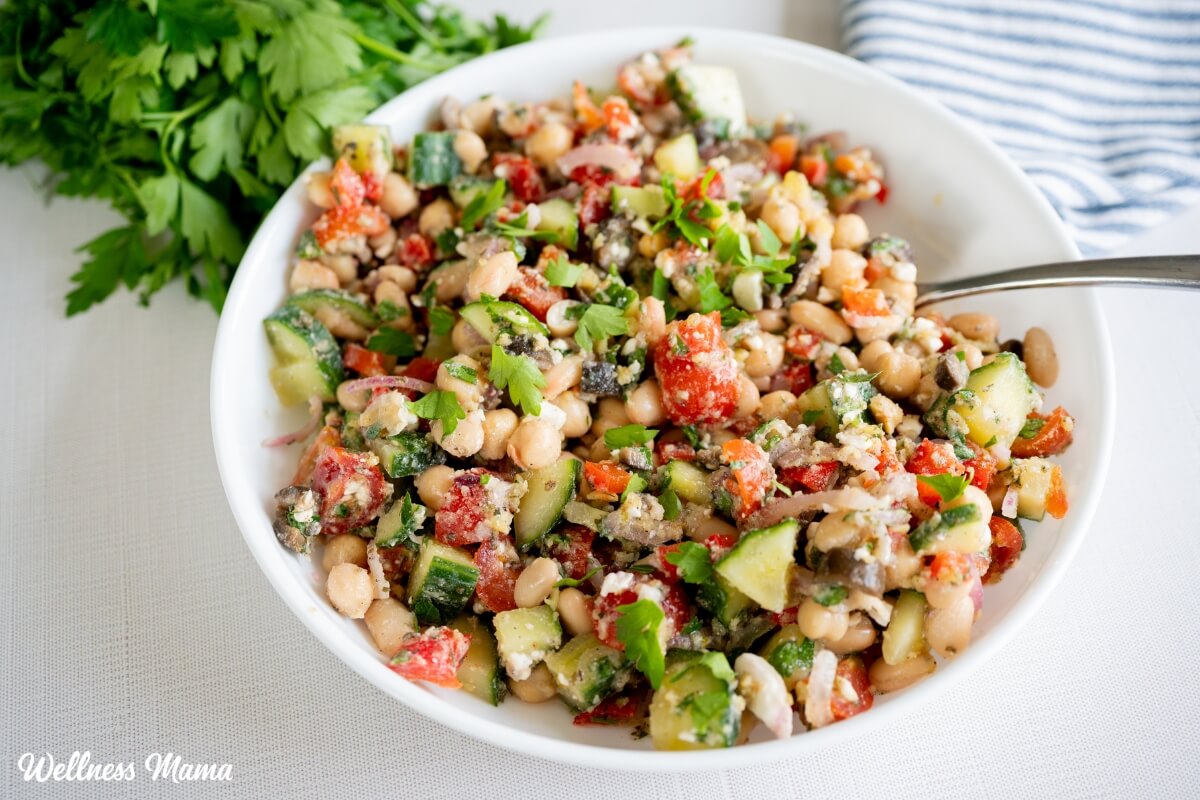
The Mediterranean bean salad meets these criteria through:
- Shelf Stability: The absence of mayonnaise or dairy-based dressings (other than hard, aged cheeses like feta) reduces the risk of rapid bacterial proliferation.
- Cost-Efficiency: Legumes, whether dried or canned, remain among the most cost-effective protein sources per calorie compared to animal-based proteins.
- Customizability: The inherent modularity of the recipe—allowing for the substitution of butter beans, Kalamata olives, or varied fresh vegetables—prevents "flavor fatigue," a common psychological hurdle in repetitive dieting.
Fact-Based Analysis of Nutritional Implications
A standard one-cup serving of a well-balanced Mediterranean bean salad typically yields approximately 200 calories, with a balanced distribution of macronutrients: roughly 11 grams of fat, 20 grams of carbohydrates, and 8 grams of protein.
The inclusion of raw vegetables such as bell peppers and tomatoes provides a high concentration of antioxidants, including lycopene and beta-carotene. The use of garlic and fresh herbs acts as a natural flavoring agent, which is of particular interest to health organizations looking to decrease population-wide sodium intake. By utilizing the intense aromatic profiles of fresh herbs, cooks can reduce their reliance on salt without compromising the sensory appeal of the meal.
Implementation and Scalability
For households managing busy schedules, the scalability of this recipe is a major advantage. Doubling or tripling the batch size does not increase the proportional labor time, making it an efficient use of "prep hours." Furthermore, the dish functions as a "base layer" for more complex meals. It can be served alongside grilled proteins (such as chicken, pork, or fish) or folded into a larger salad base, providing a multifaceted approach to menu planning.
Professional chefs often highlight that the key to success with such preparations is the quality of the emulsion. A simple whisked dressing of high-quality olive oil and fresh lemon juice, when stored in an airtight container like a glass Mason jar, maintains its emulsified state more effectively than store-bought dressings, which often rely on stabilizers and emulsifiers that can alter the flavor profile of the fresh vegetables.
Broader Impact on Public Health
The long-term implications of promoting such recipes extend beyond individual convenience. By encouraging the consumption of legumes and fresh, plant-based ingredients, such dishes contribute to the broader public health goal of reducing the intake of ultra-processed foods. As the global population faces rising rates of metabolic disorders, the promotion of nutrient-dense, fiber-rich, and affordable home-prepared meals is a vital component of preventative healthcare.
Furthermore, the environmental impact of a bean-centric diet is significantly lower than that of meat-heavy alternatives. Legumes are nitrogen-fixing crops, which can improve soil health and require significantly less water and land to produce than livestock. Therefore, the adoption of Mediterranean bean salads represents a dual win: an improvement in personal health markers and a step toward more sustainable dietary habits.
Conclusion
The Mediterranean bean salad is more than a simple recipe; it is a strategic tool for managing modern nutritional needs. By leveraging the principles of fiber-rich plant nutrition, shelf-stable meal preparation, and flavor-enhancing culinary techniques, individuals can effectively navigate the challenges of time-constrained living while maintaining high standards for health and dietary quality. As consumer trends continue to favor sustainability and efficiency, the role of such foundational, adaptable dishes is likely to grow, cementing their place as a staple in the modern, health-conscious kitchen.
Related posts: