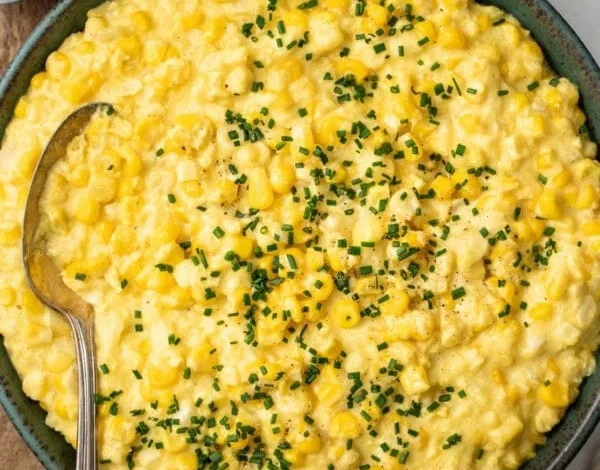
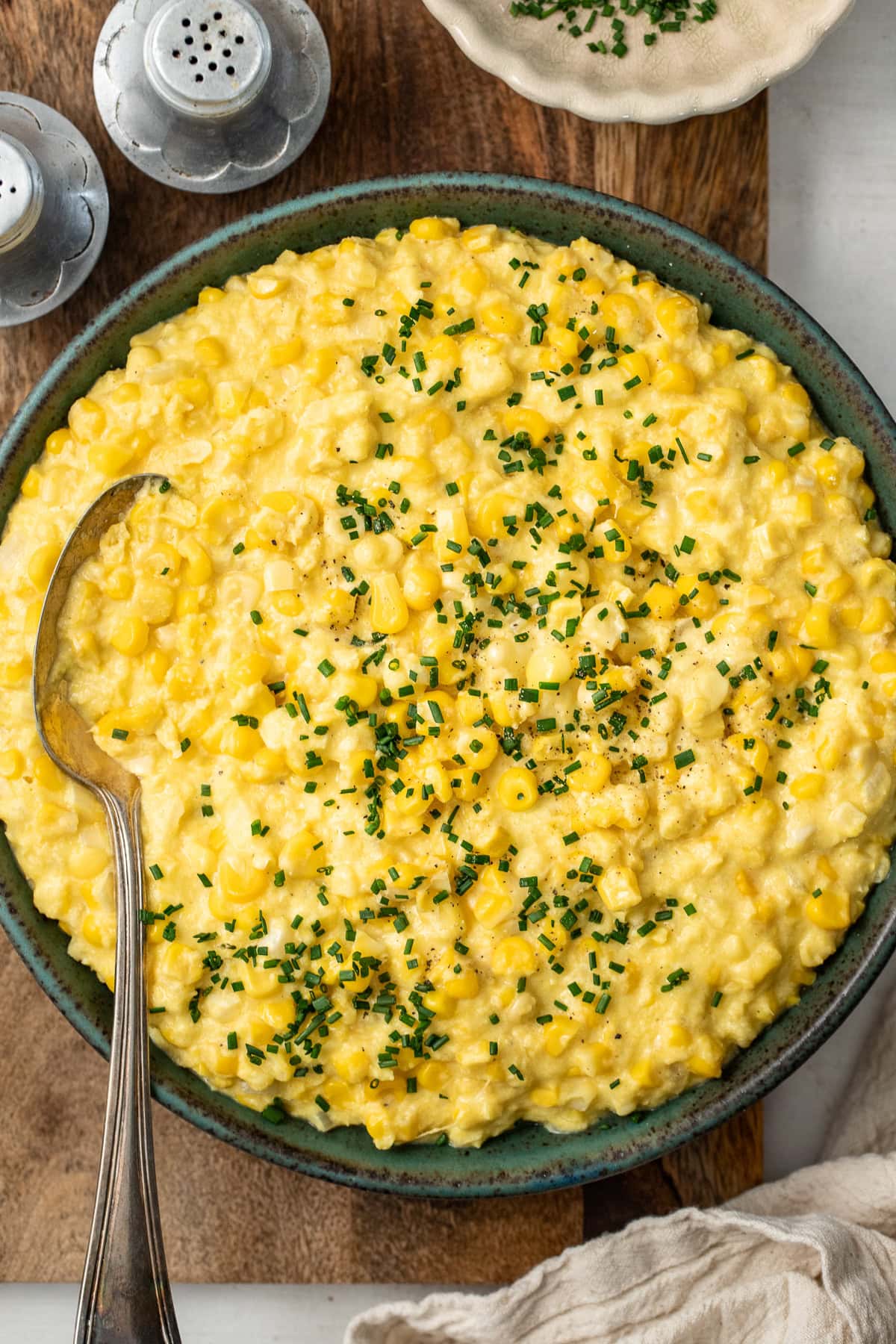
The culinary landscape of traditional comfort food is undergoing a quiet revolution as home cooks and professional chefs alike seek innovative ways to lighten heavy dishes without sacrificing flavor or texture. A prime example of this ongoing shift is a newly popularized recipe for homemade creamed corn that completely eliminates the heavy cream and flour typically required to achieve a velvety consistency. Developed to highlight the natural sweetness of fresh or frozen sweet corn, this modernized side dish relies on a clever blending technique, utilizing milk, a touch of butter, and reduced-fat cream cheese to create a rich, luxurious sauce. As consumers increasingly prioritize lighter nutritional profiles in their daily meals and holiday spreads, this recipe offers a compelling blueprint for how classic comfort dishes can evolve to meet modern dietary preferences while maintaining traditional appeal.
Background Context and Culinary Evolution
Creamed corn has long held a cherished place in North American cuisine, frequently appearing on weeknight dinner tables and serving as a staple at holiday gatherings such as Thanksgiving and the Fourth of July. Historically, commercial canned varieties popularized the dish, though they often introduced high levels of sodium, corn syrup, and artificial thickeners. Meanwhile, traditional from-scratch preparations typically depended on generous quantities of heavy cream, whole milk, and flour-based roux to achieve thickness.
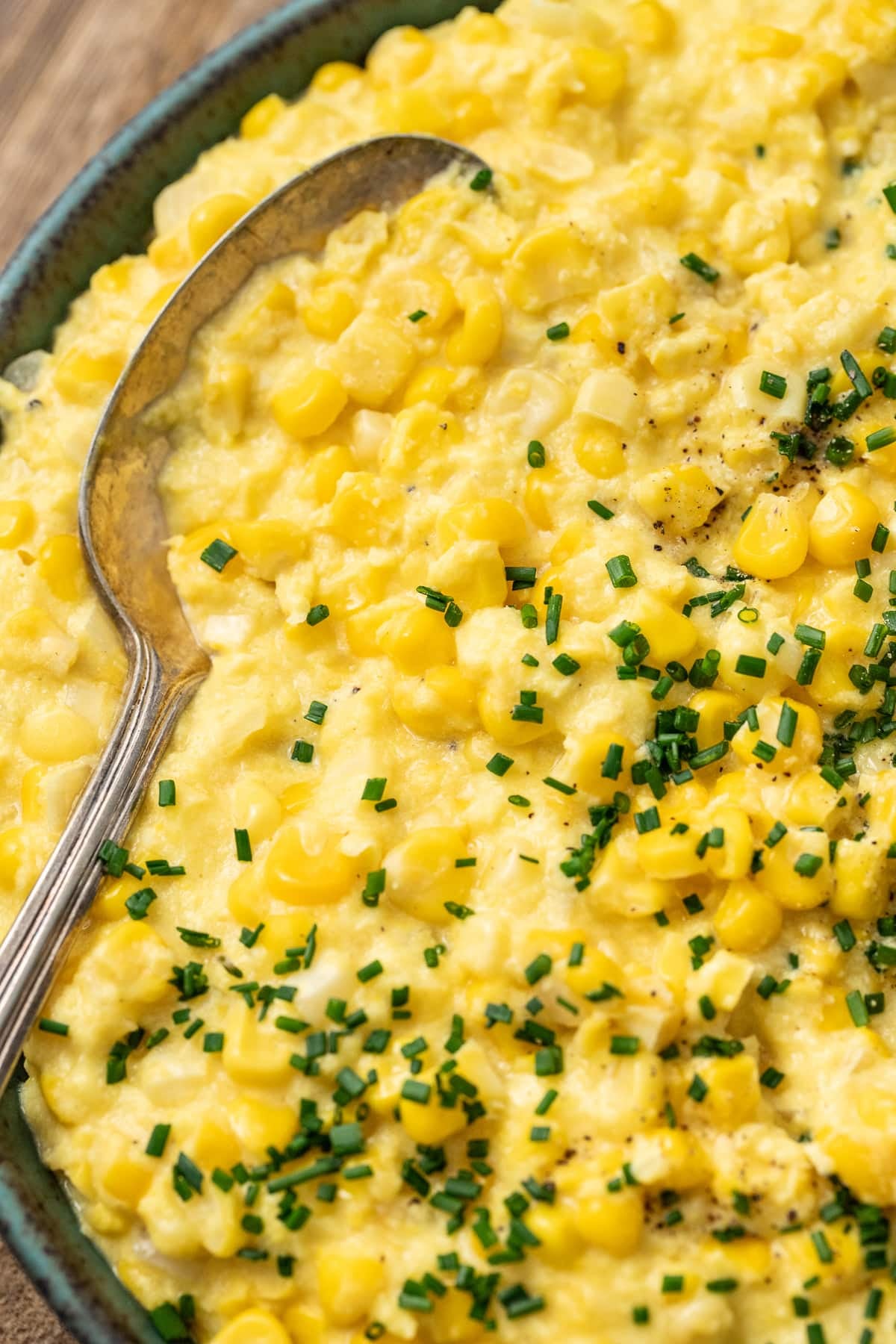
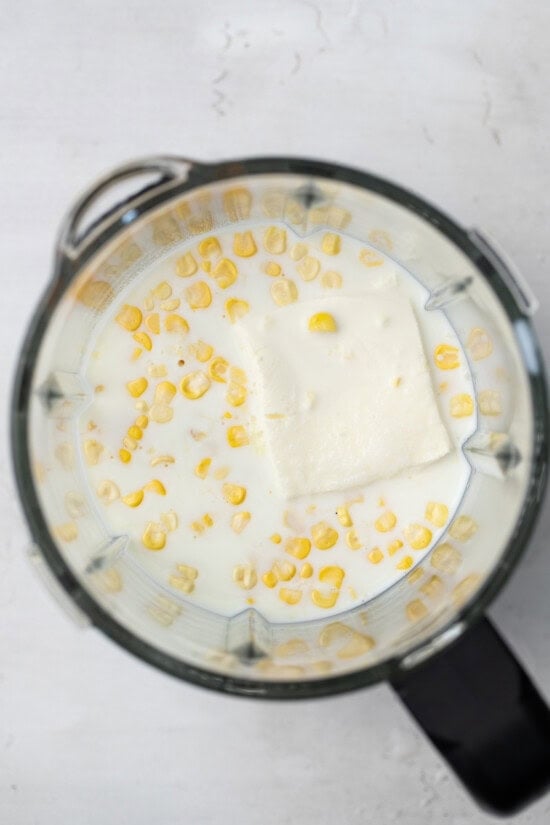
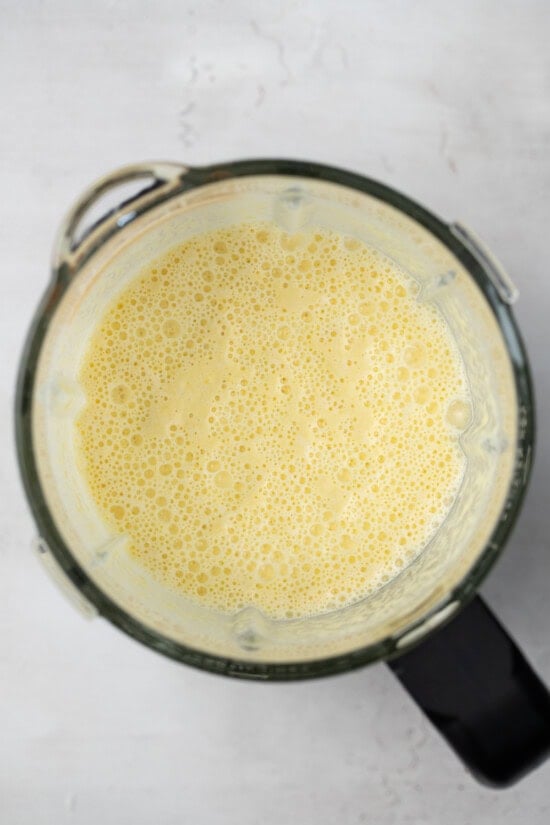
While these traditional methods yield a rich flavor profile, they also significantly increase the calorie and saturated fat content of what is fundamentally a vegetable side dish. In response to these nutritional concerns, contemporary culinary approaches have focused on structural modifications—such as emulsification and vegetable-based purees—to mimic traditional textures naturally. By blending a portion of the corn kernels directly with milk and cream cheese, the recipe harnesses the natural starches of the corn itself. This technique creates a thick, cohesive base that coats the remaining whole kernels, ensuring that the vegetable remains the star of the dish rather than being masked by heavy dairy fats.
Methodology and Preparation Breakdown

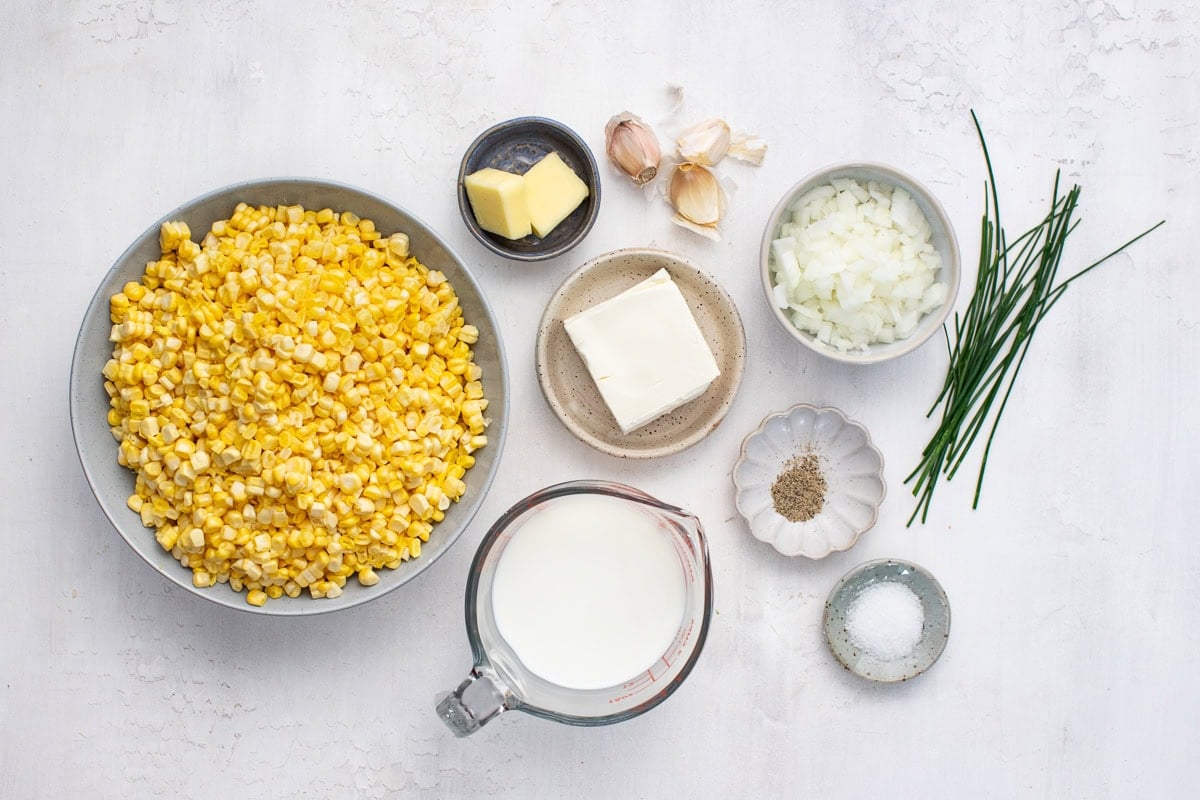
The preparation of this updated creamed corn requires minimal kitchen equipment, typically involving only a blender and a large saucepan. The process begins by combining a portion of the sweet corn with reduced-fat cream cheese and milk, blending the mixture until it reaches a smooth, integrated consistency. This pureed mixture serves as the foundation for the sauce, which is gently simmered with finely diced onions, garlic, and a minimal amount of butter to establish a balanced flavor profile that counters the natural sweetness of the corn without requiring added refined sugars.
Unlike traditional roux-based sauces that demand vigilant stirring over high heat to prevent scorching, this recipe emphasizes gentle, low-temperature reduction. This method allows the starches to thicken the sauce organically while preserving the structural integrity and crisp-tender bite of the whole kernels stirred in at the final stage. The entire process, from initial prep to final presentation, takes approximately 43 minutes, making it feasible for both hurried weeknight schedules and elaborate holiday meal planning.

Nutritional Analysis and Dietary Implications
From a nutritional standpoint, the elimination of heavy cream and flour yields a significantly lighter profile compared to conventional creamed corn recipes. Standardized nutritional data for a standard three-quarter cup serving indicates approximately 229.5 calories, 7.5 grams of total fat (including 4 grams of saturated fat), and 8 grams of protein. Additionally, the dish provides roughly 4 grams of dietary fiber and 39 grams of carbohydrates, primarily sourced directly from the corn kernels.
Furthermore, because the recipe avoids the use of flour or wheat-based thickeners, it is naturally gluten-free, accommodating individuals with celiac disease or non-celiac gluten sensitivity without requiring specialized substitute ingredients. The incorporation of reduced-fat cream cheese also lowers the overall cholesterol content—registering at approximately 20.5 milligrams per serving—while maintaining a mouthfeel that satisfies diners accustomed to full-fat dairy preparations.
Pairing and Versatility in Modern Meal Planning
Culinary experts note that the versatility of this creamed corn makes it an adaptable accompaniment across a wide spectrum of proteins and menu configurations. Its balanced sweetness and creamy texture pair naturally with roasted poultry, such as rosemary and lemon-infused roast chicken or traditional dry-brined holiday turkey. Additionally, the dish complements beef and pork dishes, including air-fried steaks and bacon-wrapped pork tenderloins, acting as a bridge between rich meat proteins and fresh vegetable sides.
For home cooks planning ahead, the recipe offers strong make-ahead and storage capabilities. It can be prepared in advance, stored in airtight containers within the refrigerator, and gently reheated on a stovetop with a splash of milk to restore its original creamy consistency. This practicality has contributed to its rising popularity as a dependable option for large-scale gatherings where time management in the kitchen is critical.
Broader Industry Impact and Consumer Trends
The reception of this simplified, lighter creamed corn reflects broader consumer trends emphasizing transparency, ingredient reduction, and health-conscious comfort cooking. As home cook demographics shift toward younger generations who value both efficiency and nutritional awareness, recipes that reduce processed thickeners and excessive fats while preserving authentic flavor are experiencing increased demand. By demonstrating that classic comfort dishes can be modernized through clever kitchen techniques rather than artificial additives, recipes of this nature signal a continuing evolution in how everyday American cuisine is prepared and consumed.