Gut Microbes Hold the Key to Biological Aging, Revealing a 15 Percent Link Between Intestinal Health and Longevity

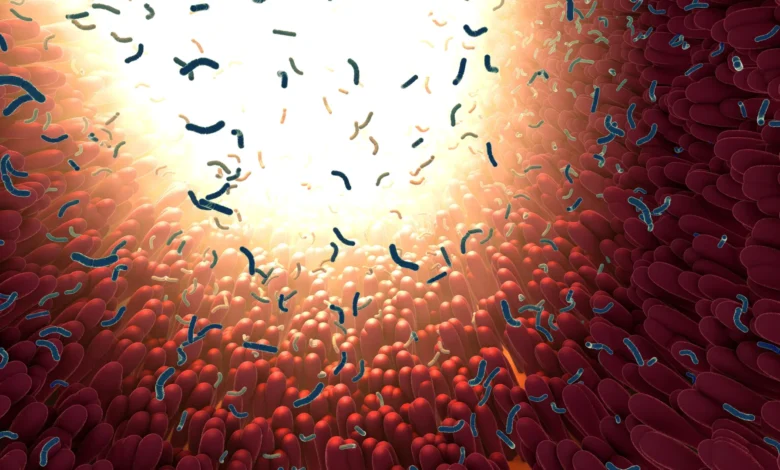
In the ongoing scientific quest to decode the complexities of human aging, researchers have zeroed in on a surprising and deeply influential partner: the microscopic ecosystem residing within the human digestive tract. A groundbreaking study conducted by a multidisciplinary team at the University of Hawaiʻi at Mānoa has revealed a compelling link between the composition of the human gut microbiome and the rate at which the body biologically ages. Published in the peer-reviewed journal Scientific Reports, the research demonstrates that differences in gut bacterial communities account for approximately 15 percent of the variation observed in participants’ biological aging rates.
This discovery opens a transformative chapter in precision medicine and gerontology. By establishing that specific microbial patterns are tied to molecular measures of aging independently of chronological age, the study provides a robust framework for understanding how modifiable biological systems dictate long-term health trajectories. As scientists worldwide look for actionable ways to promote healthspan—the period of life spent in good health—rather than just lifespan, the gut microbiome has rapidly emerged as a primary target for future therapeutic and lifestyle interventions.
Decoding the Study: Methodology and Biomarkers
To unravel the relationship between intestinal flora and the aging process, the research team at the John A. Burns School of Medicine undertook a comprehensive cross-sectional investigation. The study analyzed stool and blood samples collected from 123 adult participants representing a wide demographic spectrum, including a notable cohort of Native Hawaiian and Pacific Islander individuals. This specific inclusion is particularly significant, as these populations have historically experienced underrepresentation in genomic, microbiome, and aging research, leaving critical gaps in universal health data.
The methodology relied on two primary vectors of analysis: genetic sequencing of the fecal samples to map the participants’ gut microbial communities, and blood-based molecular assays designed to evaluate systemic physiological aging. Crucially, the researchers utilized DunedinPACE, an advanced epigenetic biomarker that measures the pace of biological aging. Unlike chronological age—which merely counts the number of calendar years a person has been alive—DunedinPACE assesses how rapidly critical physiological systems, including metabolic, immune, cardiovascular, and renal functions, are deteriorating or maintaining resilience over time.
When the researchers cross-referenced the microbiome profiles with the DunedinPACE metrics, distinct patterns emerged. The data revealed that variations in gut bacterial populations accounted for a substantial 15 percent of the variance in biological aging rates across the study cohort. Certain bacterial species stood out for their pronounced statistical correlation with the aging index. Specifically, Bifidobacterium adolescentis—a well-known probiotic bacterium often associated with carbohydrate fermentation and intestinal barrier maintenance—was prominently linked to slower biological aging. Conversely, Succinivibrio dextrinosolvens showed one of the strongest associations with accelerated biological aging, signaling that an imbalance or overabundance of certain taxa may mirror or contribute to systemic physiological decline.
The Chronology of Microbiome Research and Aging
The UH Mānoa study does not exist in a vacuum; rather, it represents the latest milestone in a rapidly accelerating timeline of microbiome science over the past two decades. To fully appreciate the weight of these findings, it is helpful to examine the historical trajectory of human microbiome research:
- 2007–2012 (The Human Microbiome Project): Funded by the National Institutes of Health (NIH), this landmark initiative mapped the normal microbial makeup of healthy human bodies, establishing that trillions of microbes inhabit the gut, skin, and mucosal membranes, playing vital roles in metabolism and immunity.
- 2015–2018 (The Gut-Brain Axis and Systemic Inflammation): Researchers began linking gut dysbiosis—an imbalance in microbial communities—to chronic, low-grade systemic inflammation (often termed "inflammaging"). Studies demonstrated that gut metabolites could cross the intestinal barrier, influencing neurological function, metabolic syndrome, and cellular senescence.
- 2020–2022 (Emergence of Epigenetic Clocks): The introduction of advanced biological aging metrics like DunedinPACE allowed scientists to measure aging rates at the molecular level with unprecedented precision, shifting the focus from static disease endpoints to dynamic aging trajectories.
- 2024 (The UH Mānoa Breakthrough): Researchers successfully quantify the direct statistical link between specific gut microbial signatures and the pace of biological aging in a diverse cohort, isolating a 15 percent variance attributable directly to the intestinal microbiome.
Insights from the Research Team
Senior author Alika K. Maunakea emphasized the profound implications of these findings for future healthcare strategies. "This study advances our understanding of the relationship between the gut microbiome and biological aging," Maunakea noted. "We found that microbial patterns in the gut were significantly associated with molecular measures of aging, even independent of chronological age. These findings open important new directions for understanding how modifiable biological systems influence long-term health trajectories and longevity."
Lead author Braden P. Kunihiro highlighted the unique malleability of the microbiome compared to the human genome, positioning it as an ideal candidate for precision health interventions. While a person’s DNA sequence is immutable, the microbiome is highly responsive to daily inputs. "The gut microbiome is highly responsive to lifestyle, diet, environment, and other everyday exposures," Kunihiro explained. "Our findings suggest that the microbiome may reflect important aspects of biological resilience and aging in ways that could eventually help inform future wellness and healthy aging strategies."
Furthermore, co-author Ruben Juarez addressed the socio-environmental dimensions of the research, stressing the importance of including diverse populations to understand how external factors embed themselves into human biology over a lifetime. "The microbiome exists at the intersection of behavior, environment, and human biology," Juarez stated. "Studies like this help illuminate potential pathways through which lived experiences and social factors influence long-term health outcomes."
The Modifiable Nature of the Intestinal Ecosystem
One of the most compelling aspects of the gut microbiome in the context of geroscience is its modifiable nature. Unlike genetic predispositions that individuals inherit, the composition of gut bacteria is continuously shaped by external variables throughout the human lifespan.
Dietary patterns play a foundational role in dictating microbial diversity. Diets rich in dietary fiber, polyphenols, and complex carbohydrates provide the necessary substrates for beneficial bacteria like Bifidobacterium to thrive, producing short-chain fatty acids (SCFAs) such as butyrate, acetate, and propionate. These SCFAs serve as the primary energy source for colonocytes, help maintain the integrity of the intestinal epithelial barrier, and exert systemic anti-inflammatory and immunomodulatory effects.
Conversely, diets high in ultra-processed foods, refined sugars, and saturated fats tend to foster the proliferation of pro-inflammatory bacterial strains, which can compromise gut permeability, promote endotoxemia, and exacerbate systemic inflammaging. Beyond nutrition, factors such as chronic psychological stress, sleep deprivation, physical activity levels, pharmacological interventions (particularly antibiotics and proton-pump inhibitors), and geographical environment exert profound pressures on the stability and diversity of the gut ecosystem.
Because these factors are inherently modifiable, the identification of specific microbial signatures associated with accelerated or decelerated aging provides a tangible roadmap for preventative medicine. If future clinical trials can confirm that shifting the microbiome directly influences the pace of biological aging, physicians may soon possess a powerful non-invasive tool to optimize patient longevity through targeted dietary prescriptions, prebiotic and probiotic therapies, and fecal microbiota transplantation.
Navigating Correlation Versus Causation
Despite the enthusiasm surrounding these findings, the research team issues a vital scientific caveat: the study establishes a strong observational correlation, but it does not definitively prove cause and effect.
In epidemiological and microbiome research, identifying that individuals with slower biological aging possess high levels of Bifidobacterium adolescentis does not automatically mean that introducing this bacterium into an aging individual will reverse or slow their physiological decline. It remains entirely possible that a youthful, metabolically resilient host environment creates an optimal physiological habitat for specific beneficial bacteria to flourish, rather than the bacteria being the primary driver of youthfulness. Alternatively, a third unmeasured variable—such as a specific metabolic pathway or immune regulation mechanism—could simultaneously influence both the microbiome composition and the aging rate.
To bridge this gap, rigorous longitudinal studies and randomized controlled trials (RCTs) will be required. These future investigations must test whether interventions designed to alter the gut microbiome—such as targeted nutritional therapies, microbiome-modulating drugs, or targeted microbial supplementation—can yield measurable improvements in DunedinPACE scores and other validated biomarkers of biological aging over time.
Broader Implications for Precision Health and Longevity
The implications of the UH Mānoa study extend far beyond academic gerontology, touching upon the future of clinical practice, public health policy, and the burgeoning wellness industry. As healthcare systems globally face the economic and social burdens of aging populations, shifting the paradigm from treating age-related diseases after they manifest to preserving biological resilience across the lifespan is paramount.
Integrating microbiome analysis into routine health screenings could soon allow clinicians to assess a patient’s biological aging rate years or even decades before the onset of chronic conditions such as cardiovascular disease, type 2 diabetes, and neurodegenerative disorders. By offering personalized interventions that target the gut microbiome, healthcare providers could potentially intercept the aging process at a molecular level, mitigating the risk of multi-morbidity and extending healthspan.
Moreover, the deliberate inclusion of Native Hawaiian and Pacific Islander populations in this study marks a crucial step toward equitable precision health research. Disparities in chronic disease incidence often stem from a complex interplay of genetic ancestry, socioeconomic conditions, environmental exposures, and lifestyle factors. Understanding how these social and environmental determinants manifest biologically through the microbiome ensures that future anti-aging therapies and wellness frameworks are effective and accessible across diverse demographic groups, rather than benefiting only homogenous cohorts.
Looking Ahead: The Next Frontier in Geroscience
As the scientific community digests these findings, the path forward is both clear and demanding. Researchers are already designing subsequent studies to dissect the mechanistic pathways linking specific microbial metabolites to epigenetic aging clocks. By identifying the exact molecular signals exchanged between gut bacteria and human host cells, scientists hope to isolate the biochemical keys to cellular preservation.
While we await the results of future causal trials, the message for public health is grounded in existing knowledge: nurturing a diverse and resilient gut microbiome through a fiber-rich diet, regular physical activity, stress management, and minimized exposure to gut-disruptive substances remains a prudent strategy for overall health.
As senior author Alika K. Maunakea concluded, viewing this research as an early stepping stone is essential. "This is an important early step toward understanding the gut microbiome’s relationship with healthy aging," he emphasized. "Future research will help clarify the mechanisms involved and whether these microbial signatures may eventually contribute to precision approaches for promoting long-term health and wellness."
Through continued interdisciplinary research, the microscopic inhabitants of our digestive tracts may soon unlock new pathways to not only add years to our lives, but to add vibrant, healthy life to our years.
Related posts: