The culinary landscape is constantly evolving, with an increasing focus on dietary preferences and health-conscious alternatives. One such innovation that has gained traction is grain-free granola, a versatile and satisfying alternative to traditional oat-based varieties. This article delves into the origins, benefits, and adaptability of grain-free granola, exploring its emergence as a staple in modern kitchens.
The Genesis of Grain-Free Granola
The concept of grain-free granola, while initially perplexing to some, emerged as a response to evolving dietary needs and a desire for nutrient-dense breakfast and snack options. The traditional granola, a beloved crunchy cereal typically made with rolled oats, sweeteners, and nuts, has long been a breakfast favorite. However, for individuals seeking to reduce their grain intake for various health reasons, an alternative was needed.
This particular grain-free granola recipe, as detailed by its creator, found its roots in the necessity of managing blood sugar levels during pregnancy. The author, initially a proponent of oats and whole grains, was compelled to adopt a more carb-conscious approach due to gestational diabetes. This personal journey led to the discovery and adaptation of a recipe from Lily Nichols’ acclaimed book, "Real Food for Pregnancy." Nichols, a registered dietitian, has extensively researched and advocated for nutrient-dense, whole-food approaches to prenatal nutrition. Her work often highlights the importance of quality fats and proteins, and the judicious use of carbohydrates, aligning with the principles behind grain-free formulations.
The adaptation process involved tweaking the original recipe to create a blend that maintained the desirable sweet, nutty crunch of traditional granola while omitting grains entirely. This resulted in a product that not only met specific dietary requirements but also offered a compelling sensory experience, proving to be an "irresistible" addition to breakfasts and snacks.
Nutritional Profile and Health Considerations
The appeal of grain-free granola extends beyond its texture and taste; it lies in its potential nutritional benefits and its suitability for a range of dietary restrictions. While traditional granola is a good source of fiber, the absence of grains in this alternative opens up new avenues for nutrient intake.
- Reduced Carbohydrate Load: For individuals managing blood sugar, such as those with diabetes or insulin resistance, grain-free options can be advantageous by lowering the overall carbohydrate content of a meal. This is particularly relevant given the rising global prevalence of diabetes, which reached an estimated 537 million adults worldwide in 2021, according to the International Diabetes Federation.
- Nutrient Density: Grain-free granola typically relies on a base of nuts and seeds, which are rich in healthy fats, protein, vitamins (like Vitamin E and B vitamins), and minerals (such as magnesium, zinc, and selenium). For instance, almonds, a common ingredient, are a good source of Vitamin E, an antioxidant. Seeds like chia and flax, often incorporated for their nutritional boost, are excellent sources of omega-3 fatty acids and fiber.
- Fiber Content: Despite the absence of oats, grain-free granola can still be a good source of dietary fiber, primarily from nuts, seeds, and coconut. Fiber plays a crucial role in digestive health, satiety, and blood sugar regulation.
- Allergen Considerations: While not inherently allergen-free, grain-free formulations can sometimes be adapted to be free of common allergens like gluten. This particular recipe is highlighted as being gluten-free, dairy-free, egg-free, soy-free, and vegan (when maple syrup is used instead of honey), making it accessible to a broader audience with diverse dietary needs and preferences.
Adaptability and Versatility in the Kitchen
A significant advantage of this grain-free granola recipe is its inherent adaptability, allowing for personalization based on ingredient availability and individual taste preferences.
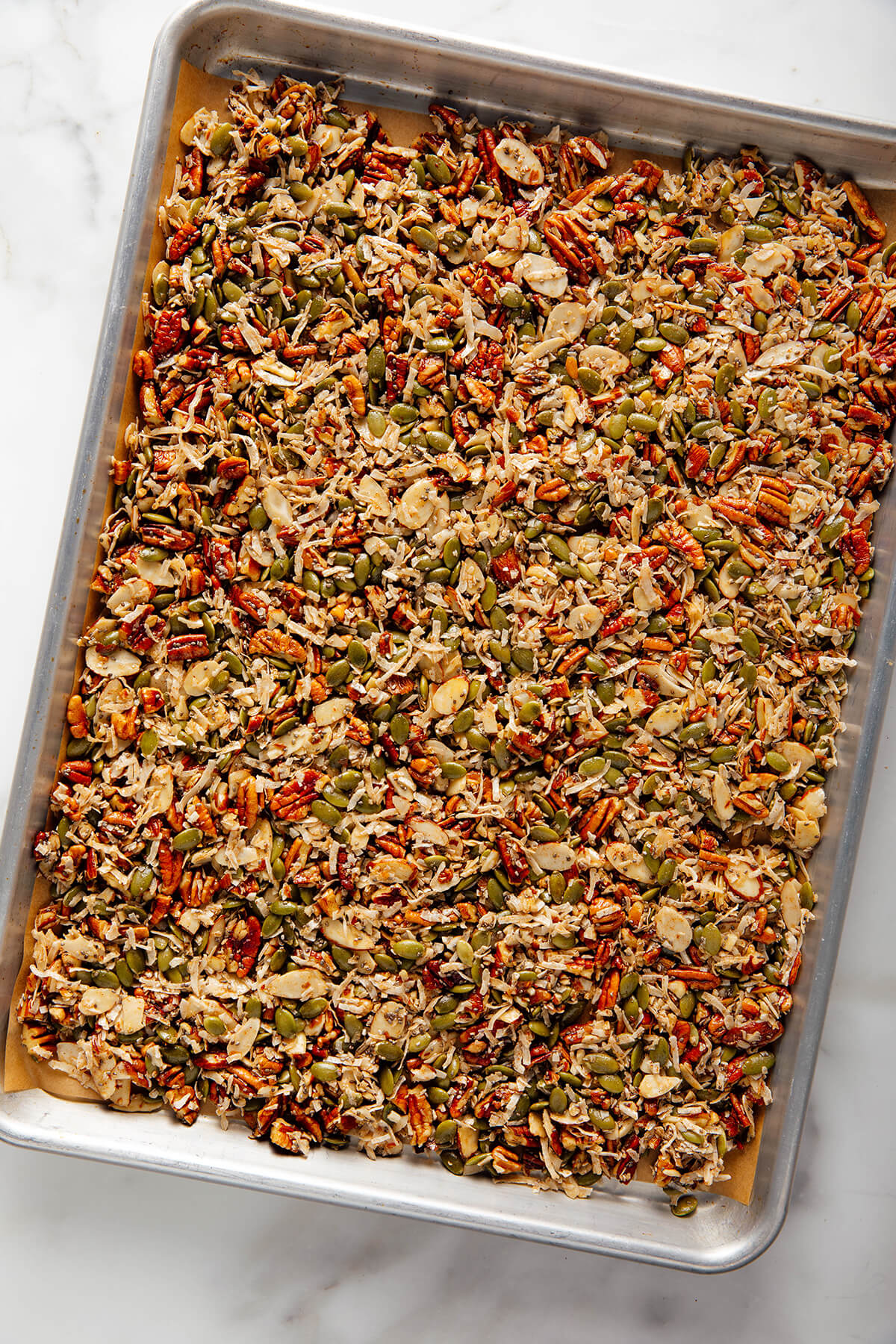
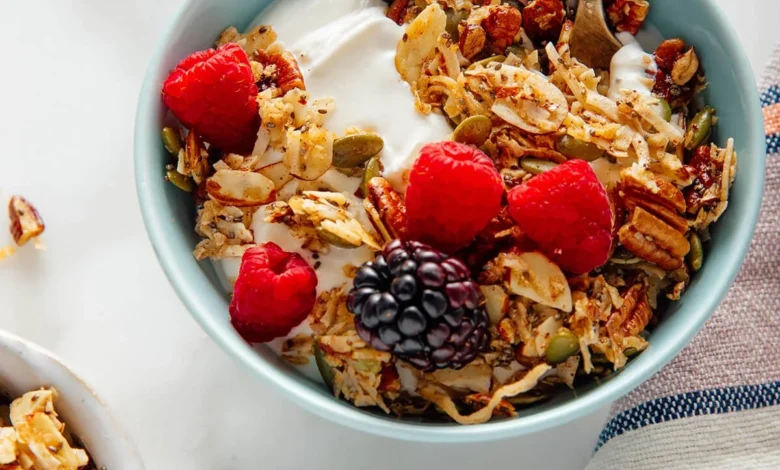
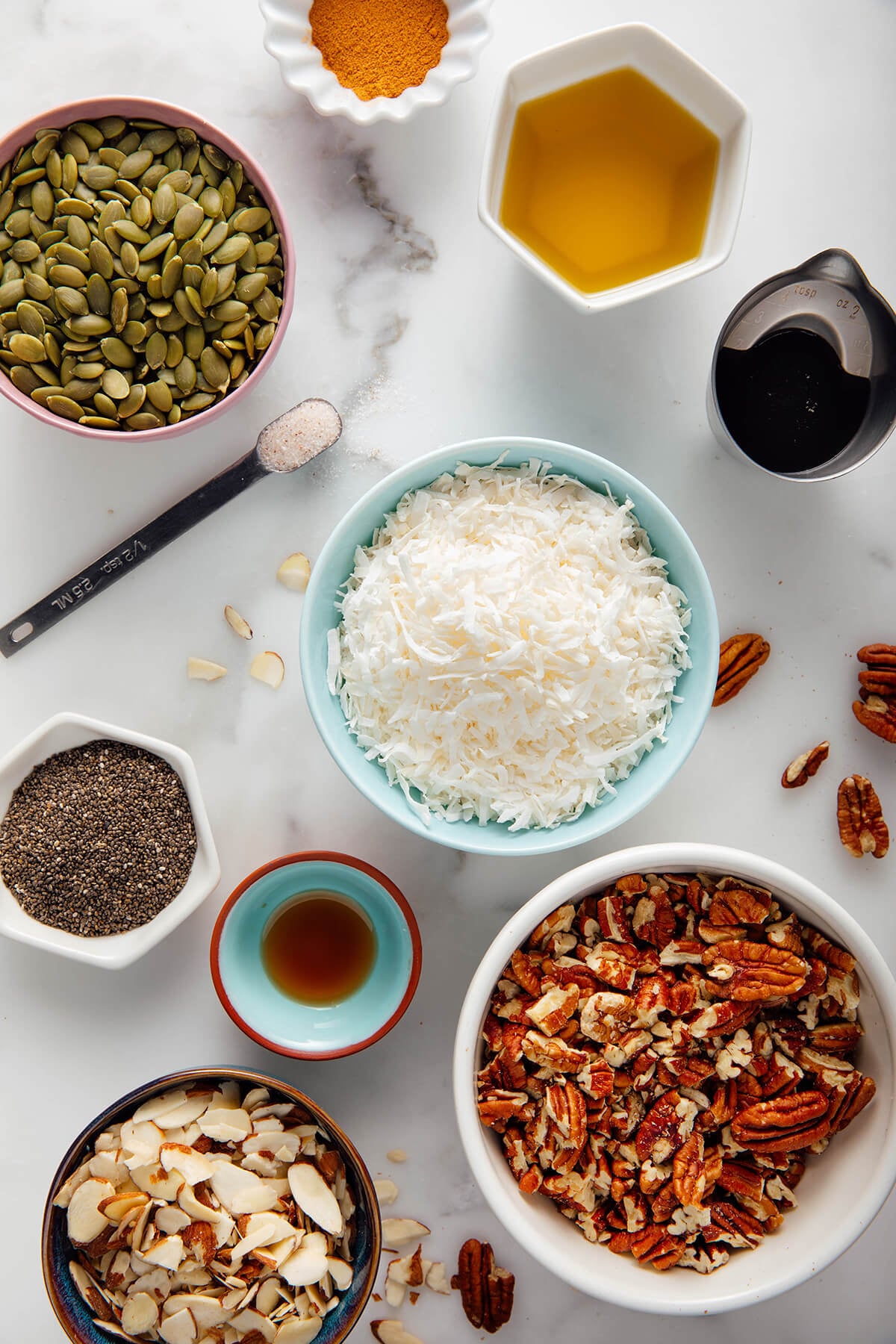
- Nut and Seed Variations: The recipe explicitly encourages swapping nuts and seeds. Common choices include almonds (sliced or chopped), pecans, walnuts, and pumpkin seeds (pepitas). For those with nut allergies, the author suggests substituting with additional pepitas or sunflower seeds. This flexibility ensures that the granola can be tailored to specific palates and dietary restrictions. For example, a nut-free version would rely heavily on seeds like pepitas and sunflower seeds, which offer their own unique crunch and nutritional profile.
- Coconut Adjustments: Coconut, whether shredded or flaked, is a key component that contributes to the texture and flavor. The recipe notes that the amount of coconut can be adjusted, with an option to increase it if coconut is a preferred ingredient, while reducing other nuts or seeds proportionally. The choice between finely shredded and larger flakes can also impact the final texture, with finer shreds offering a lighter, more delicate crispness.
- Flavor Enhancements: Beyond the core ingredients, the granola can be further customized with flavorings. Cinnamon is a popular choice, providing warmth and depth. Alternatively, a "Pumpkin Spice Blend" can be used for a seasonal twist, evoking autumnal flavors. The omission of cinnamon allows the natural nutty flavors to take center stage, offering a more subtle profile.
- Sweetener Options: The recipe typically uses natural sweeteners like maple syrup or honey. The choice between the two can cater to vegan preferences (maple syrup) or offer a slightly different flavor profile (honey). Minimally sweetening the granola is a conscious choice to emphasize the natural flavors of the ingredients and avoid excessive sugar intake.
Serving Suggestions and Culinary Applications
The crunchy, nutty texture of grain-free granola makes it a versatile ingredient that can elevate a variety of dishes and snacks.
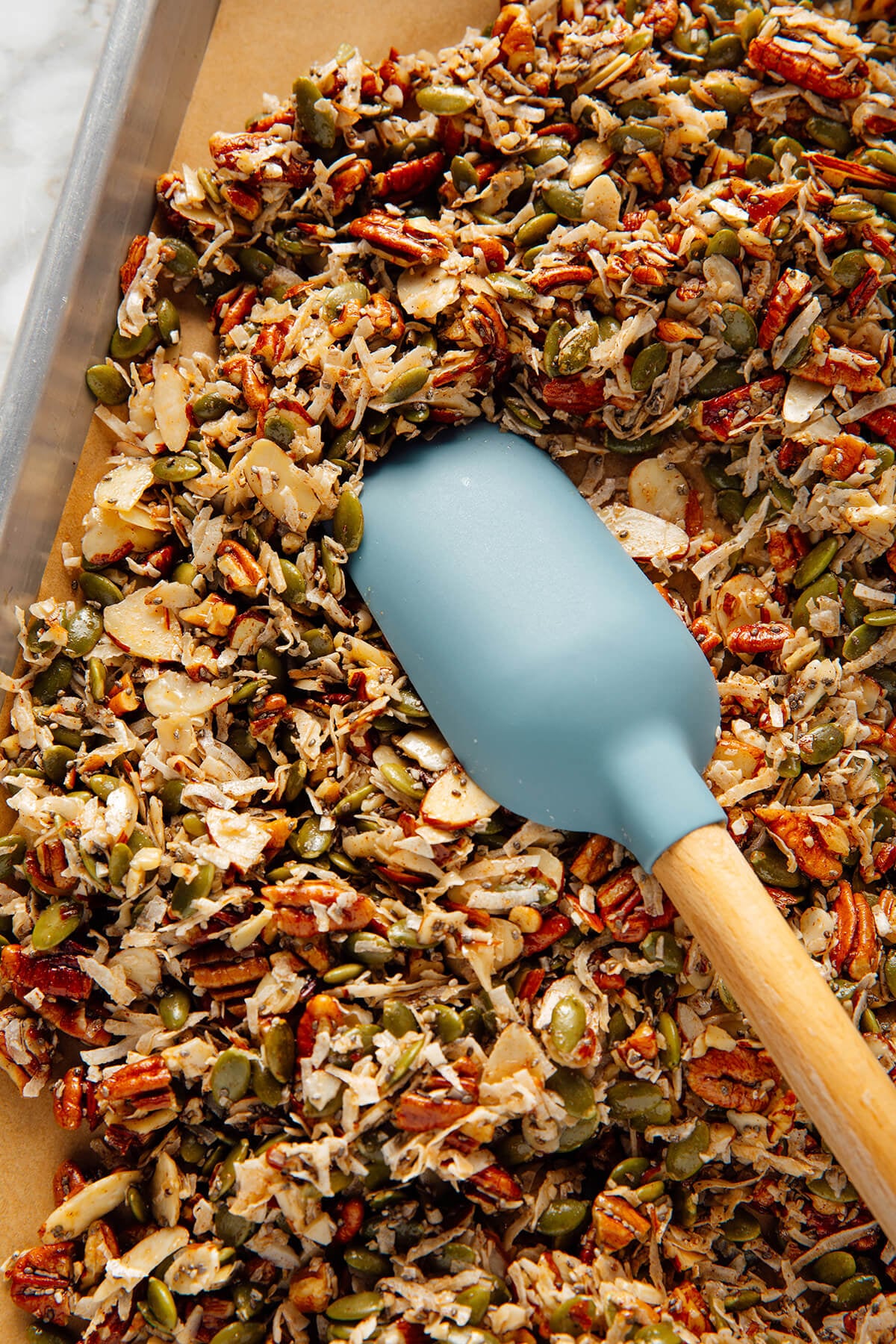
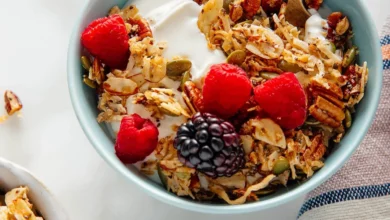
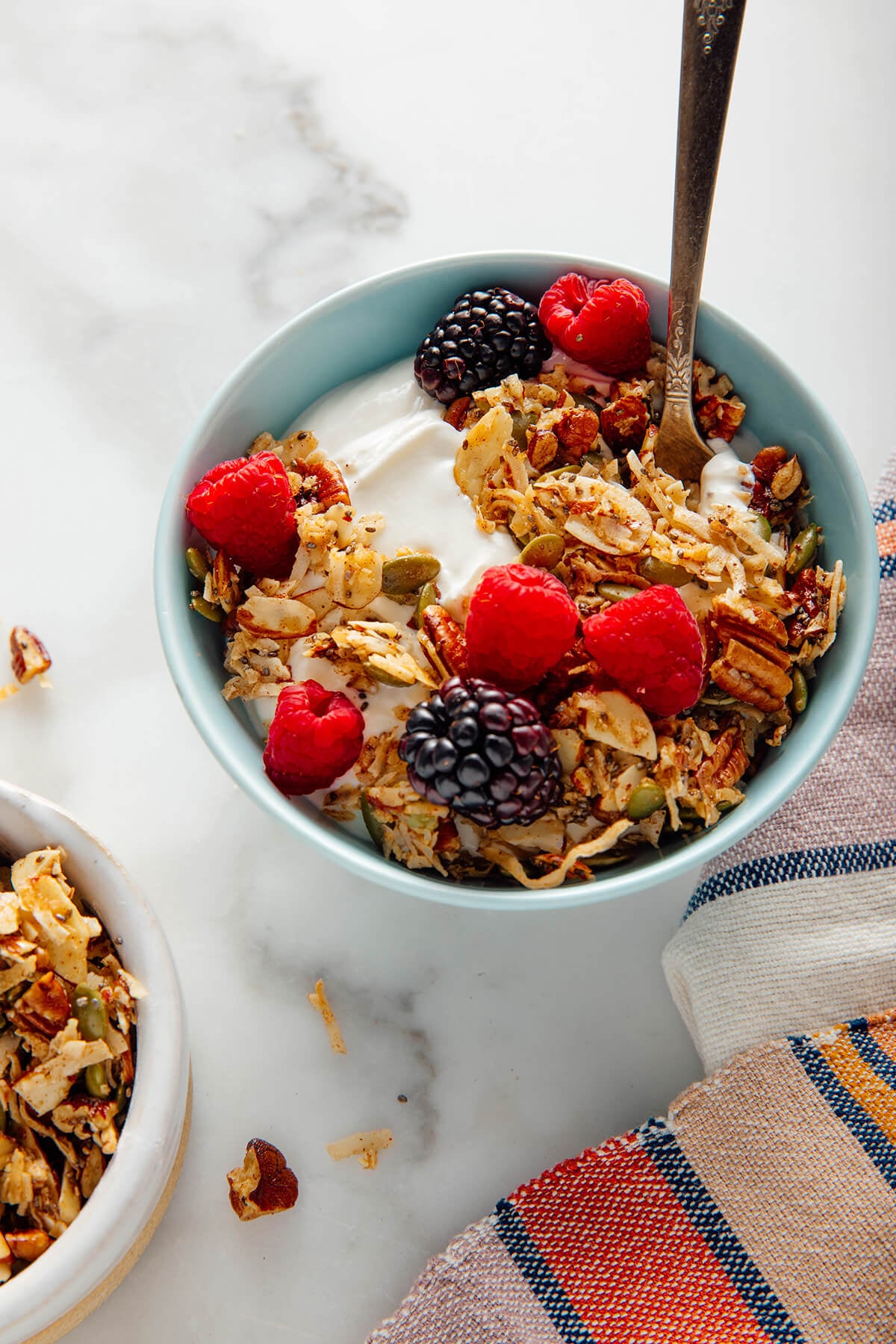
- Yogurt Parfaits: A classic pairing, a generous spoonful of granola adds a delightful crunch and depth of flavor to Greek yogurt or plant-based yogurt alternatives. This combination provides a balanced meal with protein, healthy fats, and fiber.
- Smoothie Bowls: Sprinkled over smoothie bowls, granola provides a textural contrast to the smooth, blended base. It can be combined with fresh fruit, seeds, and a drizzle of nut butter for a complete and satisfying meal.
- Topping for Baked Goods: It can serve as a crunchy topping for muffins, scones, or even baked fruit dishes, adding an extra layer of texture and flavor.
- Snack on its Own: Its inherent deliciousness makes it a perfect standalone snack, providing sustained energy between meals.
Recipe Tips for Optimal Results
To achieve the best possible outcome when preparing grain-free granola, a few key tips can ensure a delicious and satisfying batch.
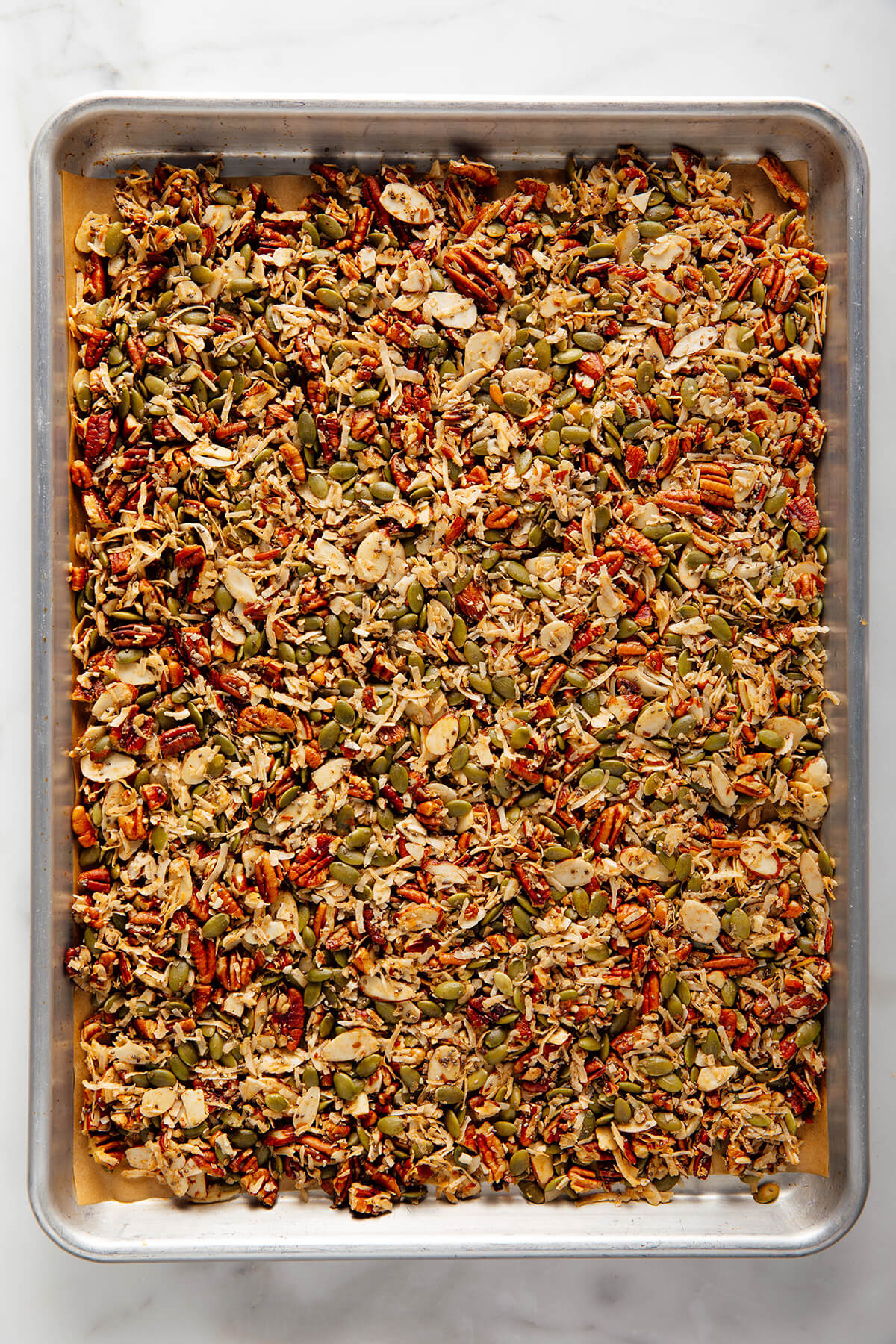
- Freshness of Ingredients: The author emphasizes the importance of using fresh nuts and seeds. Rancid nuts can impart an unpleasant flavor that can ruin the entire batch. It is advisable to smell and taste ingredients before incorporating them.
- Achieving Clumps: For those who prefer granola with small clumps, the key lies in allowing the mixture to cool completely on the baking sheet before breaking it apart. This gentle cooling process allows the natural binders in the ingredients to set, forming desirable clusters.
- Pre-Chopped Ingredients: To streamline the preparation process, purchasing pre-chopped nuts, such as pecans, can save time and effort.
Broader Impact and Future Trends
The rise of grain-free granola reflects a broader shift in consumer dietary habits. As awareness of the impact of food on health grows, more individuals are seeking out alternatives that cater to specific nutritional needs and preferences. This trend is likely to continue, driving innovation in the food industry towards more specialized and health-conscious products. The adaptability of recipes like this grain-free granola further empowers consumers to take control of their diets and create food that aligns with their wellness goals. As research into nutrition and its impact on chronic diseases continues, we can expect to see further development of innovative and delicious food options that cater to a diverse range of dietary requirements. The journey from personal dietary necessity to a widely embraced culinary staple exemplifies the power of innovation in the food world.