The Ultimate Guide to Braised Cabbage: Transforming a Humble Vegetable Into a Gourmet Skillet Masterpiece

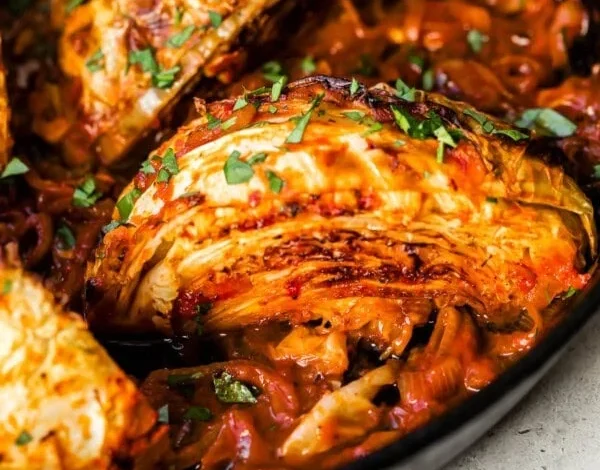
Culinary traditions around the globe have long relied on cabbage as a foundational staple, prized for its impressive nutritional profile, extraordinary shelf life, and affordability. Yet, despite its versatility in dishes ranging from crisp coleslaws to complex fermented preparations, the humble head of cabbage is rarely elevated to the centerpiece of a meal. A contemporary culinary approach known as "melting cabbage"—exemplified by braised cabbage wedges simmered in a savory tomato and wine reduction—is challenging this perception. By treating cabbage with the same culinary care traditionally reserved for premium cuts of meat or delicate root vegetables, home cooks and professional chefs alike are discovering how simple techniques can completely transform the vegetable’s texture and flavor profile.
Main Facts of the Dish
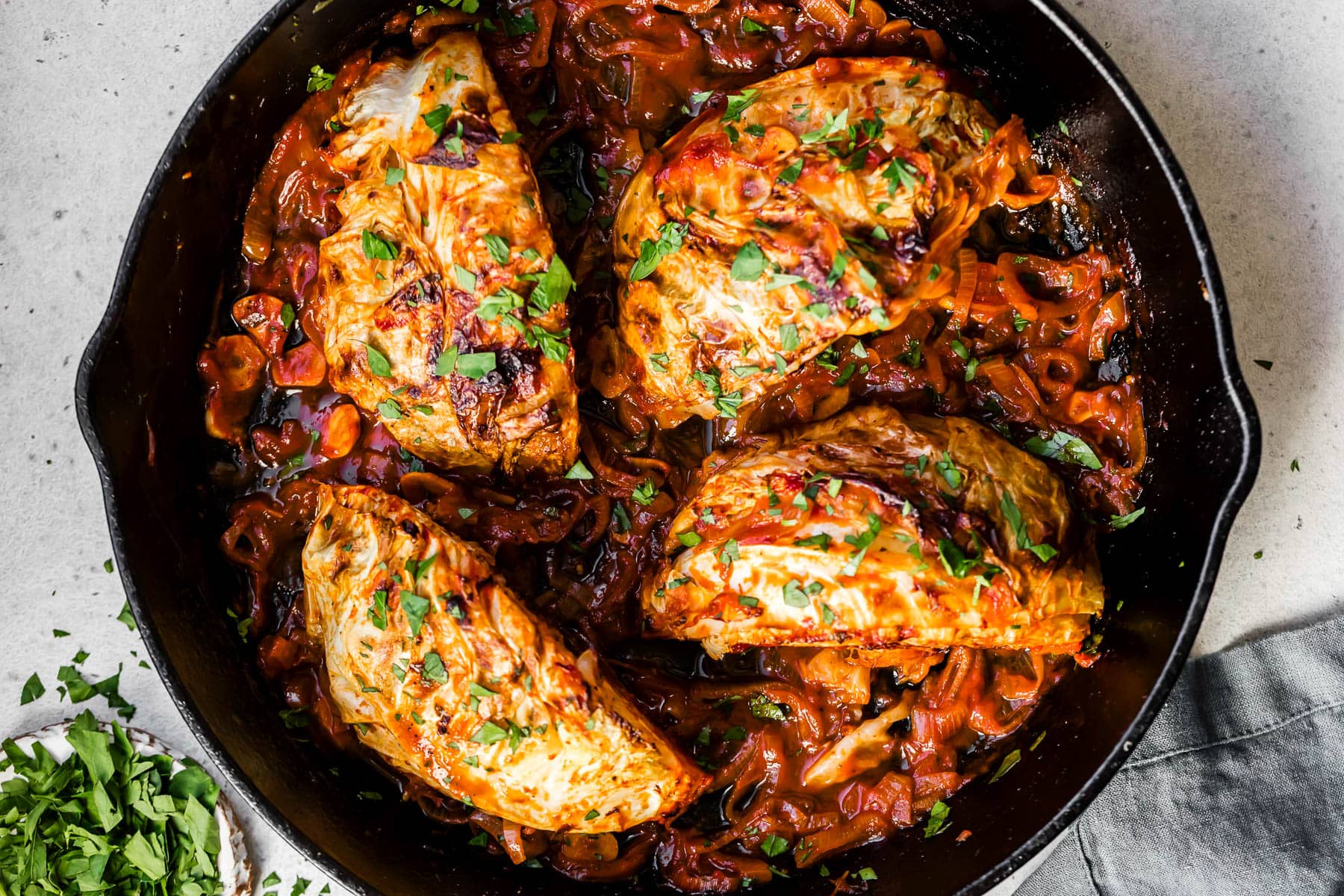
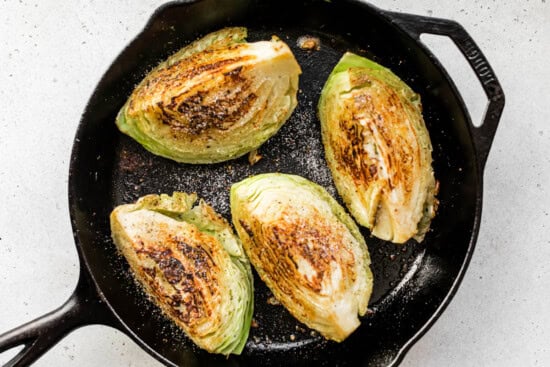
The preparation of braised cabbage wedges hinges on a precise combination of searing and slow-simmering. Unlike steaming or boiling, which can sometimes leave cabbage watery or unpleasantly sulfurous, braising begins by searing the cabbage wedges in butter within a hot skillet. This crucial step caramelizes the exterior leaves, developing deep, savory notes and locking in the natural sugars of the vegetable.
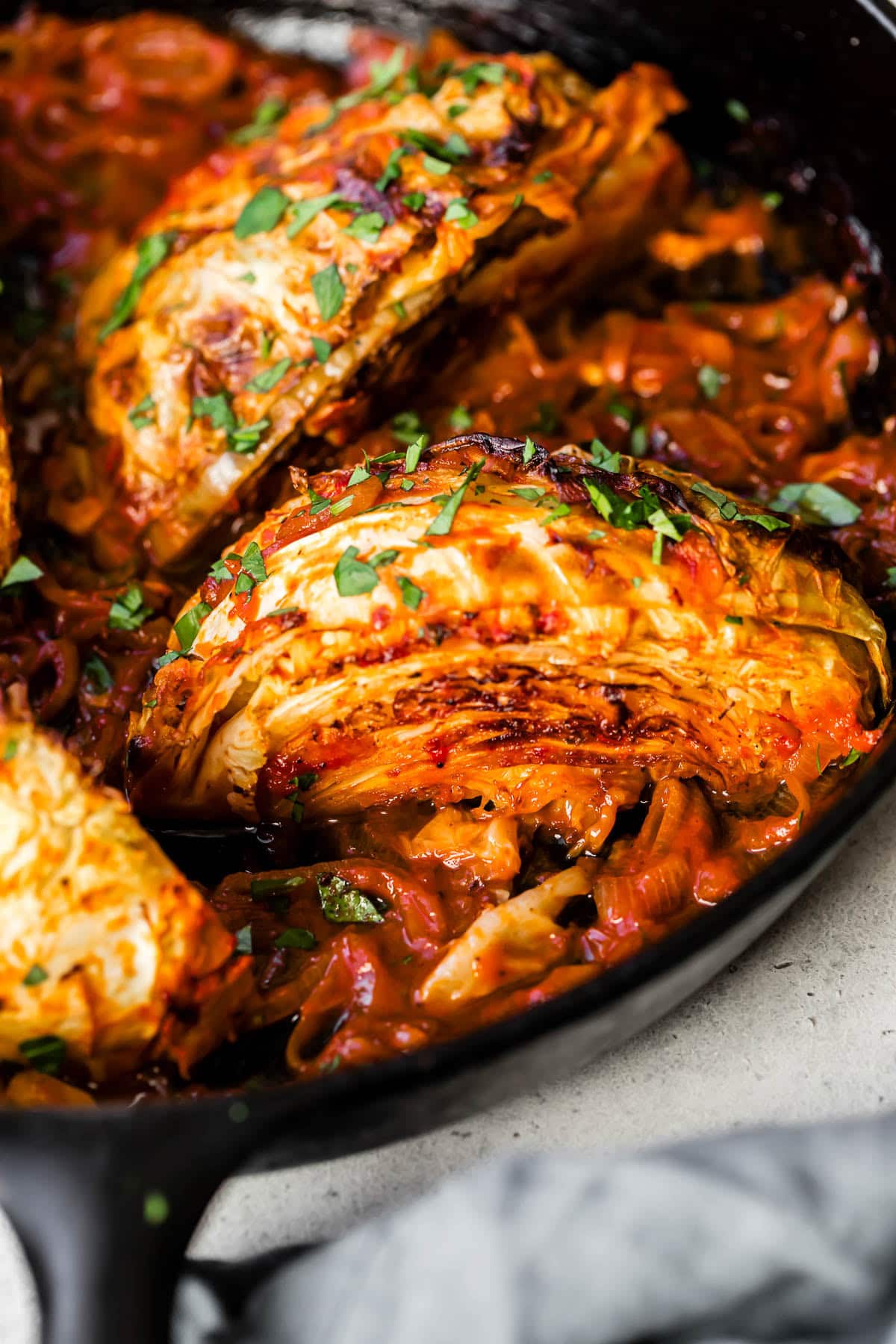
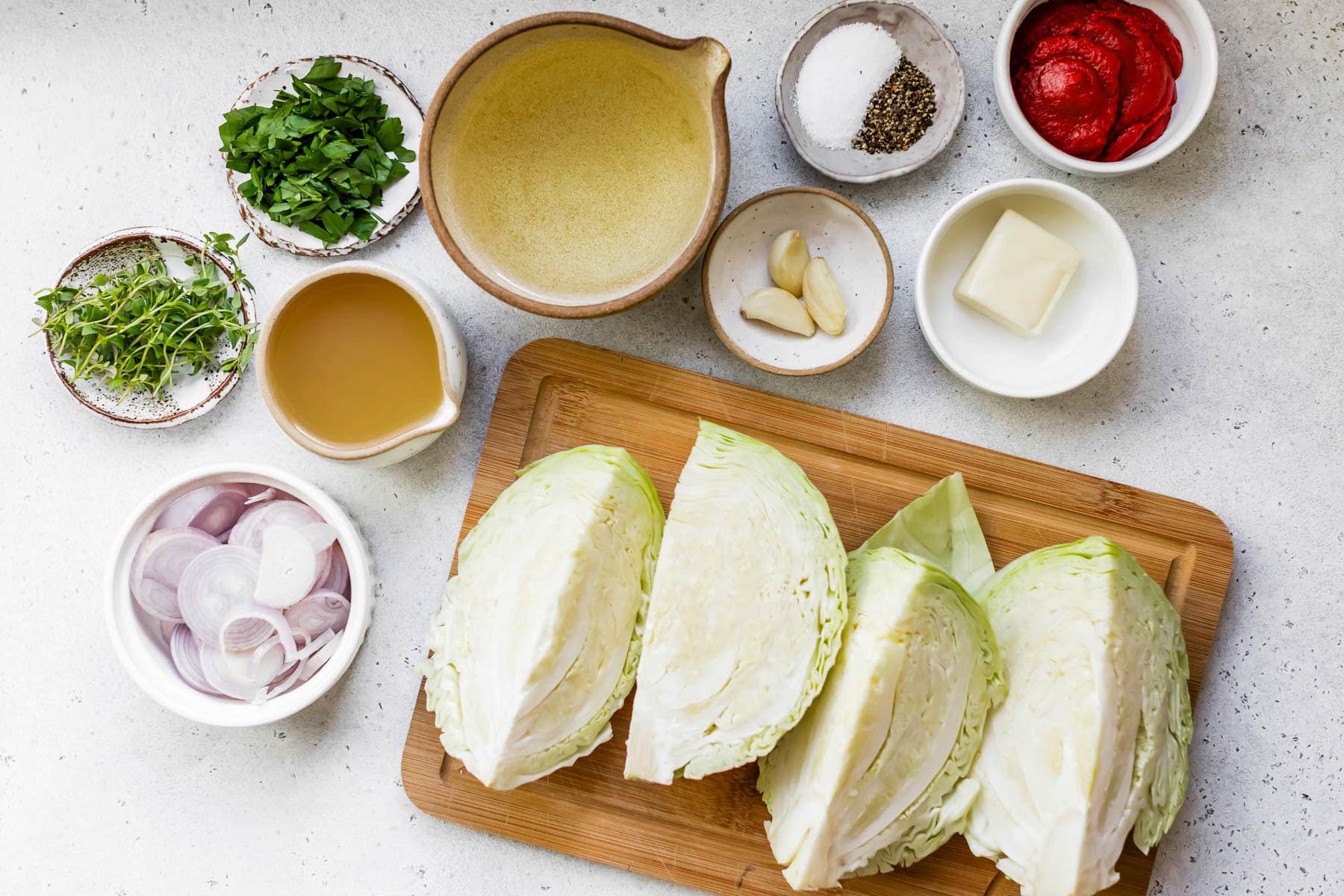
Once the outer layers achieve a golden-brown sear, the cabbage is bathed in a rich braising liquid. This liquid typically consists of a harmonious blend of aromatic shallots, savory tomato paste, vegetable or chicken broth, and a splash of dry white wine. The wedges are then covered and allowed to simmer gently for roughly 45 minutes. Over this duration, the fibrous cell walls break down, rendering the cabbage meltingly tender—hence the moniker "melting cabbage."
Chronology of Culinary Evolution

Cabbage cultivation dates back thousands of years, with historical roots tracing to ancient civilizations in Europe and Asia where it was valued for its resilience in harsh climates. For centuries, the vegetable was primarily used in rustic, utilitarian dishes designed to sustain populations through long winters. Preparation methods were largely limited to boiling, fermenting into sauerkraut or kimchi, or raw consumption.
In the mid-to-late 20th century, as home kitchens gained access to a wider array of global spices, cooking wines, and diverse flavor profiles, chefs began experimenting with alternative cooking methods for cruciferous vegetables. The concept of braising hearty vegetables—frequently applied to leeks, fennel, and endives—gradually expanded to include cabbage wedges. By the early 2000s, food writers and culinary bloggers began championing the "melting" technique, which borrows principles from classic French braising to coax a silky, custard-like texture out of dense greens. The integration of a tomato and wine-based reduction represents a modern evolution of this technique, blending Mediterranean flavor profiles with traditional European rustic cooking.

Supporting Data and Nutritional Profile
Nutritional analyses of braised cabbage highlight why health-conscious culinary platforms frequently advocate for its regular inclusion in balanced diets. A standard serving of this skillet dish (calculated as approximately one-fourth of a prepared recipe) yields a remarkably nutrient-dense profile while remaining modest in caloric impact.
- Calories: Approximately 167.5 kcal per serving
- Carbohydrates: 22 grams
- Dietary Fiber: 7 grams, supporting digestive health and promoting satiety
- Protein: 5 grams
- Total Fat: 6 grams (primarily derived from cooking fats such as butter)
- Saturated Fat: 3.5 grams
- Cholesterol: 15.5 milligrams
- Sodium: 643.5 milligrams
- Sugars: 10.5 grams (naturally occurring from the vegetable and reduction)
The high fiber content, combined with substantial concentrations of vitamins C and K, positions cabbage as a powerhouse ingredient for immune support and bone health. Furthermore, the inclusion of braising liquids like tomatoes adds beneficial antioxidants, notably lycopene, which becomes more bioavailable when cooked.
Culinary Strategies and Expert Adjustments
Mastering the braised cabbage technique requires attention to liquid management and ingredient substitution. Culinary experts emphasize that the braising liquid must maintain an appropriate level throughout the simmering process to prevent scorching. The liquid should ideally cover the bottom half of the cabbage wedges. If the tomato broth reduces too rapidly and the pan shows signs of drying or darkening before the cabbage has reached a fork-tender consistency, a simple splash of water or additional broth will restore the balance without diluting the flavor.
Chefs and recipe developers also suggest several variations to accommodate dietary preferences and pantry availability:
- Vegetable Selection: While green cabbage is the traditional choice for its neutral flavor and sturdy structure, red cabbage can be substituted to yield a vibrant purple hue and a slightly earthier taste profile.
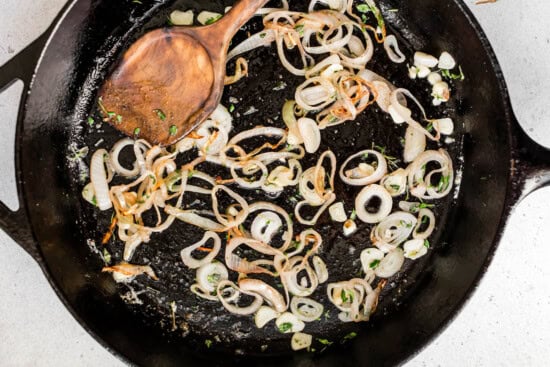
- Aromatics: Shallots provide a delicate, sweet onion flavor, but they can be easily replaced by yellow or red onions depending on what is available in the kitchen.
- Acidity and Sweetness: Double-concentrated tomato paste offers an intense, naturally sweet flavor, whereas standard tomato paste may require a minor pinch of sugar to balance the acidity of the tomatoes and wine. For those preferring an alcohol-free preparation, the white wine can be omitted entirely and replaced with additional broth paired with a tablespoon of white or red wine vinegar to retain the essential acidic tang.
Broader Impact and Gastronomic Implications
The rising popularity of dishes like braised melting cabbage reflects a broader shift in contemporary gastronomy toward plant-forward eating and the elevation of inexpensive, everyday ingredients. As grocery budgets face increased scrutiny and consumers seek sustainable meal options, the ability to turn a low-cost head of cabbage into a gourmet experience holds significant appeal.
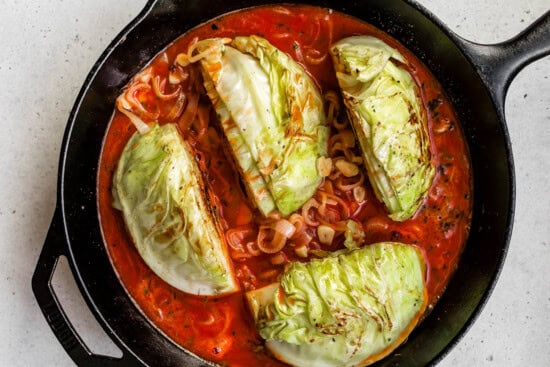
Food economists and culinary trend analysts note that elevating humble ingredients—often referred to as "pantry luxury"—allows home cooks to achieve restaurant-quality results without requiring expensive proteins or specialty imports. When paired with complementary proteins such as roast chicken, pork tenderloin, or lean meatloaf, and served alongside a starch like mashed potatoes to absorb the rich tomato and wine sauce, braised cabbage transcends its historical reputation as a mere afterthought. This culinary development underscores a broader movement within modern home cooking: proving that exquisite flavor, sophisticated texture, and exceptional nutritional value are accessible to anyone willing to rethink the potential of basic produce.