
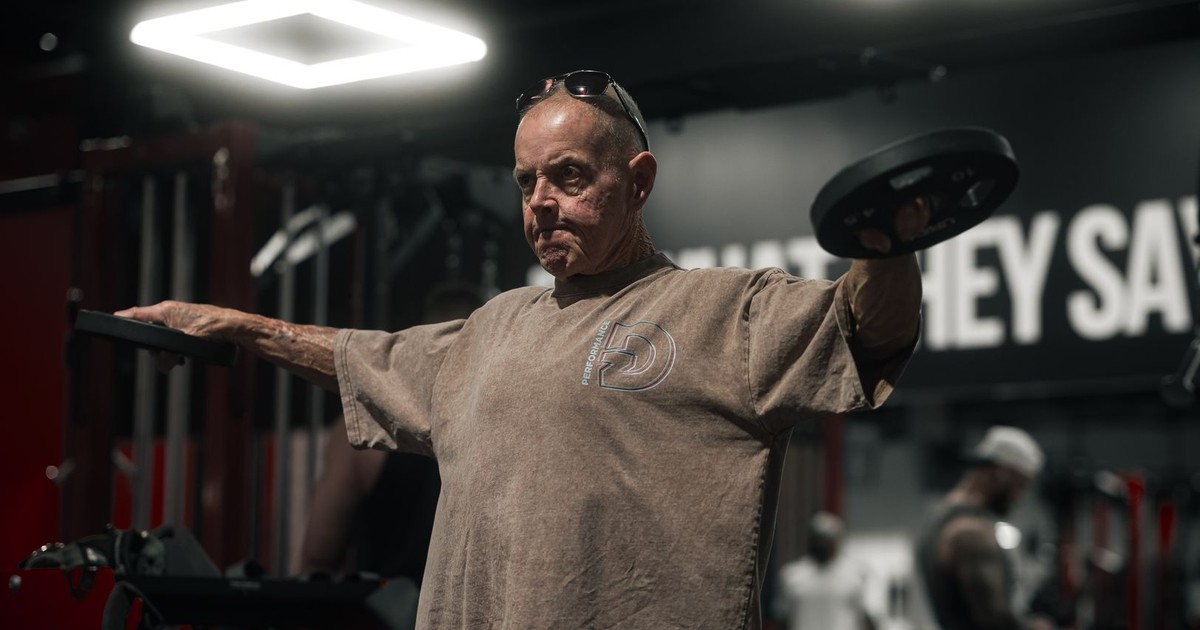
Muscle loss, scientifically known as sarcopenia, is a silent condition that often progresses unnoticed during the prime working years of the 40s and 50s. While many adults maintain a sense of physical capability, the underlying biological reality is that both the volume and quality of skeletal muscle undergo a steady decline. This physiological shift is not merely an aesthetic concern; it is a critical health marker that influences long-term metabolic function, bone density, and the maintenance of physical independence. As global populations continue to age, researchers and fitness experts are increasingly focusing on the four foundational pillars that can mitigate this decline: protein intake, resistance training, sleep hygiene, and sustained daily movement.
The Biological Mechanics of Sarcopenia
The acceleration of muscle loss is deeply linked to the lifestyle transitions that typically occur between early adulthood and midlife. In one’s 20s, physical activity is often integrated into daily life through spontaneous movement and higher metabolic demands. By the 40s, however, shifts toward sedentary professional roles and changing hormonal landscapes alter the body’s nutrient partitioning.
Biologically, the decline in muscle mass is often driven by a decrease in circulating hormones. In men, testosterone levels—a primary driver of muscle protein synthesis—begin a gradual decline as early as the 30s. By the 70s, a significant portion of the male population may fall into the category of clinical hypogonadism. Women experience similar challenges, particularly during the perimenopausal and postmenopausal transitions, where hormonal fluctuations lead to decreased protein synthesis efficiency. Furthermore, the body’s sensitivity to protein intake diminishes with age. Research indicates that older adults require a higher threshold of amino acid intake to trigger the same muscle-building signals that a 25-year-old would achieve with significantly less protein.
The Nutritional Imperative: Raising the Bar
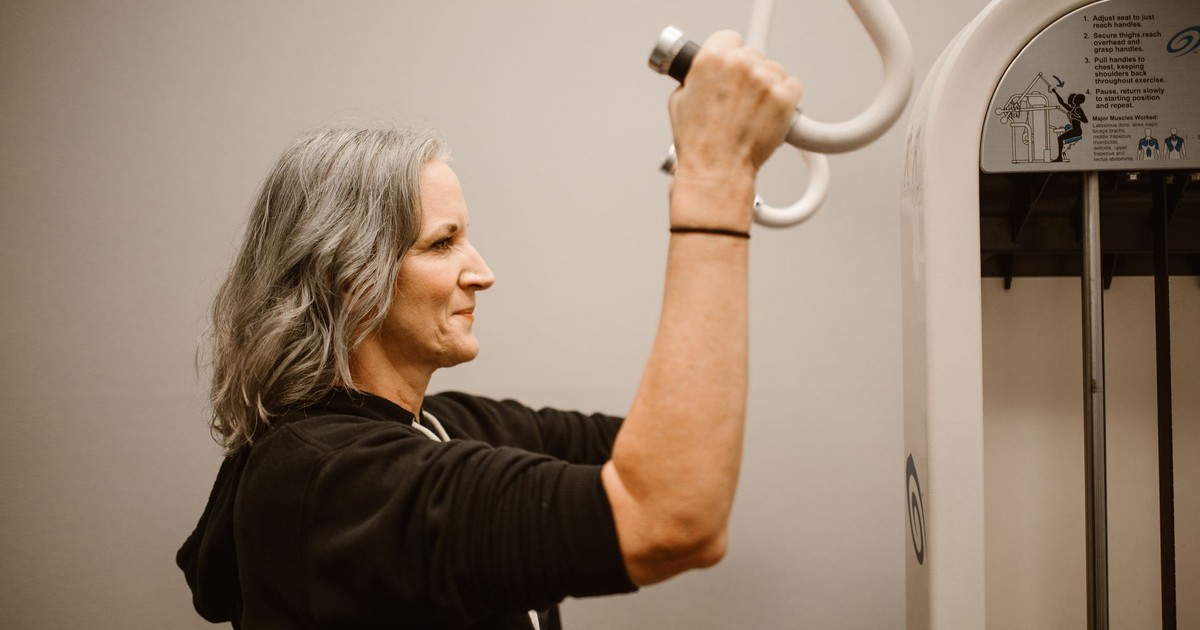
For decades, nutritional guidelines focused on general health, but recent data suggests that older adults need to be more aggressive with their protein consumption. A 2025 systematic review published in the journal Nutrients highlighted that healthy aging requires a daily protein intake of at least 1.0 to 1.2 grams per kilogram of body weight. For a 165-pound adult, this equates to roughly 75 to 90 grams of protein daily.
Despite these requirements, data from the Gatorade Sports Science Institute and other clinical bodies suggest that nearly 30% of men and 50% of women over age 71 fail to meet these minimum targets. Fitness expert Jacob Zemer emphasizes that for individuals who engage in regular exercise, this requirement increases to 0.8 to 1.0 grams per pound of body weight. The strategy for success is consistency; rather than consuming a single large protein-dense meal, distributing high-quality protein sources—such as Greek yogurt, lean meats, and legumes—throughout the day ensures a constant supply of amino acids necessary for muscle repair. Furthermore, consuming protein shortly after physical activity has been shown to maximize the body’s anabolic response, turning a post-workout snack into a strategic health intervention.

Resistance Training as a Clinical Intervention
The most potent tool against sarcopenia is resistance training. A 2025 systematic review confirmed that even moderate resistance training programs significantly improve key functional markers, including handgrip strength and gait speed. These metrics are not just gym statistics; they are critical predictors of the ability to live independently.
The Centers for Disease Control and Prevention (CDC) recommends at least two days of strength training per week, targeting all major muscle groups. Contrary to the belief that one must train like a competitive bodybuilder, the science suggests that training at 60% to 80% of one’s one-repetition maximum is highly effective. The objective is to reach a level of effort where the final repetitions of a set are genuinely challenging. For beginners, the focus should remain on fundamental movement patterns: squats, lunges, push-ups, and rows. Incorporating "loaded carries"—walking with weights in each hand—is an efficient way to build core stability and balance, which are the primary defenses against the falls that often precipitate loss of mobility in the elderly.

The Role of Sleep in Muscle Architecture
While the gym provides the stimulus for growth, the actual repair and synthesis of muscle fibers occur during rest. Quality sleep is essential for the hormonal regulation of muscle tissue. Studies, including a 2021 crossover trial in Physiological Reports, have demonstrated that a single night of sleep deprivation can trigger a cascade of negative effects: a reduction in protein synthesis by 18%, a 24% drop in testosterone, and a 21% spike in cortisol.
Cortisol, often termed a catabolic hormone, actively promotes the breakdown of tissue. When sleep is chronically restricted, the body remains in a catabolic state, effectively undoing the benefits of a balanced diet and exercise. Experts suggest that consistent sleep of seven to nine hours is necessary to maintain the endocrine environment required for muscle preservation. Improving sleep architecture through consistent bedtimes, temperature control, and the reduction of blue light exposure before bed is a cost-effective, non-pharmacological strategy that ranks in importance alongside physical training.
Staying Active: The Anti-Sedentary Strategy
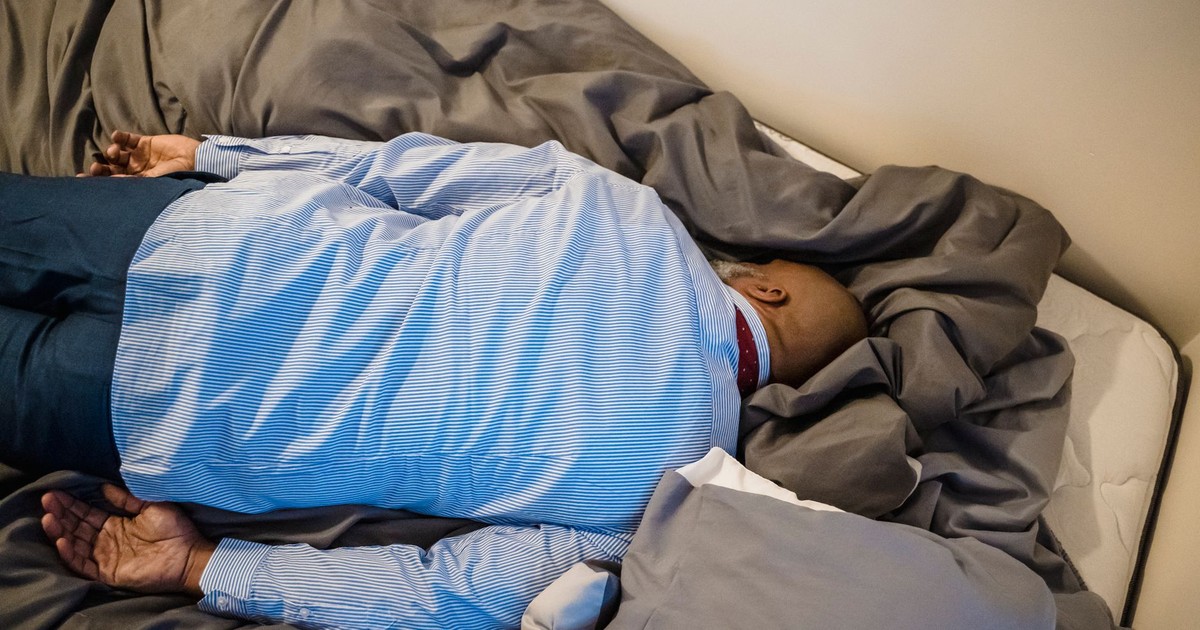
The fourth pillar of muscle health is the avoidance of chronic inactivity. Even when formal gym sessions are not possible due to injury or scheduling conflicts, maintaining a baseline of daily movement is vital. Research on prolonged bed rest consistently shows that inactivity is the fastest route to muscle atrophy, particularly in the elderly.
The philosophy of "movement as medicine" is critical during periods of weight loss, such as when utilizing GLP-1 receptor agonists. Recent reports from UC Davis Health and Mass General Brigham emphasize that rapid weight loss often includes the loss of lean tissue. To prevent this, medical professionals now strongly advocate for combining weight management with resistance training and high-protein diets. The goal is to ensure that the weight lost is primarily adipose tissue rather than the functional muscle mass required for long-term mobility.

Implications for Longevity
Viewing muscle mass as a "retirement account" provides a useful mental framework for adults in their 40s and 50s. Every effort made to build and maintain strength during midlife acts as a hedge against future physical decline. The goal is not merely longevity, but "healthspan"—the number of years an individual remains capable of performing everyday tasks like climbing stairs, carrying groceries, and maintaining an active, independent life.
Ultimately, the consensus among exercise scientists and health professionals is clear: the prevention of sarcopenia does not require an extraordinary lifestyle overhaul. It requires the quiet, disciplined application of four habits that signal to the body that it must remain strong. By prioritizing adequate protein, consistent resistance training, restorative sleep, and regular daily movement, individuals can effectively slow the clock on age-related muscle loss and significantly enhance their quality of life in their later years.