Exploring the Efficacy and Appeal of Detox Baths: A Deep Dive into Wellness Trends and Scientific Perspectives

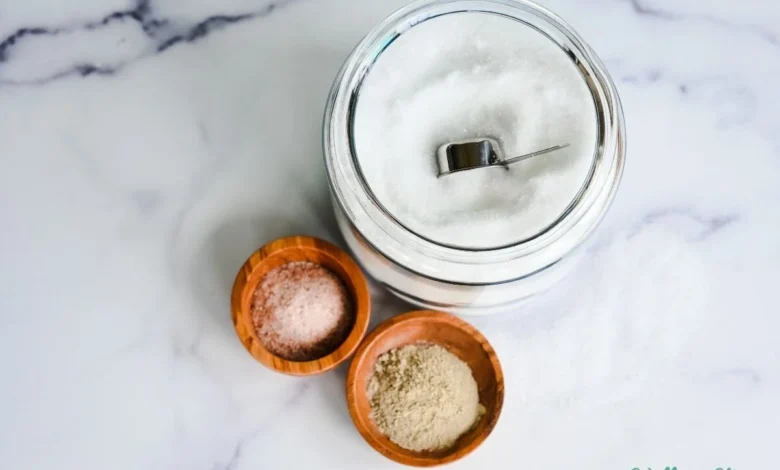
In the burgeoning landscape of wellness practices, the "detox bath" has emerged as a popular ritual, lauded by proponents for its purported ability to cleanse the body of toxins, alleviate skin issues, and promote profound relaxation. Often presented as an inexpensive and accessible method to boost overall health, these baths utilize common household ingredients such as Epsom salts, bentonite clay, apple cider vinegar, ginger, and mustard powder. While anecdotal evidence and personal testimonies abound regarding their soothing and revitalizing effects, a closer examination reveals a nuanced discussion between traditional wellness beliefs and contemporary scientific understanding of bodily detoxification.
The Enduring Appeal of Hydrotherapy and Modern Wellness Trends
The concept of bathing for health and spiritual well-being dates back millennia, with civilizations from ancient Rome to Japan integrating communal and private baths into their daily lives. These practices were historically associated with hygiene, social interaction, and therapeutic benefits for ailments ranging from muscle aches to skin conditions. In the modern era, as awareness of environmental pollutants and lifestyle-induced stress has grown, the pursuit of "detoxification" has become a significant component of the wellness industry. Detox baths fit neatly into this paradigm, offering a seemingly simple, natural, and empowering solution for individuals seeking to mitigate the perceived impacts of "toxin overwhelm."
The allure of detox baths lies in their promise of a holistic approach to health, addressing both physical discomforts like skin irritation and the more nebulous concept of internal cleansing. For many, the act of preparing and taking a warm bath infused with natural ingredients is inherently calming, providing a moment of respite from daily stressors. This ritualistic aspect contributes significantly to their popularity, transforming a simple bath into a deliberate act of self-care and a perceived health intervention. The accessibility of ingredients, many of which are commonly found in pantries, further democratizes this wellness trend, making it an attractive option compared to more costly spa treatments or specialized detox programs.
Understanding Bodily Detoxification: A Scientific Perspective
At the heart of the "detox bath" discussion lies the fundamental question of what detoxification truly entails from a physiological standpoint. Medical science defines detoxification as the body’s natural and highly efficient process of neutralizing and eliminating harmful substances. This intricate system primarily involves several key organs:
- Liver: The primary detoxifier, metabolizing toxins, drugs, and waste products into less harmful substances that can be excreted.
- Kidneys: Filter waste products from the blood, producing urine for excretion.
- Lungs: Exhale gaseous waste products like carbon dioxide.
- Skin: Excretes small amounts of waste through sweat, but its primary role is as a barrier.
- Gastrointestinal Tract: Eliminates waste through feces and plays a crucial role in nutrient absorption and immune function.
From a mainstream medical perspective, the human body is remarkably adept at these processes, constantly working to maintain internal balance without the need for external "detox" interventions. When the term "detox" is used in a clinical context, it typically refers to medical procedures for individuals suffering from acute poisoning, drug overdose, or substance withdrawal, which are vastly different from the wellness industry’s interpretation.
Healthcare professionals, including dermatologists and general practitioners, often emphasize that claims of "drawing out" significant internal toxins or heavy metals through the skin via a bath lack robust scientific evidence. While the skin is permeable and some substances can be absorbed (e.g., certain medications), its primary function is protective. The idea that a bath can stimulate the skin to excrete substantial amounts of internally circulating toxins or heavy metals in a manner comparable to the liver or kidneys is not supported by current medical understanding.
Key Ingredients and Their Proposed Mechanisms: An Examination
Detox bath recipes commonly feature a range of natural ingredients, each attributed with specific benefits. A closer look at these components reveals their known properties versus the "detox" claims:
-
Epsom Salts (Magnesium Sulfate):
- Claims: Boosts magnesium levels transdermally, relaxes muscles, draws out toxins, soothes skin irritation.
- Scientific Perspective: Epsom salts are widely used for muscle relaxation and soothing aches. Magnesium is an essential mineral, and while some studies suggest limited transdermal absorption, the extent to which a bath significantly boosts systemic magnesium levels to address deficiencies is debated. The relaxation benefits are likely due to the warmth of the water and the soothing effect on muscles. The osmotic effect can draw fluid, which may contribute to a feeling of "cleansing" but does not equate to systemic detoxification of harmful internal substances.
-
Bentonite Clay:
- Claims: Absorbs heavy metals and toxins, deep skin cleansing.
- Scientific Perspective: Bentonite clay is known for its adsorptive properties, meaning it can bind to various substances, including some heavy metals, on its surface. It is used in some oral preparations for toxin binding within the digestive tract. Topically, it is used in face masks for its oil-absorbing and pore-cleansing properties. However, its ability to "pull out" significant amounts of internally circulating heavy metals or toxins through the skin in a bath setting remains scientifically unproven. The primary benefit in a bath is likely its exfoliating and cleansing effect on the skin’s surface. It’s crucial to use a drain filter to prevent clogs.
-
Apple Cider Vinegar (ACV):
- Claims: Balances skin pH, soothes skin problems (eczema, sunburn, dandruff), leaves skin soft and hair shiny.
- Scientific Perspective: ACV is acidic, and some dermatologists suggest that diluted ACV can help restore the skin’s natural acidic mantle (pH 4.5-5.5), which can be beneficial for conditions like eczema or dry, itchy skin where the pH is often elevated. Its mild antimicrobial properties might also contribute to skin health. However, concentrated ACV can be irritating, and proper dilution is essential. The reported benefits for skin and hair are often anecdotal but align with its acidic nature.
-
Ginger:
- Claims: Stimulates circulation, clears congestion, alleviates body aches, promotes faster healing, helpful for allergies.
- Scientific Perspective: Ginger contains bioactive compounds like gingerol, known for their anti-inflammatory and antioxidant properties. When ingested, ginger can stimulate circulation and provide warmth. Topically, ginger can create a warming sensation, which might alleviate muscle aches and promote a feeling of openness, particularly for congestion. The circulatory stimulation is more localized to the skin’s surface and does not equate to a systemic "detox" of internal toxins.
-
Mustard Powder:
- Claims: Stimulates circulation, soothes colds, flu, and sore muscles.
- Scientific Perspective: Mustard is a rubefacient, meaning it causes redness and warmth when applied to the skin by increasing blood flow to the surface. This property has been traditionally used to alleviate muscle soreness and congestion. The warming sensation can be comforting during illness. As with ginger, the effects are localized and do not indicate a systemic detoxification process. Organic mustard powder is typically recommended to avoid additives found in prepared condiments.
-
Baking Soda (Sodium Bicarbonate):
- Claims: Alkalizing, soothing for skin irritation.
- Scientific Perspective: Baking soda can soften water and create a slightly alkaline environment. For some individuals with very acidic skin conditions, this can provide soothing relief. It is also known to relieve itching. Its role in "detoxification" beyond these superficial effects is not established.
-
Essential Oils:
- Claims: Aromatherapy, specific therapeutic effects (e.g., lavender for relaxation, tea tree for antiseptic).
- Scientific Perspective: Essential oils primarily contribute to the sensory experience of a bath, offering aromatherapy benefits that can promote relaxation, mood enhancement, and stress reduction. While some essential oils possess antimicrobial or anti-inflammatory properties, their use in baths is primarily for scent and psychological well-being. Caution is advised regarding dilution and potential skin sensitivities, especially for children or individuals with allergies.
Safety Considerations and Medical Recommendations
While detox baths are often presented as natural and safe, it is crucial to approach them with an understanding of potential risks and to prioritize safety, especially for vulnerable populations. The original article correctly highlights the importance of consulting a healthcare professional, particularly for:
- Pregnant or Nursing Individuals: Certain essential oils and ingredients may not be safe. The effects of heat and specific compounds on fetal development or breast milk are not fully understood.
- Individuals with Pre-existing Health Conditions: Those with heart conditions, high or low blood pressure, diabetes, kidney disease, open wounds, severe skin conditions, or compromised immune systems should seek medical advice before engaging in hot baths or using certain ingredients. High temperatures can affect cardiovascular function, and some ingredients might interact with medications or exacerbate skin issues.
- Children: While some recipes are deemed safe for children, their skin is more delicate and permeable. Essential oil choices and concentrations must be carefully considered, and bath duration should be shorter to prevent dehydration or overheating.
General Safety Guidelines for Detox Baths:
- Hydration: Drink plenty of water before, during, and after the bath to prevent dehydration, especially with hot baths.
- Temperature: Keep bath water warm, not excessively hot, to avoid overheating, dizziness, or fainting.
- Duration: Start with shorter baths (15-20 minutes) and gradually increase if comfortable, but avoid prolonged soaking (over 30-40 minutes).
- Ingredient Quality: Use high-quality, organic ingredients where possible, especially for mustard powder and essential oils.
- Patch Test: For sensitive skin, perform a patch test with diluted ingredients on a small area of skin before a full bath.
- Ventilation: Ensure good ventilation to prevent steam accumulation and for essential oil diffusion.
- Post-Bath Rinse: Rinsing off in a cool shower after some baths (e.g., vinegar baths) can help remove residues and close pores.
- Listen to Your Body: Discontinue the bath if any discomfort, dizziness, or adverse reactions occur.
- Plumbing: Be mindful of ingredients like bentonite clay, which can cause plumbing issues if not properly filtered.
Broader Impact and Implications for Consumer Wellness
The enduring popularity of detox baths underscores a broader societal interest in holistic health, self-care, and natural remedies. For many consumers, these baths represent an accessible entry point into the wellness world, offering a sense of control over their health in an increasingly complex environment.
However, the widespread promotion of "detox" claims without robust scientific backing also carries implications. It can potentially divert individuals from evidence-based medical advice or create a false sense of security regarding internal cleansing. Medical professionals consistently advise that a healthy lifestyle—rich in whole foods, adequate hydration, regular exercise, sufficient sleep, and stress management—is the most effective "detox" strategy, supporting the body’s natural processes.
The wellness industry, valued at trillions globally, often leverages terms like "detox" and "cleanse" to market products and services. While many of these offerings, including detox baths, provide genuine benefits in terms of relaxation and superficial skin care, consumers are encouraged to maintain a critical perspective. Distinguishing between genuine therapeutic effects (e.g., muscle relaxation, skin soothing) and unproven systemic detoxification claims is essential for making informed health decisions.
In conclusion, detox baths, incorporating ingredients like Epsom salts, bentonite clay, and apple cider vinegar, offer a compelling blend of relaxation, ritual, and perceived health benefits. While they can undoubtedly contribute to a sense of well-being, soothe certain skin irritations, and provide a calming experience, the scientific evidence supporting their efficacy in systematically "detoxing" the body of internal toxins or heavy metals is limited. The human body possesses sophisticated internal mechanisms for detoxification that operate continuously and efficiently. For those considering integrating detox baths into their wellness routine, prioritizing safety, consulting healthcare professionals, and focusing on the tangible benefits of relaxation and skin care, rather than unproven detoxification claims, remains paramount.
Related posts: