A Public Health Crisis: Over 99% of Americans Fail to Meet Crucial Sodium and Potassium Dietary Guidelines

A staggering 99.99% of Americans are failing to achieve the minimum recommended potassium intake while simultaneously exceeding the recommended sodium intake, a critical dietary imbalance that underscores a profound public health challenge. This widespread non-compliance, with fewer than one in 6,000 individuals meeting both guidelines, highlights a systemic issue with modern dietary patterns that has far-reaching consequences for individual health and national well-being. The implications are dire: unhealthy diets are responsible for shaving hundreds of millions of disability-free years off people’s lives annually, dwarfing the health burden of other major risk factors like physical inactivity by a factor of nearly 20 to one.
The Silent Epidemic of Dietary Imbalance
The data reveals a stark reality: despite potassium being a natural component of many wholesome foods and sodium being often double our natural intake, the vast majority of the population struggles to maintain a healthy balance. Globally, physical inactivity accounts for over 10 million years of healthy life lost, a significant figure in itself. However, the impact of what we eat is nearly 20 times greater, contributing to an estimated 200 million years of healthy life lost due to diet-related diseases. This disproportionate impact positions diet as the single most critical modifiable factor influencing global health outcomes.
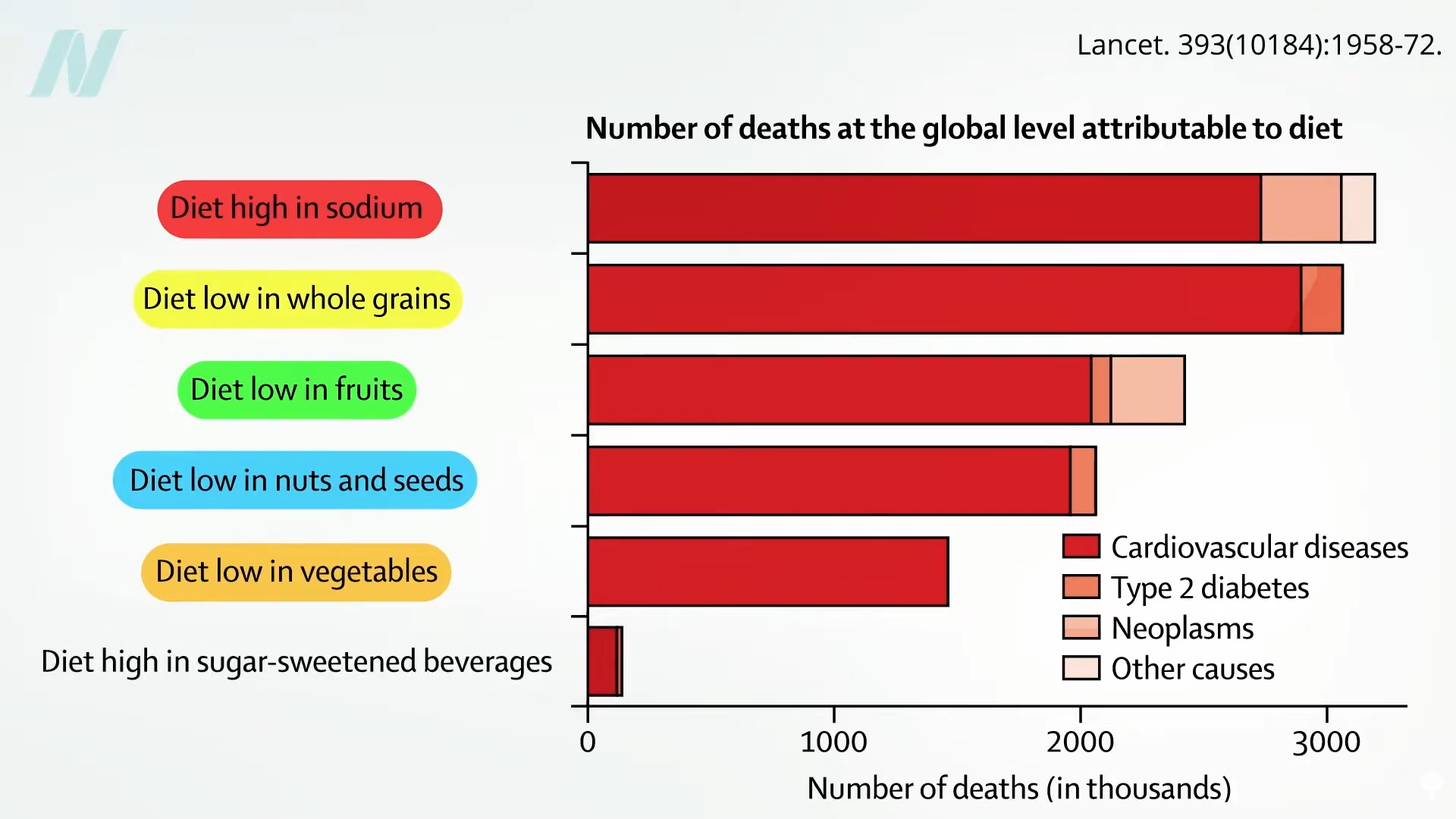
Analysis of dietary patterns points to specific pitfalls. Four of the five deadliest dietary traps involve insufficient consumption of beneficial foods: not eating enough whole grains, fruits, nuts and seeds, and vegetables. These deficiencies deprive the body of essential fiber, vitamins, minerals, and antioxidants crucial for optimal physiological function. Yet, the most fatal flaw in the modern diet is the excessive intake of salt, or sodium. This single factor is about 15 times deadlier than diets that are too high in sugary beverages like soda, offering a sobering perspective on the hierarchy of dietary risks. These findings, often highlighted in comprehensive analyses like the Global Burden of Disease studies, consistently underscore the urgent need for dietary reform.
Sodium: The Ubiquitous Culprit
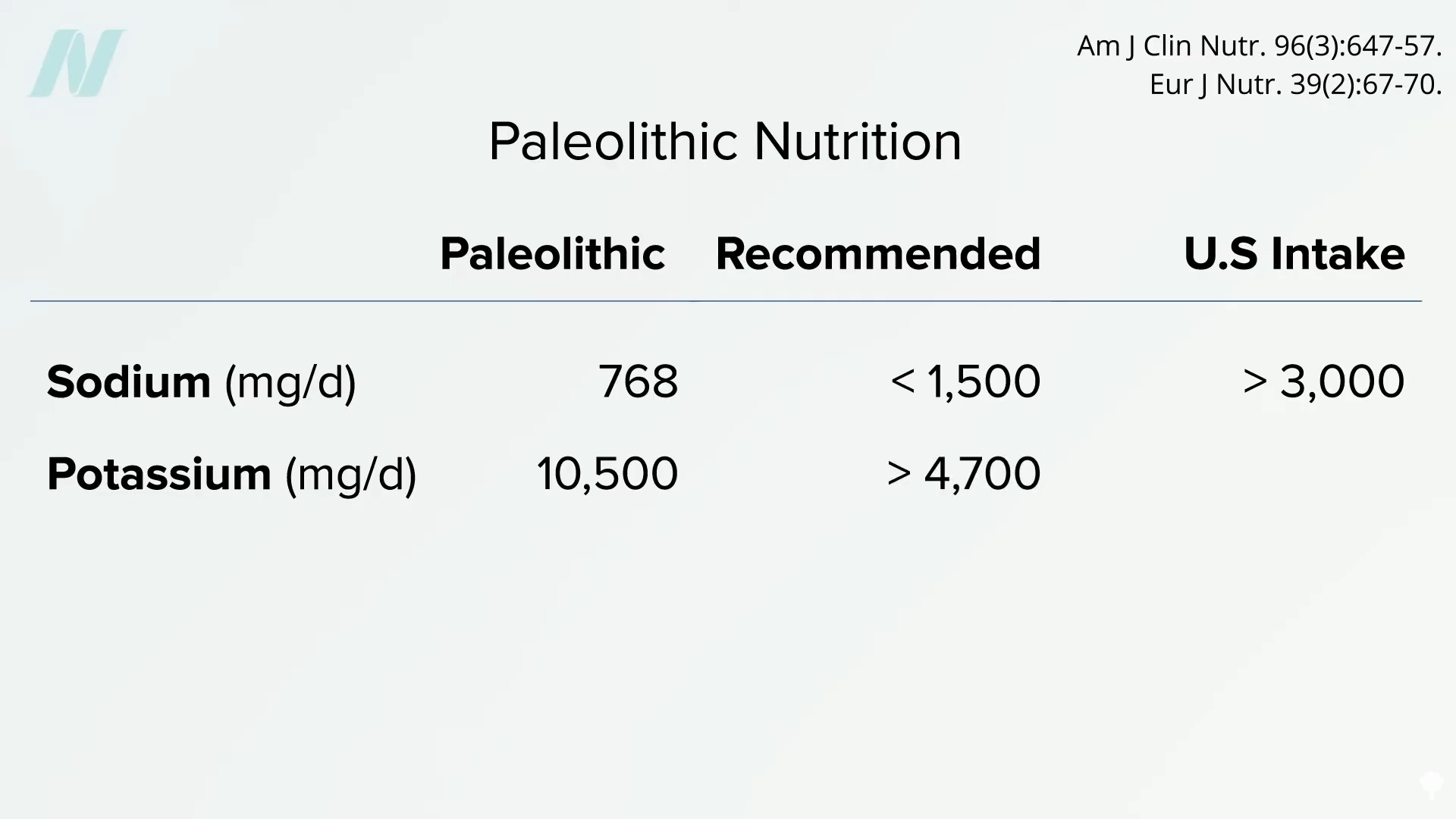
The pervasive overconsumption of sodium stands as a monumental challenge to public health. The human body, having evolved over millennia, is optimized to handle a daily sodium intake of approximately 750 milligrams. However, current American consumption patterns far exceed this natural threshold, with individuals typically consuming more than four times this amount. Leading health organizations, such as the American Heart Association, recommend an upper limit of 2,300 mg per day for most adults, with an ideal limit of 1,500 mg, particularly for those with or at risk of high blood pressure. Yet, an alarming 98.8% of Americans surpass even the 1,500 mg recommendation, a statistic that was documented over a decade ago and has shown signs of worsening over the last ten years.
The Alarming Reality of Sodium Consumption
The trajectory of sodium intake in the United States has been a steady concern for public health experts. Historically, human diets were naturally low in sodium. The advent of widespread food processing in the 20th century dramatically altered this landscape, introducing high levels of added salt into the food supply. Today, processed and pre-packaged foods, as well as restaurant meals, account for over 70% of the average American’s sodium intake, far outweighing the sodium added at the table or during home cooking. This makes it challenging for consumers to control their sodium intake, as much of it is embedded in the very fabric of their diets. The increased reliance on convenience foods, driven by changing lifestyles and economic pressures, has further entrenched this pattern, making it difficult for individuals to navigate away from high-sodium options without significant effort and awareness.

Physiological Mechanisms and Health Risks
The detrimental effects of excessive sodium on human health are well-documented and far-reaching. The most prominent and widely recognized consequence is its direct link to high blood pressure, or hypertension. When sodium levels in the bloodstream rise, the body retains more water to dilute the sodium, increasing blood volume. This increased volume puts greater pressure on blood vessel walls, leading to hypertension. Sustained high blood pressure is a primary risk factor for a cascade of severe cardiovascular diseases, including heart disease, stroke, and kidney disease. It forces the heart to work harder, stiffens arteries over time, and can damage the delicate filtering units in the kidneys, ultimately leading to organ failure.
Beyond cardiovascular health, emerging research highlights sodium’s role in exacerbating inflammation and autoimmune conditions. Studies have shown a significant correlation between high sodium intake and increased disease activity in multiple sclerosis (MS), an inflammatory autoimmune nerve condition. Patients with medium or high sodium intakes have been observed to experience three to four times the exacerbation rate compared to those consuming less than a teaspoon of salt per day. Similar findings indicate higher sodium levels in the tissues of individuals suffering from lupus, another serious inflammatory autoimmune disease, and a correlation between high sodium levels in the spinal cord of MS patients and decreased structural integrity. The precise mechanisms are still being explored, but it is understood that sodium can influence immune cell function and contribute to a pro-inflammatory environment within the body.
Furthermore, recent scientific inquiry suggests that high sodium intake may exert its damaging effects through an unexpected pathway: the gut microbiome. The friendly bacteria residing in our gut play a crucial role in immune regulation, nutrient absorption, and overall health. Evidence indicates that excessive salt can disrupt the delicate balance of these microbial communities, potentially leading to dysbiosis. This disruption could be a contributing factor to inflammation and other adverse health outcomes, adding another layer of complexity to the understanding of sodium’s impact. The scientific consensus, solidified by over a hundred randomized controlled trials, unequivocally demonstrates a cause-and-effect relationship between salt intake and blood pressure, confirming that reducing added salt consistently leads to a fall in blood pressure, with greater reductions yielding better results.
Sources and Policy Responses
The primary sources of sodium in the American diet are not found in the salt shaker on the table, but rather in processed, packaged, and restaurant foods. Items such as cured meats, canned soups, frozen meals, fast food, and many baked goods are notorious for their high sodium content. This hidden sodium makes it particularly difficult for consumers to track and manage their intake effectively.
Recognizing the profound impact of sodium, health organizations worldwide have intensified their calls for stronger public health interventions. A former commissioner of the U.S. Food and Drug Administration (FDA) unequivocally stated, "There remains no single more effective public health action related to nutrition than the reduction of sodium in the diet." This sentiment is echoed by international bodies such as the World Health Organization (WHO), which has set global targets for sodium reduction. These organizations have advocated for comprehensive strategies, including the implementation of warning labels on salt packets and shakers. Such labels would carry clear messages like: "Too much sodium in the diet causes high blood pressure and increases risk of stomach cancer, stroke, heart disease, and kidney disease. Limit your use." These proposals aim to raise consumer awareness and empower individuals to make more informed dietary choices, while also pressuring the food industry to reformulate products with lower sodium levels. Efforts like the Centers for Disease Control and Prevention’s (CDC) Million Hearts initiative also emphasize sodium reduction as a core strategy to prevent cardiovascular events.
Potassium: The Neglected Protector
In stark contrast to the pervasive overconsumption of sodium, the vast majority of the American population suffers from a significant deficiency in potassium, a vital mineral that plays a crucial role in maintaining cardiovascular health and overall physiological balance. Less than 2% of U.S. adults consume the recommended daily minimum intake of potassium, meaning over 98% of Americans subsist on potassium-deficient diets. This deficiency is particularly striking when juxtaposed with the dietary habits of our ancestors, whose diets were rich in whole, unprocessed foods, naturally providing large amounts of potassium, often exceeding 10,000 mg per day. While modern recommendations hover around half that amount (e.g., 4,700 mg for adults as per the USDA), most individuals fall far short of even this adjusted guideline.
The Widespread Potassium Deficiency
The historical context of potassium intake provides a critical lens through which to view current dietary trends. Early human diets, heavily reliant on plant-based foods such as fruits, vegetables, nuts, and seeds, were inherently high in potassium and low in sodium. This dietary pattern established an optimal potassium-to-sodium ratio that our bodies are evolutionarily designed for. However, the shift towards processed foods, which are typically low in potassium and high in sodium, has inverted this crucial ratio, contributing significantly to the current epidemic of hypertension and other chronic diseases. The modern diet’s reliance on refined grains, processed meats, and sugary drinks further exacerbates this deficiency, as these items offer minimal potassium content. The long-term implications of this widespread deficiency include not only elevated blood pressure but also increased risk of stroke, kidney stones, and bone loss.
The Counterbalance to Sodium
Potassium acts as a crucial counterbalance to sodium within the body, playing an indispensable role in maintaining fluid balance, nerve signaling, and muscle contractions. Its most well-known benefit is its ability to lower blood pressure. Potassium helps to relax blood vessel walls, thereby reducing the pressure within arteries. It also aids the kidneys in excreting excess sodium, further contributing to blood pressure regulation. This intricate interplay, mediated by the sodium-potassium pump in cell membranes, is fundamental to cellular function and overall cardiovascular health.
Beyond its role in blood pressure management, potassium is vital for numerous other bodily functions. It supports proper nerve function, facilitating the transmission of electrical signals throughout the nervous system. It is essential for muscle contraction, including the critical function of the heart muscle, helping to maintain a regular heartbeat. Adequate potassium intake is also linked to improved bone health, as it helps to neutralize dietary acids that can leach calcium from bones. The primary and most effective way to increase potassium intake is through a diet rich in whole, unprocessed plant foods. Excellent sources include leafy green vegetables (spinach, kale), fruits (bananas, oranges, avocados), legumes (beans, lentils), potatoes, sweet potatoes, and whole grains. Integrating these foods into daily meals can significantly help in achieving the recommended potassium levels and restoring a healthier sodium-potassium balance.
A Systemic Failure: The Combined Challenge
The confluence of excessive sodium intake and insufficient potassium consumption presents a systemic failure in public health. When both dietary guidelines—limiting sodium and increasing potassium—are considered together, the compliance rate plummets to an astonishingly low figure: fewer than 0.015% of people in the United States meet both recommendations. This equates to a staggering 99.99% noncompliance, meaning only approximately 1 in 6,000 Americans achieves this critical dietary balance. This statistic paints a vivid picture of a population largely adrift from optimal nutritional practices, with profound implications for chronic disease prevalence and healthcare expenditures.
This dual deficiency/excess is not merely a statistical anomaly but a reflection of deep-seated issues within the food environment and prevailing dietary habits. The modern Western diet, characterized by its reliance on highly processed, convenience-oriented foods, inherently promotes this imbalance. These foods are engineered to be palatable, often through high levels of salt, sugar, and unhealthy fats, while simultaneously being stripped of the natural potassium found in whole plant foods. The result is a diet that actively works against the body’s natural requirements, contributing to an epidemic of preventable diseases. Addressing this systemic failure requires a multi-faceted approach, encompassing consumer education, food industry reform, and policy interventions aimed at making healthy, potassium-rich, and low-sodium foods more accessible and affordable.
Seeking Solutions: Dietary Adjustments and Innovations
Addressing the pervasive dietary imbalance of sodium and potassium requires both fundamental shifts in eating habits and innovative approaches to food consumption. The focus must be on returning to a diet rich in whole, unprocessed foods while also exploring practical alternatives for reducing harmful sodium intake.
Re-evaluating Dietary Habits
The most impactful strategy for correcting the sodium-potassium imbalance lies in a fundamental re-evaluation of dietary habits. This involves consciously shifting away from the processed and packaged foods that dominate modern diets and embracing a greater consumption of whole plant foods. Increasing the intake of fruits, vegetables, whole grains, nuts, and seeds is paramount. These foods are naturally low in sodium and exceptionally rich in potassium, fiber, and a wide array of other essential micronutrients. For example, incorporating more leafy greens, bananas, avocados, potatoes (with skins), beans, and lentils can significantly boost potassium levels. Similarly, choosing whole grains over refined grains provides more potassium and fiber, while reducing reliance on processed snacks and restaurant meals automatically curtails excessive sodium. Educating the public on cooking with fresh ingredients and using herbs, spices, and other flavorings instead of salt can also empower individuals to make healthier choices at home. This dietary transformation is not merely about restriction but about abundance—filling the diet with nutrient-dense foods that naturally correct the existing imbalances.
The Role of Salt Substitutes
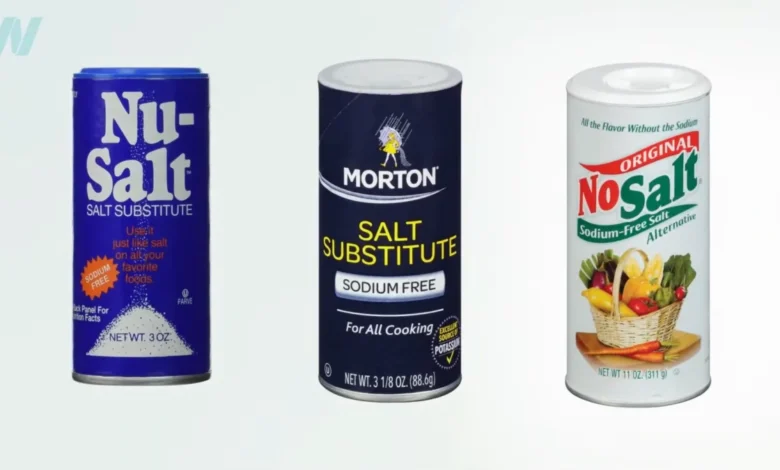
Beyond foundational dietary changes, innovative solutions such as potassium-based salt substitutes offer a potential complementary strategy. Instead of using sodium chloride, which is common table salt, these substitutes primarily utilize potassium chloride. This alternative provides a salty taste while simultaneously reducing sodium intake and increasing potassium intake, appearing to be a "too good to be true" solution. These products typically contain a blend of potassium chloride, sometimes with smaller amounts of sodium chloride and other flavor enhancers, designed to mimic the taste and texture of regular salt.
The concept of using potassium chloride as a salt substitute is not entirely new; it has been discussed in nutritional circles for decades as a means to mitigate the health risks associated with high sodium diets. For individuals who find it challenging to eliminate the salty taste from their diet entirely, these substitutes could represent a practical bridge to healthier eating. However, the widespread adoption and recommendation of potassium-based salt substitutes raise important questions regarding their safety and effectiveness for all populations. Concerns sometimes arise regarding individuals with certain medical conditions, such as kidney disease, where excess potassium can be harmful. Therefore, a careful examination of their benefits, potential risks, and appropriate usage is crucial before they can be broadly endorsed as a universal solution. Further detailed analysis is warranted to provide comprehensive guidance on their role in public health initiatives, which will be explored in subsequent discussions.
The Broader Public Health Imperative
The data presented paints a clear and urgent picture: the current dietary landscape in the United States, and indeed much of the developed world, is profoundly out of sync with human physiological needs. The combined crisis of sodium excess and potassium deficiency is not merely a lifestyle choice but a systemic public health imperative with devastating consequences for chronic disease burden, healthcare costs, and overall quality of life. The consistent advocacy from leading health organizations, the scientific consensus forged through rigorous research, and the alarming statistics on non-compliance all underscore the critical need for immediate and sustained action.
Addressing this crisis demands a concerted effort from multiple stakeholders. Individuals must be empowered with knowledge and access to healthier food options. The food industry bears a significant responsibility to reformulate products, reduce sodium content, and offer more potassium-rich alternatives. Policymakers must implement supportive regulations, public health campaigns, and economic incentives that favor healthier food systems. Only through such comprehensive and collaborative interventions can we hope to reverse the tide of diet-related diseases and foster a future where optimal sodium and potassium balance is the norm, not a rare exception. This is not just about individual dietary choices; it is about shaping an environment that supports health and longevity for all.
Related posts: