From Historical Anomaly to Modern Marvel: The Enduring Power of Oatmeal in Diabetes Management


Before the monumental discovery of insulin revolutionized diabetes care, the medical community grappled with limited tools to manage a devastating condition that often led to rapid decline and early mortality. In this challenging era, an unlikely hero emerged: the humble oat. The "oatmeal diet," championed by German physician Carl von Noorden, became a beacon of hope, saving or prolonging the lives of countless individuals suffering from diabetes. Von Noorden published his groundbreaking findings in 1903, which, predictably for such an unconventional approach, were met with considerable skepticism within the scientific establishment. However, the sheer weight of accumulating clinical evidence in the subsequent years gradually silenced the critics, solidifying oatmeal’s place in the early treatment protocols for diabetes.
The Pre-Insulin Era: A Medical Mystery Unveiled
The early 20th century was a desperate time for diabetes patients and their physicians. With no understanding of insulin’s role and no effective pharmaceutical interventions, treatments largely revolved around severe dietary restrictions, often bordering on starvation diets, aimed at minimizing sugar in the urine. These regimens were grueling, difficult to sustain, and frequently led to malnutrition. Against this backdrop, von Noorden’s proposal of a diet centered on oatmeal, a carbohydrate-rich food, seemed counterintuitive, even reckless, to many. Yet, his careful observations demonstrated remarkable improvements in patient outcomes.
Among those initially doubtful but ultimately convinced was acclaimed American physician James B. Herrick. After witnessing astonishing results firsthand with his own patients, Herrick became a vocal proponent. His experience contributed significantly to a pivotal medical proclamation in 1909, asserting that "no case of juvenile or adolescent diabetes should be deprived of the benefits of the oatmeal cure." This was a profound shift in medical thought, especially for juvenile diabetes, which was then considered almost uniformly fatal.
Another towering figure in diabetes care, Elliott Joslin, founder of what would become the oldest and largest diabetes clinic in the world, described the effects of oatmeal as "sometimes magical." Joslin, a pioneer in the meticulous management of diabetes, candidly referred to the oatmeal cure as "one of the greatest puzzles in diabetes," acknowledging its unexplained efficacy. While its precise mechanisms remained a mystery, early clinicians did glean crucial clues: they observed that animal protein had to be rigorously excluded from the diet, as its presence appeared to "annihilate the favorable action of oatmeal-type diets." This observation, made over a century ago, provides a remarkable foresight into modern nutritional science.
Deciphering the "Magic": Modern Scientific Insights
Today, more than a century after von Noorden’s initial observations, scientific advancements have allowed us to peel back the layers of this historical "puzzle." We now understand that the early clinicians were acutely perceptive regarding the detrimental effects of animal protein in the context of diabetes. Contemporary research unequivocally demonstrates that a high intake of animal protein intensifies insulin resistance, the primary underlying cause of prediabetes and type 2 diabetes. Insulin resistance occurs when the body’s cells become less responsive to insulin, requiring the pancreas to produce more and more insulin to maintain normal blood sugar levels, eventually leading to pancreatic fatigue and elevated blood glucose. Conversely, a diet rich in plant-based foods is now known to enhance insulin sensitivity, which is the exact opposite of insulin resistance and crucial for effective blood sugar regulation.
This modern understanding provides a scientific rationale for the historical efficacy of von Noorden’s diet and underscores the critical importance of dietary composition in diabetes management. The historical observations were not anecdotal but rather early clinical evidence of a fundamental physiological principle.
Oats and Blood Sugar Control: A Deeper Dive into Beta-Glucan and Fiber
The benefits of whole grains, including oats, in diabetes prevention and management are well-established in modern nutritional science. Numerous studies have consistently shown a strong inverse association between higher consumption of whole grains and a lower risk of developing type 2 diabetes. This protective effect is not merely statistical; it is rooted in specific biochemical and physiological mechanisms.
More than a dozen randomized controlled trials (RCTs), considered the gold standard in clinical research, have investigated the impact of oat consumption on individuals with diabetes. These trials have collectively demonstrated that oats significantly improve both short-term (post-meal glucose excursions) and long-term (HbA1c levels) blood sugar control. Beyond glucose regulation, oats have also been shown to contribute to a reduction in cholesterol levels, addressing another common comorbidity associated with diabetes.

The primary bioactive component believed to be responsible for many of these benefits is beta-glucan, a unique type of soluble, fermentable fiber found abundantly in oats. Beta-glucan’s mechanism of action is multifaceted. In the digestive tract, it forms a viscous gel that slows gastric emptying and the absorption of glucose, leading to a more gradual rise in blood sugar after meals. This effect helps prevent the sharp spikes that are particularly damaging for individuals with diabetes. Furthermore, beta-glucan’s fermentable nature means it travels undigested to the large intestine, where it becomes a crucial substrate for beneficial gut bacteria.
The Gut Microbiome Connection: A New Frontier in Diabetes Management
The role of the gut microbiome in human health, particularly in metabolic conditions like type 2 diabetes, has emerged as a critical area of research. We now understand that one of the underlying mechanisms for oatmeal’s cholesterol-lowering and blood sugar-improving effects lies in its ability to manipulate the gut microbiome. In essence, oats have a beneficial effect on our intestinal bacteria, fostering a healthier microbial ecosystem.
Dietary fiber, particularly the types found in oats and beans, acts as a prebiotic. Prebiotics are non-digestible food ingredients that selectively stimulate the growth and activity of beneficial bacteria in the colon. These beneficial gut flora, such as Lactobacillus and Bifidobacteria, utilize fiber to produce short-chain fatty acids (SCFAs) like acetate, propionate, and butyrate. These SCFAs are not merely waste products; they are potent signaling molecules with wide-ranging systemic effects. They possess anti-inflammatory properties, can improve gut barrier function, and, critically for diabetes management, have been shown to enhance insulin sensitivity in peripheral tissues and improve glucose homeostasis.
Dozens of randomized controlled trials have now corroborated that the types of fiber found in oats and legumes can significantly improve long-term blood sugar control in people with diabetes. The explanation lies precisely in this gut-brain-metabolism axis: the gut bacteria selectively promoted by dietary fiber intake can help alleviate type 2 diabetes by producing these beneficial SCFAs, modulating host metabolism, and reducing systemic inflammation. Therefore, the historical "mystery" of oatmeal’s efficacy can largely be attributed to a powerful synergy: the lack of insulin-resistance-promoting animal protein, the absence of animal fats often associated with inflammation, and the abundance of prebiotic fiber that nourishes a health-promoting gut microbiome. This combination made the oatmeal diet a powerful therapeutic tool, even before its mechanisms were fully understood.
Rapid and Lasting Results: The Clinical Evidence for Oatmeal Diets
The efficacy of oatmeal-rich diets is not just historical; it is consistently demonstrated in contemporary clinical trials, often showing surprisingly rapid and enduring effects. Several modern studies have suggested that even a few days of consuming an oatmeal-centric diet can yield beneficial effects that persist for about a month afterward, a phenomenon that has intrigued researchers.
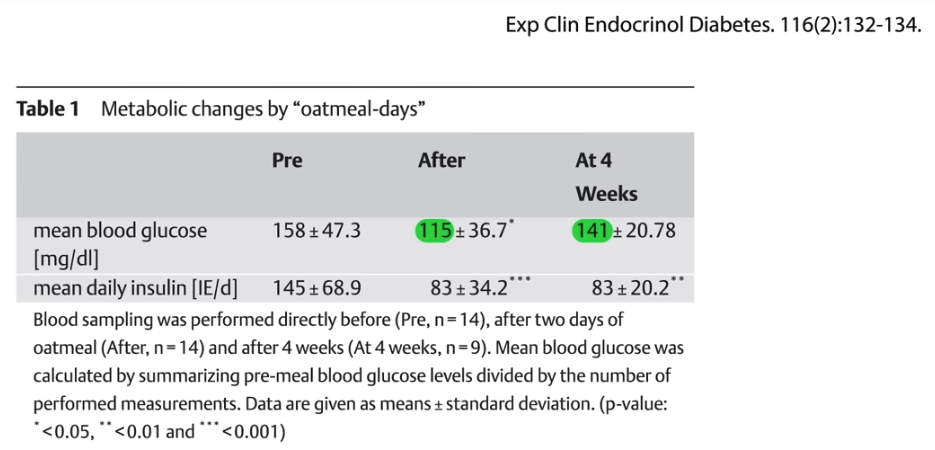
One randomized, controlled, crossover trial provided compelling evidence. Participants on an oatmeal diet experienced a remarkable drop in insulin needs—approximately 40%—in just two days, compared to a control group on a hypocaloric diabetic diet that merely restricted calories. Even more impressively, a measure of long-term blood sugar control (HbA1c) taken four weeks later continued to reflect this significant benefit, indicating a lasting metabolic improvement beyond the immediate intervention period.
Other recent studies have corroborated these findings. A two-day oatmeal intervention consistently and significantly reduced the required amount of insulin and improved blood sugar levels, with beneficial effects noted for up to four weeks. Consider the profound implications: patients with uncontrolled type 2 diabetes on a short, two-day oatmeal diet experienced a 40% reduction in their insulin dose, accompanied by an almost normalization of average blood sugars. Crucially, researchers observed a lasting significant reduction of insulin dosage and ameliorated mean blood sugars for weeks after participants were dismissed from the study, even after they resumed their regular diets. This suggests a powerful "reset" effect on metabolic pathways, potentially through the rapid alteration of the gut microbiome.
Further research has elucidated the gut microbiome’s role in these rapid improvements. When individuals are placed on a diet packed with oats, beans, fruits, vegetables, and nuts, the population of their gut "fiber-feeders" – bacteria that produce beneficial short-chain fatty acids – rapidly increases. Concurrently, fasting diabetic blood sugars drop by approximately 25% within one month. A direct correlation has been observed: the more robustly these fiber-feeding bacteria were fostered, the better the participants’ blood sugar control. When the diversity and abundance of fiber-promoted short-chain fatty acid producers were greater, participants exhibited more significant improvements in their hemoglobin A1c levels, a crucial indicator of longer-term blood sugar control. These findings underscore the profound and rapid impact of dietary fiber on gut health and systemic metabolism.
Navigating the Oatmeal Diet: Precautions and Glycemic Considerations
While the therapeutic potential of oatmeal in diabetes management is undeniable, it is imperative that such dietary interventions are undertaken with close medical supervision. The "downside" of trying an oatmeal-rich diet, paradoxically, is that it may work too well, too quickly. A rapid improvement in insulin sensitivity can lead to a significant drop in blood sugar levels, posing a risk of hypoglycemia (dangerously low blood sugar) if blood sugar-lowering medications are not adjusted promptly.
Therefore, if a patient embarks on an oatmeal-centric diet, their physician must be prepared to rapidly deprescribe or significantly reduce their blood sugar medications, including insulin and oral hypoglycemic agents. Oatmeal interventions should not be performed in patients who might have difficulties in recognizing or reporting symptoms of low blood sugar, due to cognitive impairment or other health conditions. This emphasizes the critical importance of a collaborative approach between patients and their healthcare providers when implementing significant dietary changes for diabetes.
Regarding the glycemic impact of oats, it’s important to distinguish between different processing levels. Generally, whole grains are beneficial, but intact whole grains offer superior glycemic control. The "wholiest" form of oat is the oat groat, which is simply the oat kernel with its inedible outer husk removed.
- Steel-cut oats (also known as pinhead or Irish oats) are made by slicing oat groats into two to four pieces. This minimal processing retains much of the oat’s structural integrity, resulting in a low glycemic index (GI) food, typically averaging under 55. Foods with a GI below 55 are considered low-glycemic, meaning they cause a slower and lower rise in blood glucose.
- Rolled oats ("old-fashioned" oats) are made by steaming oat groats and then flattening them. This process slightly increases the surface area, making them quicker to cook. They have a glycemic index of 55, placing them at the border of low and medium GI.
- Instant oats undergo more extensive steaming and are rolled even more thinly, making them very quick to prepare. However, this increased processing also makes their carbohydrates more readily digestible, leading to a higher glycemic index of 79. While this is considered a high-glycemic-index food, it is still generally better than many highly processed breakfast cereals, which can have GIs in the 80s or 90s, often due to added sugars and refined grains. For optimal blood sugar control, prioritizing less processed oat forms like steel-cut or rolled oats is advisable.
Beyond Breakfast: Culinary Versatility of Oats
Oatmeal is a classic, nutrient-dense whole-grain breakfast staple, but its versatility extends far beyond a morning bowl. For those looking to incorporate more oats into their diet, exploring diverse culinary applications can prevent palate fatigue and enhance enjoyment.
A popular and highly nutritious base is a "BROL bowl," an acronym for Barley, Rye, Oats, and Lentils, often mixed with other grains and legumes. This combination maximizes fiber diversity and nutrient density. From this base, the topping possibilities are endless. For a sweet inclination, one can create a "chocolate-covered-cherry sensation" using frozen dark red cherries, unsweetened cocoa powder, dates for natural sweetness, and walnuts or pumpkin seeds for healthy fats and protein.
For those who prefer savory flavors, the BROL bowl can be easily transformed. Incorporating sautéed greens, mushrooms, herbs, or spices like curry can yield a hearty and flavorful meal. A quick search for "savory oatmeal" online reveals a plethora of creative dishes involving roasted vegetables, eggs, or even fermented foods, demonstrating how oats can be a foundation for various interesting and health-promoting meals throughout the day. This adaptability ensures that integrating oats into a therapeutic diet can be both effective and enjoyable.
Broader Implications and Future Directions
The journey of oatmeal in diabetes care, from an unexplained historical "cure" to a scientifically validated dietary intervention, offers profound implications for public health and the future of diabetes management. It highlights the often-underestimated power of whole, plant-based foods in preventing and reversing chronic diseases. In an era dominated by pharmaceutical solutions, the story of oatmeal serves as a compelling reminder that dietary choices remain a cornerstone of health.
The growing understanding of the gut microbiome’s intricate relationship with metabolic health opens new avenues for therapeutic interventions. Further research into specific fiber types, their interaction with gut bacteria, and the resulting production of beneficial metabolites like SCFAs will likely refine dietary recommendations and potentially lead to novel probiotic or prebiotic strategies.
Ultimately, the enduring legacy of oatmeal in diabetes management reinforces a critical message: a diet rich in whole grains, fruits, vegetables, and legumes, and notably low in animal products, is not merely a healthy choice but a powerful therapeutic tool. As global diabetes prevalence continues to rise, embracing evidence-based dietary strategies, such as incorporating the humble yet mighty oat, becomes not just a medical recommendation but a public health imperative. The "magic" of oatmeal, once an unsolved mystery, is now largely understood as the elegant interplay of fiber, plant compounds, and a flourishing gut microbiome – a testament to the wisdom of nature and the continuous evolution of nutritional science.
Related posts: