Untreated Sleep Apnea Linked to Nearly Double the Risk of Parkinson’s Disease According to Massive Veteran Study


The intersection of sleep health and neurological preservation has long been a subject of intense medical scrutiny, but a groundbreaking study published on November 24 in JAMA Neurology has provided some of the most compelling evidence to date. Researchers have identified a significant and alarming correlation: individuals who suffer from obstructive sleep apnea (OSA) but do not seek or maintain treatment are nearly twice as likely to develop Parkinson’s disease compared to those who utilize corrective therapies. This revelation, derived from a massive dataset spanning more than two decades, suggests that the simple act of maintaining a steady airflow during sleep could be a critical factor in staving off one of the most debilitating neurodegenerative conditions known to modern medicine.
The study, led by a collaborative team from Oregon Health & Science University (OHSU) and the Portland VA Health Care System, analyzed the electronic health records of more than 11 million U.S. military veterans. This vast cohort, tracked between 1999 and 2022, provides a robust statistical foundation that highlights how long-term, untreated sleep disturbances may act as a catalyst for brain-related pathology. As the medical community grapples with a rising tide of Parkinson’s diagnoses among an aging population, these findings offer a potential avenue for prevention that is both accessible and actionable: the use of continuous positive airway pressure, or CPAP, machines.
The Magnitude of the Parkinson’s Challenge
Parkinson’s disease is a progressive neurological disorder that primarily affects the motor system, often manifesting as tremors, muscle rigidity, and bradykinesia (slowness of movement). In the United States alone, an estimated 1 million people live with the condition, a number expected to rise as the "baby boomer" generation continues to age. While the exact cause of Parkinson’s remains a complex interplay of genetics and environment, age is the most significant known risk factor. The probability of a diagnosis climbs steadily each year after an individual reaches the age of 60.
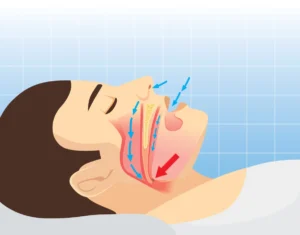
Because there is currently no cure for Parkinson’s, clinical focus has shifted toward identifying modifiable risk factors—behaviors or conditions that can be managed to reduce the likelihood of the disease’s onset. Sleep has emerged as a primary area of interest. Obstructive sleep apnea, characterized by the repeated stopping and starting of breathing during the night due to airway collapse, affects millions of Americans. It is often associated with loud snoring, daytime fatigue, and cardiovascular strain. However, the OHSU and VA study suggests the damage extends deep into the brain’s architecture.
A Longitudinal Analysis of 11 Million Records
The sheer scale of the research project is what sets it apart from previous inquiries into sleep and neurodegeneration. By utilizing the Department of Veterans Affairs’ comprehensive electronic health record system, the research team was able to observe health outcomes over a 23-year period. This longitudinal approach allowed them to see the progression from a sleep apnea diagnosis to the eventual development of Parkinson’s symptoms years later.
The researchers, including lead author Lee Neilson, M.D., and co-author Gregory Scott, M.D., Ph.D., did not simply look at raw numbers. They performed a sophisticated analysis that adjusted for a variety of confounding factors that might otherwise explain the link. These factors included obesity—which is a common precursor to both sleep apnea and various metabolic issues—as well as age, smoking history, and high blood pressure.
Even after these adjustments were made, the association remained stark. Veterans with sleep apnea who did not use CPAP therapy were approximately twice as likely to be diagnosed with Parkinson’s disease than their counterparts who adhered to the treatment. "It’s not at all a guarantee that you’re going to get Parkinson’s, but it significantly increases the chances," noted Dr. Scott, an assistant professor of pathology at the OHSU School of Medicine.
The Biological Mechanism: Why Sleep Quality Protects the Brain
To understand why a breathing disorder would affect a disease characterized by the loss of dopamine-producing neurons, one must look at the physiological stress caused by sleep apnea. When a person stops breathing during sleep, their blood oxygen levels drop—a state known as intermittent hypoxia. Simultaneously, the body experiences a "micro-arousal," a brief spike in brain activity and heart rate as the person struggles to resume breathing.
"If you stop breathing and oxygen is not at a normal level, your neurons are probably not functioning at a normal level either," explained Dr. Neilson. The brain is an incredibly oxygen-hungry organ, and these repeated nightly "suffocation" events create a state of chronic oxidative stress and neuroinflammation. Over years, this cumulative damage may weaken the brain’s resilience, making it more susceptible to the protein misfolding and neuronal death associated with Parkinson’s.
Furthermore, recent science has highlighted the role of the "glymphatic system," a waste-clearance pathway in the brain that is primarily active during deep, non-REM sleep. This system flushes out toxic proteins, such as alpha-synuclein, which is the primary component of the Lewy bodies found in the brains of Parkinson’s patients. When sleep is fragmented by apnea, this "nightly cleaning" is interrupted, potentially allowing toxic proteins to accumulate and trigger neurodegeneration.
The CPAP Shield: A Proactive Defense
The study’s most hopeful finding is that the risk is not fixed. The data indicates that the use of CPAP therapy—a machine that delivers a constant stream of air through a mask to keep the airway open—significantly mitigates the Parkinson’s risk. By maintaining steady oxygen levels and allowing for consolidated, restorative sleep, CPAP appears to bolster the brain’s natural defenses.
Dr. Neilson characterized this as building "resilience." By fixing the mechanical problem of the airway, patients are essentially protecting their neural circuitry from the wear and tear of hypoxia. For many veterans involved in the study, the benefits were not just long-term and preventative but also immediate.
"The veterans who use their CPAP love it," Dr. Scott said, addressing the common stigma that the machines are bulky or uncomfortable. "They’re telling other people about it. They feel better, they’re less tired. Perhaps if others know about this reduction in risk of Parkinson’s disease, it will further convince people with sleep apnea to give CPAP a try."
Implications for Clinical Practice and Public Health
The results of this study are expected to resonate through the halls of neurology clinics and primary care offices nationwide. For many years, sleep apnea was viewed primarily through the lens of cardiovascular health—linked to heart attacks and strokes—or simply as a lifestyle issue related to snoring and fatigue. This new data elevates sleep apnea to a major neurological concern.
Dr. Neilson admitted that the findings would directly influence how he treats his patients. The urgency to screen for sleep apnea and ensure patients are compliant with their CPAP machines has increased. "I think it will change my practice," he said, suggesting that neurologists may now play a more active role in advocating for sleep studies and respiratory interventions.
From a public health perspective, the implications are significant. Parkinson’s disease carries a heavy economic and social burden, including high costs for long-term care and a profound impact on the quality of life for patients and their families. If a non-invasive, mechanical intervention like CPAP can substantially reduce the incidence of the disease, it represents a massive opportunity for preventative medicine.
A Collaborative Effort in Research
The study was a massive undertaking involving several prestigious institutions and multiple funding sources. In addition to the leadership from OHSU and the Portland VA, the project saw contributions from researchers at the University of Washington and the VA Puget Sound Health Care System. The co-authors included Isabella Montano, B.A., Jasmin May, M.D., Ph.D., Jonathan Elliott, Ph.D., Miranda Lim, M.D., Ph.D., Yeilim Cho, M.D., and Jeffrey Iliff, Ph.D.
The research was supported by an array of grants from the Department of Veterans Affairs, the John and Tami Marick Family Foundation, the Collins Medical Trust, and the National Institute on Aging of the National Institutes of Health. Additional support came from the U.S. Army Medical Research Acquisition Activity. While the authors noted that their conclusions do not necessarily represent the official views of the Department of Defense or the NIH, the multi-agency support underscores the high level of interest in solving the puzzle of neurodegeneration.
Chronology of Sleep and Parkinson’s Research
The link between sleep and Parkinson’s has been a growing area of study for the last decade. Early research often focused on REM Sleep Behavior Disorder (RBD)—a condition where people act out their dreams—which is now known to be a frequent precursor to Parkinson’s. However, the focus on obstructive sleep apnea represents a broader, more common sleep pathology that affects a much larger segment of the general population.
- Early 2000s: Initial small-scale studies hint at a connection between poor sleep quality and cognitive decline.
- 2010-2015: Research begins to identify the glymphatic system and its role in clearing metabolic waste from the brain during sleep.
- 2018-2021: Smaller regional studies suggest that sleep apnea patients have higher rates of neurological issues, but data remains inconclusive due to small sample sizes.
- November 2024: The OHSU/VA study provides definitive, large-scale evidence linking untreated OSA to a doubled risk of Parkinson’s, while highlighting CPAP as a protective factor.
Looking Ahead: The Future of Prevention
As the medical community digests these findings, the next steps will likely involve more targeted studies to determine if the timing of CPAP intervention matters. For instance, does starting CPAP at age 40 provide more protection than starting at age 60? Furthermore, researchers may look for specific biomarkers in the blood or spinal fluid of sleep apnea patients that could signal the very earliest stages of Parkinson’s before motor symptoms even appear.
For now, the message for the public and for healthcare providers is clear: sleep is not merely a period of rest, but a vital biological process for brain maintenance. Treating sleep apnea is no longer just about stopping snoring or feeling more awake during the day; it is a fundamental step in preserving long-term neurological health. By securing the airway, patients may well be securing their future against the onset of Parkinson’s disease.