Creamy Chipotle Sauce: A Comprehensive Guide to Culinary Versatility and Preparation

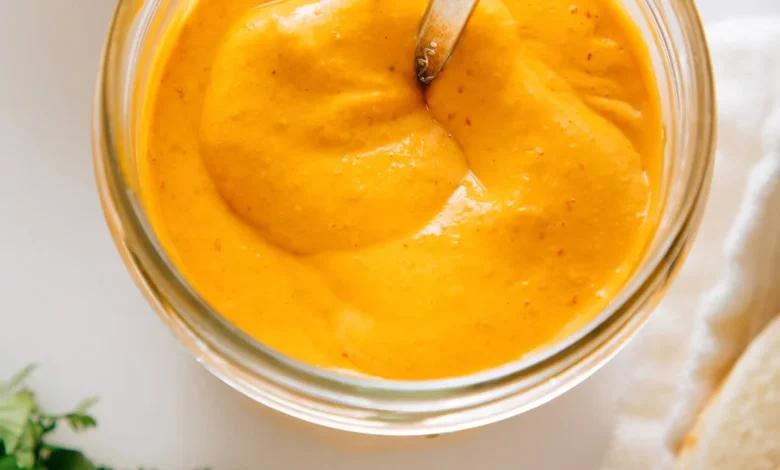
The evolution of modern home cooking has seen a significant shift toward the integration of robust, globally inspired condiments designed to elevate simple, component-based meals. Among these, creamy chipotle sauce has emerged as a staple in both domestic kitchens and professional culinary environments. Defined by its distinctive smoky profile and adaptable heat levels, this sauce serves as a sophisticated alternative to traditional mayonnaise-based dressings. By blending the deep, earthy notes of smoked jalapeños with a cooling dairy or dairy-alternative base, home cooks are increasingly capable of replicating restaurant-quality flavor profiles at home.
The Origins and Composition of Chipotle Peppers in Adobo
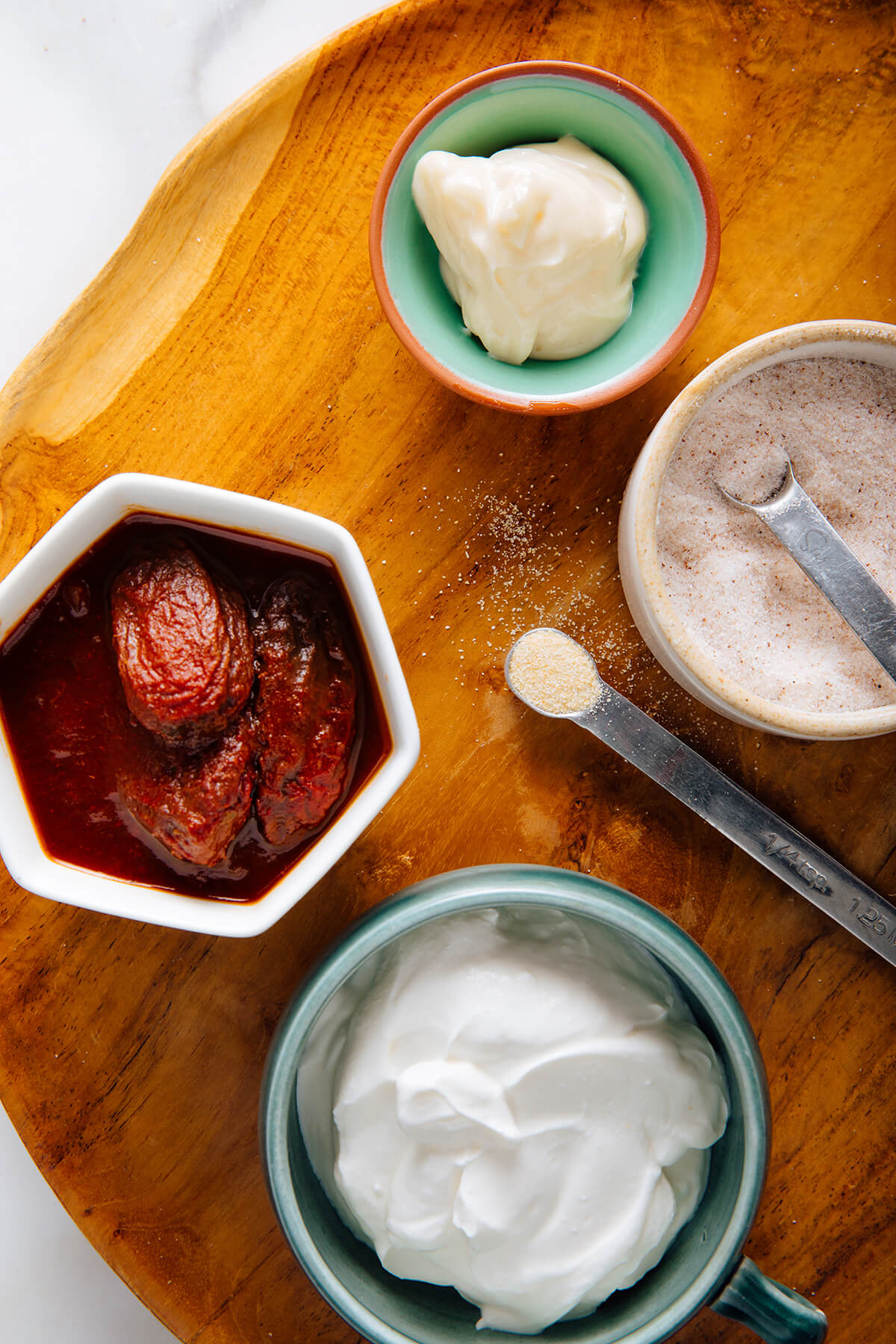
At the core of any high-quality chipotle sauce is the chipotle pepper, a ripe red jalapeño that has undergone a specialized smoking and drying process. This technique, which dates back to ancient Mesoamerican agricultural practices, transforms the moisture-heavy pepper into a shelf-stable ingredient with a complex flavor profile. When these peppers are rehydrated in adobo—a tangy, acidic sauce composed primarily of tomato paste, vinegar, and aromatics—they develop the signature depth that characterizes many Mexican-inspired dishes.
From a culinary chemistry perspective, the adobo sauce acts as both a flavor carrier and a texturizing agent. The acidity of the vinegar cuts through the richness of the creamy base, while the capsaicin present in the smoked peppers provides the heat that defines the sauce’s "punch." The inclusion of adobo is not merely for spice; it is essential for the characteristic color and the umami-rich foundation that distinguishes chipotle-based condiments from standard chili sauces.
Technical Preparation and Methods
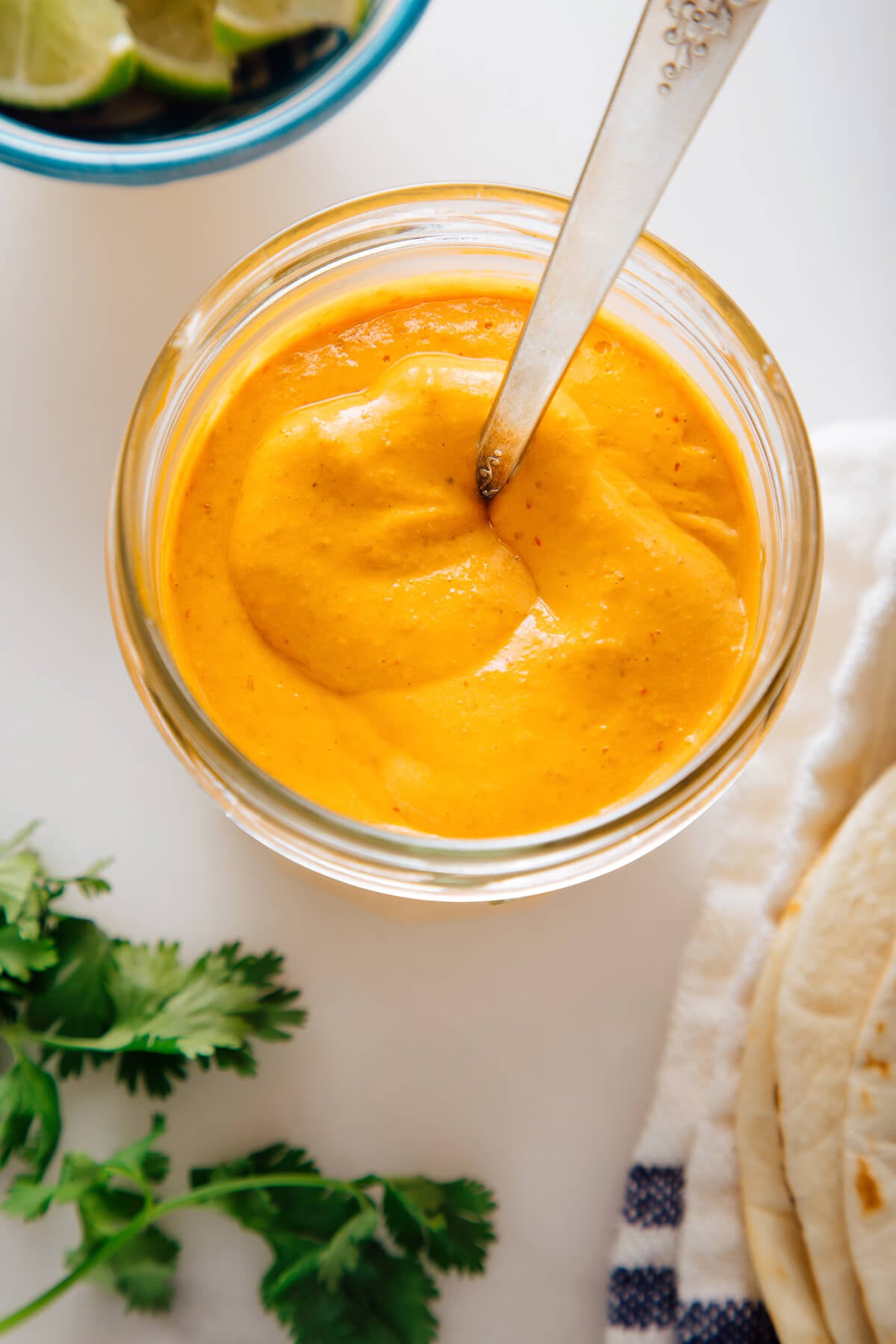
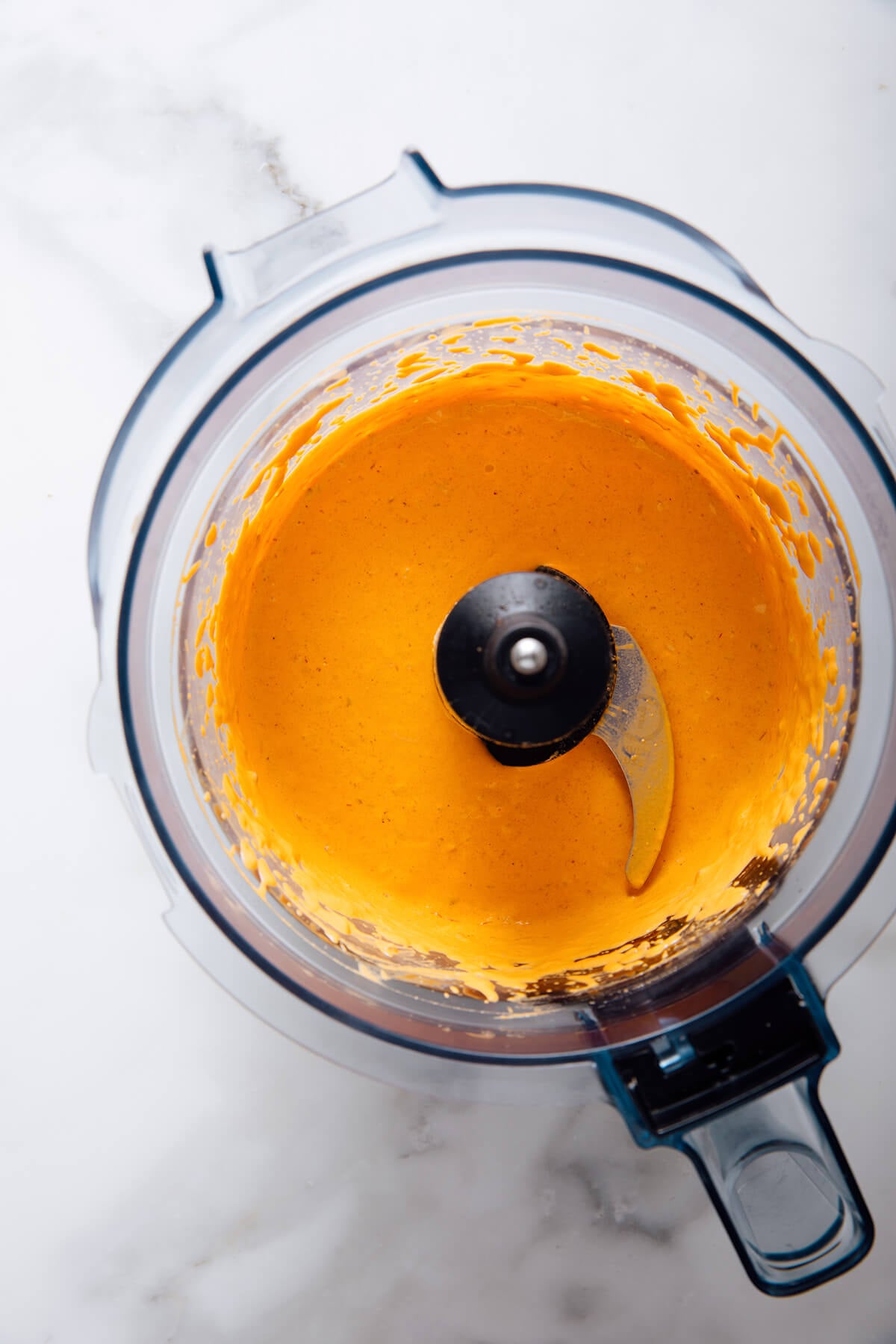
The production of creamy chipotle sauce can be executed through several methodologies, each resulting in varying levels of consistency and texture. In high-volume kitchen settings, mechanical processing is the standard. Utilizing a food processor allows for the emulsification of the base ingredients—typically a blend of sour cream or Greek yogurt and a small portion of mayonnaise—with the solid peppers. This mechanical shear force ensures that the fibrous particles of the chipotle pepper are broken down into a uniform, spreadable consistency.
For home preparation, an immersion blender is often recommended for its efficiency and ease of cleanup. When such tools are unavailable, the preparation can be managed manually. In these instances, chefs recommend using only the liquid adobo sauce or finely mincing the peppers to avoid large, uneven particulates that could detract from the intended silkiness of the final product.
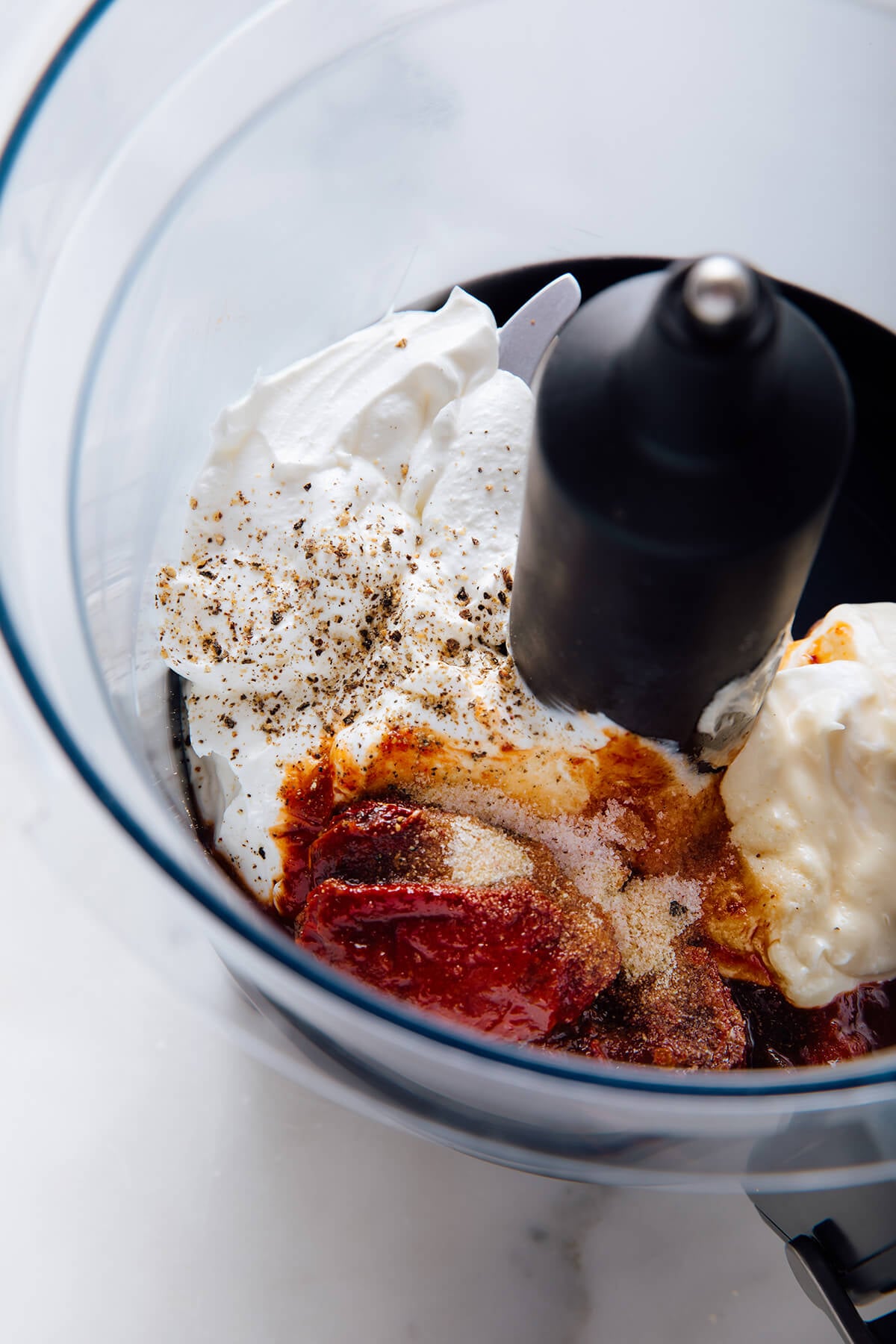
Data regarding the standard yield for a typical kitchen-scale batch indicates that a baseline recipe—utilizing approximately one cup of dairy base—produces roughly three-quarters of a cup of finished sauce. This ratio allows for significant scalability; in commercial settings, the recipe is easily doubled or tripled, provided the cook monitors the concentration of the capsaicin to ensure consistency across batches.
Nutritional Profiles and Dietary Adjustments
In response to growing consumer demand for versatile dietary options, the preparation of chipotle sauce has become highly adaptable. Traditional recipes rely on sour cream for its fat content and tang, but modern nutritional adjustments have made this condiment accessible to a broader demographic.
For consumers adhering to dairy-free or vegan diets, the substitution of standard sour cream with plant-based alternatives does not significantly alter the structural integrity of the sauce. Furthermore, the removal of mayonnaise—often used to add a silky mouthfeel—is entirely possible, as the starch content in plant-based yogurts often provides sufficient density. From a nutritional standpoint, the sauce provides a moderate caloric intake, though it is primarily utilized as a garnish rather than a primary food source, meaning the impact on a total daily caloric budget is generally negligible.
Broader Culinary Impact and Usage Trends
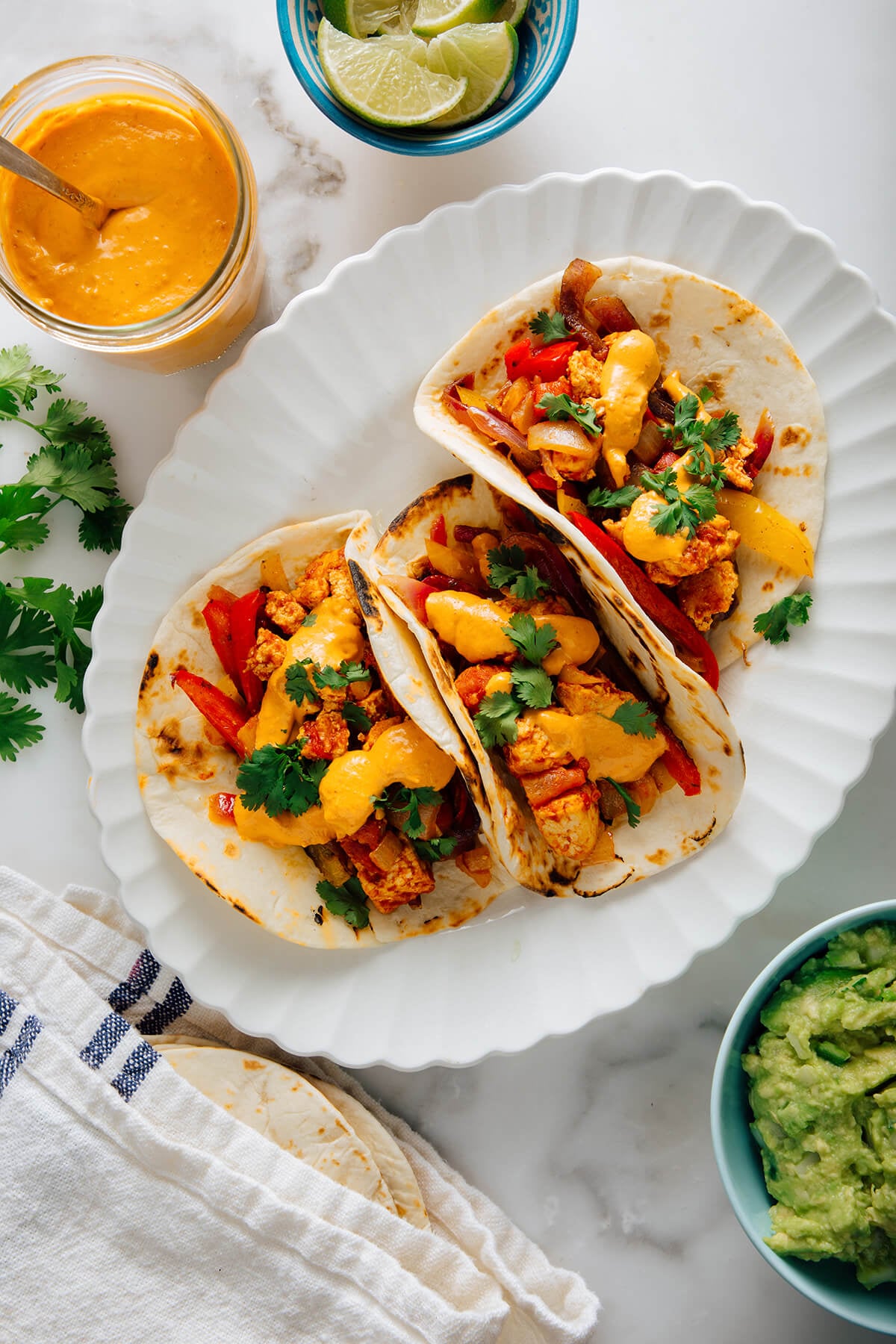
The integration of chipotle sauce into the domestic pantry reflects a broader trend in home cooking: the "build-your-own-meal" model. As popularity for dishes such as burrito bowls, street-style tacos, and grain-based salads has surged, the demand for high-impact sauces that can bridge disparate ingredients has grown accordingly.
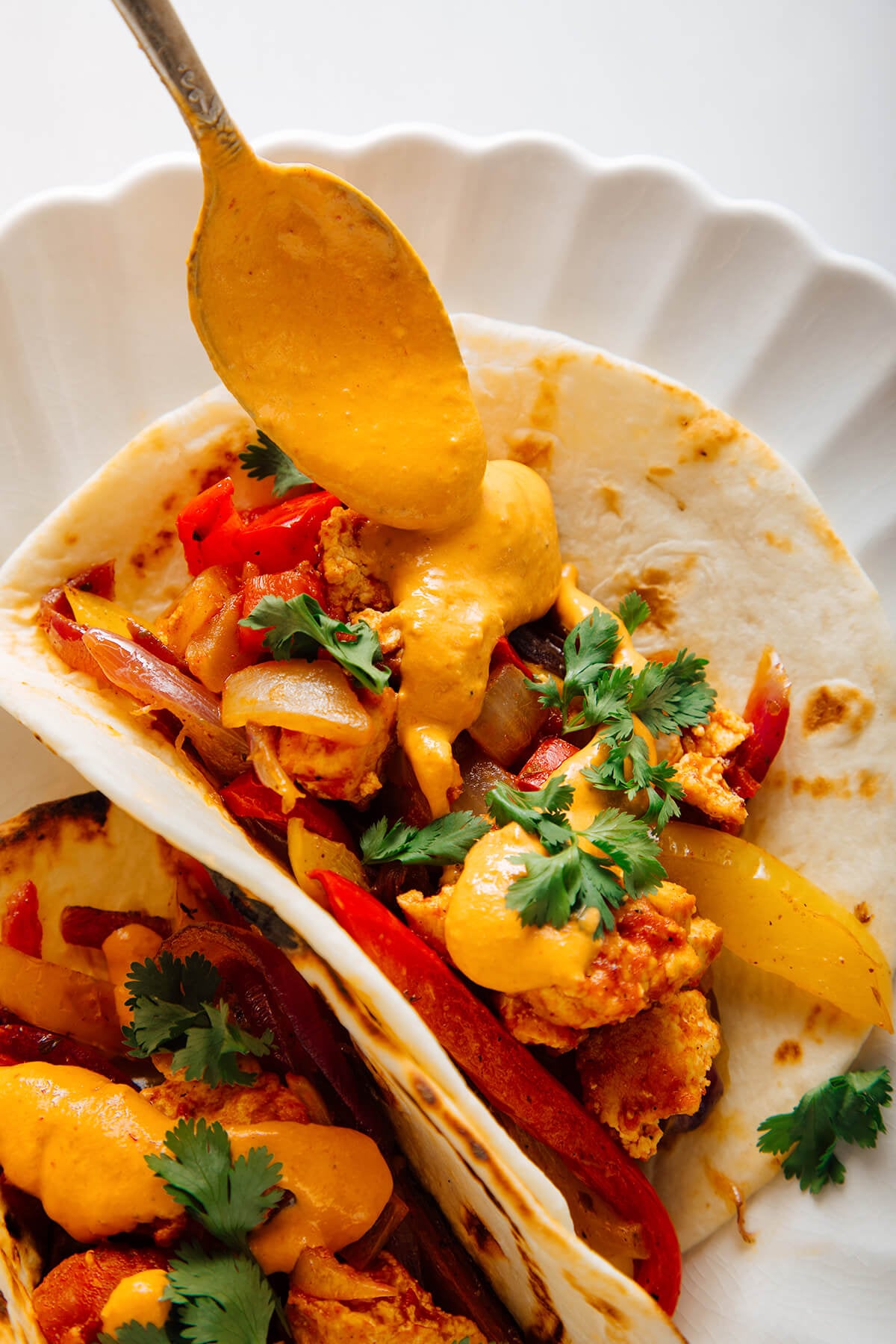
Market research into condiment usage suggests that consumers are moving away from mass-produced, shelf-stable dressings in favor of "fresh-prep" alternatives. The ability to control the spice level—a key advantage of homemade chipotle sauce—is a significant driver in this consumer behavior. Unlike commercial products, which often maintain a standardized level of heat to appeal to the widest possible demographic, the home-prepared version allows the cook to calibrate the capsaicin level based on personal tolerance and the requirements of the specific dish being served.
Storage and Shelf-Life Best Practices
Proper storage of chipotle peppers in adobo is critical to maintaining the longevity of the ingredients used in the sauce. Once a can is opened, the peppers are susceptible to oxidation. Industry standards suggest that transferring the contents to a non-reactive glass container with a tight-fitting lid is the most effective way to prevent premature degradation. Under proper refrigeration, the peppers can remain viable for several weeks.
For long-term storage, freezing remains the most effective preservation method. By portioning the peppers into small freezer-safe bags and flattening them, consumers can easily break off the desired amount for individual use, extending the shelf life to approximately six months without a significant loss in flavor or texture.
Future Perspectives on Specialty Condiments
The continued relevance of chipotle-based sauces in the culinary landscape is supported by their versatility. Beyond the traditional Mexican applications, these sauces have begun appearing in cross-cultural culinary experiments, ranging from burger spreads to dipping sauces for roasted vegetables.

As the culinary industry continues to prioritize transparency and ingredient quality, the shift toward making such sauces from scratch reflects a broader commitment to understanding the origins and processing of the food on the table. The simplicity of the ingredients—sour cream, chipotle peppers, garlic, and seasoning—contrasts with the complexity of the flavor result, reinforcing the notion that high-quality, professional-grade results are attainable through relatively simple preparation techniques.
In conclusion, the creamy chipotle sauce stands as a testament to the power of a few well-selected ingredients. Whether it is being used to add a smoky depth to a vegetarian chili or serving as a vibrant drizzle for fresh seafood, its role in modern cooking is firmly established. By mastering the fundamental techniques of blending, adjusting for heat, and understanding the storage requirements of the base ingredients, home cooks can continue to elevate their culinary offerings, ensuring that this bold and punchy condiment remains a staple of the contemporary kitchen for years to come.