The culinary landscape of autumn dining is consistently defined by a search for recipes that balance seasonal flavors with minimal preparation time. Among the myriad options that emerge as temperatures drop, roasted winter squash remains a perennial favorite for both casual weeknight dinners and elaborate holiday feasts. A prime example of this enduring seasonal trend is a streamlined preparation featuring cubed butternut squash tossed with pure maple syrup and olive oil before oven-roasting until tender and caramelized.
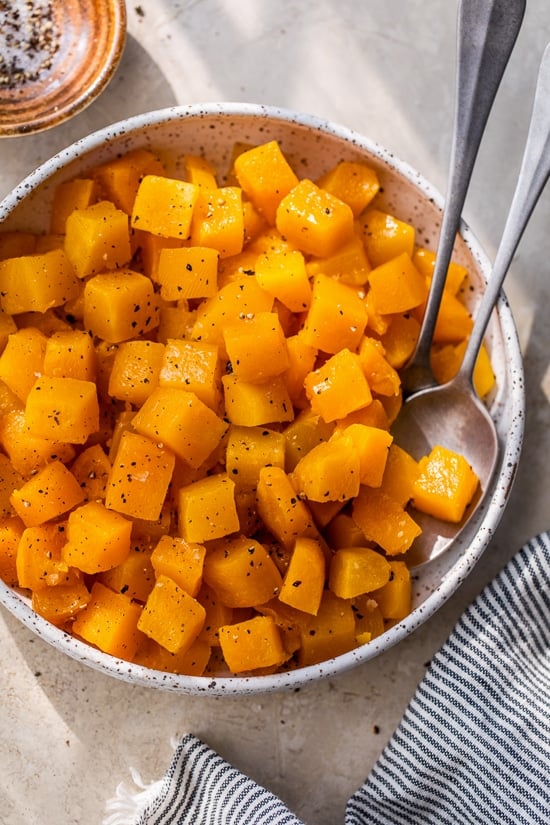
Culinary experts and home cooks alike continually seek methods that maximize flavor while minimizing kitchen labor. This specific preparation, championed by recipe developers focusing on accessible yet elevated home cooking, relies on a remarkably brief ingredient list. By utilizing the natural sugars present in the squash and enhancing them with pure maple syrup, the dish achieves a sophisticated flavor profile through straightforward culinary techniques.
Background and Seasonal Context
The tradition of consuming winter squash during the autumn and winter months is deeply rooted in agricultural history across North and South America. Butternut squash, specifically, is a botanical fruit categorized culinarily as a vegetable, valued for its dense, sweet flesh and impressive storage capabilities. Historically harvested in the late fall, these gourds became a cornerstone of cold-weather nutrition due to their high vitamin content and ability to remain fresh for months without refrigeration.

In contemporary gastronomy, the resurgence of interest in whole foods and seasonal eating has propelled butternut squash back into the culinary spotlight. The rise of food media, digital recipe sharing, and the ongoing demand for efficient home-cooked meals have transformed traditional squash preparations into rapid, high-yield side dishes. The integration of maple syrup—a sweetener historically tied to North American temperate forests—complements the earthy, nutty undertones of the squash, creating a harmonious flavor profile that resonates with modern palates seeking comfort and sophistication.
Nutritional Profile and Dietary Implications
From a nutritional standpoint, incorporating winter squash into weekly meal planning offers substantial health benefits. According to nutritional data associated with standard dietary databases, a typical three-quarter-cup serving of maple-roasted butternut squash contains approximately 104 calories, 23 grams of carbohydrates, and 4 grams of dietary fiber. Despite its natural sweetness, the dish contributes a minimal amount of fat—typically around 2 grams, depending on the precise measurement of olive oil used—and negligible sodium, making it an attractive option for individuals monitoring their cardiovascular health or sodium intake.

Dietitians frequently highlight the presence of beta-carotene, an antioxidant that the human body converts into vitamin A, which is essential for immune function and ocular health. Furthermore, the high fiber content aids in digestive health and promotes a sustained feeling of satiety. Because the recipe requires only basic fats and unrefined sugars, it easily aligns with various dietary frameworks, including vegetarian, gluten-free, and clean-eating regimens, while remaining adaptable for vegan adaptations by omitting dairy-based butter substitutes.
Culinary Techniques: Preparation and Safety
While butternut squash offers exceptional flavor and nutritional value, its dense structure and tough outer skin often present practical challenges for home cooks. Preparing the vegetable requires specific handling techniques to ensure kitchen safety and efficiency. Standard culinary protocols advise using a heavy, sharp chef’s knife and a sturdy cutting board to stabilize the gourd during the division process.
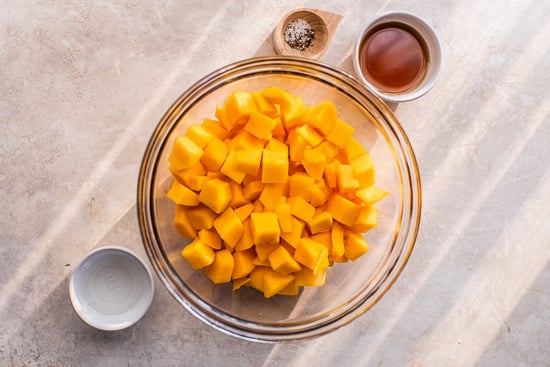
To mitigate the difficulty of peeling raw winter squash, professional kitchens and home cooks frequently employ preparatory techniques. One widely recommended method involves piercing the skin of the unpeeled squash in several places with a fork and microwaving the entire vegetable for two to four minutes. This brief application of heat softens the impenetrable exterior layers just enough to facilitate effortless peeling and cubing, significantly reducing prep time and lowering the risk of knife slippage. Alternatively, pre-cut fresh or frozen squash cubes available in modern supermarkets serve as viable alternatives for time-pressed consumers, though culinary purists note that fresh preparation yields superior caramelization during the roasting phase.
Roasting Methodology and Optimization
The chemical transformation that occurs during the roasting process is central to the success of maple-roasted butternut squash. When exposed to dry heat ranging from 400°F to 425°F, the natural starches within the squash convert into simpler sugars. Simultaneously, the application of olive oil and maple syrup facilitates the Maillard reaction and sugar caramelization on the exterior surfaces of the cubed pieces.
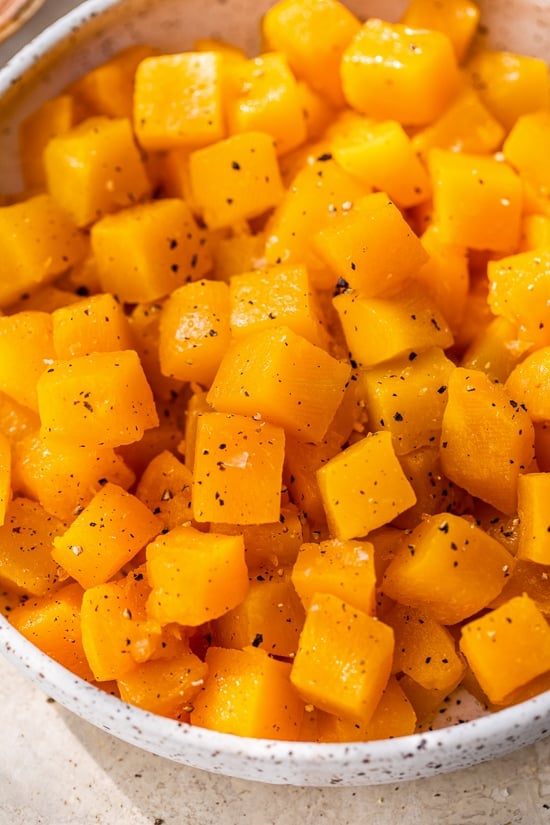
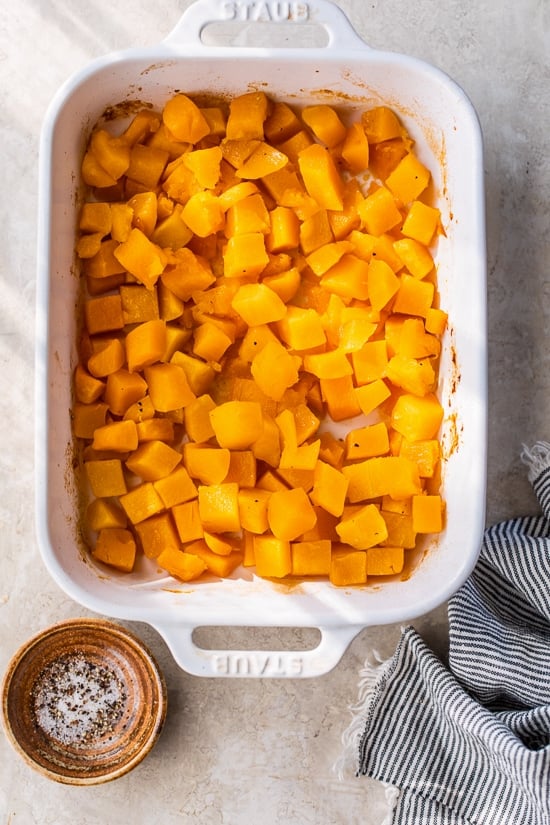
To achieve optimal texture—characterized by a tender, custard-like interior and a lightly browned, caramelized crust—specific procedural guidelines must be observed. Culinary analysts recommend ensuring that the squash cubes are arranged in a single layer on a baking sheet with adequate spacing. Overcrowding the pan traps moisture, resulting in steaming rather than roasting, which compromises the development of the desired textural contrast. Tossing the cubes halfway through the cooking time further ensures even heat distribution and uniform browning across all surfaces.
Variations and Adaptability
The versatility of basic roasted squash allows for extensive culinary experimentation. While the foundational recipe relies on olive oil, maple syrup, salt, and black pepper, home cooks frequently introduce complementary ingredients to tailor the dish to specific menus. Common modifications include the incorporation of warming spices such as cinnamon, nutmeg, or cayenne pepper to introduce a subtle heat or aromatic depth.
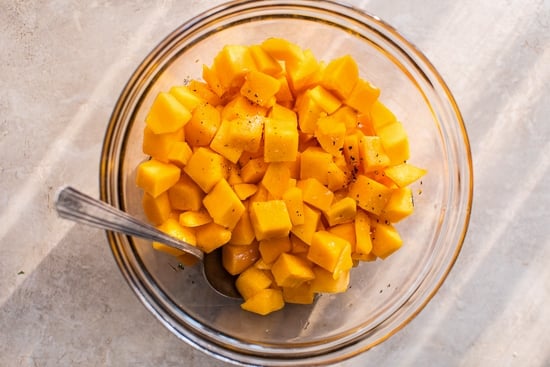
Furthermore, textural enhancements such as toasted pecans, walnuts, or pepitas (pumpkin seeds) are frequently sprinkled over the finished dish immediately prior to serving. These additions provide a contrasting crunch that elevates the mouthfeel of the side dish, making it substantial enough to feature prominently on holiday tables alongside traditional proteins such as roasted turkey, glazed ham, or herb-crusted pork loin.
For those utilizing alternative kitchen appliances, adaptations for air fryers have gained significant traction. Air-frying butternut squash reduces overall cooking time while yielding a comparable exterior crispness, appealing to consumers focused on energy efficiency and rapid meal assembly.
Broader Market Impact and Consumer Trends
The enduring popularity of simple, vegetable-forward side dishes reflects broader shifts in consumer behavior regarding home economics and food consumption. As grocery prices fluctuate, consumers increasingly look for versatile, nutrient-dense ingredients that offer high yield and minimal waste. Butternut squash exemplifies this trend, as a single gourd can provide multiple servings at a relatively low cost per unit.
Moreover, the digital proliferation of quick-assembly recipes underscores a cultural shift toward accessible gastronomy. Platforms dedicated to home cooking report high engagement metrics for recipes that require three to five ingredients, indicating that modern consumers prioritize streamlined processes without sacrificing flavor complexity. This demand drives food content creators and culinary brands to continually refine classic preparations, ensuring they remain relevant to contemporary lifestyles characterized by time constraints and a desire for wholesome, comforting meals.

Conclusion and Future Outlook
The practice of transforming humble agricultural produce into elevated culinary experiences highlights the timeless nature of simple cooking methods. By combining the natural nutritional benefits of winter squash with the classic flavors of maple and olive oil, home cooks can produce reliable, flavorful side dishes suitable for any occasion. As seasonal food trends continue to evolve, fundamental techniques such as high-heat roasting will undoubtedly remain a cornerstone of domestic culinary arts, bridging the gap between historical dietary traditions and modern nutritional preferences.
Related posts: