Science has spoken! If you have little time and want to take your fitness to the next level, compound exercise is what you’re looking for. In a world where time is a precious commodity, fitness enthusiasts and novices alike are seeking the most efficient ways to achieve their health and wellness objectives. Emerging research and established exercise physiology principles are increasingly pointing towards a specific category of movements as the cornerstone of time-effective training: compound exercises. These multi-joint movements, which engage multiple muscle groups simultaneously, are not only proving to be a superior method for building strength and muscle but are also demonstrating significant advantages in calorie expenditure and overall metabolic enhancement compared to traditional isolation exercises. This article delves into the science behind compound exercises, their profound benefits, practical applications, and expert advice for integrating them into any fitness regimen.
Understanding the Power of Compound Movements
At its core, exercise science categorizes physical activities into two primary types: isolation exercises and compound exercises. Isolation exercises are meticulously designed to target and work a single muscle group at a time. Examples include bicep curls, triceps extensions, or leg extensions. While these movements are valuable for developing specific muscles and addressing muscular imbalances, they are inherently less efficient for a comprehensive workout.
In contrast, compound exercises, often referred to as multi-joint exercises, are characterized by their ability to engage several muscle groups and joints in a single, fluid motion. This synergistic action not only demands greater muscular effort but also stimulates a more significant hormonal response, contributing to accelerated muscle growth and fat loss. Think of movements like squats, deadlifts, bench presses, overhead presses, and pull-ups. These exercises are the bedrock of functional strength, mimicking the natural, coordinated movements the human body performs in everyday life, from lifting groceries to participating in athletic endeavors.
The Scientific Edge: Efficiency and Efficacy
The claim that compound exercises are significantly more efficient than isolation exercises is backed by robust scientific evidence. Studies have consistently shown that compound movements lead to a greater overall energy expenditure within a given timeframe. This is primarily due to the increased muscle mass activation. When multiple large muscle groups are working in concert, the body’s caloric demand spikes. For instance, a study published in the Journal of Strength and Conditioning Research indicated that performing compound exercises like squats and deadlifts resulted in a higher post-exercise oxygen consumption (EPOC), commonly known as the "afterburn effect," compared to isolation exercises. This means your body continues to burn calories at an elevated rate long after your workout has concluded.
Furthermore, research suggests that compound exercises can be up to 3.5 times more effective than typical gym workouts, a metric likely derived from studies comparing the metabolic and strength-building outcomes of training programs dominated by compound versus isolation movements. This enhanced effectiveness stems from the systemic impact of these exercises. They not only build muscle but also improve cardiovascular health, enhance coordination and balance, and contribute to a more robust hormonal profile conducive to muscle hypertrophy and fat reduction. The practical implication for individuals with limited time is profound: a shorter, more intense workout session featuring compound exercises can yield results that might otherwise require significantly longer durations of less integrated training.
Beyond Efficiency: A Multitude of Benefits
The advantages of prioritizing compound exercises extend far beyond mere time-saving. Their ability to build functional strength is paramount. Functional strength refers to the strength that translates to everyday activities. When your body learns to coordinate multiple muscle groups to perform a complex movement, it becomes better equipped to handle real-world physical demands, reducing the risk of injury and improving overall physical performance. Whether it’s playing a sport, gardening, or simply carrying a child, the coordinated effort fostered by compound exercises is invaluable.
Another significant benefit is the potential for greater muscle growth. While isolation exercises can target specific muscles for hypertrophy, compound movements stimulate a broader range of muscle fibers and trigger a more substantial release of anabolic hormones like testosterone and growth hormone, both crucial for muscle repair and growth. This makes them particularly effective for individuals looking to build lean muscle mass.
Moreover, compound exercises often lead to improved joint stability and mobility. By working multiple joints and the surrounding musculature, these movements strengthen the connective tissues and improve the range of motion, contributing to better joint health and reducing the likelihood of injuries. The challenge inherent in compound movements also plays a crucial role in driving adaptation. As your body becomes stronger, the exercises remain effective, continually pushing you to improve and preventing plateaus.
Unleashing Your Potential: Key Compound Exercises
The beauty of compound exercises lies in their accessibility. Many can be performed with minimal or no equipment, making them ideal for home workouts or travel. Here are five fundamental compound exercises that form the backbone of an effective, full-body routine:
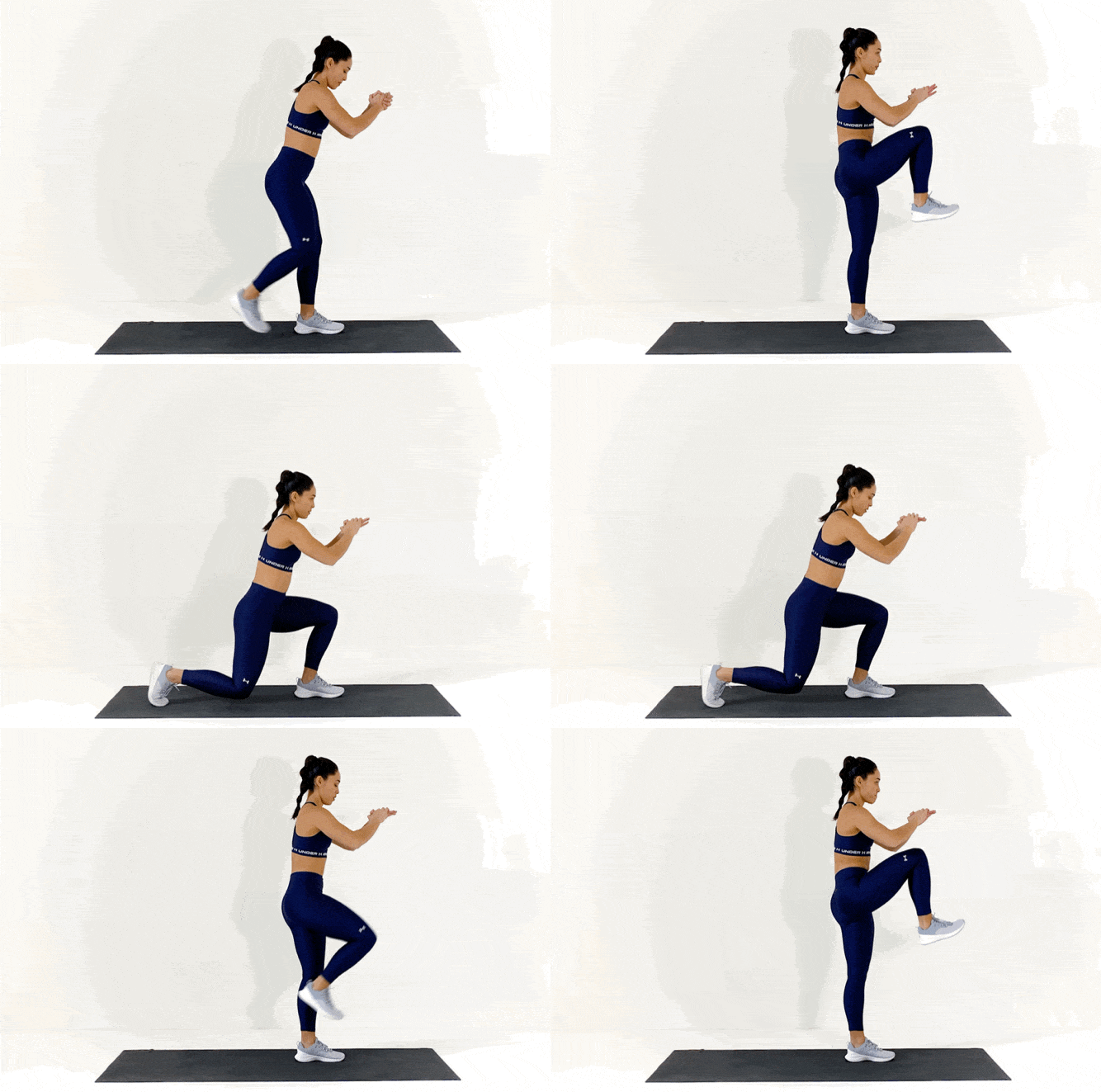
1. Reverse Lunge with Knee Drive
This dynamic exercise targets the lower body while also challenging balance and core stability. It effectively works the quadriceps, hamstrings, glutes, and hip flexors.
- Execution: Stand with your feet hip-width apart. Step backward with your right foot, lowering your hips until both knees are bent at approximately 90-degree angles. Ensure your front knee stays aligned with your ankle and your back knee hovers just above the floor. From this lunge position, powerfully drive your right knee forward and upward towards your chest, engaging your core and glutes for balance. Return your right foot to the starting position, then repeat on the left side.
- Pro Tip: To increase the intensity, hold dumbbells in each hand, letting them hang at your sides. This adds resistance and further challenges your stabilizing muscles. Aim for 10-12 repetitions on each leg.
2. Burpees
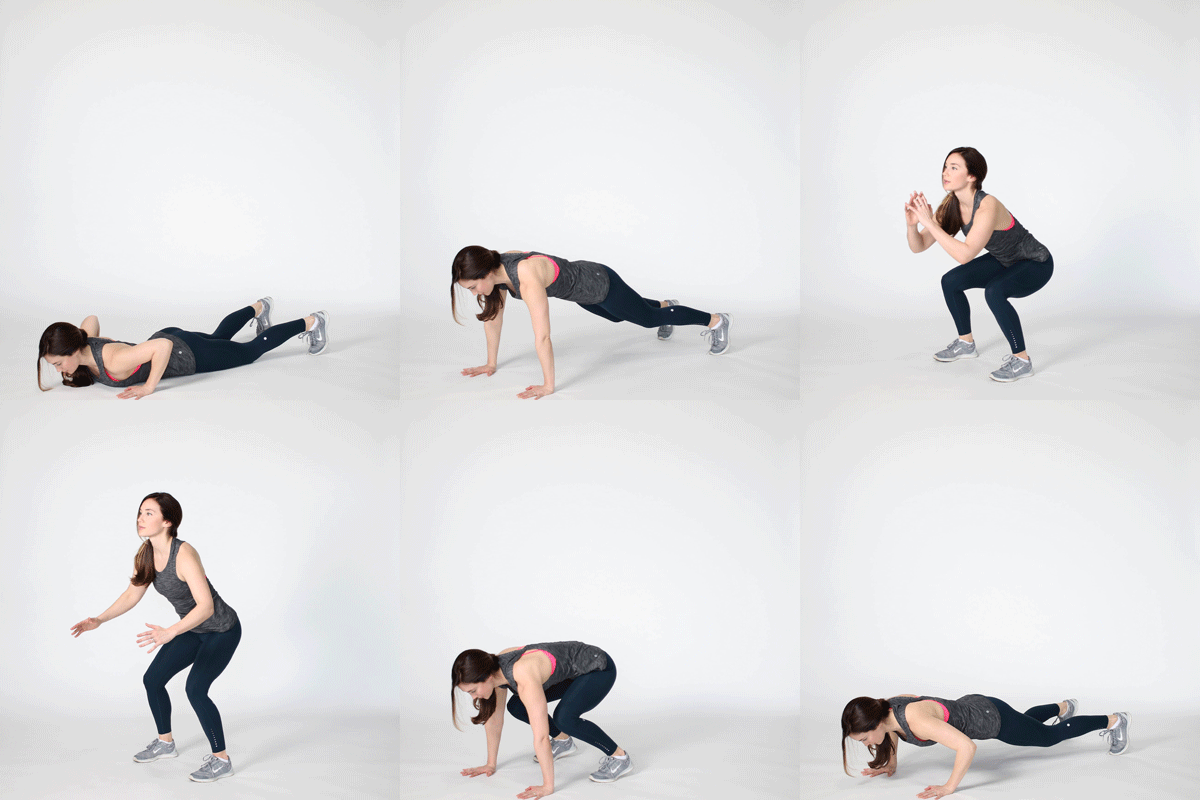
A true full-body conditioner, the burpee is a testament to the power of compound movements. It seamlessly integrates a squat, a plank, a push-up, and a jump, engaging the legs, chest, shoulders, triceps, and core.
- Execution: Begin in a standing position. Drop into a squat, placing your hands on the floor in front of your feet. Kick your feet back into a plank position. Perform a push-up, lowering your chest towards the floor and then pushing back up. Immediately jump your feet forward, returning to a squat position. From the squat, explosively jump straight up, reaching your arms overhead. Land softly back in a squat and repeat.
- Key Engagement: Maintain a tight core throughout the entire movement to maximize abdominal engagement and ensure proper form. One complete cycle from the starting squat to the final jump constitutes one repetition.
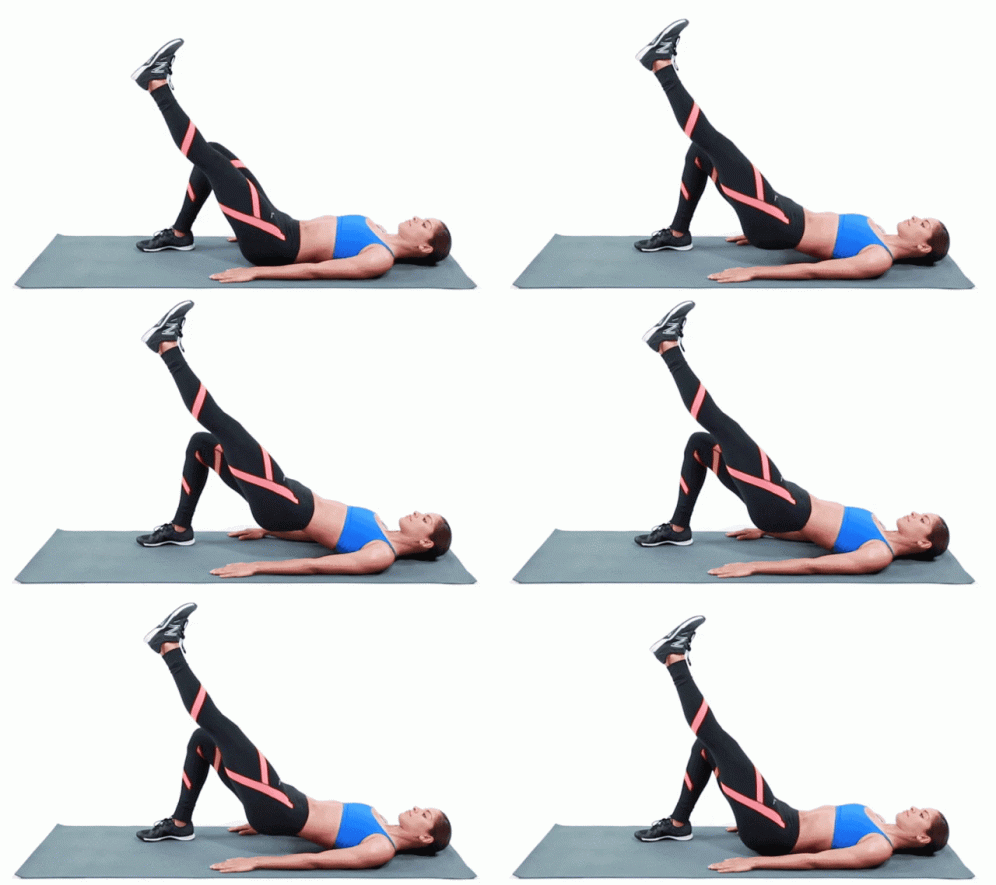
3. Single-Leg Bridge
This exercise is exceptional for targeting the posterior chain – the glutes, hamstrings, and lower back – while also enhancing core strength and balance.
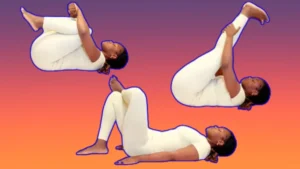
- Execution: Lie on your back with your knees bent and feet flat on the floor, hip-width apart. Extend one leg straight up towards the ceiling or keep it bent at the knee, parallel to your other thigh. Engage your glutes and core, and lift your hips off the floor until your body forms a straight line from your shoulders to your knees. Squeeze your glutes at the top of the movement. Slowly lower your hips back down to the starting position without touching the floor.
- Repetition Guidance: Perform 10-12 repetitions on each leg. Focus on the mind-muscle connection with your glutes.
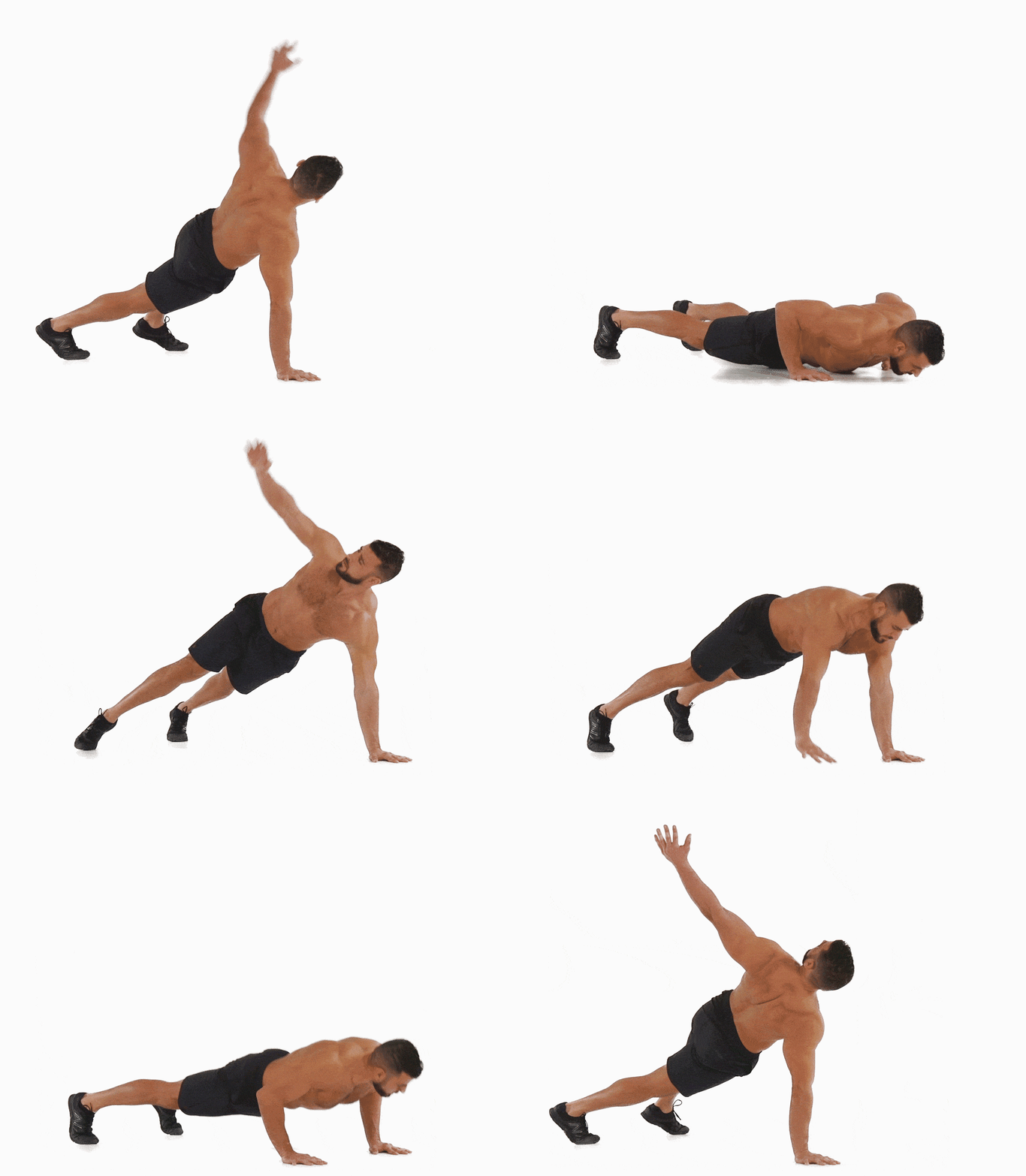
4. Push-Up and Rotate
This exercise elevates the classic push-up by incorporating a rotational element, significantly increasing its demand on the core, chest, shoulders, and triceps.
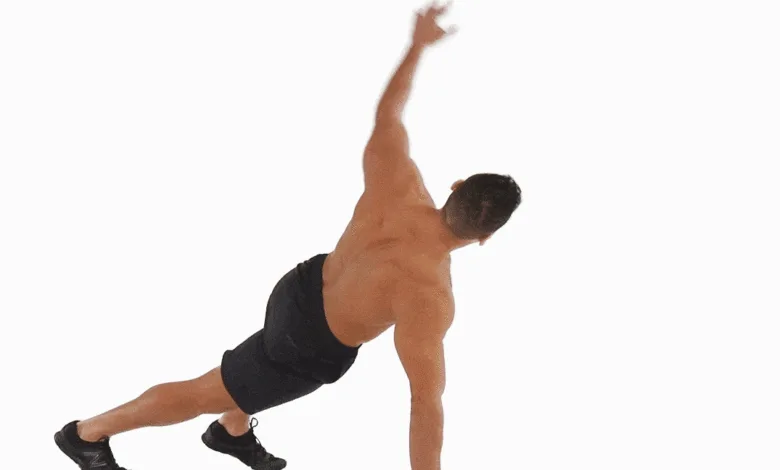
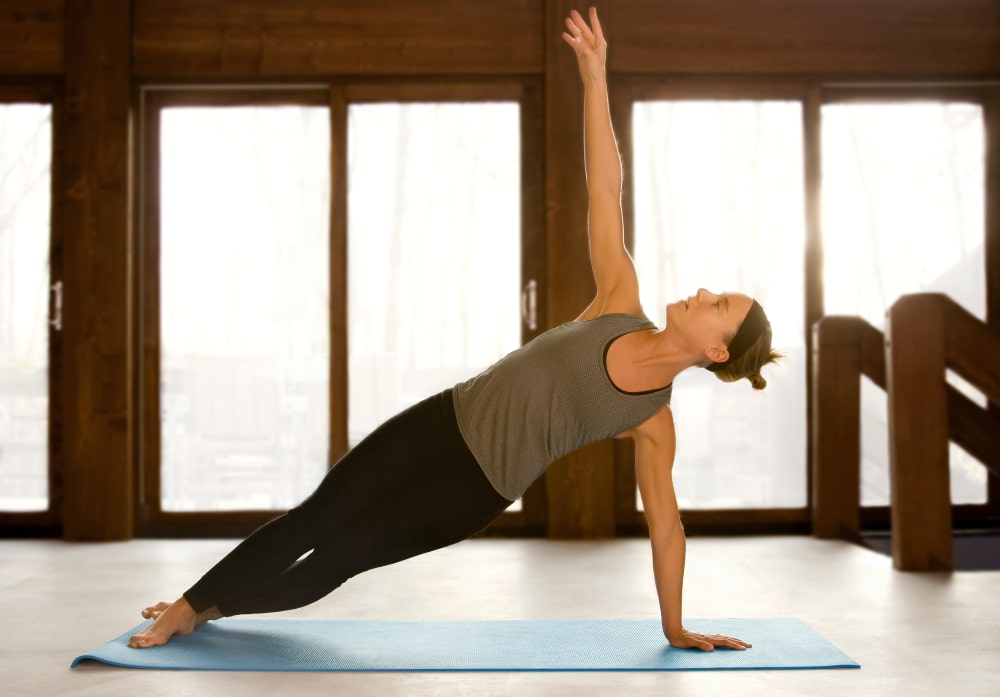
- Execution: Start in a standard push-up position with your hands slightly wider than shoulder-width apart, body in a straight line from head to heels. Lower your chest towards the floor, performing a push-up. As you press back up, shift your weight onto your left hand and rotate your torso to the right, extending your right arm towards the ceiling. Hold this rotated position briefly, ensuring your hips remain relatively stable. Return to the plank position and repeat the push-up, this time rotating to the left with your left arm extended upwards.
- Core Focus: Continuous core engagement is crucial to stabilize your body and maximize the abdominal workout. Alternate sides for a total of 10-12 repetitions per side.
5. Air Squat
A foundational movement for lower body strength and cardiovascular conditioning, the air squat is a versatile exercise that can be modified for various fitness levels.
- Execution: Stand with your feet shoulder-width apart, toes pointing slightly outward. Keep your chest up, shoulders back, and core engaged. Hinge at your hips and bend your knees, lowering your body as if sitting back into a chair. Aim to keep your back straight and your knees tracking over your toes. Continue descending until your thighs are parallel to the floor, or as deep as your mobility allows. Push through your heels to return to the starting standing position.
- Progression: For an increased challenge, strive to squat as deep as possible, ensuring proper form is maintained. This exercise is excellent for building leg strength, improving hip mobility, and boosting metabolic rate. Aim for 15-20 repetitions or perform for time.
Integrating Compound Exercises into Your Routine
The effectiveness of compound exercises can be further amplified by incorporating them into a structured workout plan. A 15-minute full-body workout using only bodyweight and focusing on these compound movements can be incredibly efficient.
A 15-Minute Full-Body Workout (No Equipment)
This routine is designed for maximum impact in minimal time. Perform each exercise for 45 seconds, followed by 15 seconds of rest. Complete the circuit 2-3 times, depending on your fitness level and available time.
- Warm-up (2-3 minutes): Light cardio like jogging in place, jumping jacks, and dynamic stretches such as arm circles and leg swings.
- Circuit:
- Reverse Lunge with Knee Drive (45 seconds work / 15 seconds rest)
- Burpees (45 seconds work / 15 seconds rest)
- Single-Leg Bridge (Alternate legs each round or perform 22.5 seconds per leg within the 45-second interval)
- Push-Up and Rotate (45 seconds work / 15 seconds rest)
- Air Squat (45 seconds work / 15 seconds rest)
- Cool-down (2-3 minutes): Static stretching, holding each stretch for 30 seconds. Focus on major muscle groups worked, such as hamstrings, quads, chest, and shoulders.
Expert Guidance on Safety and Progression
While compound exercises offer immense benefits, proper form is paramount to prevent injuries and maximize effectiveness. "The best way of making sure you are doing these moves properly is by working with an experienced person who can observe your form, teach new techniques if needed—and most importantly—spot potential problems before they happen," advises a fitness professional.
For beginners, consulting with a certified personal trainer is highly recommended. They can provide personalized guidance on exercise selection, proper technique, appropriate starting weights (if applicable), and the optimal number of repetitions and sets for individual goals and capabilities. A general guideline for beginners is to aim for 10-15 repetitions per exercise, using a weight or intensity that challenges them without compromising form. As strength and endurance improve, the intensity, volume, or complexity of the exercises can be gradually increased.
Frequently Asked Questions About Compound Exercises
The efficacy and application of compound exercises often spark numerous questions from individuals seeking to optimize their fitness journeys.
What Are the Best Compound Exercises for Weight Loss?
For effective weight loss, a combination of cardiovascular exercise and strength training is ideal. However, compound exercises play a pivotal role in strength training for weight management. As highlighted, their ability to engage multiple muscle groups simultaneously leads to a higher caloric expenditure during and after the workout (EPOC). This increased metabolic demand, coupled with the muscle-building effects of strength training, can lead to a sustained rise in resting metabolism over time, further contributing to fat loss. The video embedded in this article showcases a 15-minute full-body workout that effectively incorporates compound movements designed for fat burning and metabolic enhancement. Exercises like squats, deadlifts, and burpees are particularly effective for their caloric burn potential.
What Are the Best Compound Exercises for the Legs?
When focusing on leg development, several compound exercises stand out. Squats, in their various forms (barbell back squat, front squat, goblet squat), are arguably the king of leg exercises, engaging the quadriceps, hamstrings, glutes, and core. Lunges, including walking lunges and reverse lunges, are excellent for unilateral leg strength, targeting similar muscle groups as squats but with an added balance challenge. Deadlifts are another powerhouse, working the entire posterior chain (hamstrings, glutes, lower back) and also engaging the quads. Step-ups, especially when performed with added weight, are also highly effective for building lower body strength and power. Incorporating a variety of these exercises into a leg-focused routine will ensure comprehensive development and maximize calorie expenditure.
What Are the Best Compound Exercises for Back Pain?
For individuals experiencing back pain, focusing on exercises that strengthen the supporting musculature without exacerbating discomfort is crucial. Squats, when performed with proper form, can strengthen the lower back muscles and improve posture, which is often a contributing factor to back pain. Deadlifts (performed with controlled form and potentially lighter weights or as Romanian deadlifts initially) can strengthen the entire back and leg musculature, promoting spinal stability. Barbell rows (or dumbbell rows) are excellent for targeting the upper back muscles, which can help improve posture and alleviate strain on the lower back. It’s essential for anyone with back pain to consult with a healthcare professional or a qualified physical therapist before embarking on any new exercise program, as the underlying causes of back pain can vary significantly. They can recommend specific exercises and modifications tailored to individual needs.
The integration of compound exercises into a fitness regimen represents a scientifically validated pathway to achieving fitness goals more efficiently and effectively. By understanding their mechanics, benefits, and proper execution, individuals can unlock a new level of strength, endurance, and overall physical well-being.