The Enduring Power of Home Practice: Yoga’s Transformative Journey Beyond the Studio

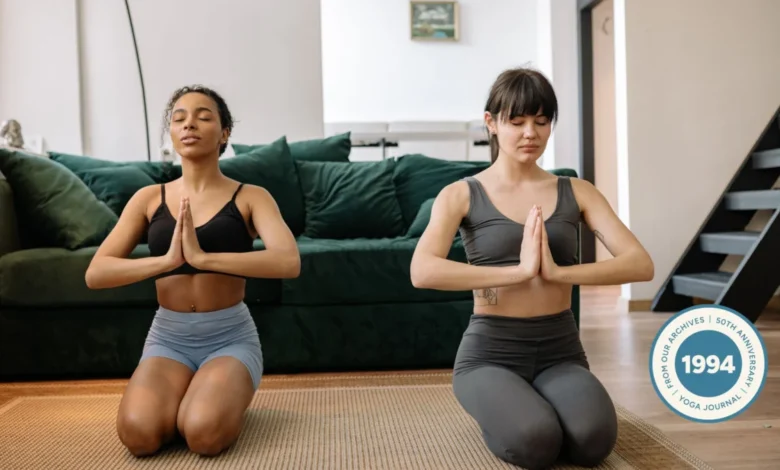
The principle that consistent home practice is essential for yoga to profoundly impact body, mind, and spirit has been a cornerstone of the discipline for decades, a sentiment echoed in Yoga Journal’s archives dating back to its January-February 1994 issue. This foundational belief underscores the transformative potential of yoga, extending its benefits far beyond the controlled environment of a studio class and into the intricate tapestry of daily life.
The Quest for Well-being: From Studio to Home
Over the years, yoga has transitioned from a niche practice to a global phenomenon, attracting individuals from all walks of life seeking a holistic approach to well-being. As noted in a 1994 Yoga Journal article, instructors observed that students attending introductory courses, often numbering over 200 individuals in a span of four years, shared a common aspiration: to enhance their lives. This quest typically began with the physical and mental challenge of adapting to unfamiliar and sometimes uncomfortable postures within the guided setting of a class. However, the true test, and the ultimate realization of yoga’s potential, lay in their subsequent challenge: integrating these newfound practices and insights into their everyday routines once they returned home.
Traditionally, the commitment to yoga was a solemn affair, often marked by a formal initiation ceremony conducted by a spiritual master or guru. This deep-seated commitment ensured diligent and consistent practice, guided by direct mentorship. The modern accessibility of yoga, while a boon for widespread adoption, presents a different set of challenges. The absence of a constant, personalized mentor can make sustaining the necessary effort for home practice a significant hurdle for many. This lack of direct, day-to-day oversight means practitioners must cultivate their own discipline and self-awareness to navigate the path effectively.
Cultivating a Home Practice: Strategies for Sustainable Growth
The journey of establishing and maintaining a regular home yoga practice, as detailed in archival wisdom, is rooted in practical strategies designed to overcome common obstacles. These enduring tips offer a roadmap for individuals seeking to deepen their connection with yoga beyond the studio walls.
1. The Power of Simplicity and Gradual Commitment
A cornerstone of successful home practice is to begin with a manageable commitment. The advice to prioritize consistency over ambition is paramount. For instance, dedicating a focused 15 minutes each morning is far more effective in the long run than setting an ambitious goal of an hour, only to abandon the practice due to overwhelming demands or waning initial enthusiasm. A recommended starting point involves resolving to practice for 20 to 30 minutes daily, or a duration that feels genuinely achievable, for a period of approximately one month. This initial phase allows individuals to build momentum and establish a rhythm before re-evaluating and potentially increasing their commitment. This approach aligns with behavioral psychology principles, emphasizing habit formation through achievable steps.
2. Designating a Sacred Space and Time
The creation of a dedicated space and time for practice is crucial for fostering a mindful environment. This sanctuary should be free from the distractions of television, telephones, and the demands of non-practicing individuals. While there is no universally "correct" time to practice, the emphasis lies on consistency. The body and mind, through repeated association, will begin to anticipate the practice at the designated time, much like the predictable cues that signal meal times. This psychological conditioning aids in reducing resistance and increasing the likelihood of adherence. Establishing a routine signal, such as a gentle chime or a specific piece of calming music, can further reinforce this temporal anchor.
3. The Supportive Influence of Practice Partners
While solo practice fosters introspection, practicing with a partner or a small, supportive group of friends can offer significant benefits. This shared experience can introduce an element of camaraderie, humor, and a balanced perspective to navigate the inevitable challenges of daily practice. However, it is vital to maintain focus on the practice itself, with casual conversation kept to a minimum. The primary objective is mutual encouragement and accountability, rather than social engagement. This approach leverages social support networks to enhance individual commitment, a strategy often employed in various self-improvement programs.
4. Deepening Understanding Through Continued Learning
To foster a more profound appreciation for yoga, engaging with its rich history and philosophy is highly recommended. Resources like Georg Feuerstein’s "Sacred Paths" offer a comprehensive exploration of yoga’s lineage, providing context and inspiration. Understanding the philosophical underpinnings can elevate the physical practice from a mere exercise regimen to a more meaningful spiritual discipline. The availability of extensive literature and online resources today allows for continuous learning, catering to diverse interests and levels of engagement. This intellectual engagement can act as a powerful motivator, reinforcing the value of consistent practice.
5. Strategic Focus and Structured Practice
Approaching each home practice session with a clear focus or structure can enhance its effectiveness. The sequence of postures, or asanas, can be infinitely varied, offering a dynamic and engaging practice. For beginners, seeking guidance from a qualified teacher to suggest simple, level-appropriate routines is ideal. In the absence of a direct instructor, consulting reputable yoga books, instructional videos, or publications like Yoga Journal for practice suggestions provides a valuable framework.
Several influential books offer distinct approaches to home practice. Jean Couch’s "The Runner’s Yoga Book" provides a practical guide, particularly beneficial for those integrating yoga with athletic pursuits. Similarly, A.G. Mohan’s "Yoga for Body, Breath, and Mind" presents a valuable perspective on the integrated nature of yoga. These resources equip practitioners with the knowledge to design effective and personalized sequences, ensuring a well-rounded practice that addresses various aspects of physical and mental well-being.
6. The Indispensable Role of Savasana (Corpse Pose)
No yoga practice is truly complete without the inclusion of Savasana, or Corpse Pose, a period of deep relaxation at the end of the session. This pose, aptly named, allows the body, mind, and spirit to fully integrate the experiences and benefits of the preceding practice. It is a crucial phase for allowing the nervous system to reset and for the body to absorb the subtle energetic shifts. A general guideline suggests dedicating a minimum of five minutes to Savasana for every 30 minutes of active practice, ensuring ample time for profound rest and rejuvenation. This restorative element is vital for preventing burnout and maximizing the holistic benefits of yoga.
The Philosophical Foundation: Harmonizing Action and Acceptance
The very definition of yoga as "evenness" or balance is embodied in its complementary aspects, often described as active and receptive poles. The active pole demands exertion, perseverance, and effort. Its receptive counterpart calls for dispassion, detachment, and an equanimity that allows one to "look upon success and failure with an equal eye," as stated in "The Bhagavad-Gita." The essence of a balanced yoga practice lies in harmonizing these two qualities: the doing of exertion with the being of acceptance. This integration extends beyond the yoga mat, encouraging practitioners to cultivate a balanced approach to life’s challenges and triumphs.
The implications of cultivating a consistent home practice are far-reaching. In an era marked by increasing stress and sedentary lifestyles, the accessibility of yoga’s transformative power through home practice offers a potent antidote. Data from the National Center for Complementary and Integrative Health (NCCIH) consistently show a rise in the adoption of mind-body practices like yoga for managing stress, improving flexibility, and enhancing overall well-being. A 2022 NCCIH report indicated that over 35 million U.S. adults practiced yoga in the past year, with a significant portion reporting engaging in home-based practice.
The enduring relevance of these archival insights highlights a fundamental truth: yoga’s true transformative power is unlocked through personal, consistent engagement. While studio classes provide invaluable guidance and community, the cultivation of a dedicated home practice is where the deepest shifts in body, mind, and spirit often occur. This personal journey, supported by practical strategies and a deeper understanding of yoga’s philosophy, empowers individuals to weave the principles of balance, mindfulness, and well-being into the very fabric of their daily lives. The ongoing legacy of these teachings from publications like Yoga Journal serves as a testament to the timeless wisdom of integrating yoga’s profound benefits into the rhythm of everyday existence.