The rise of fast-casual dining has fundamentally altered the American palate, moving consumer demand away from standardized, shelf-stable condiments toward fresh, vibrant, and herbaceous flavor profiles. Among the most sought-after additions to the modern burrito bowl is the creamy, piquant cilantro lime sauce—a staple popularized by major chains like Chipotle Mexican Grill. While the sauce is a cornerstone of the contemporary menu, its increasing ubiquity has sparked a wave of domestic culinary interest, leading home cooks and food scientists alike to reverse-engineer the complex balance of acidity, fat, and capsaicin that defines this iconic condiment.
The Evolution of the Fast-Casual Condiment
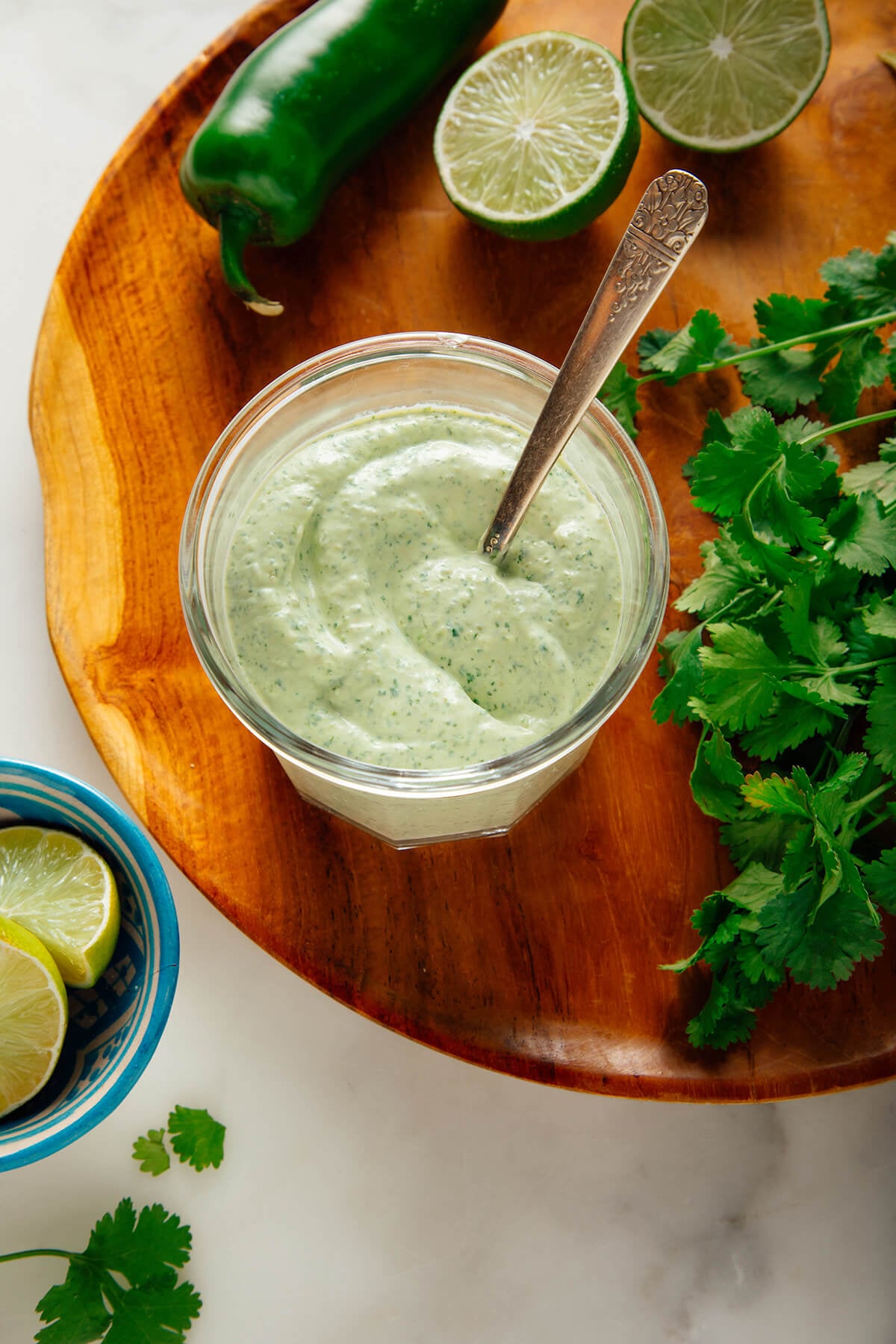
Historically, fast-food sauces relied heavily on vinegar-based emulsifications, high-fructose corn syrup, or processed dairy bases. However, the market shift toward “cleaner” labels in the last decade has forced chains to experiment with fresher ingredients. Cilantro, a polarizing but widely utilized herb in global cuisine, provides a bright, citrusy top note that serves as the perfect counterbalance to the heavy fats found in sour cream or Greek yogurt.
The inclusion of the jalapeño—specifically when charred—adds a layer of depth that elevates the sauce from a simple garnish to a complex flavor enhancer. By roasting the pepper, manufacturers and home chefs utilize the Maillard reaction, which breaks down complex sugars and softens the skin, resulting in a smoother texture and a more nuanced heat profile compared to the raw, vegetal sharpness of an un-charred pepper.
Analytical Breakdown: Ingredient Chemistry
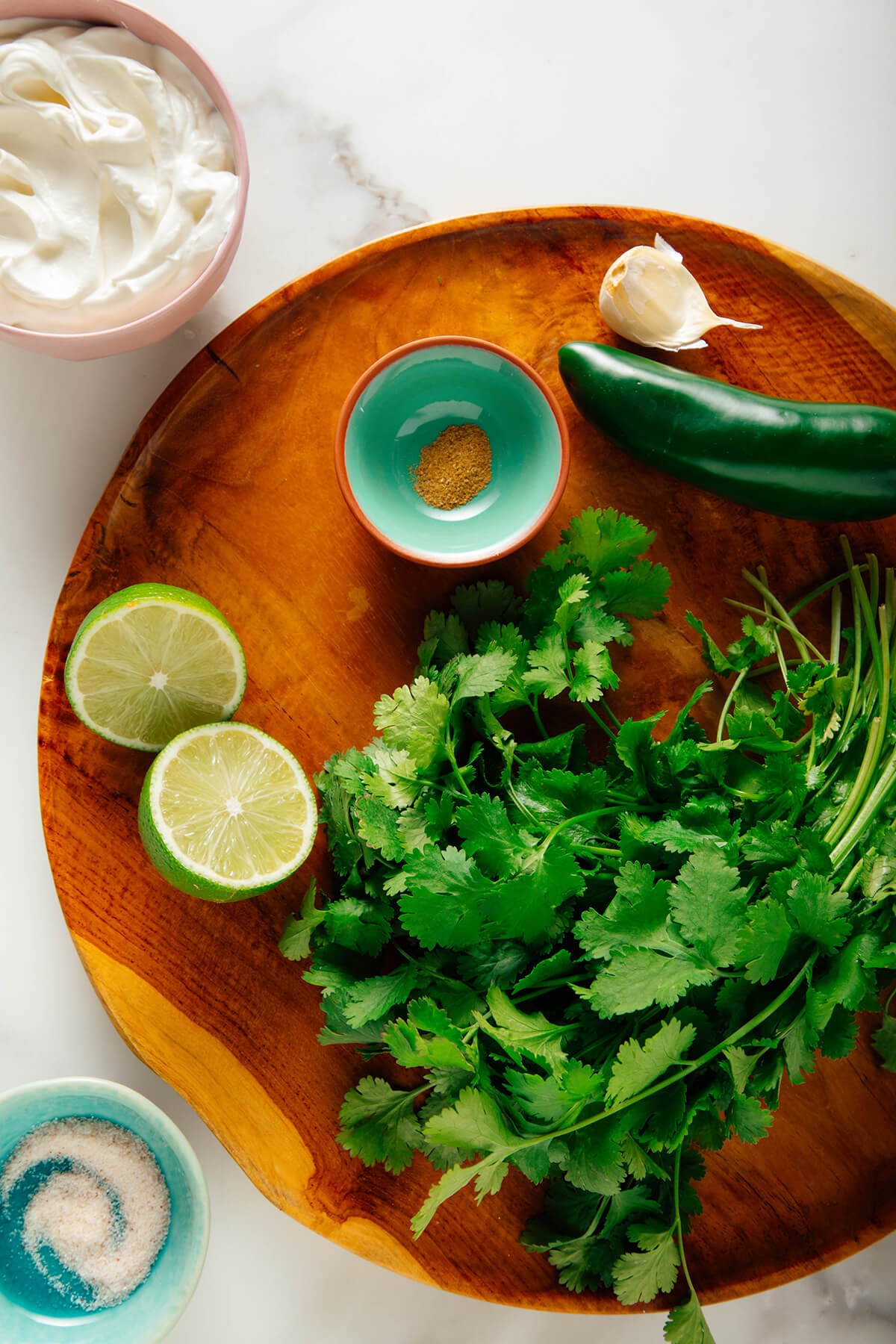
To achieve the profile commonly associated with high-end fast-casual cilantro lime sauce, specific chemical ratios must be maintained. The recipe typically rests on four pillars:
- The Acid Base: Fresh lime juice is essential. Unlike citric acid or bottled juice, fresh lime provides essential oils from the peel, which add a floral aroma that is volatile and dissipates quickly, necessitating the sauce be served fresh.
- The Fat Matrix: Sour cream or a plant-based alternative provides the necessary fat content to coat the palate and carry the flavor of the herbs.
- The Aromatic Profile: Cilantro is the primary driver, but the inclusion of garlic and cumin serves as the bridge between the high-acid lime and the rich dairy.
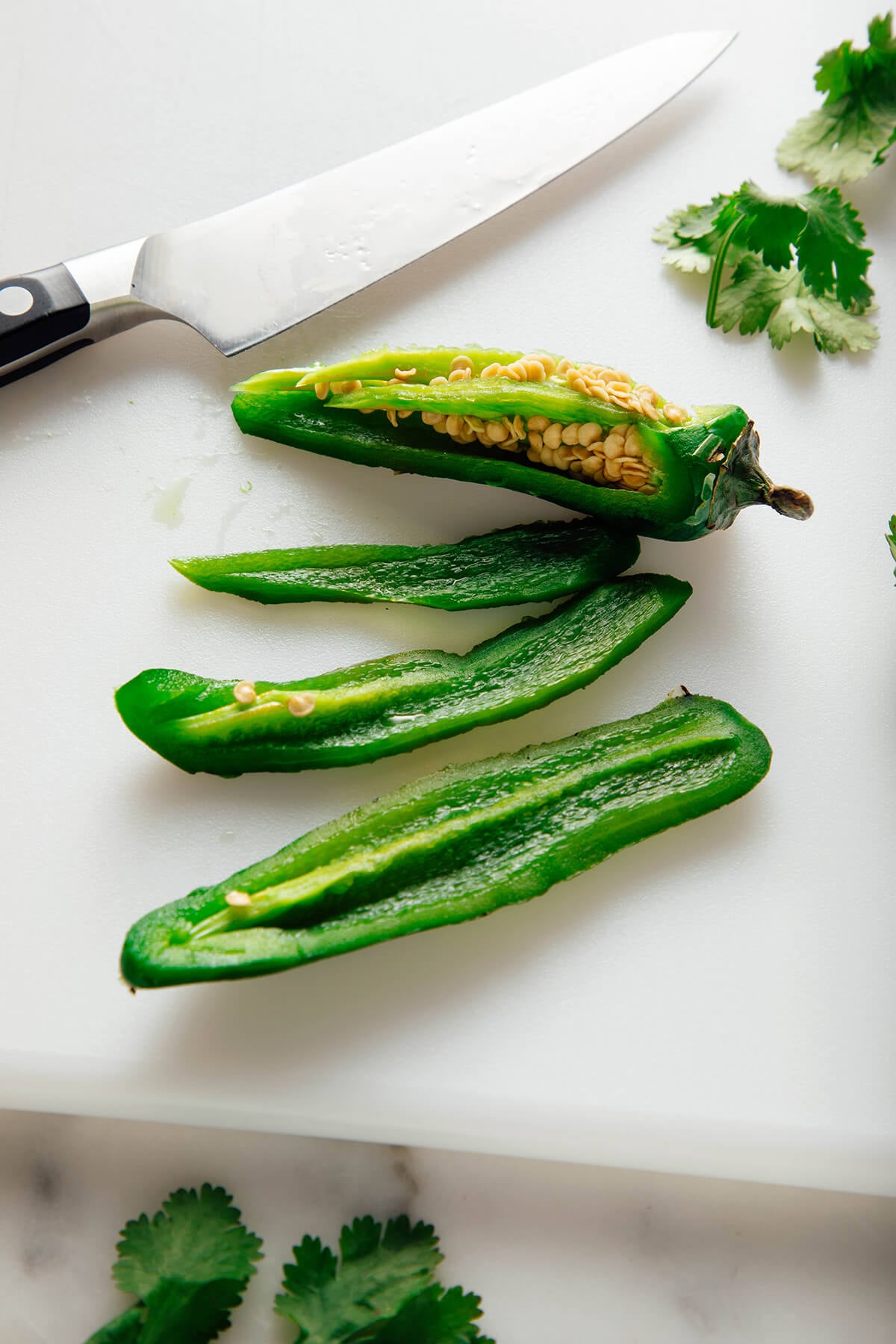
- The Heat Variable: The charred jalapeño provides capsaicin, which triggers thermoreceptors on the tongue. Controlling the heat requires careful extraction of the seeds and membranes, where the majority of the capsaicinoids reside.
Chronology of Consumer Adoption
The popularity of cilantro-forward sauces tracks with the expansion of Mexican-inspired fast-casual chains across North America. Since the late 2000s, there has been a steady increase in the consumption of "fresh-mex" ingredients. Industry analysts noted that in 2018, requests for "fresh-made" or "house-made" sauces increased by 22% across mid-market restaurant chains. By 2024, home-kitchen recreations of these specific sauces began appearing in mainstream recipe publications, as consumers sought to replicate the restaurant experience without the associated costs or frequency of dining out.
Culinary Methodology: Charring vs. Fresh Integration
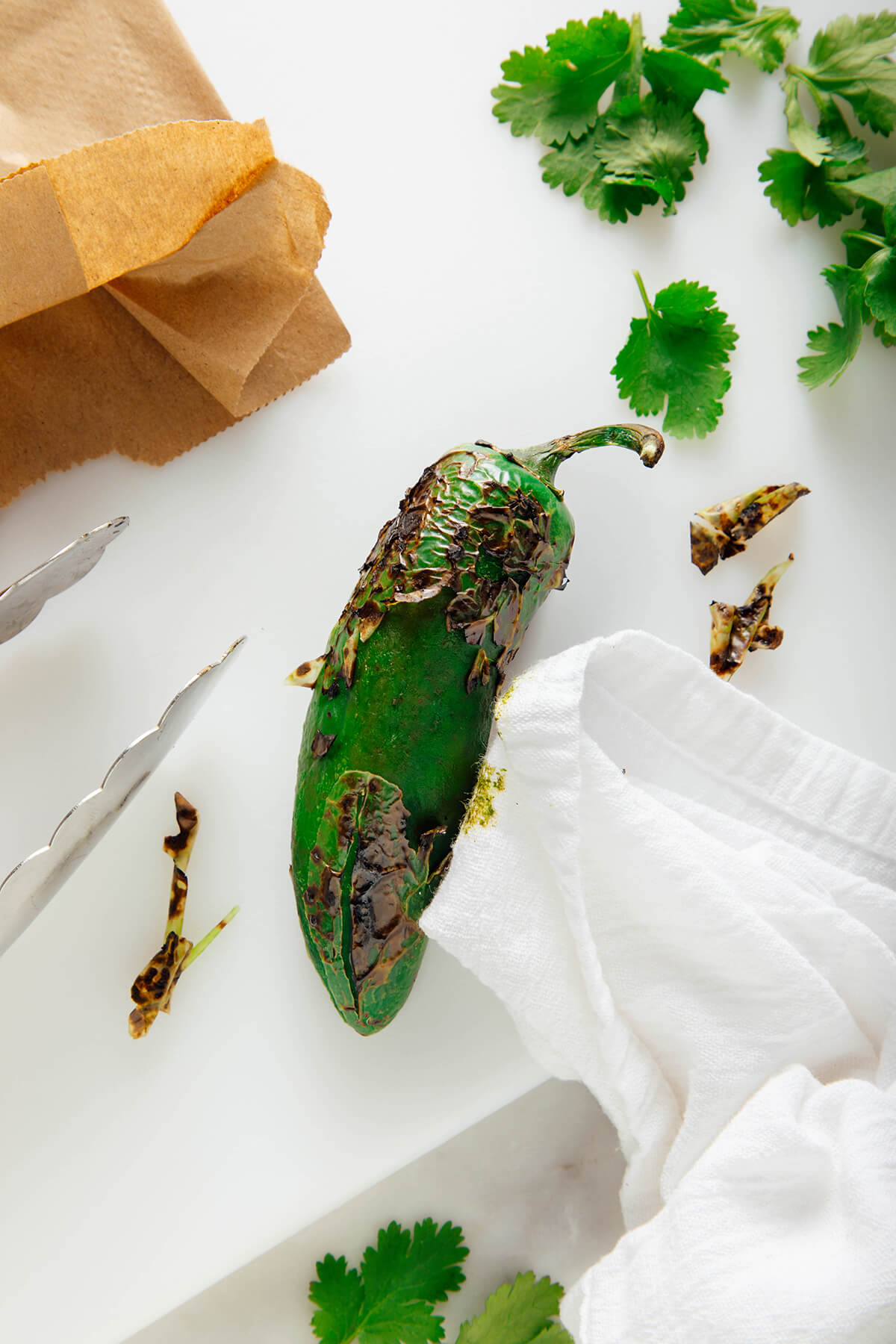
The technique of charring a jalapeño—either over an open gas flame or within a heavy-gauge skillet—is a point of significant culinary divergence. Professional kitchens often employ open-flame charring to achieve the smoky “char” flavor profile that distinguishes a premium sauce from a mass-produced version.
In a home setting, the process requires strict safety protocols:
- Flame Exposure: Utilizing heat-resistant tongs to hold the pepper 2-3 inches above a medium flame ensures an even burn without overcooking the interior flesh.
- The Steam Method: Post-charring, placing the pepper in a sealed container—such as a paper bag—traps residual moisture, effectively loosening the charred skin. This allows the cook to peel the skin away, leaving only the soft, smoky flesh.
- Fresh Substitution: For those preferring a sharper, more aggressive heat, raw jalapeño is an acceptable alternative. However, because raw peppers vary significantly in their capsaicin content, it is common practice to introduce the pepper incrementally, blending a small portion and testing the viscosity and heat level before incorporating the remainder.
Broader Economic and Nutritional Implications
The shift toward scratch-made condiments is part of a larger trend of "democratizing gourmet." As consumers become more adept at creating restaurant-quality sauces, the economic impact on the processed condiment market has become apparent. Sales of shelf-stable, mass-market creamy dressings have plateaued as a demographic of home cooks favors recipes with shorter ingredient lists and no preservatives.
From a nutritional standpoint, these sauces are generally more calorie-dense than traditional tomato-based salsas due to the sour cream base, but they often offer a cleaner nutritional profile. By substituting high-sodium stabilizers for fresh herbs and citrus, the end product is typically lower in sodium and free from artificial emulsifiers. For those with dietary restrictions, the recipe is highly modular; the use of vegan sour cream (often based on cashews or coconut) maintains the emulsion while removing dairy, making the condiment accessible to a wider range of consumers.
Industry Feedback and Future Trends
Market analysts indicate that the "sauce-heavy" dining trend is expected to persist through 2030. Restaurants are increasingly looking for ways to differentiate their brand identity through signature house-made sauces, and the success of the cilantro lime profile has set a high benchmark for innovation.
"The modern diner is looking for ‘craveability,’" says Dr. Elena Vance, a culinary food scientist. "The combination of the acidity from the lime, the fat from the cream, and the spice from the jalapeño creates a multi-sensory experience that is chemically addictive to the average consumer. When a restaurant gets that balance right, it creates a brand loyalty that is very difficult for competitors to replicate with pre-packaged items."
Implementation in the Home Kitchen
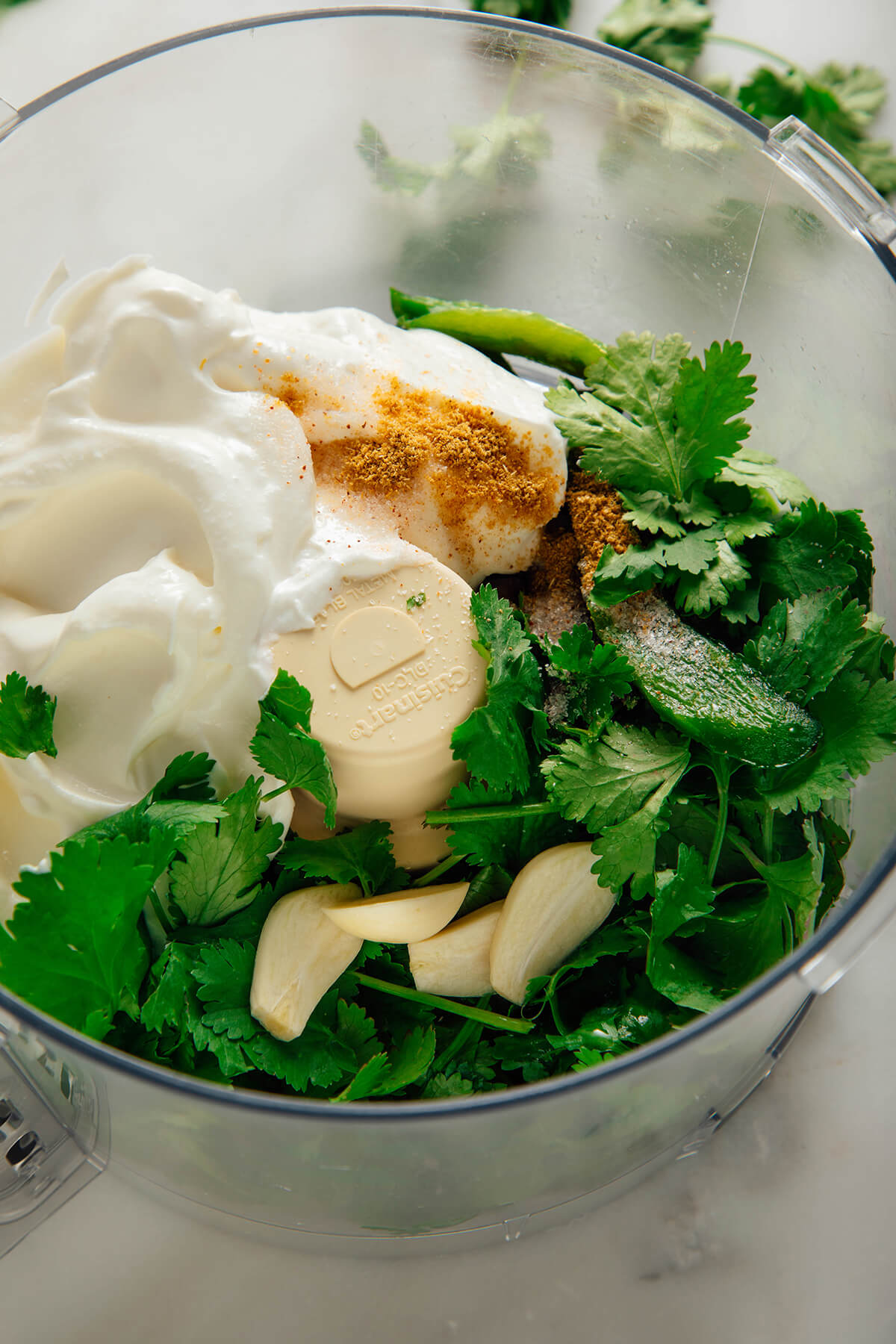
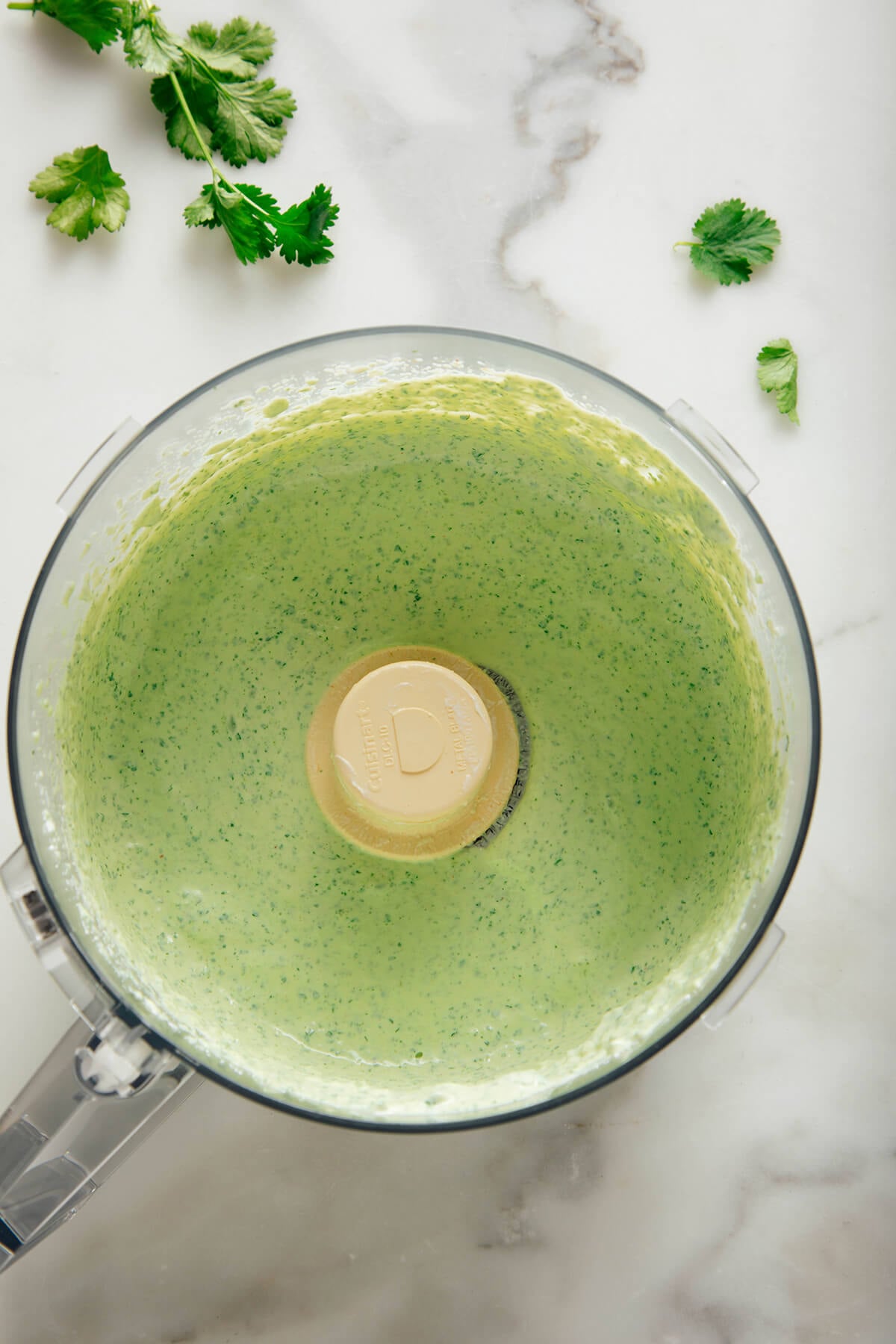
For the home cook, the preparation of this sauce serves as an introduction to basic emulsification principles. The use of a food processor or high-speed blender is critical to achieving the desired consistency. By pulsing the ingredients, one ensures that the cilantro is finely minced rather than pulverized into a liquid, which maintains the vibrant green color and fresh texture of the sauce.
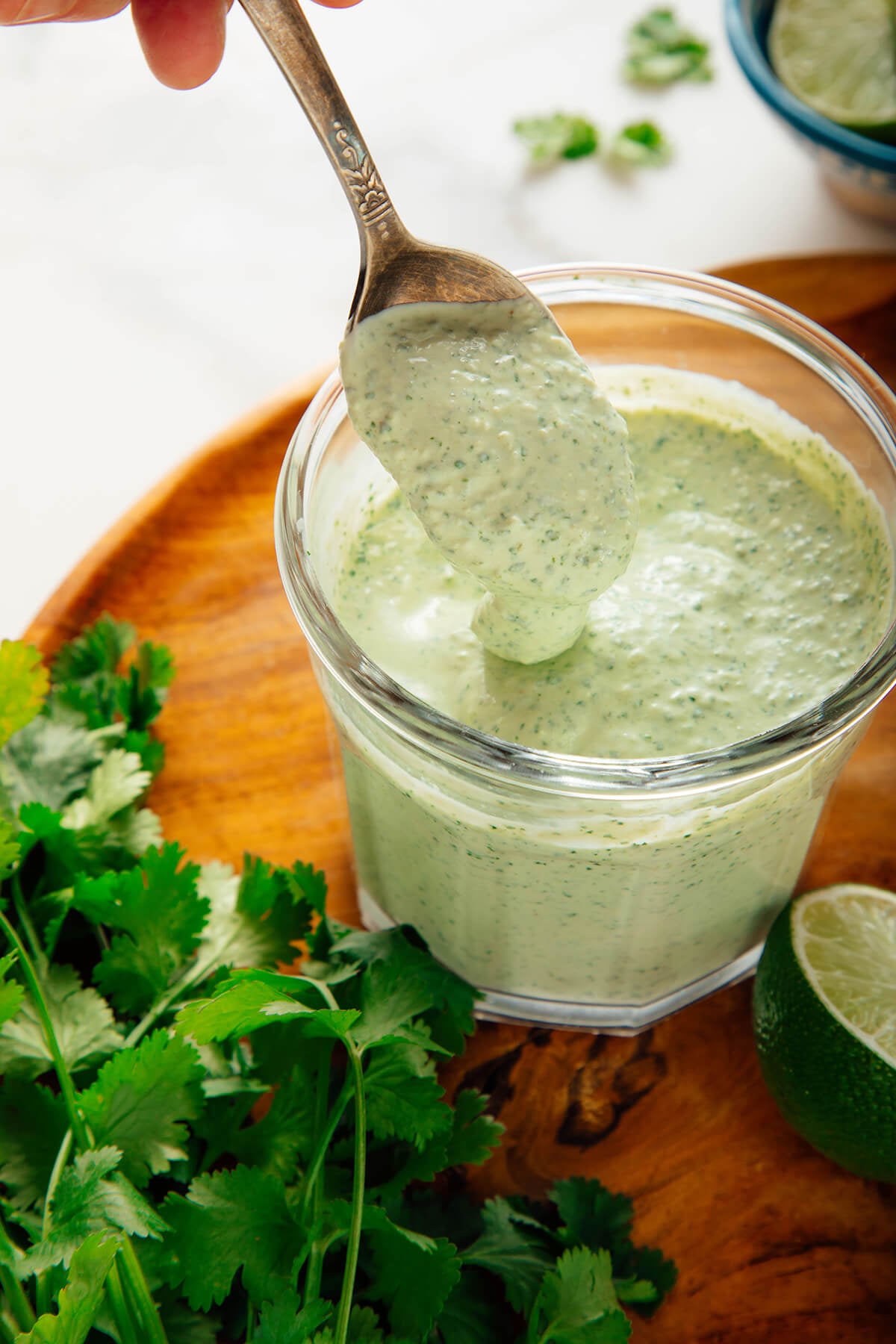
When serving, the versatility of the sauce cannot be overstated. While traditionally paired with protein-heavy dishes like sofritas, chicken, or steak, the sauce has found new life as a dressing for grain bowls, a dipping sauce for roasted vegetables, and a topping for vegetarian nachos. Its ability to act as a bridge between various flavor profiles—from the earthiness of black beans to the brightness of fresh corn—makes it a highly efficient tool in the home kitchen.
Conclusion: The Lasting Impact of Freshness
The transition from commercialized, bottled sauces to fresh, herbaceous alternatives represents a permanent shift in consumer expectations. The cilantro lime sauce is more than a fleeting food trend; it is a symptom of a more informed, health-conscious, and flavor-driven consumer base. As long as restaurants continue to prioritize the "fresh-made" experience, the home kitchen will follow suit, ensuring that these culinary techniques remain a standard part of the modern household’s repertoire. Whether one chooses to char the jalapeño for a smoky depth or keep it fresh for a vibrant bite, the core principles remain the same: high-quality ingredients, properly balanced, result in a superior culinary product that transcends the limitations of its fast-casual origins.