Chocolate Espresso Tahini Energy Balls Are the Ultimate Plant-Based After-Noon Pick-Me-Up


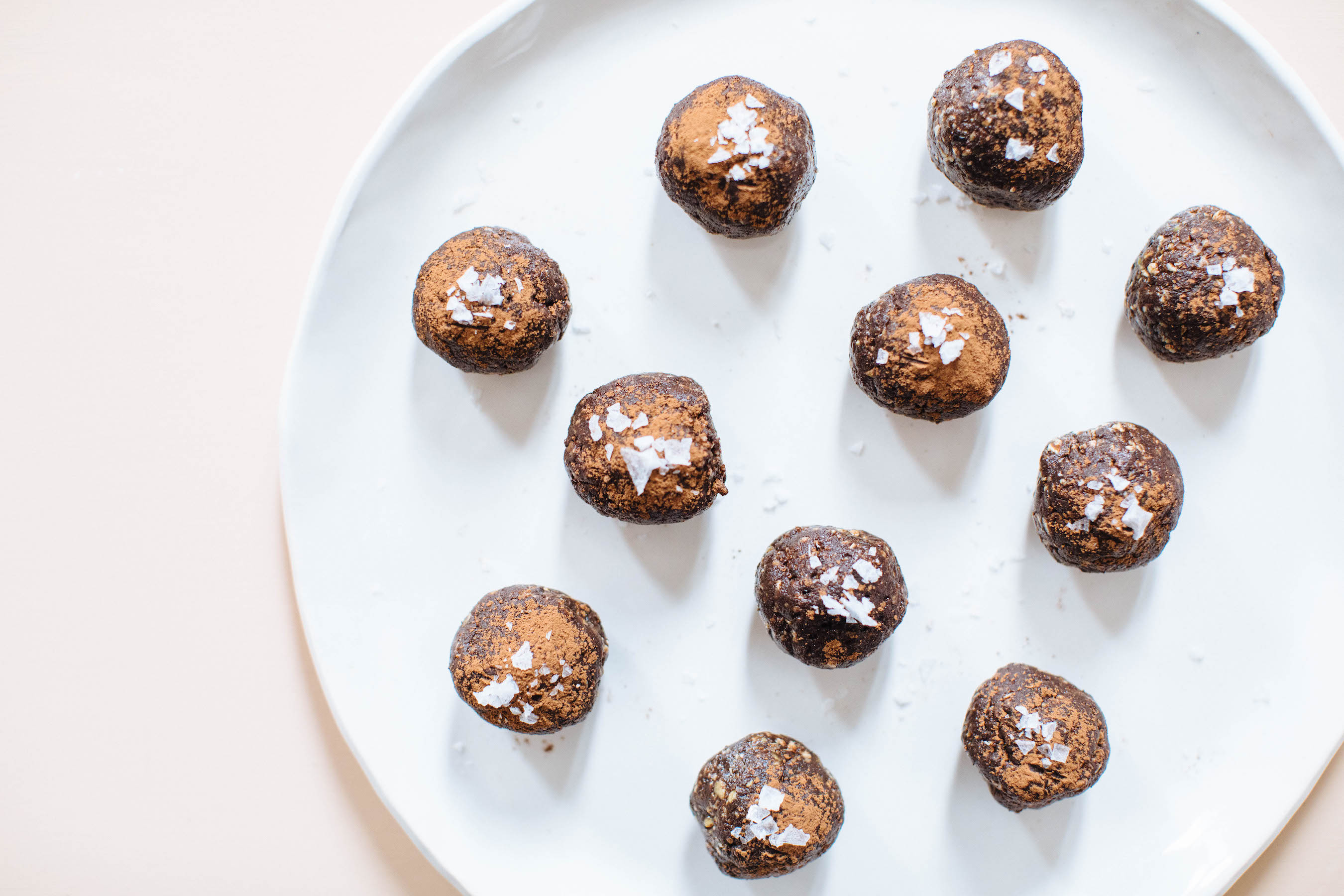
In the modern fast-paced work environment, the mid-afternoon energy slump remains a universal daily hurdle. As millions of professionals and wellness enthusiasts reach for sugary, highly processed snacks to bridge the gap between lunch and dinner, a growing body of nutritional science continues to advocate for functional, whole-food alternatives. Enter the plant-based, gluten-free culinary innovation: Chocolate Espresso Tahini Energy Balls. Designed to deliver a sustained cognitive and physical boost without the dreaded sugar crash, this no-bake snack merges the rich stimulant properties of finely ground coffee beans with the nutrient-dense profile of seeds, dates, and tahini.
Developed as part of the broader whole-foods movement popularized by nutrition platforms like Nutrition Stripped, this recipe exemplifies a shift in contemporary dietary habits. Rather than relying on empty calories, health-conscious consumers are increasingly turning toward recipes that harness complex carbohydrates, plant-based proteins, and healthy fats. The integration of mineral-rich ingredients transforms a simple confection into a robust functional food capable of supporting cardiovascular wellness, digestive efficiency, and sustained metabolic energy.
The Nutritional Anatomy of Functional Snacking
A detailed breakdown of the components within these energy bites reveals a carefully calculated synergy of macronutrients and micronutrients. At the foundation of the recipe are pitted dates, which serve dual purposes as a natural binding agent and a rich source of dietary fiber and potassium. Dates provide simple carbohydrates—the body’s preferred and primary fuel source for rapid energy production—while their fibrous matrix ensures a moderated glycemic response, preventing the sharp insulin spikes associated with refined sugars.
Complementing the dates are toasted pumpkin seeds, rolled oats, and flax seeds. This trio introduces plant-based protein and essential fatty acids, which slow gastric emptying and promote prolonged satiety. Tahini, a paste derived from ground sesame seeds, acts as the primary fat and structural binder. According to nutritional science, sesame seeds are exceptional repositories of vital minerals, including calcium, magnesium, iron, zinc, and selenium.
Medical and nutritional literature frequently highlights the benefits of these specific trace elements. Copper and magnesium, abundant in sesame-based products, have been clinically linked to the reduction of inflammatory markers, offering potential relief for conditions such as arthritis. Furthermore, regular consumption of magnesium and calcium supports bone density preservation, aids in migraine prevention, and contributes to the mitigation of premenstrual syndrome (PMS) symptoms. Additionally, plant sterols found in seeds assist in managing cholesterol levels, thereby supporting long-term cardiovascular health.
Digestive Efficiency and Gut Health Integration
Beyond macronutrient distribution, the formulation places significant emphasis on gastrointestinal optimization. Dietary fiber is a critical determinant of gut health, governing the speed at which food travels through the digestive tract. The combination of soluble and insoluble fibers sourced from the dates, rolled oats, coconut flakes, and seeds ensures smooth gastrointestinal motility.
Gastroenterologists and clinical dietitians frequently emphasize that efficient digestion is a prerequisite for optimal nutrient absorption. When the digestive tract functions harmoniously, the body is better equipped to extract micronutrients, vitamins, and amino acids from consumed meals. By incorporating fiber-rich components into a portable snack, individuals can support their digestive microbiome throughout the workday without subjecting the stomach to heavy, sluggish processing.
Chronology and Evolution of the No-Bake Snack Trend
The popularity of energy balls—often referred to in culinary circles as bliss balls or protein bites—did not emerge overnight. The timeline of this dietary trend traces back to the early 2010s, coinciding with the rapid expansion of clean-eating blogs and digital wellness communities.
- 2010–2013: The genesis of the energy ball phenomenon, characterized primarily by basic combinations of dates, raw almonds, and dried fruit processed in household food processors.
- 2014–2016: Culinary innovators began introducing superfoods into the matrix, incorporating matcha, chia seeds, maca powder, and various nut butter bases to target specific physiological outcomes such as immune support and sustained focus.
- 2017–2019: The introduction of functional culinary fusions, such as the integration of cold brew concentrates, espresso powders, and tahini. This era marked the transition from simple endurance snacks for athletes to specialized functional foods tailored for cognitive enhancement and office workers experiencing afternoon fatigue. March 26, 2019, specifically marked the publication of the definitive Chocolate Espresso Tahini Energy Ball recipe, capturing mainstream attention across digital wellness platforms.
- 2020–Present: Accelerated by global lifestyle shifts toward home-based work environments, demand for quick, make-ahead, pantry-friendly snacks skyrocketed. Recipes emphasizing long freezer shelf-life and minimal culinary equipment became household staples.
Step-by-Step Preparation Protocol
For individuals seeking to replicate these nutrient-dense spheres at home, the preparation process requires minimal culinary expertise and basic kitchen equipment, specifically a standard food processor.
Ingredients:
- ½ cup toasted pumpkin seeds
- ¼ cup rolled oats
- 1 tablespoon flax seeds
- ⅓ cup tahini
- 1 tablespoon finely ground espresso beans
- 2 tablespoons unsweetened cocoa powder
- 2 tablespoons maple syrup
- 5 pitted dates (pitted)
- Flaky sea salt for finishing
Instructions:
- Processing the Base: Place the rolled oats into a food processor and operate on high speed until they are reduced to a coarse flour consistency. Add the toasted pumpkin seeds and flax seeds, pulsing the machine until the seeds are roughly chopped and integrated with the oat flour.
- Incorporating Wet Ingredients and Spices: Introduce the tahini, finely ground espresso beans, unsweetened cocoa powder, maple syrup, and pitted dates directly into the dry mixture. Process on pulse settings until the ingredients bind together into a cohesive, sticky dough.
- Forming and Chilling: Roll the mixture firmly between the palms of your hands to form uniform spheres, approximately the size of standard ping-pong balls. Arrange the formed balls on a rimmed baking sheet lined with parchment paper. Transfer the baking sheet to a refrigerator and chill for a minimum of 30 minutes, or until the fats solidify and the balls firm up.
- Finishing Touches: Prior to serving, lightly dust the exterior of each protein ball with a fine layer of unsweetened cocoa powder and a pinch of coarse flaky sea salt to elevate the flavor profile.
Storage and Preservation Guidelines
One of the primary logistical advantages of functional energy balls lies in their exceptional shelf-life and compatibility with meal-prep routines. Because the recipe contains no perishable dairy or raw animal proteins, the finished product remains stable under proper refrigeration conditions.
Experts recommend storing the energy balls in an airtight glass container. When kept in a standard refrigerator, the snacks retain their textural integrity and nutritional quality for up to two weeks. For longer preservation, the balls can be transferred to a freezer-safe container, where they will keep safely for up to one month. This makes them an ideal make-ahead solution for busy professionals, students, or households preparing for hectic weekly schedules.
Broader Implications for Mindful Eating and Dietary Shifts
The proliferation of recipes like Chocolate Espresso Tahini Energy Balls reflects a broader cultural movement away from restrictive dieting and toward mindful, sustainable nutrition. Behavioral psychologists and nutritional experts note that strict dietary prohibitions often lead to cycles of food obsession and subsequent burnout.
In response, educational platforms have increasingly emphasized the importance of rebuilding the mind-body connection. By focusing on nutrient density, self-compassion, and the removal of the "good food versus bad food" binary, individuals are encouraged to adopt habits that feel intuitive rather than forced. Snacks that combine pleasure-inducing elements—such as dark cocoa and espresso—with deeply nourishing components like seeds and tahini demonstrate that healthy eating does not require sacrificing flavor or satisfaction.
As consumer interest in preventive health and functional nutrition continues to expand, the culinary landscape will likely see further innovations that merge everyday pantry staples with targeted wellness benefits. Whether consumed as a pre-workout stimulant, a mid-day office snack, or a mindful afternoon treat, these espresso-infused bites stand as a testament to the viability of functional, plant-based gastronomy in modern daily life.
Related posts: