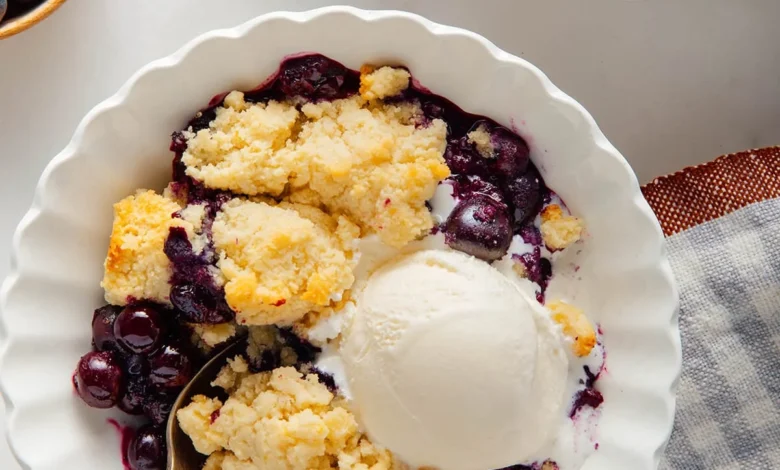
The rise of gluten-free baking has fundamentally shifted the culinary landscape, moving beyond niche dietary requirements to become a standard consideration in professional and home kitchens alike. A primary driver of this trend is the increased availability and improved texture of alternative flours, most notably almond flour. Recent culinary developments from established recipe developers have highlighted a transition from traditional wheat-based desserts to refined, almond-based iterations, with the blueberry cobbler emerging as a prominent example of this shift.
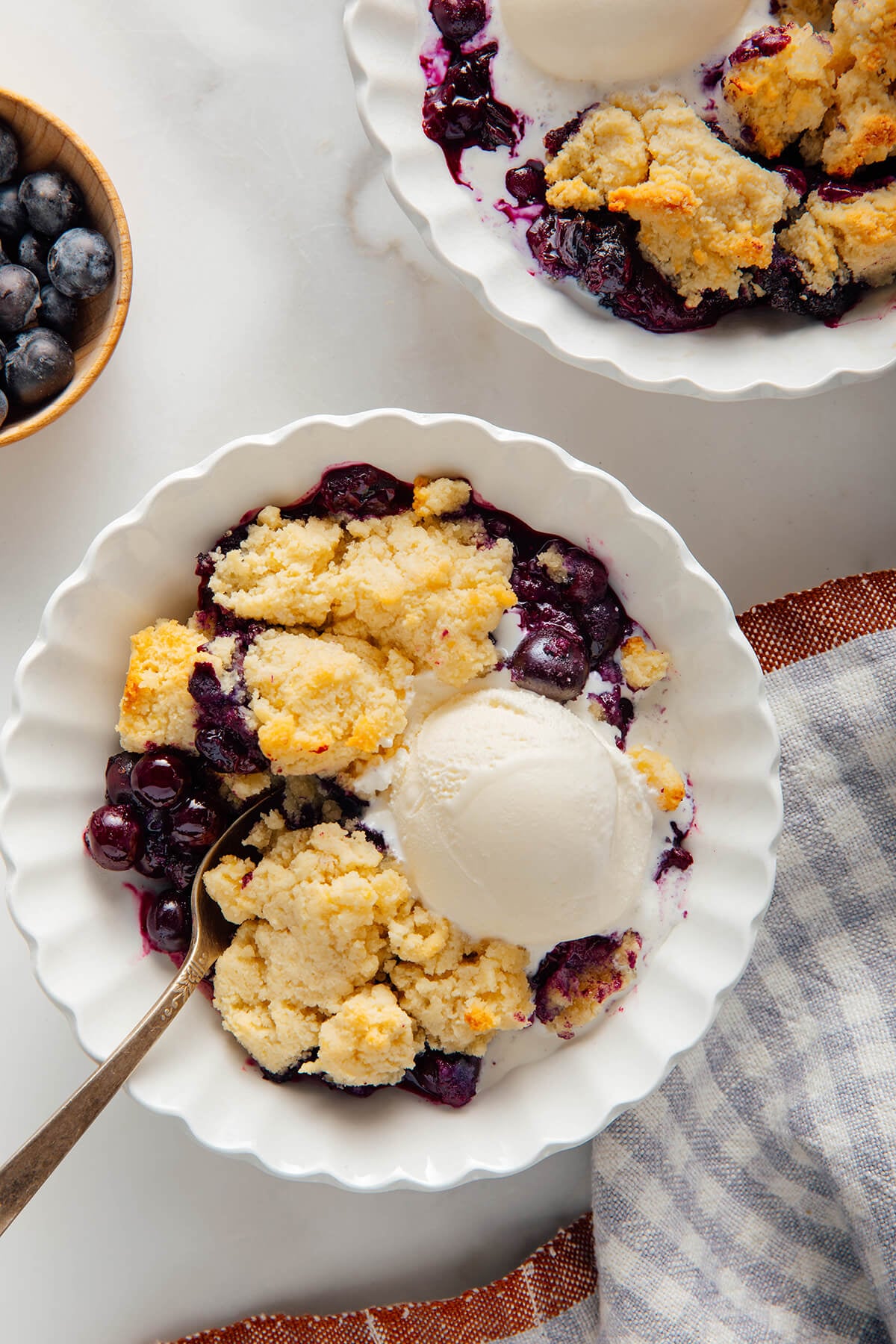
The Evolution of the Classic Cobbler
Historically, the American cobbler is defined by its simple, two-part structure: a base of sweetened, macerated fruit topped with a biscuit or batter that is baked until golden. Traditional recipes rely heavily on all-purpose wheat flour to provide structural integrity. However, as consumer interest in lower-carbohydrate and gluten-free alternatives has grown, professional kitchens have begun experimenting with nut-based flours.
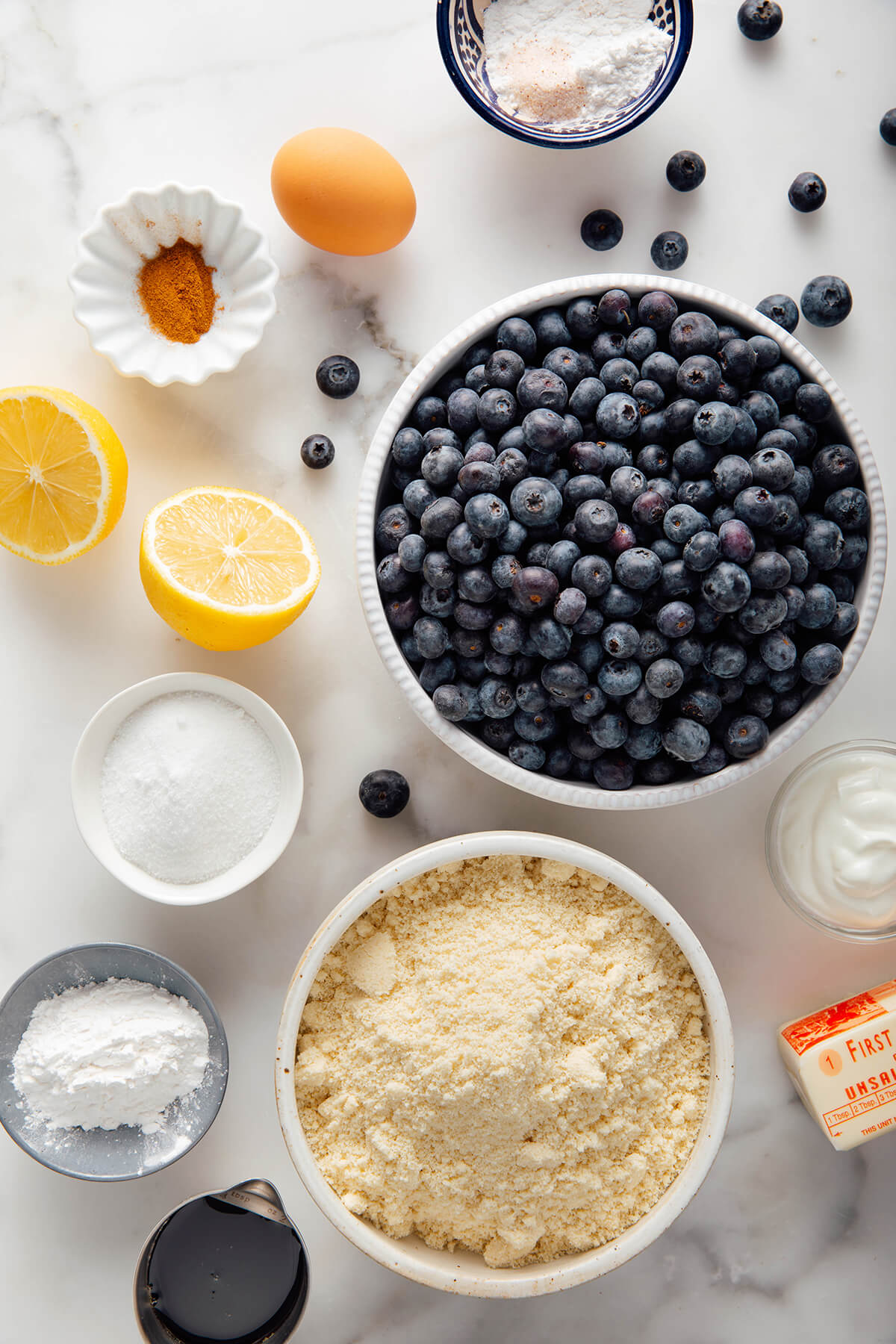
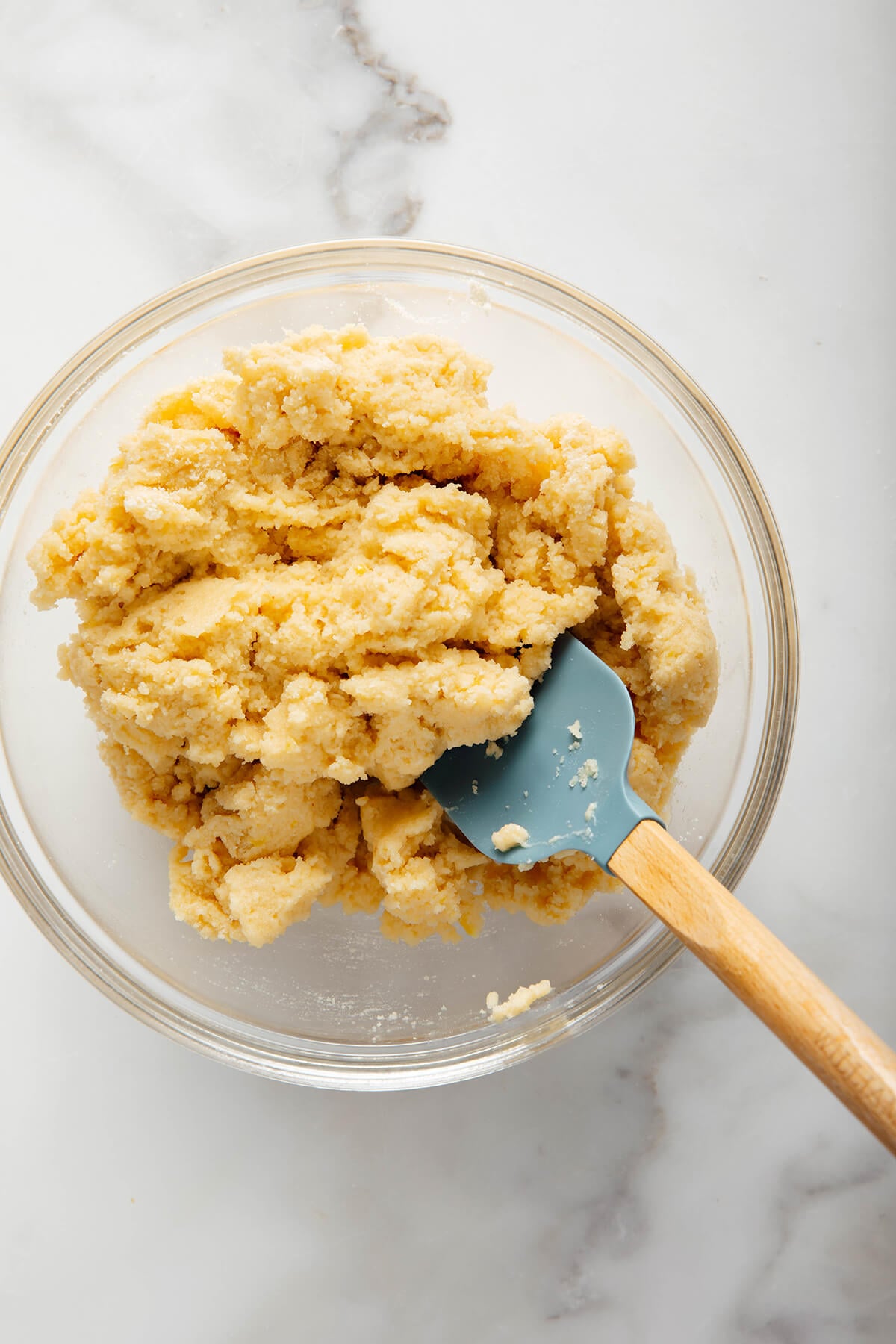
Almond flour—produced by grinding blanched almonds into a fine powder—offers a unique nutritional profile compared to traditional wheat flour. It is high in monounsaturated fats, protein, and fiber, and notably devoid of gluten, the protein complex responsible for the elastic structure in wheat-based baked goods. The adoption of this ingredient in cobbler recipes is not merely a substitution for dietary restrictions but a deliberate choice to alter the final product’s texture and flavor profile.
Culinary Mechanics and Baking Science
The chemistry of baking with almond flour requires a departure from standard wheat-based techniques. Unlike wheat, which requires gluten development to capture gas bubbles and create a rise, almond flour relies on the coagulation of fats and the leavening action of agents like baking powder or soda.
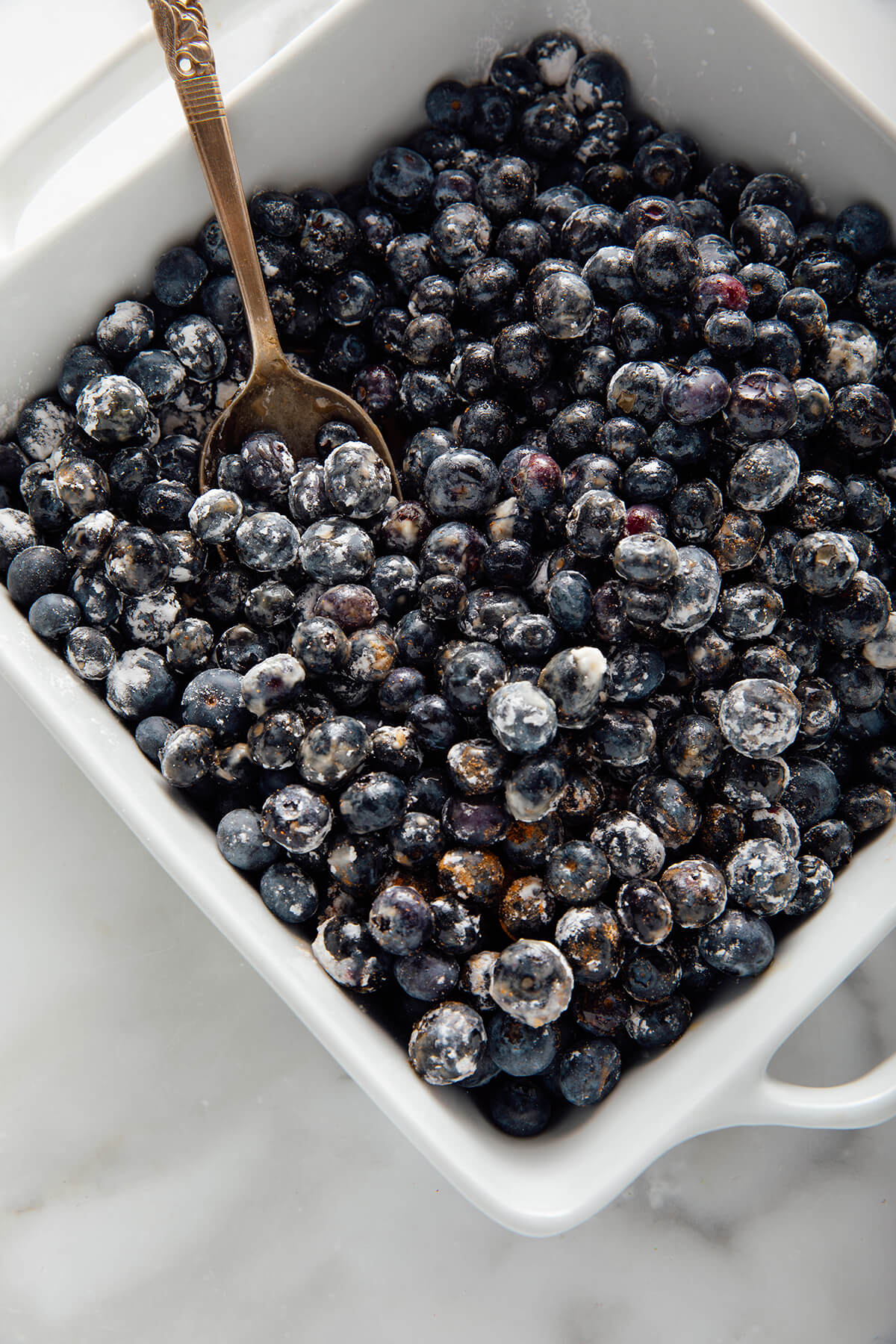
A critical technical challenge in preparing fruit cobblers with high-fat, nut-based toppings is the differential cooking time between the fruit filling and the crust. Blueberries, which contain high levels of pectin and natural sugars, require sufficient time to reach a "jammy" consistency where the juices have thickened and the fruit has softened. If a topping is applied at the beginning of the bake, the almond flour—which browns faster due to its fat and sugar content—often risks burning before the fruit base has fully cooked.
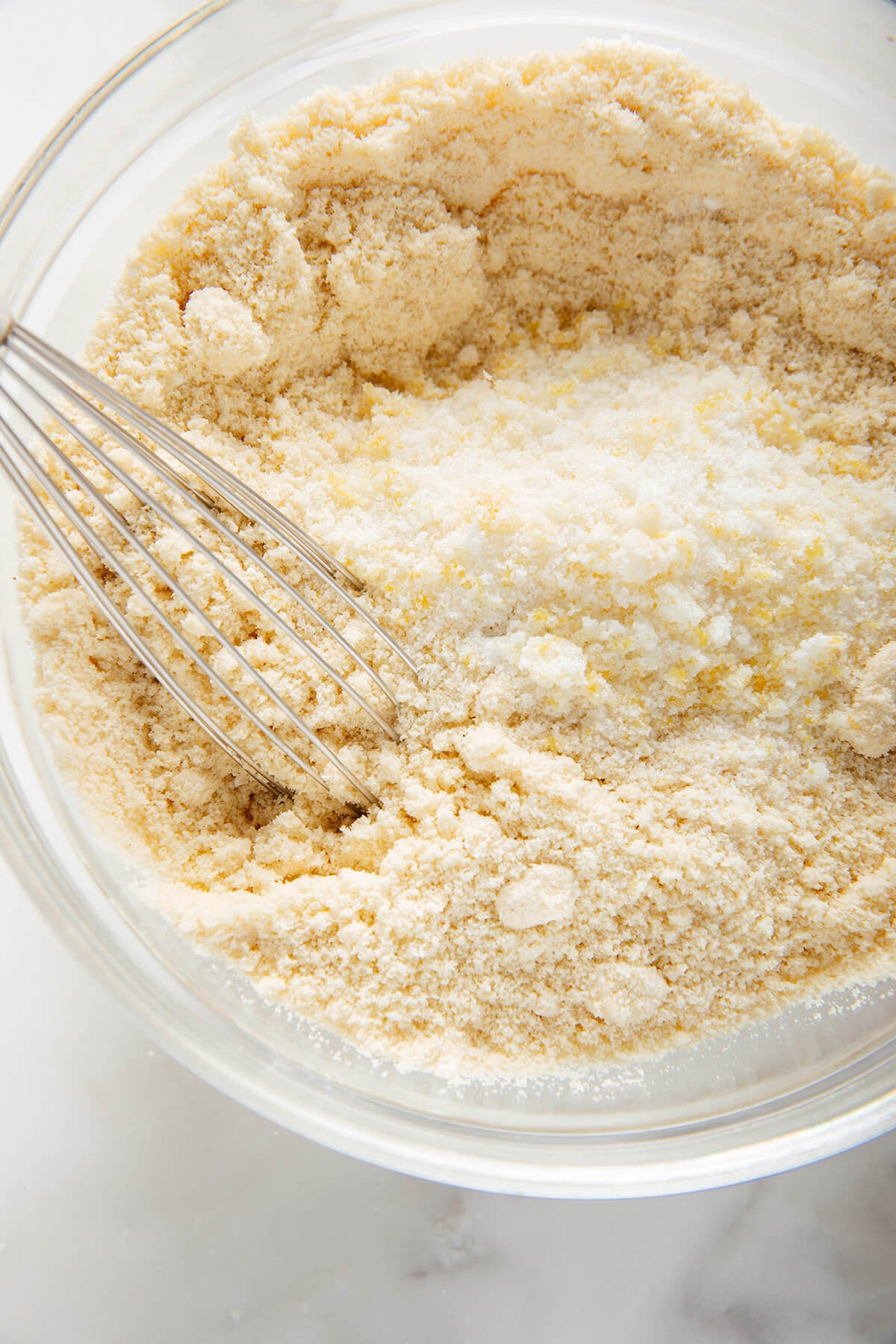
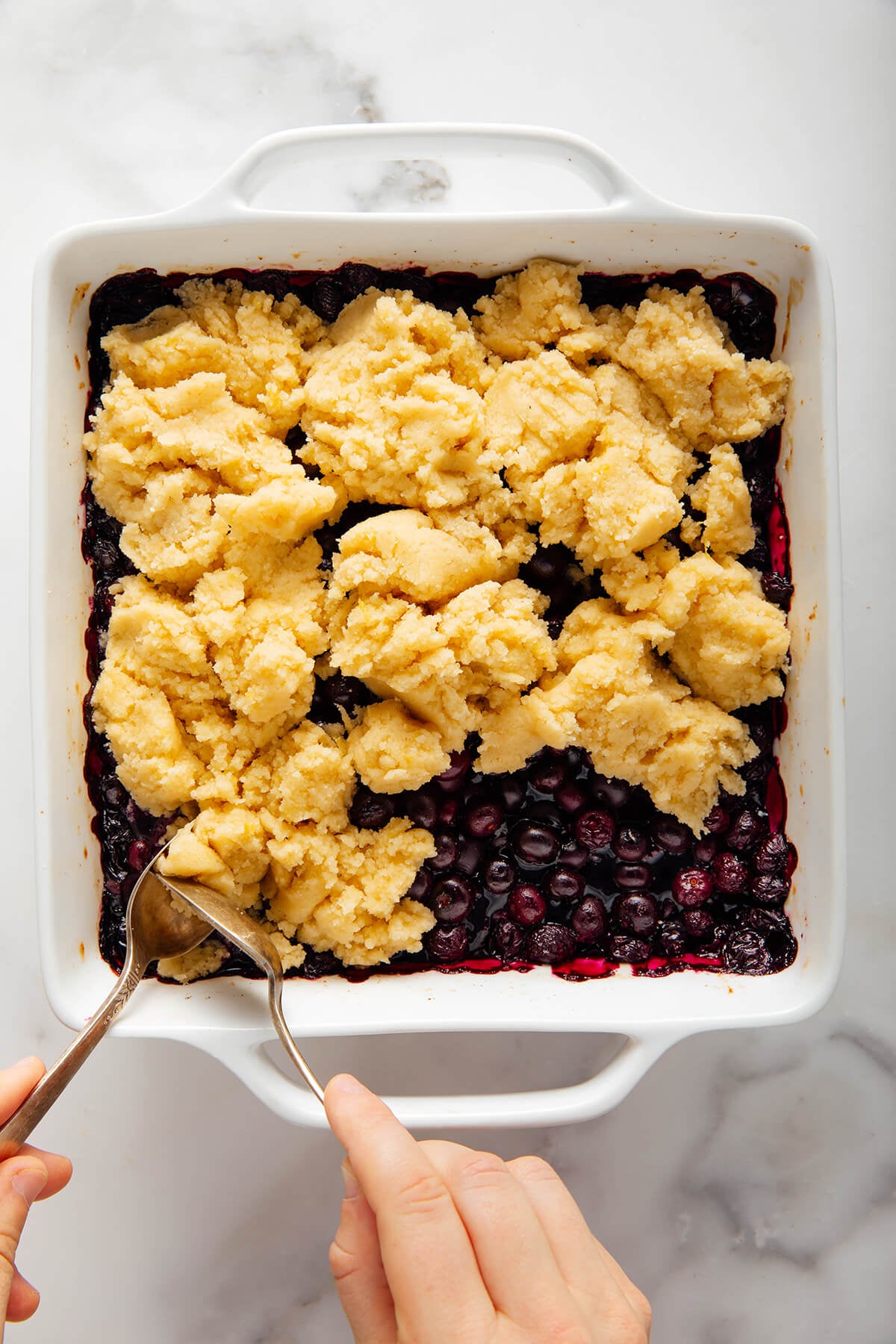
To resolve this, modern techniques involve a two-stage baking process. The fruit base is initially baked independently, allowing the heat to penetrate the center of the filling. Only after the fruit has reached a specific state of thermal breakdown is the topping added. This ensures that the topping achieves a crisp, golden-brown exterior while remaining tender on the interior, effectively preventing the common defect of a soggy bottom or an over-browned surface.
Market Trends and Ingredient Accessibility
The demand for gluten-free ingredients has led to a significant expansion in the supply chain for high-quality almond flour. Leading producers, such as Bob’s Red Mill and various private-label suppliers, have optimized their milling processes to produce "super-fine" flour, which mimics the consistency of wheat flour more closely than earlier, coarser varieties. This consistency is vital for home bakers, as it ensures uniform absorption of moisture, leading to predictable results in recipes.
Industry data suggests that the gluten-free baking sector is continuing its upward trajectory. According to market research, the growth of alternative flour usage is closely tied to the "clean label" movement, where consumers prioritize whole-food ingredients—such as ground nuts—over the highly processed starches often found in traditional gluten-free flour blends.
Analysis of Flavor Profiles and Consumer Adoption
The pairing of blueberries and almond is rooted in classical culinary theory, where the acidity and tartness of the berries are balanced by the sweet, earthy, and slightly floral notes of almonds. When almond flour is toasted during the baking process, it releases aromatic compounds that complement the natural sweetness of summer blueberries.
From a nutrition standpoint, the shift toward almond flour represents a movement toward nutrient-dense desserts. While a traditional wheat-based cobbler is primarily a carbohydrate-heavy dish, an almond-based version provides a more balanced macro-nutrient profile, featuring healthy fats and protein. However, culinary experts note that this requires a recalibration of consumer expectations, as the final product will have a heavier, richer mouthfeel compared to the light, airy texture of a wheat biscuit.
Professional Perspectives on Recipe Development
Recipe developers who have pioneered these transitions often cite a "trial and error" approach to finding the optimal balance of ingredients. The development of an almond-based cobbler often involves testing different ratios of leavening agents to ensure the topping does not become overly dense.
In professional kitchens, the feedback from such adaptations has been largely positive, particularly among those who prioritize flavor over traditional texture expectations. The consensus among test kitchens is that while the gluten-free label is a primary selling point, the primary driver for sustained popularity is the superior depth of flavor offered by the nut-based topping.
Broader Implications for Home Baking
The transition toward these recipes suggests a broader, long-term change in how domestic cooks view "staple" desserts. The movement away from wheat-centric baking is no longer confined to those with celiac disease or gluten sensitivity. Instead, it has become a preferred method for home cooks seeking to integrate healthier fats and more complex flavors into their diets.
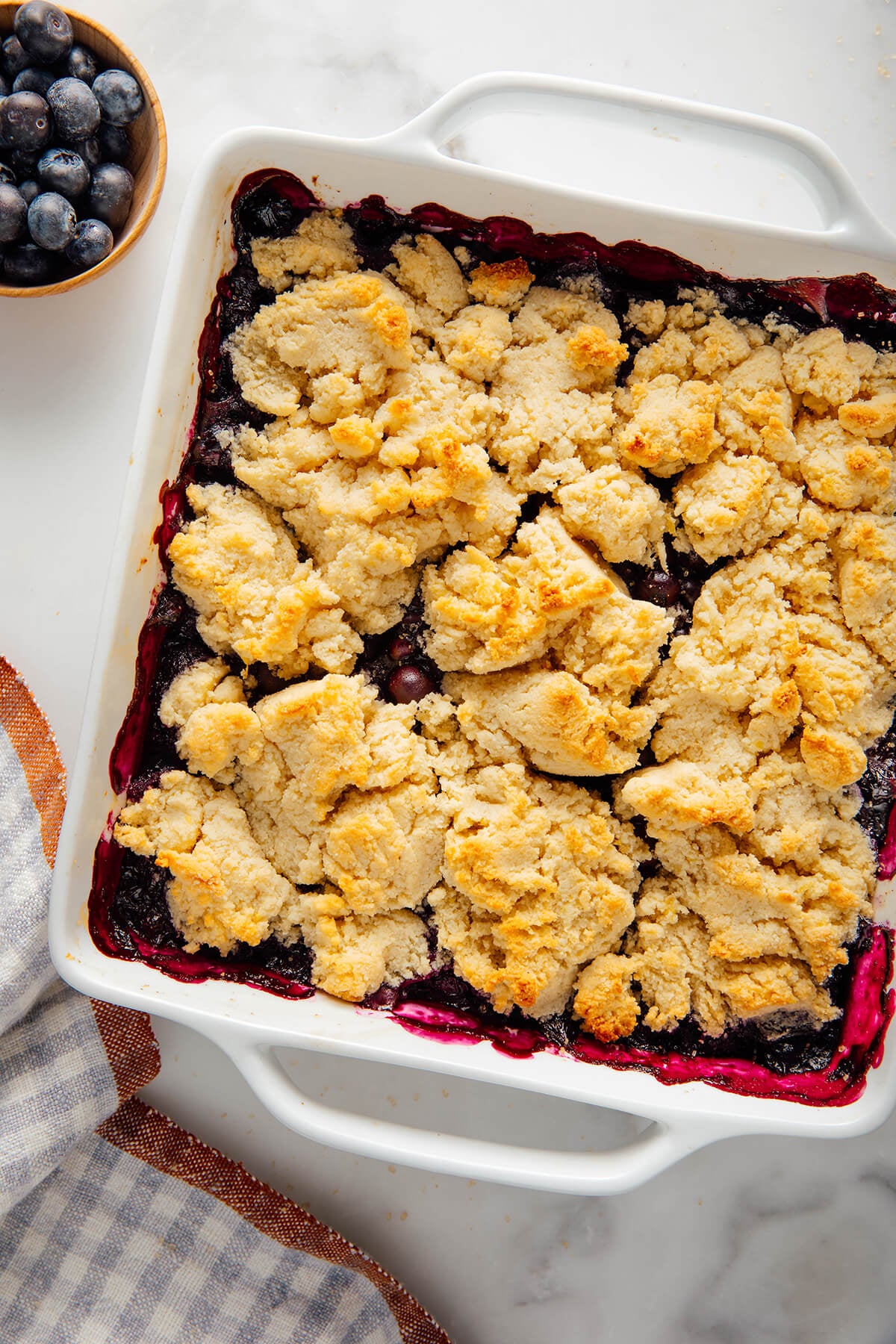
Furthermore, the versatility of the almond flour cobbler—which can be easily adapted to utilize various seasonal fruits like peaches, blackberries, or stone fruits—provides a flexible framework for home chefs. This modularity is a key factor in the longevity of such recipes. As the availability of these ingredients remains stable, the expectation is that these refined, allergen-friendly versions of classic comfort foods will remain a fixture in contemporary American home cooking.
In conclusion, the evolution of the blueberry cobbler from a standard wheat-based pastry to an almond-flour-based delicacy reflects a sophisticated shift in culinary standards. By combining scientific precision in the baking process with a focus on high-quality, nutrient-dense ingredients, this modern iteration offers a blueprint for how traditional recipes can be successfully modernized to meet contemporary dietary preferences and flavor standards. The success of this transition is evidenced by the growing body of home-baking resources that prioritize these methods, signaling a permanent change in the American dessert repertoire.