Skinnytaste Releases Free 7-Day Fall Weight Loss Meal Plan Featuring Seasonal Recipes and Structured Grocery Lists to Combat Rising Food Costs

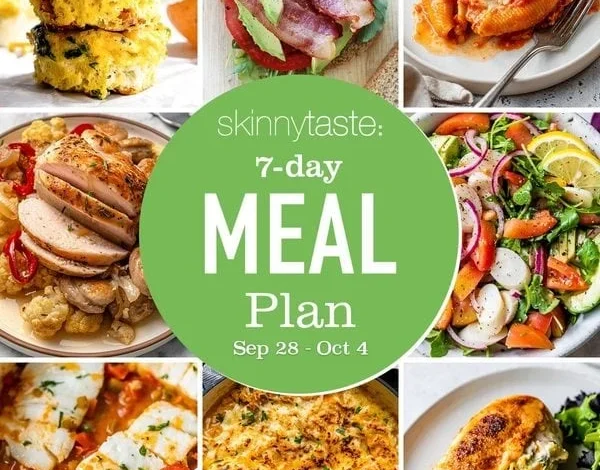
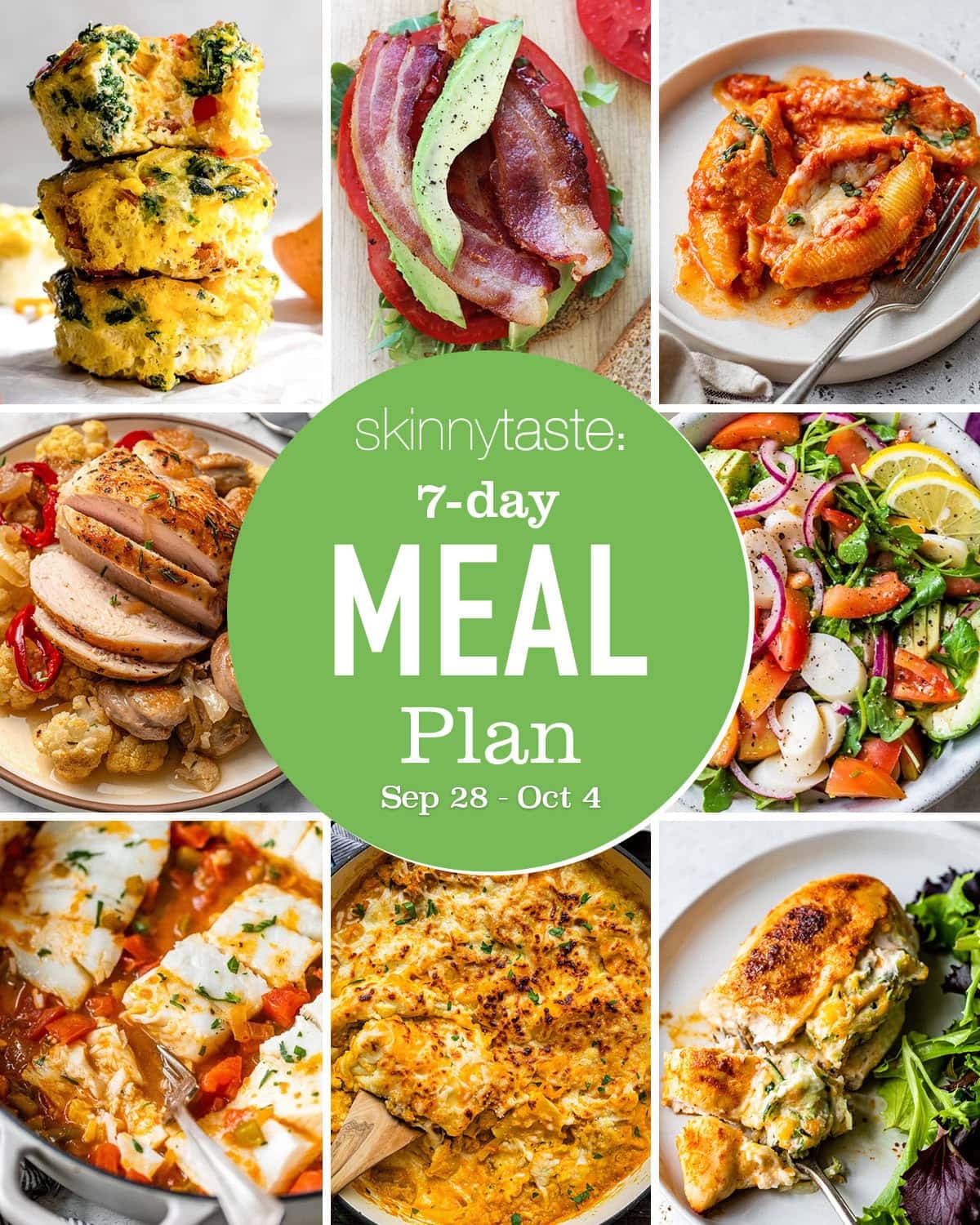
As the transition from summer warmth to the crisp mornings of autumn begins, home cooks and individuals pursuing health goals face the annual challenge of adapting their culinary routines to a new season. In response to shifting seasonal appetites and the persistent economic pressures of rising grocery prices, the popular wellness platform Skinnytaste has officially released a free, flexible seven-day weight loss meal plan designed to bridge the gap between comforting seasonal flavors and nutritional discipline.
The newly published program, spanning late September and early October, provides a comprehensive, structured approach to home dining. It includes curated breakfast, lunch, and dinner recipes accompanied by complete nutritional macros and Weight Watchers points. Designed to simplify weekly organization, the release arrives alongside a meticulously categorized shopping list aimed at reducing food waste, minimizing dining-out expenses, and alleviating the psychological stress often associated with meal preparation.
Strategic Meal Planning as an Economic and Health Solution
In the current economic climate marked by stubborn inflation in the food sector, consumers are increasingly seeking out practical strategies to stretch household budgets without sacrificing nutritional quality. Industry analysts and nutritionists have long pointed to structured meal planning as one of the most effective tools for reigning in household expenditures. By purchasing only the ingredients explicitly required for a week of pre-determined meals, shoppers can drastically cut down on impulse purchases and curb the costly habit of ordering takeout.
The Skinnytaste program addresses this economic reality by offering a blueprint that promotes efficiency in the kitchen. The structure of the weekly guide is intentionally balanced: weekday breakfasts and lunches are proportioned for individual servings, while dinners and weekend meals are scaled to feed a family of four. Furthermore, several recipes are purposely engineered to yield leftovers, transforming previous dinners into seamless, ready-to-eat lunches for subsequent days. This approach not only saves time during busy work weeks but also ensures that perishable ingredients are fully utilized, driving down the rate of household food waste.
Transitioning to Autumnal Nutrition and Comfort Foods
The psychological and physiological shift from summer to fall naturally sparks a craving for warmer, heartier dishes. Culinary trends historically show a pivot away from light, uncooked salads and cold beverages toward roasted vegetables, rich soups, and comforting baked goods. However, navigating this seasonal transition can often derail dietary goals if comfort foods are high in unmanaged fats and refined sugars.
The newly released meal plan cleverly navigates this dietary hurdle by reinventing classic autumn flavors using nutritionally dense, lower-calorie ingredients. Rather than eliminating comfort foods entirely, the curated recipes incorporate seasonal produce in innovative ways. For instance, the weekly lineup features items such as Turkey Taco Spaghetti Squash Boats—which utilize nutrient-dense squash as a wholesome alternative to traditional taco shells—alongside a Pumpkin Lasagna Skillet and a hearty Fall Steak Salad with Sweet Potatoes.
By centering meals around lean proteins, high-fiber vegetables, and complex carbohydrates, the program satisfies the psychological need for comfort without compromising caloric boundaries. Each recipe is cataloged with its respective nutritional data, empowering individuals to monitor their intake effectively.

A Closer Look at the Seven-Day Nutritional Blueprint
The structured itinerary for the week provides a diverse array of culinary experiences designed to prevent diet fatigue. While the program serves as a reliable guide, its creators emphasize that it is not intended to be a rigid, one-size-fits-all restriction. The daily caloric totals mapped out in the plan generally hover around the 1,100 to 1,200 range for the primary mapped meals, intentionally leaving a substantial caloric buffer. Nutrition experts note that women aiming for a moderate weight-loss trajectory often require approximately 1,500 calories per day, depending on age, height, and activity levels. Consequently, the plan leaves ample "wiggle room" for participants to incorporate morning coffee, afternoon snacks, additional fruits, or an occasional glass of wine.
The chronological breakdown of the week unfolds as follows:
- Monday: The week initiates with Loaded Egg Muffins paired with a fresh pear for breakfast, followed by a substantial portion of Chicken Waldorf Salad for lunch. Dinner transitions into a comforting plate of Stuffed Shells accompanied by a crisp Arugula Salad.
- Tuesday: Breakfast maintains consistency with the Loaded Egg Muffins and a pear, and lunch repeats the Chicken Waldorf Salad. The evening meal introduces Turkey Taco Spaghetti Squash Boats served alongside a measured portion of avocado and Brazilian Black Beans.
- Wednesday: Morning routines feature the egg muffins paired with a cup of grapes, while lunch utilizes the previous night’s Turkey Taco Spaghetti Squash Boats as an efficient leftover option. Dinner presents Chicken Scarpariello served over Homemade Rice Pilaf.
- Thursday: The breakfast and lunch pattern remains steady with the egg muffins and leftover squash boats. Dinner shifts toward a seasonal favorite: the Pumpkin Lasagna Skillet paired with Lemon Brussels Sprouts.
- Friday: Friday morning introduces a Carrot Banana Protein Smoothie for a lighter start, followed by a Tuna Egg Salad sandwich on whole-grain bread for lunch. The work week concludes with Skillet Cajun Spiced Fish with Tomatoes, accompanied by brown rice and Roasted Broccoli.
- Saturday: The weekend schedule shifts to a warm breakfast of Instant Pot Steel Cut Oats, followed by an Avocado BLT for lunch. Saturday dinner is intentionally left open, allowing participants the flexibility to dine out or enjoy a meal of their choosing.
- Sunday: The week wraps up with leftover steel-cut oats for breakfast, creative Pastrami Reuben Egg Rolls for lunch, and a family-style dinner featuring Cheesy Stuffed Chicken Breast with Zucchini alongside a Lemony Hearts of Palm Salad with Avocado.
Integration of Digital Resources and Community Support
To maximize the utility of the release, the platform has integrated digital tools designed to streamline the execution of the plan. A comprehensive shopping list categorized by supermarket sections—spanning produce, meat and poultry, dairy, dry goods, and condiments—is accessible via a linked Google document. This organization drastically reduces time spent wandering grocery store aisles and ensures that users purchase only what is necessary.
Beyond the digital grocery list, the initiative leverages community-driven engagement to sustain long-term motivation. Participants are encouraged to join dedicated online spaces, such as active social media recipe-sharing groups, where home cooks exchange photographs, modifications, and feedback on the weekly dishes. Behavioral health specialists frequently highlight the benefits of such supportive communities, noting that peer encouragement significantly boosts adherence rates for lifestyle and dietary modifications.
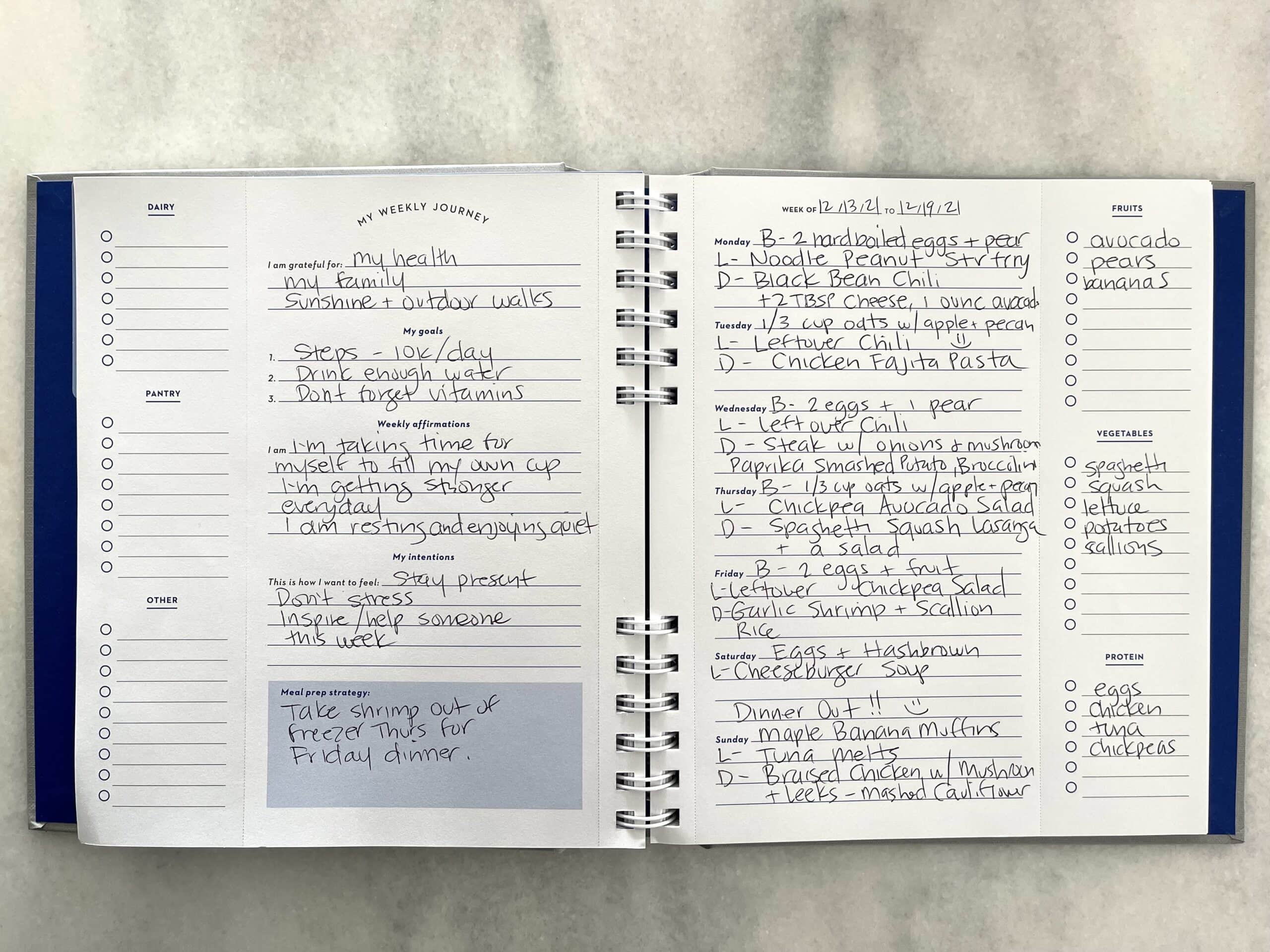
Furthermore, for individuals seeking long-term organizational tools beyond weekly digital posts, the platform continues to promote physical assets such as the Skinnytaste Ultimate Meal Planner. This spiral-bound resource incorporates 52 weekly planning grids, multi-week structured plans, and tear-out grocery lists, reflecting a broader market trend toward tactile, analog organization methods in an increasingly digital world.
Broader Implications and Expert Perspectives
The release of seasonal, budget-conscious meal plans highlights a broader evolution in the wellness and digital media landscape. As consumers become more discerning and financially cautious, content creators in the health and fitness sector are shifting away from prohibitive, elite dietary advice in favor of pragmatic, accessible solutions.
Public health advocates often stress that sustainable weight management is less about severe deprivation and more about systemic habit formation—specifically planning, efficient grocery shopping, and home cooking. By bundling nutritional guidance, calorie tracking, and economic efficiency into a single free resource, programs of this nature democratize healthy living. They prove that nutritious, seasonally appropriate meals can be achieved without exorbitant financial investments or complex culinary skills.
As cooler weather settles in across the country, initiatives like the Skinnytaste fall meal plan offer a timely roadmap for individuals looking to realign their health goals, manage household budgets, and embrace the comforting culinary traditions of the autumn season in a balanced, mindful manner.