Beyond the Spice Rack: Evaluating the Therapeutic Potential of Culinary Herbs and Antioxidants

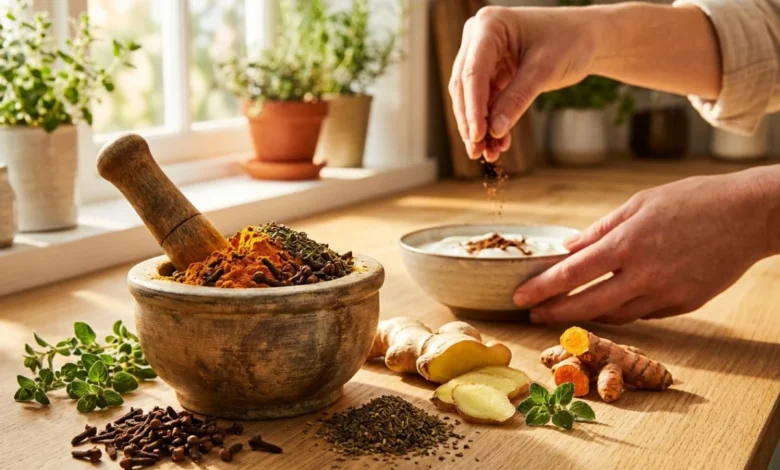
While cinnamon has long held a prominent place in wellness literature as an antioxidant-dense spice, a growing body of scientific inquiry suggests that the secret to a robust "kitchen pharmacy" lies in a much broader spectrum of culinary staples. Recent research published in Frontiers in Nutrition highlights that consistent supplementation with cinnamon is associated with measurable improvements in metabolic markers, including HbA1c, total cholesterol, LDL cholesterol, and blood pressure. However, registered dietitians Seema Shah, Amanda Crowe, and Jennifer Bianchini emphasize that cinnamon is merely one component of a larger category of herbs and spices—including cloves, ginger, oregano, and turmeric—that offer profound physiological benefits.
The Science of Antioxidant Capacity and Physiological Utility
The historical focus on the Oxygen Radical Absorbance Capacity (ORAC) database, established by the U.S. Department of Agriculture (USDA), provided a laboratory-based framework for quantifying the antioxidant potential of foods. For years, this metric served as the gold standard for consumers looking to identify "superfoods." However, experts now suggest that while ORAC scores for ingredients like cloves and cinnamon are impressive, they provide a limited snapshot of human health.
The primary function of antioxidants is to neutralize free radicals—unstable molecules that, when left unchecked, contribute to oxidative stress, immune system compromise, and the progression of chronic disease. On a per-gram fresh-weight basis, herbs consistently outperform fruits and vegetables in antioxidant density. Yet, as Seema Shah notes, the laboratory environment of an ORAC test fails to replicate the complexities of human digestion, absorption, and bioavailability. The transition from a laboratory test tube to the human bloodstream involves metabolic processes that can significantly alter the efficacy of these compounds.
Chronology of Botanical Research
The integration of these spices into health regimens is not a modern trend but a return to ancestral practices. Ancient Egyptian, Asian, Greek, and Roman civilizations utilized these plants as both medicinal agents and food preservatives, recognizing early on that the bioactive compounds—antibacterial, antifungal, and antiviral in nature—could sustain health.
The scientific validation of these historical claims has accelerated over the last two decades. In 2005, research in the Journal of Applied Toxicology examined the protective effects of black cumin and cloves against aflatoxicosis in animal models, marking a shift toward understanding how spices might mitigate environmental toxicity. By 2020, research reviews were identifying specific mechanisms by which spices like ginger influence anti-inflammatory cytokines, essentially signaling the body to reduce systemic inflammation.
Profiles in Potency: Cloves, Ginger, Oregano, and Turmeric
The culinary landscape is home to several powerhouses that warrant closer examination for their specific bioactive profiles.
The Potency of Cloves
Cloves often surpass cinnamon in ORAC rankings, largely due to their high concentration of eugenol, flavonoids, and gallic acid. Recent 2025 studies indicate that clove pod antioxidants may be effective even at lower dosages. While highly beneficial, dietitians warn that cloves possess a potency that requires caution; Seema Shah advises that consuming more than one-fourth of a teaspoon of ground cloves can potentially tax the liver. The recommendation is to use them as a concentrated flavor enhancement in yogurt, oatmeal, or simmered beverages rather than as a bulk supplement.
The Ginger Paradigm
Ginger serves as a dual-action agent. When fresh, it provides unique aromatic compounds; when dried, its primary bioactive, gingerol, converts to shogaols, which are linked to anti-tumor and anti-inflammatory properties. Beyond systemic inflammation, recent studies published in Nutrients suggest that ginger plays a role in gut health by fostering a diverse and beneficial microbiome. Jennifer Bianchini points out that while ginger is generally safe in standard culinary amounts, those using concentrated extracts should be wary of potential interactions with prescription medications.
Oregano and Immune Resilience
Ranking highly in antioxidant capacity, oregano is rich in carvacrol and thymol. These compounds are frequently studied for their antimicrobial and antifungal properties. The utility of oregano extends to the gut, where it aids in balancing the microbiome. However, oregano oil is significantly more potent than the dried leaf, leading experts to recommend that such supplements be used only under strict medical supervision and for short durations to avoid disrupting the body’s natural bacterial balance.
The Turmeric-Curcumin Complex
Turmeric has emerged as perhaps the most studied spice in modern integrative medicine. Its active constituent, curcumin, is renowned for its ability to modulate inflammation pathways. Research, including a 2007 study in the Journal of Cellular Biochemistry, has explored curcumin’s potential in preventing muscle mass loss. Despite its promise, curcumin faces a significant hurdle: poor bioavailability. To effectively harness its benefits, it is standard practice to consume turmeric alongside black pepper and healthy fats, which facilitate better absorption in the gut.
Implications for Modern Nutrition
The "Kitchen Pharmacy" concept advocated by integrative practitioners shifts the focus from supplement dependency to culinary integration. The modern medical consensus, supported by literature such as Sarah Brewer’s work on nutritional protection against coronary heart disease, suggests that the lack of dietary antioxidants is a primary driver of modern lifestyle-related illnesses.
By incorporating these spices into daily meals, individuals can support their immune systems with a consistent intake of phytonutrients, zinc, selenium, iron, and essential vitamins. This approach serves a dual purpose: it improves the palatability of nutrient-dense meals while providing a steady, manageable dose of anti-inflammatory compounds.
Expert Guidance and Safety Precautions
A critical takeaway from the current body of dietetic advice is the distinction between "culinary use" and "therapeutic supplementation." Experts Amanda Crowe, Seema Shah, and Jennifer Bianchini uniformly caution against the unchecked use of concentrated oils and high-dose spice extracts. These products can possess pharmacological potency capable of interfering with blood thinners, taxing metabolic organs like the liver, or causing digestive distress.
The overarching recommendation is one of moderation and mindfulness. Instead of relying on concentrated pills, consumers are encouraged to use spices as they were intended: as integral components of a whole-food diet. Integrating a pinch of turmeric into a soup, adding a dusting of cloves to oatmeal, or using fresh ginger in tea offers a safer, more sustainable method for reaping the anti-inflammatory and antioxidant rewards of these botanical agents.
Conclusion
The scientific narrative surrounding spices has shifted from simple curiosity to robust medical interest. While laboratory measures like ORAC provide a foundation, the true value of these spices lies in their ability to work synergistically within the human body to fight oxidative stress and support metabolic function. As we move forward, the integration of these "hidden health secrets" into our daily routines promises to be a vital strategy for long-term health, provided that we prioritize the culinary application of these plants over the risks associated with excessive, unmonitored supplementation. Through informed dietary choices and a respect for the potency of natural compounds, the average kitchen can indeed function as an essential pharmacy for modern health.