The culinary landscape of home-cooked weeknight dinners continues to evolve as busy households seek efficient, wholesome, and culturally diverse meal options. Among the enduring favorites in modern home cooking is a deeply spiced, aromatic chicken curry that pairs tender poultry and hearty root vegetables within a rich coconut and tomato-based sauce. Long before the widespread digital sharing of home-cooking techniques transformed the culinary blogging industry, foundational recipes like this one were passed quietly through personal networks, gradually cementing their place in contemporary domestic kitchens.

Main Facts and Origins of the Recipe
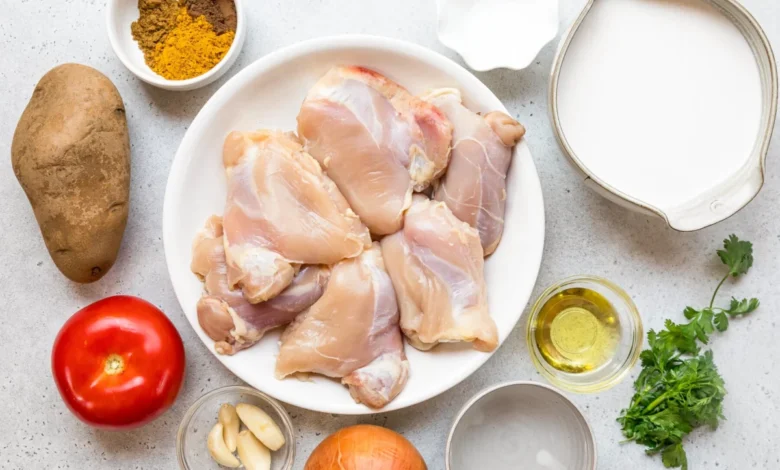
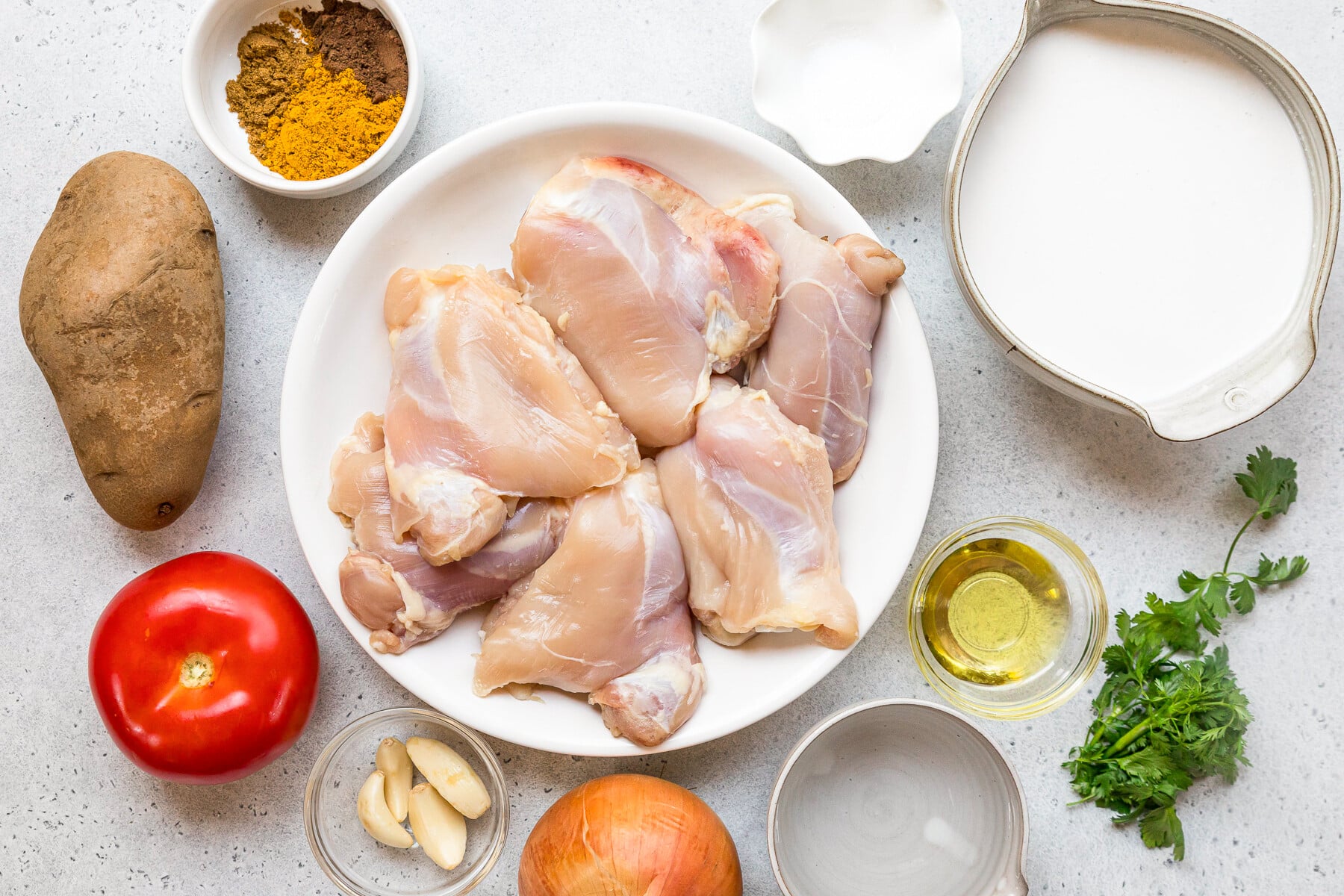
The featured dish centers on a straightforward yet deeply flavorful one-pan cooking method, utilizing bone-in chicken thighs, potatoes, tomatoes, and a robust blend of warm spices such as curry powder, garam masala, and cumin. Culinary historians and food anthropologists note that the integration of Indian-inspired spice profiles into Western home cooking accelerated significantly in the late 20th century, driven by increased global migration and a growing appetite for complex flavor profiles.
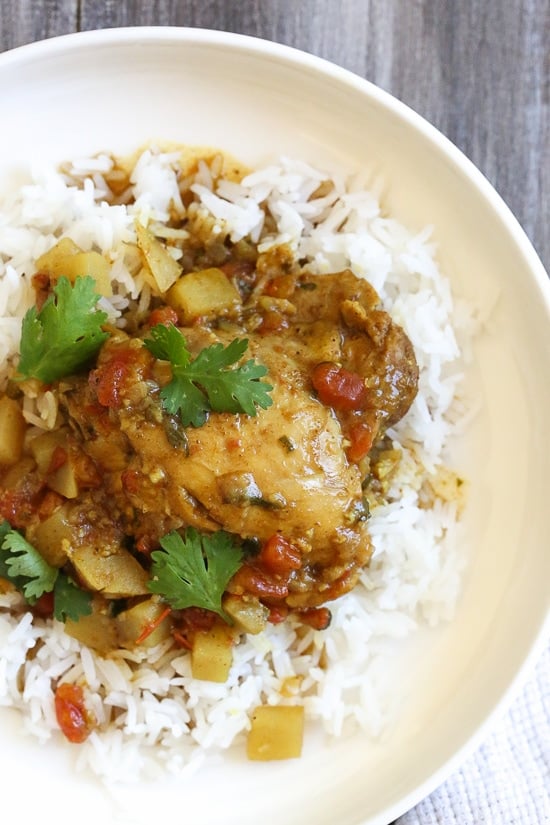
In this specific iteration, the choice of bone-in chicken thighs over lean white meat is a deliberate culinary decision. Dark meat contains higher levels of natural fats and collagen, which render down during the simmering process to enhance the overall viscosity and depth of the sauce. Paired with starchy potatoes that absorb the seasoned liquids, the dish achieves a balance of macronutrients and comforting textures that have made it a staple across various households for well over a decade.
Chronology of Culinary Evolution

The trajectory of home-cooking recipe development follows a distinct timeline over the past twenty years, transitioning from physical recipe boxes and word-of-mouth exchanges to digital platforms and search engine optimization.
In the early 2000s, before the widespread commercialization of food blogs and social media recipe sharing, foundational dishes were predominantly learned through personal instruction—a dynamic reflected in the origins of this particular curry, which was taught to its creator by a friend years prior to launching a broader culinary platform. By the late 2000s, early food websites began digitizing these traditional methods, providing step-by-step instructions and standardized measurements to a wider audience. Over the subsequent decade, the focus shifted toward nutritional transparency and dietary customization, prompting recipe developers to adapt traditional comfort foods into lighter, more approachable formats—such as utilizing lower-fat coconut milk or alternative cooking vessels like pressure cookers to reduce preparation time without sacrificing flavor integrity.

Supporting Data and Nutritional Metrics
Nutritional analysis of modern weeknight dinners underscores a growing consumer demand for high-protein, portion-controlled meals that do not compromise on taste. Standardized nutritional data for this specific chicken curry preparation indicates a balanced profile well-suited for health-conscious demographics.
A standard single serving—defined as one chicken thigh accompanied by potatoes and sauce—averages approximately 213 kilocalories. The dish delivers a robust macronutrient breakdown, featuring roughly 24 grams of protein to support muscle maintenance, paired with 12 grams of carbohydrates primarily sourced from the nutrient-dense potatoes. Total fat content is kept to a moderate 7 grams, with a minimal 1.5 grams of saturated fat, largely owing to measured quantities of coconut milk. Furthermore, the meal provides essential micronutrients and dietary fiber, aligning with contemporary dietary guidelines that advocate for whole-food ingredients over highly processed convenience meals. Preparation and cooking timelines are optimized for modern lifestyles, requiring an estimated 15 minutes of active preparation followed by roughly 42 minutes of passive simmering or pressure cooking, bringing the total time investment to under an hour.
Expert Commentary and Culinary Perspectives

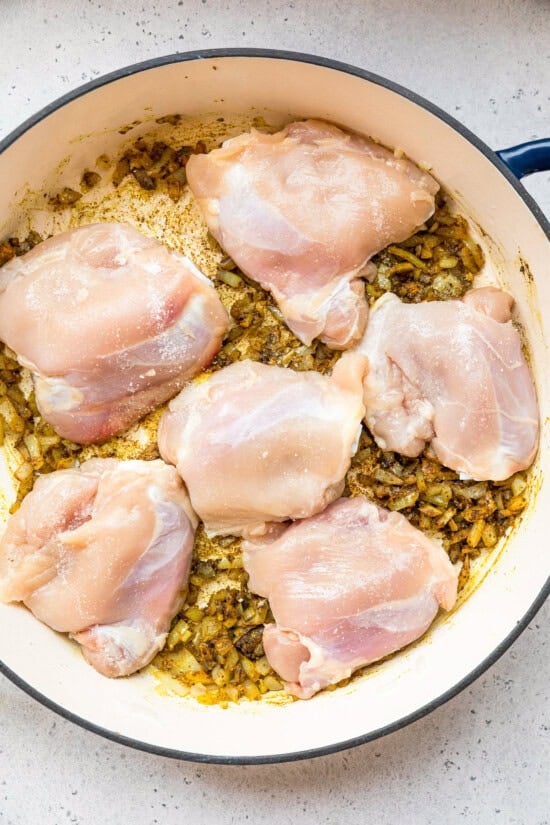
Food scientists and professional chefs frequently emphasize the importance of flavor-building techniques in spice-heavy dishes. According to culinary analysts, the process of blooming spices—sautéeing aromatics like garlic and onions alongside dry spices in fat—is a critical chemical step that releases fat-soluble flavor compounds trapped within the ground spices, resulting in a significantly more complex and cohesive final sauce.
Nutritionists also point out that utilizing whole spices and natural aromatics rather than heavily processed pre-made sauces allows consumers to maintain strict control over sodium and additive intake. With a measured sodium content of roughly 392 milligrams per serving, home-cooked variations of traditional curries offer a heart-healthy alternative to commercial restaurant takeout or frozen convenience foods, which often rely on high sodium concentrations for preservation and flavor enhancement.
Broader Impact and Market Implications
The enduring popularity of adaptable chicken curry recipes reflects broader macroeconomic and cultural trends within the global food sector. As inflation and changing lifestyle demands drive consumers to cook more meals at home, recipes that rely on pantry staples—such as canned tomatoes, dried spices, and root vegetables—combined with affordable cuts of meat like chicken thighs, have seen a surge in domestic utility.

Moreover, the fusion of traditional South Asian spice profiles with accessible, everyday ingredients highlights the ongoing globalization of home cooking. Food media platforms report consistent, high consumer engagement with curry-based recipes, indicating that home cooks are increasingly confident in experimenting with bold flavors. As culinary creators continue to publish variations suited for modern appliances—such as multi-cookers and air fryers—the foundational techniques of traditional comfort food will continue to adapt, securing their relevance for future generations of home cooks.