A new FDA-cleared pulse oximetry system features multiple sensor options to suit various clinical environments.

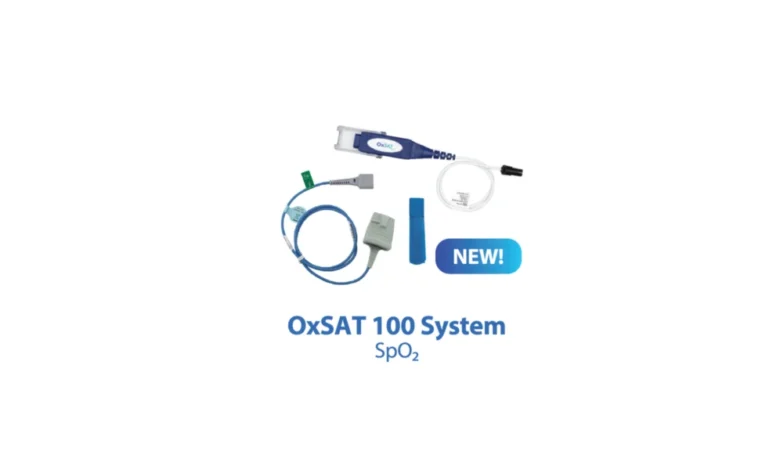
The medical technology landscape for sleep diagnostics has received a significant update with the official launch of the OxSAT 100 System by SLP, a division of SleepSense. This new pulse oximetry solution, which has secured clearance from the United States Food and Drug Administration (FDA), aims to address the critical need for precise, versatile, and reliable oxygen saturation (SpO2) monitoring in both clinical and home-based sleep study environments. As sleep disorders continue to rise in prevalence globally, the introduction of modular diagnostic tools represents a strategic shift toward standardizing data collection across diverse diagnostic platforms.
Chronology and Development of the OxSAT 100
The development of the OxSAT 100 follows a rigorous regulatory pathway necessitated by the stringent requirements for medical-grade monitoring equipment. Pulse oximetry, which relies on the differential absorption of light by oxygenated and deoxygenated hemoglobin, requires high levels of precision to ensure that diagnostic data—used to determine the severity of conditions like obstructive sleep apnea (OSA)—is actionable.
Initial deployment of the system has prioritized compatibility with two of the most widely used platforms in the industry: the Philips Alice 6 and the ResMed ApneaLink Air. By aligning the OxSAT 100 with these established legacy systems, SLP is providing sleep laboratories and home-testing providers with a seamless integration path that does not require an immediate overhaul of their existing diagnostic hardware. The roadmap for the system is already expanding, with a version tailored for the Philips Alice NightOne expected to be released in the coming months. This phased rollout reflects a deliberate strategy to support the installed base of diagnostic equipment currently in operation at thousands of sleep clinics across the United States.
Technical Specifications and Versatility
At its core, the OxSAT 100 Patient Oximeter Module is engineered to provide high-fidelity SpO2 data, which is fundamental to calculating the Apnea-Hypopnea Index (AHI)—the primary metric used to diagnose and grade sleep apnea. The efficacy of the system is bolstered by its compatibility with three distinct sensor types, designed to meet the unique demands of various patient populations and clinical settings:
- Disposable Wrap SpO2 Sensors: Ideal for high-turnover clinical environments or patients who require single-use equipment for hygiene purposes, these sensors ensure consistent signal quality while reducing the labor-intensive sterilization process.
- Reusable Soft Tip SpO2 Sensors: Designed for durability and patient comfort during extended overnight studies, these sensors offer a sustainable option for sleep labs aiming to minimize medical waste.
- Y Sensor System: This specialized configuration offers clinicians the flexibility to use a single sensor type across a broader range of patient demographics, optimizing inventory management and ensuring that specialized monitoring requirements can be met without the need for multiple proprietary sensor types.
Supporting Data and the Clinical Necessity of Oximetry
The clinical demand for accurate pulse oximetry is underscored by the high prevalence of sleep-disordered breathing. According to data from the American Academy of Sleep Medicine (AASM), approximately 25 million adults in the United States suffer from obstructive sleep apnea. Because OSA is frequently underdiagnosed, the accuracy of diagnostic tools is paramount.
Pulse oximetry serves as a primary marker for intermittent hypoxia—a condition where blood oxygen levels drop repeatedly during sleep. The OxSAT 100’s ability to capture these fluctuations with high sensitivity is crucial for preventing false negatives in sleep studies. Research indicates that the accuracy of SpO2 monitoring can significantly influence the classification of OSA severity; therefore, the FDA clearance of the OxSAT 100 acts as an assurance of clinical reliability for practitioners who must rely on these data points to recommend life-altering treatments, such as Continuous Positive Airway Pressure (CPAP) therapy.
Industry Perspective and Official Commentary
The strategic direction of the OxSAT 100 is rooted in a focus on "clinical continuity." Sarah Paddock, director of sales and marketing at SLP Inc, emphasized that the system’s design philosophy is centered on supporting the existing infrastructure of sleep labs rather than forcing disruption.
"SLP is proud to introduce the OxSAT 100 System, a new FDA-cleared pulse oximetry solution from SleepSense," Paddock stated in a recent correspondence. "We began with versions compatible with Alice 6 and ApneaLink Air to support the many labs that continue to rely on these systems. SLP will continue to enhance and expand this technology with additional versions for several other sleep diagnostic systems, providing sleep labs with more options to meet their evolving needs."
This commentary highlights a broader trend in the medical device sector: the move toward interoperability. By providing a universal module that bridges the gap between different manufacturers’ diagnostic platforms, SLP is effectively lowering the barrier for labs to maintain high standards of patient care while managing the rising costs of equipment maintenance and replacement.
Implications for Sleep Diagnostics and Future Trends
The introduction of the OxSAT 100 has several implications for the future of sleep diagnostics. Firstly, it signals a move toward modularity. As diagnostic hardware continues to evolve toward smaller, more portable home-sleep testing (HST) devices, the sensors that feed these systems must become equally adaptable. The OxSAT 100’s multi-sensor approach allows practitioners to select the best interface for the patient—whether it is a child in a pediatric sleep lab or an elderly patient in a home-based study—without compromising the data integrity of the underlying module.
Secondly, the regulatory environment is becoming increasingly focused on the "end-to-end" accuracy of diagnostic data. FDA clearance is no longer just about the device itself, but about how it interfaces with the software used to analyze results. By securing clearance for the OxSAT 100, SLP has validated the entire ecosystem of data capture, from the sensor on the patient’s finger to the final report generated by the Alice or ApneaLink platforms.
Finally, the economic impact on sleep laboratories cannot be understated. Many facilities are currently navigating a challenging environment marked by labor shortages and rising supply costs. A system that offers multiple sensor choices allows for more precise budgeting. Labs can choose between disposable sensors for efficiency and reusable sensors for cost-savings, effectively allowing them to customize their operational budget based on their specific patient volume and workflow requirements.
Conclusion: A Foundation for Continued Innovation
As the field of sleep medicine moves further toward personalized care, the diagnostic tools that provide the initial data must be both robust and flexible. The OxSAT 100 System represents a significant step in this direction, offering a reliable, FDA-cleared solution that respects the legacy of existing diagnostic platforms while providing the modularity required for modern clinical practices.
With the expected expansion of compatibility to include the Philips Alice NightOne and potentially other platforms in the future, the OxSAT 100 is positioned to become a standard component in the diagnostic toolkit for sleep professionals. By focusing on the intersection of technical precision and clinical utility, SLP has provided a bridge between the complex needs of modern sleep diagnostics and the practical requirements of the laboratories tasked with treating the millions of patients currently suffering from sleep-related disorders. As this technology matures, its impact will likely be seen in the improved efficiency of sleep centers and, ultimately, in the quality of care provided to patients seeking answers for their sleep health.