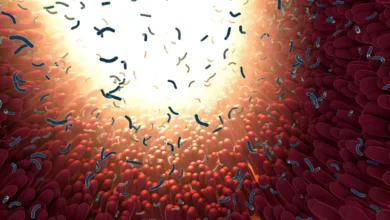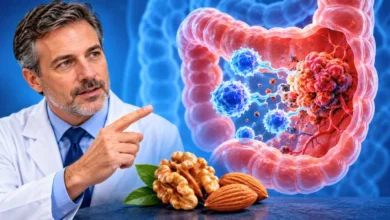
Millions of individuals worldwide suffer from the debilitating, chronic discomfort of inflammatory bowel disease (IBD), a spectrum of conditions that includes Crohn’s disease and ulcerative colitis. Characterized by persistent, often severe inflammation and progressive damage to the delicate intestinal lining, IBD manifests as a relentless cycle of flare-ups, abdominal pain, and long-term systemic complications. Under normal physiological conditions, a healthy gastrointestinal tract functions as a sophisticated, selective barrier. It meticulously permits vital nutrients from ingested food to pass smoothly into the bloodstream while aggressively preventing harmful gut bacteria, luminal antigens, and toxins from escaping the intestines and provoking systemic immune reactions. In patients diagnosed with IBD, however, this crucial protective barrier undergoes progressive structural breakdown, paving the way for chronic inflammation and severe tissue destruction.
Now, a team of pioneering researchers at the University of Louisville has identified a promising mechanism by which a naturally produced microbial compound derived from everyday foods can help safeguard the intestine. This breakthrough discovery not only illuminates the complex biochemical dialogue between human biology, diet, and the gut microbiome, but it also lays a solid scientific foundation for the design of entirely new, precision-targeted treatment approaches for inflammatory bowel disease and related gastrointestinal disorders.
The research was spearheaded by Dr. Venkatakrishna Rao Jala, an associate professor in the Department of Microbiology and Immunology and a dedicated investigator at UofL’s Brown Cancer Center. Dr. Jala’s team focused their scientific inquiry on urolithin A, commonly referred to as UroA. This bioactive substance is a naturally occurring microbial metabolite generated when the human gut microbiome digests specific polyphenols found abundantly in everyday foods, most notably pomegranates, walnuts, and various berries.
According to the findings published in the esteemed scientific journal Nature Communications, UroA acts as a potent biochemical key that unlocks a protective pathway within the intestine, actively helping to maintain structural integrity and overall gut health. This latest investigation builds directly upon earlier foundational work led by Dr. Jala, who previously identified the general beneficial impacts of UroA within the gastrointestinal tract. This new study significantly advances the field by detailing the precise molecular choreography through which UroA interacts with the human immune and cellular systems to defend against tissue injury.
Decoding the Aryl Hydrocarbon Receptor and Environmental Signaling
At the core of the University of Louisville study is the aryl hydrocarbon receptor, widely known as AHR. This specialized intracellular protein functions essentially as a biological sensor, constantly monitoring and responding to environmental signals, dietary inputs, and microbial metabolites generated within the gut lumen.
For many years, the scientific and medical communities maintained a dualistic view of AHR. Researchers had long documented that when AHR is activated by certain environmental toxins—such as dioxins or industrial pollutants—it triggers pathological cascades that contribute to severe toxicity, inflammation, and cellular damage. Conversely, running parallel to these concerning discoveries, a body of accumulating research suggested that various beneficial dietary compounds could also engage the exact same receptor in ways that appeared to support mucosal immunity and intestinal tissue health. Until this recent study by the UofL team, however, the fundamental reasons behind these diametrically opposed outcomes remained poorly understood.
The new investigation reveals that the ultimate biological consequence of AHR activation is not monolithic; rather, it is dictated by two critical variables: the precise anatomical location within the tissue where the activation occurs, and the biochemical strength of that activation.
Reprogramming Inflammatory Systems for Cellular Defense
To understand how a receptor historically linked to toxic inflammation could instead mediate tissue protection, the University of Louisville researchers examined the cellular topography of the gut. They discovered that UroA selectively and deliberately activates AHR specifically within intestinal epithelial cells. These highly specialized cells form the continuous, single-layer physical barrier that lines the interior of the gastrointestinal tract, acting as the front-line defense against luminal threats.
When AHR is engaged within these specific epithelial cells by UroA, it sparks the activation of a specialized intracellular multi-protein complex known as the NLRP6 inflammasome. In classical immunology, inflammasomes are frequently viewed with suspicion, as they are often implicated in driving destructive inflammatory responses during infections and autoimmune diseases. However, the UofL researchers demonstrated that under precisely regulated physiological conditions and within specific cell populations, this inflammasome framework can shift from a destructive force to a profoundly protective one.
Upon activation by UroA, the NLRP6 inflammasome in intestinal epithelial cells prompts the controlled, balanced release of specific signaling molecules essential for normal mucosal function. Rather than inciting a runaway inflammatory cascade, these molecules actively accelerate the repair of the wounded gut lining, reinforce the intercellular tight junctions of the intestinal barrier, enhance the secretion of protective mucosal layers, and bolster local antimicrobial defenses.
Sweta Ghosh, who served as a postdoctoral researcher in Dr. Jala’s laboratory and acted as the lead investigator on the study, emphasized the paradigm-shifting nature of these observations. "The findings show that not all inflammatory pathways are harmful," Ghosh explained. "Under the right conditions and in the right cells, these pathways can play an essential role in maintaining gut health and supporting tissue repair."
This study marks a significant milestone as the first to demonstrate precisely how a natural metabolic product generated by gut microbes collaborates with the body’s intrinsic physiological response systems to orchestrate complex molecular processes during episodes of intestinal injury. By harmonizing this interaction, the body can successfully preserve gut homeostasis and significantly limit collateral tissue damage.
Rigorous Methodology and Human Tissue Validation
To ensure the robustness and translational validity of their mechanistic discoveries, the research team employed a multifaceted experimental design. Their investigation transcended basic in vitro cell cultures, expanding into advanced organoid models—miniature, three-dimensional in vitro representations of human intestinal tissue that mimic the complex architecture and functionality of the gut.
Crucially, the researchers did not limit their testing to laboratory models. They also analyzed primary intestinal tissue samples harvested from human patients diagnosed with inflammatory bowel disease. The results were striking: when human IBD tissues were exposed to UroA, the compound consistently activated the exact same protective biochemical pathway observed across their cell and organoid models. This critical validation bridges the gap between basic bench science and potential clinical application, suggesting that the mechanisms uncovered in rodent and cellular models are directly relevant to human pathology.
Broad Implications for Future IBD Therapies
The implications of this research extend far beyond the current understanding of nutritional science, offering a fresh perspective on the pharmacological management of chronic gastrointestinal diseases.
Currently, conventional medical treatments for inflammatory bowel disease rely heavily on broad immunosuppressive drugs, biologic agents, and systemic anti-inflammatory medications. While these therapies can be life-changing for many patients, they frequently carry significant side effects, including an increased susceptibility to opportunistic infections and malignancies, due to their indiscriminate dampening of the entire immune system. Furthermore, many patients eventually develop resistance to these systemic treatments, leaving clinicians with limited therapeutic alternatives.
The findings generated by the University of Louisville team raise the exciting possibility that future therapeutic strategies for IBD and related gastrointestinal disorders could pivot toward a more refined, precision-medicine approach. Instead of deploying broad systemic immunosuppression, future drugs could be engineered to target specific protective biochemical pathways within discrete cell populations—mirroring the precise, localized action of UroA on intestinal epithelial cells.
"This study helps us better understand how natural compounds produced through interactions between diet, gut microbes and the body can influence disease processes," Dr. Jala noted. "By identifying this specific protective pathway, we may be able to develop more targeted therapeutic approaches that restore intestinal balance instead of broadly suppressing immune responses."
Contextualizing the Evolution of Gut Health Research
The publication of these findings in Nature Communications arrives at a time of surging global interest in the human microbiome. Over the past decade, scientific consensus has steadily shifted away from viewing gut bacteria as mere passive inhabitants of the digestive tract, recognizing them instead as active metabolic organs that produce thousands of distinct small molecules capable of modulating human physiology, metabolism, and immunity.
While lifestyle advice regarding the consumption of fiber-rich diets, pomegranates, walnuts, and berries has long been a staple of preventative nutritional medicine, studies like the one conducted at UofL elevate these dietary recommendations from empirical observations to molecular certainties. By mapping out the exact receptor interactions and downstream signaling cascades—from AHR activation to NLRP6 inflammasome modulation—researchers are decoding the biochemical language of food.
As the scientific community continues to digest these insights, the path forward will likely involve translating these discoveries into clinical trials. Researchers hope to evaluate whether concentrated, bioavailable formulations of urolithin A, or synthetic analogs designed to mimic its precise activation pattern, can safely and effectively induce or maintain clinical remission in patients suffering from Crohn’s disease and ulcerative colitis.
While much work remains before these bench discoveries transform into standard clinical care, the University of Louisville study provides a compelling roadmap. By demonstrating how nature’s own microbial metabolites can be harnessed to mend a compromised gut lining, this research heralds a new era of targeted, mechanistic interventions for millions of individuals burdened by inflammatory bowel disease.