The Evolution of the Caesar Salad and the Taco Fusion
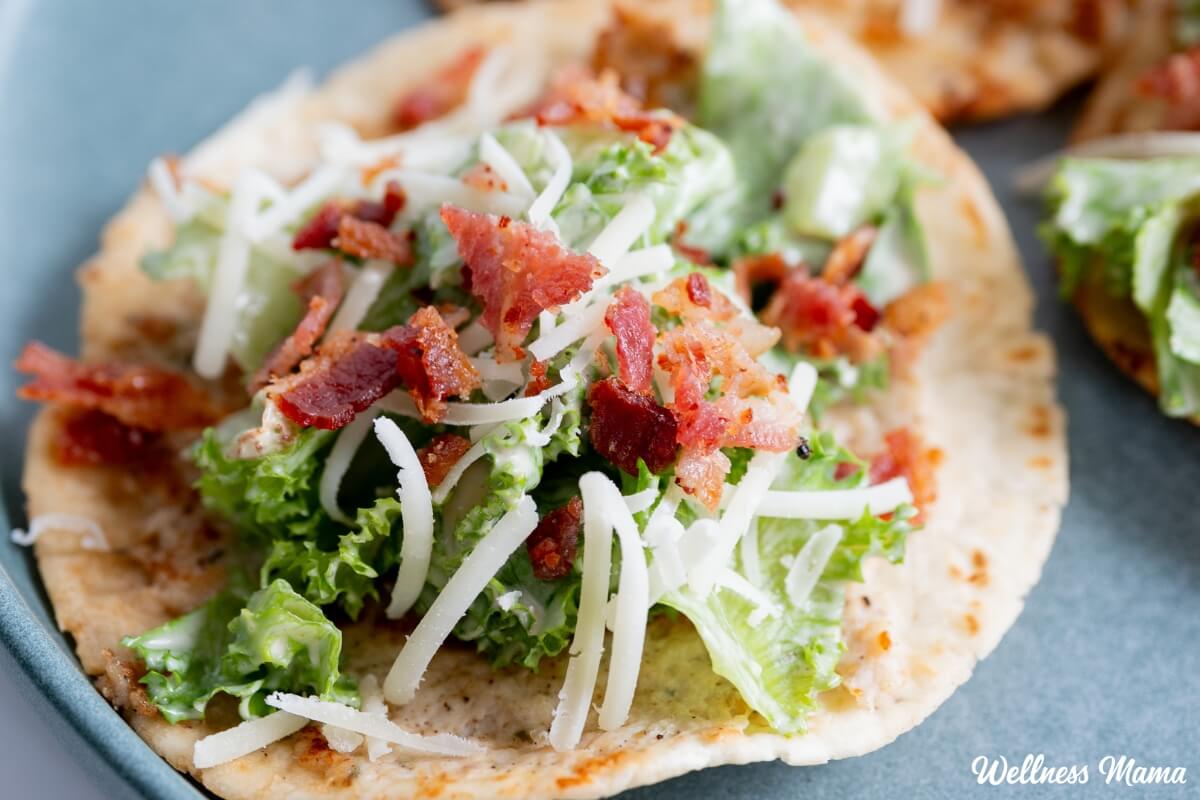
The Caesar salad, famously attributed to restaurateur Caesar Cardini in Tijuana, Mexico, in 1924, has long been a staple of North American cuisine. Its essential components—romaine lettuce, croutons, parmesan cheese, and a dressing historically characterized by garlic, anchovies, Worcestershire sauce, and lemon—are now being dismantled and repurposed. The "smash" technique, popularized by the burger industry where ground meat is pressed onto a hot surface to maximize the Maillard reaction, is now being applied to chicken, providing a crispy, texture-heavy base that serves as a bridge between the savory, umami-rich notes of a Caesar dressing and the handheld convenience of a tortilla.
This innovation is not merely a novelty; it is a response to the growing consumer preference for "functional food"—dishes that provide macronutrient balance, specifically targeting high protein and healthy fats, without sacrificing the sensory experience of traditional comfort food.
Culinary Composition and Nutritional Profiles
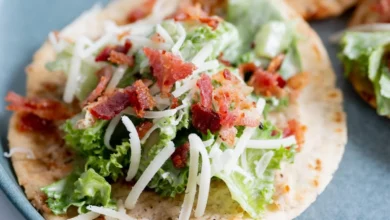
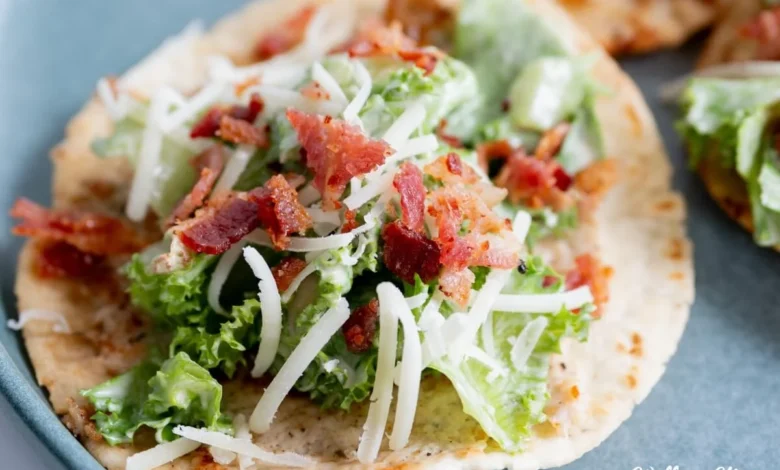
The technical preparation of Smash Chicken Caesar Tacos involves a precise assembly process. The protein component, typically ground or finely minced chicken, is seasoned with a proprietary blend of Italian herbs, lemon pepper, garlic, and onion powder. This mixture is pressed thin onto a tortilla shell—ranging from traditional organic flour to gluten-free alternatives like almond or cassava flour—before being cooked until the meat reaches a state of golden-brown crispness.
From a nutritional standpoint, these tacos offer a robust profile. Data suggests that a single serving provides approximately 19 grams of protein, 36 grams of fat, and 20 grams of carbohydrates. With 475 calories per serving, the dish is categorized as a dense, satiating meal. The high fat content is largely derived from the inclusion of avocado oil-based mayonnaise or traditional egg-based emulsions used in the Caesar dressing, while the micronutrient profile is bolstered by the addition of fresh romaine, parmesan cheese, and citrus-forward seasonings.
The Role of Umami in Modern Flavor Trends
The success of this fusion dish rests heavily on the chemistry of the Caesar dressing. The inclusion of anchovy paste and Worcestershire sauce provides the necessary glutamates that trigger a strong umami response. By combining these fermented, high-umami ingredients with the high-heat cooking method of the "smashed" chicken, the dish creates a complex palate experience.
Culinary analysts note that the popularity of such recipes signals a shift away from traditional salad-based consumption. Consumers are increasingly seeking ways to incorporate the health benefits of leafy greens and high-quality fats into meals that feel substantial. By transforming the Caesar salad into a taco, the vegetable component becomes an integrated element rather than a side dish, which is a strategic shift for parents and meal-planners aiming to increase nutrient density in family-style dining.
Meal Prep and Commercial Implications
The rise of "smash" cooking has also influenced the meal preparation sector. Because the chicken and dressing components can be prepared independently, the dish is highly amenable to batch cooking. Industry experts observe that home cooks are increasingly prioritizing recipes that allow for the "decoupling" of components; the dressing, when allowed to rest in a refrigerated environment, benefits from the maturation of its herb and garlic profile, while the chicken mixture can be pre-seasoned and stored for rapid assembly.
This trend has implications for the grocery retail market as well. The increased demand for high-quality, pre-made pantry staples—such as avocado oil mayonnaise and specific flour alternatives—demonstrates how a singular recipe trend can drive consumer purchasing habits toward healthier, cleaner-label ingredients. Retailers like Thrive Market and specialized natural food brands have capitalized on this by aligning their inventory with the requirements of these "elevated" home-cooked meals.
Broader Impact on Home Cooking Standards
The widespread adoption of fusion dishes like Smash Chicken Caesar Tacos reflects a move toward more democratic culinary innovation. Where professional chefs once dictated trends in fine-dining establishments, the current landscape is dominated by decentralized culinary evolution occurring in home kitchens. The ability to share techniques, such as the "smash" method, via digital platforms allows for rapid iteration and refinement of recipes based on crowd-sourced feedback.
Furthermore, the emphasis on "protein-first" meals is a direct reflection of current health guidelines that prioritize sustained energy and muscle maintenance. By ensuring that each taco contains a significant amount of lean protein (19g) while maintaining a controlled glycemic load (20g carbohydrates), this dish satisfies both the palate and the body’s physiological requirements.
Technical Challenges and Best Practices
Despite the simplicity of the assembly, achieving the desired texture requires attention to detail. The moisture content of the chicken mixture is critical; if the mixture is too wet, it fails to achieve the "smash" crispness required for the structural integrity of the taco. Similarly, the choice of tortilla is paramount. Flour tortillas provide the necessary elasticity to withstand the high-heat searing process, whereas gluten-free variants require careful temperature management to prevent breakage.
The dressing is the final differentiator. The move toward using yogurt in addition to mayonnaise in the base, as seen in recent iterations, indicates a desire to increase probiotic content and reduce the overall caloric density compared to traditional, egg-only emulsions. This adaptation shows that the dish is constantly evolving to meet the evolving definitions of "healthy" in the modern household.
Future Trajectories in Fusion Dining
As the culinary landscape continues to fragment, the success of Smash Chicken Caesar Tacos suggests that future trends will likely focus on "cross-pollination"—taking the core structural benefits of one cultural dish and applying the flavor profile of another. The implications for the food industry are clear: there is a significant, untapped market for recipes that prioritize convenience, high protein, and bold, recognizable flavor profiles.
Whether these tacos will maintain their current level of popularity remains to be seen, but they serve as a perfect case study for the modernization of traditional dishes. By analyzing the components—protein, healthy fats, and greens—and synthesizing them into a format that fits the fast-paced lifestyle of the 21st-century consumer, proponents of this dish have successfully created a template for future fusion experiments.
Conclusion
The Smash Chicken Caesar Taco is more than just a culinary curiosity; it is a manifestation of how traditional flavor profiles can be adapted to serve contemporary nutritional and lifestyle needs. By leveraging the technical benefits of the "smash" method and the sensory satisfaction of the classic Caesar dressing, this dish provides a balanced, protein-rich meal that appeals to a wide demographic. As consumers continue to seek out high-quality, adaptable, and nutrient-dense recipes, the success of such fusion dishes is likely to persist, driving further innovation in both home kitchens and the commercial food industry. The integration of high-quality fats, lean proteins, and fermented, flavor-rich dressings will remain a cornerstone of this trend, proving that even the most unconventional pairings can achieve long-term viability when they align with the fundamental requirements of modern dietary habits.