Navigating the Cognitive and Emotional Transition of Menopause: Understanding the Science Behind Brain Fog and Midlife Health

For millions of women entering their late 40s and early 50s, the experience of menopause is often marked by a profound, inexplicable shift in cognitive function. Frequently described as "brain fog," this phenomenon involves significant difficulty with word retrieval, diminished mental clarity, and persistent fatigue. While long dismissed as a natural, if inconvenient, aspect of aging or even clinical depression, recent medical consensus is shifting. Experts now recognize that the hormonal fluctuations associated with the menopausal transition are a critical factor in a complex web of neurological and physiological changes that impact a woman’s quality of life, professional productivity, and long-term health.
The Clinical Reality of the Menopausal Transition
Menopause, defined as the point at which a woman has gone 12 consecutive months without a menstrual period, is a biological transition rather than a medical pathology. However, the period leading up to this, known as perimenopause, and the years following, can be marked by significant systemic disruption. According to the American College of Obstetricians and Gynecologists (ACOG), approximately 40 percent of women report heightened irritability, mood swings, anxiety, and severe difficulty concentrating during this time.
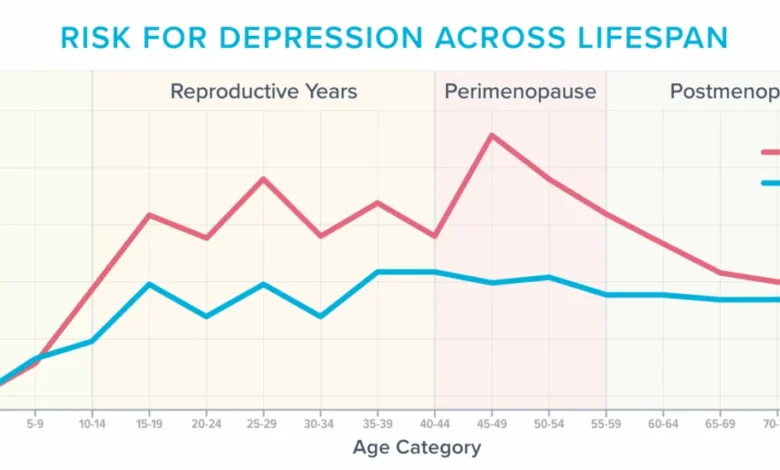
Data from longitudinal health studies indicates that this demographic represents one of the most vulnerable windows for the onset of depression in women, particularly for those with a prior history of mental health challenges. Historically, many women experiencing these symptoms were directed toward antidepressants or sleep aids. In many clinical cases, these interventions proved ineffective or counterproductive, as they failed to address the root cause: the decline of estrogen and progesterone levels and the subsequent impact on the hypothalamus and the body’s thermoregulatory system.
The Anatomy of Vasomotor Symptoms and Brain Health
At the center of many menopausal complications are vasomotor symptoms—specifically hot flashes and night sweats. These are not merely superficial experiences of warmth; they represent significant physiological events. When a hot flash occurs, the body experiences a spike in norepinephrine and cortisol, causing blood vessels to dilate rapidly as the body attempts to shed perceived excess heat.
Recent neuroscientific research has established a concerning correlation between frequent vasomotor symptoms and long-term neurological health. A study involving 226 women utilized magnetic resonance imaging (MRI) to examine the brain’s white matter. Researchers discovered that women who reported a higher frequency of hot flashes showed an increased presence of "white matter hyperintensities"—small, patchy areas in the brain that serve as markers for vascular health. While once dismissed as standard signs of aging, current medical evidence suggests these lesions are predictive of future cognitive decline, potentially doubling the risk of dementia and tripling the risk of stroke.
Furthermore, these symptoms frequently trigger a cycle of sleep fragmentation. Even when a woman does not "wake up" in the traditional sense, the surge of cortisol during a night sweat disrupts deep, restorative sleep cycles. This deprivation directly impacts the hippocampus, the region of the brain responsible for memory consolidation, and the amygdala, which regulates emotional response. Over time, this chronic cycle explains why women in this life stage may feel a loss of cognitive bandwidth that extends well beyond a typical "bad night of sleep."

Barriers to Effective Care and the "Defensive Medicine" Phenomenon
A significant hurdle in managing menopause is the current state of medical education and clinical practice. Surveys indicate that up to 80 percent of medical residents report feeling inadequately prepared to discuss or treat menopausal symptoms. This lack of specialized training often leads to what is colloquially known as "defensive medicine." Clinicians, wary of outdated research from the early 2000s that suggested a blanket risk associated with hormone replacement therapy (HRT), may avoid prescribing necessary treatments to mitigate liability.
However, the medical community’s understanding of Hormone Therapy (HT) has evolved significantly. Modern research, including data analyzed by organizations like the Menopause Society, suggests that for women under the age of 60—or those within 10 years of the onset of menopause—the benefits of hormone therapy often far outweigh the risks. These benefits can include not only the relief of vasomotor symptoms but also the preservation of bone density and a potential reduction in the risk of Alzheimer’s disease.
Developing a Strategic Framework for Midlife Health
For patients and their healthcare providers, the path forward requires a shift toward "shared decision-making." This collaborative approach involves a frank assessment of a patient’s medical history, a clear documentation of symptoms—such as tracking the frequency and intensity of hot flashes—and a thorough discussion of the risk-benefit profile of available treatments.
Beyond medical intervention, lifestyle modifications remain a cornerstone of managing the transition. Emerging research supports several evidence-based strategies to bolster mental and physical resilience:
- Fundamental Health Practices: Consistency in nutrition, physical activity, and social connection remains paramount. The Mediterranean and MIND diets, which emphasize whole grains, lean proteins, and healthy fats, have been shown to support both cardiovascular and cognitive health.
- Strategic Supplementation: Daily doses of creatine monohydrate (5 to 7 grams) have shown promise in countering muscle mass loss and supporting brain function during periods of sleep deprivation.
- Light Exposure: Maintaining a consistent circadian rhythm through morning sunlight exposure can regulate sleep patterns and improve overall mood and alertness.
- Reframing Physical Activity: While exercise is vital, high-intensity training may exacerbate fatigue in women already suffering from chronic sleep loss. Shifting toward moderate, consistent movement, such as zone 2 cardio or restorative yoga, can provide the benefits of activity without triggering an excessive stress response.
- Cognitive Behavioral Therapy (CBT-I): For those suffering from persistent insomnia, CBT-I offers a structured, non-pharmacological approach to retraining the brain for restorative sleep.
The Broader Implications for Women’s Longevity
The conversation surrounding menopause is shifting from one of "managing decline" to "optimizing transition." As women continue to reach the peak of their professional and personal responsibilities during their 40s and 50s, the societal cost of untreated menopausal symptoms—ranging from lost labor productivity to increased long-term healthcare burdens—is immense.
By destigmatizing the transition, improving physician training, and utilizing evidence-based medical interventions alongside lifestyle adjustments, the medical community can better support women through this critical life stage. The goal is not merely to alleviate the "garbage-like" sensation of brain fog, but to ensure that the decades following menopause are characterized by health, clarity, and sustained vitality. As experts continue to map the intersection of hormonal health and neurology, the emphasis remains on advocacy: encouraging women to document their symptoms, demand evidence-based care, and prioritize the fundamental habits that protect both their bodies and their minds.
Related posts: