Kimchi-Derived Lactic Acid Bacterium Discovered to Help Excrete Nanoplastics from Human Intestines, World Institute of Kimchi Reveals

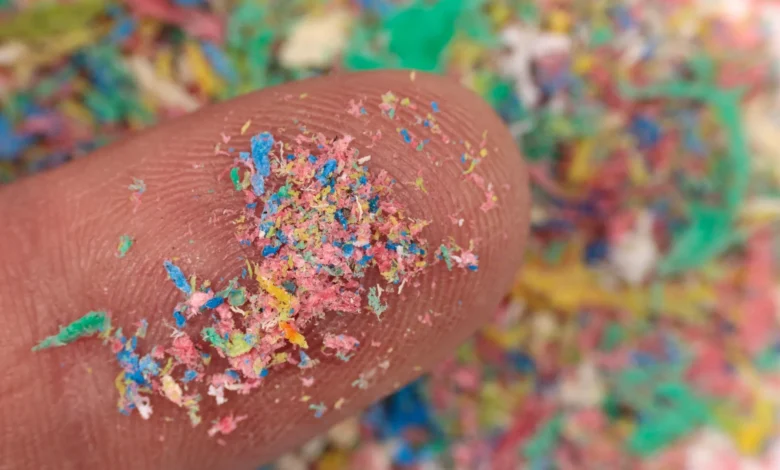
Global concerns surrounding environmental pollution have increasingly shifted toward the microscopic consequences of modern material consumption. While visible plastic waste floating in oceans or accumulating in landfills has dominated environmental discourse for decades, an invisible threat has steadily made its way into the human food chain, water systems, and biological tissues. Nanoplastics—ultrafine plastic fragments resulting from the continuous degradation of larger plastic debris—represent a burgeoning public health crisis. Addressing this microscopic menace, researchers at the World Institute of Kimchi (WiKim), operating under South Korea’s Ministry of Science and ICT, have announced a breakthrough discovery: a specific lactic acid bacterium isolated from traditional kimchi demonstrates a remarkable ability to bind to nanoplastics in the gastrointestinal tract, effectively facilitating their removal from the body.
The announcement, spearheaded by Institute President Hae Choon Chang, bridges the gap between traditional culinary heritage and modern biotechnology. Led by Drs. Se Hee Lee and Tae Woong Whon, the WiKim research team investigated whether probiotic strains commonly found in fermented foods could interact with environmental micropollutants. Their findings offer a novel biological strategy to mitigate the accumulation of nanoplastics within human organs, opening new avenues for nutritional interventions against environmental toxins.
The Invisible Threat of Nanoplastics
To understand the significance of the WiKim discovery, one must examine the pervasive nature of nanoplastics. Defined as plastic particles measuring less than 1 micrometer—or one-thousandth of a millimeter—nanoplastics are generated through the weathering, mechanical fragmentation, and photodegradation of macro- and microplastics in nature. Because of their infinitesimal size, these particles bypass standard water filtration systems and easily infiltrate agricultural soils and aquatic ecosystems, eventually contaminating food sources such as seafood, agricultural produce, and bottled water.
When ingested, particles of this magnitude possess physicochemical properties that allow them to cross the delicate intestinal epithelial barrier. Once translocated across the gut wall, nanoplastics enter the circulatory and lymphatic systems, enabling them to travel to and accumulate within vital internal organs, including the liver, kidneys, and even the brain. Scientific studies have increasingly linked such accumulation to cellular toxicity, oxidative stress, and inflammatory responses.
Despite the growing urgency surrounding human exposure to nanoplastics, biological and medical strategies designed to reduce their retention and accumulation within the gastrointestinal tract have remained sparse. Most preventative measures focus entirely on reducing external exposure rather than internal clearance, leaving a critical gap in protective healthcare.
Chronology of the Discovery: From Isolation to Animal Testing
The journey toward this landmark discovery began with systematic screening programs at the World Institute of Kimchi, aimed at cataloging the functional properties of indigenous microbial strains. Over recent years, WiKim researchers have focused not only on the traditional fermentation and flavor-enhancing traits of kimchi microbiota but also on their potential health-promoting and therapeutic applications.
Initial phases of the project involved isolating various lactic acid bacteria strains from authentic kimchi samples and testing their physicochemical interactions with polystyrene nanoplastics (PS-NPs), one of the most common types of plastic pollutants found globally. Among the numerous strains evaluated, Leuconostoc mesenteroides CBA3656 emerged as a primary candidate due to its robust surface adsorption capabilities.
Under standard, controlled laboratory conditions, strain CBA3656 demonstrated an impressive adsorption efficiency of 87 percent. This performance was closely matched by a reference strain, Latilactobacillus sakei CBA3608, which recorded an 85 percent adsorption rate. However, laboratory conditions rarely replicate the harsh physiological environment of the human digestive system.
To test the resilience of these strains, the research team subjected them to simulated human intestinal conditions, characterized by fluctuations in pH, bile salts, and digestive enzymes. In this critical evaluation, the limitations of standard probiotics became apparent. The adsorption rate of the reference strain, Latilactobacillus sakei CBA3608, plummeted precipitously to just 3 percent. In stark contrast, Leuconostoc mesenteroides CBA3656 demonstrated remarkable stability, maintaining a high adsorption level of 57 percent under identical simulated physiological conditions. This retention of binding capacity indicated that the kimchi-derived strain could effectively latch onto nanoplastics even amidst the challenging biochemical environment of the human gut.
Moving from in vitro simulations to in vivo validation, the research team conducted animal experiments utilizing a germ-free mouse model. Mice were administered strain CBA3656 over a structured testing period. The results were both definitive and quantifiable: compared to a control group of mice that received no probiotics, both male and female subjects administered the CBA3656 strain exhibited more than a twofold increase in the concentration of nanoplastics detected in their feces. This direct empirical evidence confirmed that the probiotic bacteria effectively bound to the plastic particles in the intestine, preventing their systemic absorption and promoting their natural excretion from the digestive tract.
Supporting Data and Comparative Efficacy
The empirical data gathered during the WiKim study provides a strong foundation for the potential clinical and dietary application of Leuconostoc mesenteroides CBA3656. Below is a summary of the comparative performance metrics observed across different experimental phases:
- Baseline In Vitro Adsorption: Leuconostoc mesenteroides CBA3656 achieved an 87% adsorption rate for polystyrene nanoplastics under standard laboratory conditions, closely mirroring the 85% rate of the reference strain Latilactobacillus sakei CBA3608.
- Simulated Intestinal Resilience: Under simulated human gastrointestinal conditions (incorporating enzymatic and acidic stresses), strain CBA3656 retained a 57% adsorption efficiency, whereas the reference strain dropped to an ineffective 3%.
- In Vivo Excretion Rate: In germ-free mouse trials, administration of strain CBA3656 resulted in a greater than 200% (twofold) increase in fecal nanoplastic elimination compared to the non-probiotic control group, across both male and female test subjects.
These metrics highlight the unique structural and biochemical properties of the exopolysaccharides or surface proteins on Leuconostoc mesenteroides CBA3656, which allow it to maintain adhesive integrity despite competing biological molecules in the gut.
Official Responses and Perspectives
The publication of these findings has drawn attention from international environmental science and nutritional immunology communities. Public health experts have praised the study for shifting the paradigm of how fermented foods are viewed in modern medicine.
Dr. Sehee Lee, lead researcher of the study, emphasized the broader societal implications of the team’s work during an official statement following the publication. "Plastic pollution is increasingly recognized not only as an environmental issue affecting oceans and wildlife, but also as a profound public health concern that directly touches human physiology," Dr. Lee stated. "Our findings suggest that microorganisms derived from traditional fermented foods could represent a novel, safe, and accessible biological approach to address this emerging challenge. We are committed to continuing our work to expand the scientific value of kimchi microbial resources, ultimately contributing meaningful solutions to both public health and environmental crises."
Administrators at the World Institute of Kimchi echoed these sentiments, noting that the institution will seek to establish collaborative frameworks with international toxicologists and gastroenterologists. The goal of these upcoming partnerships will be to design human clinical trials, determining the optimal dosage and dietary delivery mechanisms required to replicate the mouse model successes in human populations.
Broader Implications and Future Outlook
The implications of the WiKim study extend far beyond the culinary boundaries of kimchi, offering a glimpse into a future where functional foods serve active detoxifying roles in human biology. As industrial manufacturing continues to break down existing plastic waste into increasingly microscopic fragments, completely avoiding human ingestion has become practically impossible. Consequently, mitigation strategies must pivot toward internal clearance mechanisms.
By demonstrating that a common, food-safe lactic acid bacterium can safely bind and escort persistent micropollutants out of the body, the research opens several vital pathways for future commercial and medical development:
- Functional Foods and Probiotic Supplements: Leuconostoc mesenteroides CBA3656 could be formulated into targeted probiotic supplements, yogurts, or specialized fermented food products designed for populations residing in high-pollution areas or those with high dietary exposure to microplastics.
- Nutritional Toxicology: The research establishes a new methodological framework for evaluating how other beneficial gut microbes interact with environmental toxins, potentially leading to a broader class of "detoxifying probiotics" capable of binding heavy metals, pesticide residues, or endocrine disruptors.
- Preventative Healthcare Interventions: As regulatory bodies grapple with the slow pace of environmental remediation, dietary interventions offer an immediate, low-risk measure that individuals can adopt to reduce their internal bodily burden of synthetic particles.
While extensive human clinical trials remain necessary to confirm efficacy, safety, and optimal dosing in everyday diets, the discovery by the World Institute of Kimchi marks a pivotal milestone. It reframes a traditional cultural staple as a sophisticated biotechnology resource, proving once again that solutions to modern, high-tech environmental challenges can sometimes be found deeply rooted in history and tradition.