The Avocado Oil On Your Shelf Probably Isn’t What The Label Says — Here’s What A Real UC Davis

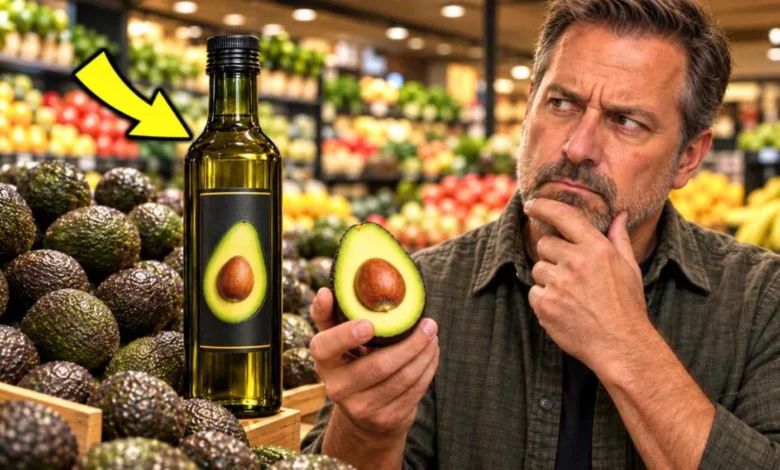
The UC Davis Investigation: A Turning Point in Quality Control
The impetus for current scrutiny began in 2020, when the University of California, Davis, released a landmark study that served as a wake-up call for the food industry. Researchers, led by the Oils and Oilseeds Analysis Laboratory, subjected 22 commercially available avocado oil products—sourced from both domestic and international brands—to a battery of chemical tests. These tests included the assessment of fatty acid profiles, sterols, and the evaluation of oxidation markers.
The results were statistically alarming. The study concluded that 82% of the sampled products were either adulterated with other vegetable oils or failed to meet the basic standards of quality for avocado oil, specifically regarding oxidation levels. In several egregious instances, bottles marketed as "extra virgin" or "pure" contained little to no avocado oil, instead consisting almost entirely of soybean or sunflower oil.
This was not an isolated incident. A follow-up study conducted by the same team, which expanded the scope to 36 private-label avocado oil products sold at major retailers, yielded similarly distressing findings. Approximately 70% of these samples were either rancid or mixed with cheaper additives. The persistence of these findings across different categories of products suggests that the issue is not limited to "discount" brands but is a systemic failure within the supply chain.
The Regulatory Void: Why Deception Thrives
A primary reason for the prevalence of fraudulent avocado oil is the absence of a legally binding "standard of identity" in the United States. Unlike olive oil, which is governed by strict international standards and, in some regions, specific domestic legal definitions that dictate what can be labeled as "extra virgin," avocado oil currently operates in a regulatory gray area.
The Food and Drug Administration (FDA) has not established a formal standard for the extraction, purity, or labeling of avocado oil. This lack of oversight creates a "Wild West" environment where manufacturers can dilute expensive avocado oil with high-volume, low-cost alternatives like canola, safflower, or soybean oil without facing severe regulatory consequences. Because the adulterants are often refined and deodorized, they are chemically neutralized to the point where they lack the distinct smell or color that might otherwise alert a consumer to the fraud. Consequently, the average consumer has no practical, sensory-based way to verify the contents of their bottle.
Understanding Oxidation and Health Risks
Beyond the issue of adulteration, the high rate of rancidity identified in the UC Davis studies highlights a critical failure in the handling and storage of these products. Oxidation, often described as the "rusting" of fats, occurs when oil is exposed to light, heat, or oxygen over time. This chemical degradation transforms healthy fatty acids into oxidized compounds, which have been linked in various nutritional studies to systemic inflammation.
Crucially, many manufacturers utilize a process known as deodorization to strip away the unpleasant odors and flavors associated with oxidized oil. This practice is inherently deceptive, as it creates a sensory illusion of freshness while the chemical integrity of the oil remains compromised. Consumers are effectively purchasing a product that has already begun to degrade, stripping it of the very nutritional benefits—such as vitamin E and chlorophyll—that characterize fresh, high-quality avocado oil.

The Myth of Country-of-Origin Labeling
The labeling of avocado oil is further complicated by the nuances of the Federal Trade Commission and USDA guidelines. A label reading "Product of the U.S." can be highly misleading; under current regulations, such a designation does not necessarily mean the avocados were grown in California or Florida. Instead, it often implies that the final processing or bottling occurred within the United States.
In a globalized food market, avocados may be sourced from South America or Mexico, pressed into oil in a third country, and then shipped to the U.S. for bottling. This multi-stage supply chain allows companies to exploit labeling loopholes to project a sense of local origin, further insulating the industry from accountability. This lack of transparency makes it nearly impossible for consumers to trace the true provenance of their food.
Beyond the Bottle: Deception in Other Food Categories
The problem of avocado-related misrepresentation extends beyond the oil aisle. Investigations into the fast-food industry have previously revealed that certain menu items labeled as "guacamole" contained only a negligible percentage of actual fruit. In these instances, the volume was padded with green peas, artificial thickeners, starches, and hydrogenated oils to replicate the texture and color of genuine avocado at a fraction of the cost.
Similarly, in the cosmetic industry, products that feature "avocado oil" as a marketing hook often list it near the bottom of the ingredient list, behind mineral oil, palm oil, or other inexpensive fillers. By the time the ingredient reaches the consumer, the concentration of actual avocado oil is often too low to offer any significant dermatological benefit, demonstrating that the branding of "avocado" is frequently used as a marketing tool rather than a reflection of product composition.
Recommendations for Informed Consumers
Given the lack of regulatory enforcement, the burden of quality control has shifted to the consumer. While no method is foolproof, industry experts suggest several strategies to mitigate the risk of purchasing compromised oil:
- Prioritize Transparency: Seek out brands that provide a "harvest date" or "crush date" on the bottle. Companies that are transparent about when the fruit was harvested are less likely to be selling oil that has been sitting in storage for years.
- Evaluate Packaging: High-quality, unrefined avocado oil should be protected from light. Dark glass bottles are the industry standard for preventing premature oxidation. Avoid oils sold in clear plastic or light-exposed clear glass.
- Sensory Checks: While deodorization masks many flaws, true cold-pressed, unrefined avocado oil should possess a noticeable, albeit mild, aroma and a distinct green or golden-green hue. A completely clear, odorless oil is often a sign of heavy refining and potential oxidation.
- Avoid the Cheapest Options: Due to the high cost of avocado production, "bargain" avocado oils are statistically the most likely to be adulterated with seed oils. Price is often a reflection of the quality of the raw material and the care taken during the extraction process.
- Direct Sourcing: Whenever possible, purchase oil directly from reputable, small-scale producers or cooperatives that manage their own extraction facilities.
The Bottom Line: The Fruit Remains a Nutritional Powerhouse
Despite the failures of the commercial oil industry, the whole avocado itself remains a nutritional standout. When consumed in its natural form, the avocado is an excellent source of potassium, magnesium, and monounsaturated fats. Unlike refined seed oils, which are often high in inflammatory omega-6 fatty acids, the fats in a whole avocado are accompanied by a complex matrix of antioxidants and fiber that help protect the body against metabolic stress.
The crisis of trust surrounding avocado oil serves as a reminder of the importance of food literacy. As the food supply chain becomes increasingly complex, the disconnect between labels and reality grows wider. While industry-wide reform and stricter FDA standards are necessary to protect public health, consumers must remain vigilant, treating the label on the bottle as a starting point rather than a guarantee of quality. By demanding greater transparency and understanding the mechanics of how these products are processed, the public can better navigate a market that currently rewards deception over integrity.