Commonly Used Sweeteners Directly Interfere with Gut Bacteria Growth, Cambridge Research Reveals Potential Health Implications

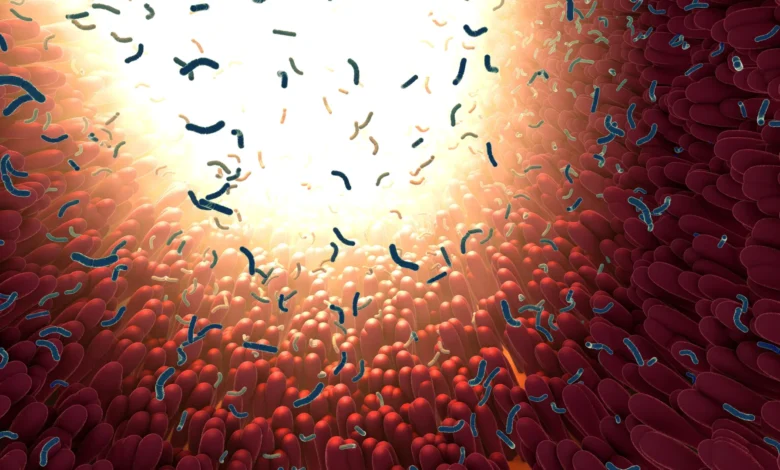
New laboratory research from the University of Cambridge indicates that widely consumed sweeteners can directly impede the growth of beneficial gut bacteria crucial for digestive health, immunity, and metabolic regulation. The study, published in Molecular Systems Biology, highlights a particular concern when certain sweeteners are combined with other compounds, such as common medications, suggesting that these ubiquitous additives may not be as biologically inert as previously assumed. The findings challenge long-held assumptions about the passive role of sweeteners within the human digestive system and underscore the urgent need for further investigation into their cumulative effects on human health.
Detailed Findings from the Cambridge Study
The investigation, spearheaded by Professor Kiran Patil and Dr. Sonja Blasche from the Medical Research Council (MRC) Toxicology Unit at the University of Cambridge, systematically examined the direct impact of 39 commercially used sweeteners on 25 different bacterial species commonly found within the human gut. To achieve this, researchers cultivated these diverse bacterial species separately in a controlled laboratory environment, meticulously monitoring their growth rates. This selection represented a broad spectrum of gut microbes, including those considered beneficial, neutral, and potentially harmful.
The initial results were significant: approximately three-quarters of the tested sweeteners affected the growth of at least one bacterial species. More strikingly, several of these compounds significantly reduced or completely halted the proliferation of bacteria that are vital for maintaining a healthy digestive system. These observations directly contradict the conventional understanding that sweeteners merely pass through the digestive tract without interacting with the complex microbial ecosystem residing there.
One of the most striking observations emerged when researchers combined isosteviol, a sweetener derived from the stevia plant and frequently employed across the food and beverage industry, with duloxetine, a widely prescribed antidepressant. This particular combination resulted in a sharp and potent reduction in the growth of two key bacterial species: Roseburia intestinalis and Parabacteroides merdae. Both species are recognized as important constituents of a healthy gut microbiome, playing critical roles in maintaining digestive health, regulating blood sugar levels, and supporting robust immune function. Roseburia intestinalis, for instance, is a prominent producer of butyrate, a short-chain fatty acid essential for the integrity of the gut barrier and its potent anti-inflammatory properties. Parabacteroides merdae has been linked to various metabolic processes, and its balanced presence is often considered indicative of overall gut health. The significant suppression of these specific bacteria raises profound questions about the potential for adverse health outcomes, particularly for individuals who regularly consume both compounds.
The Complexity of Combinatorial Effects
Understanding that people rarely consume sweeteners in isolation, the Cambridge study meticulously explored how their impacts change when ingested alongside other substances commonly encountered in daily life. These co-ingested compounds included caffeine, vanillin (a common vanilla extract component), another artificial sweetener called advantame, and a selection of eight frequently used pharmaceutical drugs. This comprehensive approach aimed to mimic real-world consumption patterns more accurately.
The research team identified over 100 instances where the presence of another compound significantly altered a sweetener’s effect on gut bacteria. In 34 of these cases, the combined effects were amplified, suggesting synergistic interactions that could lead to more pronounced biological changes than either compound alone. Conversely, in 68 cases, the effects were attenuated, indicating antagonistic interactions. This intricate web of interactions underscores that the impact of a given sweetener is not static but dynamically influenced by its chemical environment within the digestive system. The fact that an antidepressant like duloxetine, which was prescribed to over 4.2 million patients in the US in 2023, could have such a potent synergistic effect with a common sweetener, underscores the complexity and potential clinical relevance of these findings, extending beyond typical dietary considerations.
To further simulate the dynamic and interactive environment of the human gut, the scientists constructed a simplified microbial community comprising all 25 bacterial species used in their initial screenings. They allowed this synthetic community to develop naturally before exposing it to various combinations of sweeteners and drugs. This enabled them to track shifts in microbial abundance, declines in specific species, and overall changes in community diversity. The combination of isosteviol and duloxetine, once again, proved particularly impactful, leading to a noticeable reduction in microbial diversity within the synthetic community. High microbial diversity is generally considered a hallmark of a resilient and healthy gut microbiome, capable of adapting to various dietary and environmental stressors. A decline in this diversity can signal dysbiosis, a state often associated with increased susceptibility to various diseases, including inflammatory bowel disease, obesity, and type 2 diabetes. Furthermore, additional experiments hinted that these changes in microbial composition could lead to increased toxicity towards certain host cells and disrupt the normal activity of cells involved in inflammation and immune responses. These preliminary findings suggest that the ramifications of sweetener-medication interactions on the gut microbiome could extend beyond mere digestion, potentially influencing broader systemic health.
Background: The Rise and Scrutiny of Artificial Sweeteners
The history of artificial and low-calorie sweeteners dates back over a century, with saccharin being discovered accidentally in 1879. However, their widespread adoption and market proliferation surged significantly in the latter half of the 20th century. This rise coincided with increasing public health concerns regarding the risks associated with high sugar consumption, particularly its links to dental caries, rising rates of obesity, and the growing prevalence of type 2 diabetes. Sweeteners were aggressively marketed as a "guilt-free" alternative, promising the enjoyment of sweetness without the caloric load or the glycemic impact of sugar.
Today, these compounds are ubiquitous components of the modern diet, found in an astonishing array of everyday products. This includes diet soft drinks, candies, processed desserts, breakfast cereals, various snacks, and even certain medications designed to mask bitter tastes or improve palatability for consumers. The global market for artificial sweeteners was valued at approximately $2.2 billion in 2022 and is projected to grow substantially in the coming years, reflecting their deep integration into the global food supply chain and continued consumer demand for low-calorie options.
Despite their widespread use and initial promise, a growing body of scientific evidence has begun to link regular sweetener consumption with a range of adverse health conditions. Observational studies and large-scale epidemiological research have associated consistent intake of artificial sweeteners with an increased risk of developing type 2 diabetes, obesity, and even certain cancers. While these associations do not definitively prove causation—correlation does not equate to causation—they have spurred intense scientific inquiry into the underlying biological mechanisms that might explain these connections. For many years, the prevailing scientific consensus, particularly among regulatory bodies, was that artificial sweeteners were largely metabolically inert, passing through the human body largely unabsorbed and without interacting significantly with biological systems. This new research from Cambridge directly challenges that fundamental assumption, suggesting a far more active and potentially influential role for these compounds within the delicate ecosystem of the digestive system.
Understanding the Gut Microbiome’s Crucial Role
Over the last two decades, the human gut microbiome has emerged as a central and indispensable player in human health. This intricate ecosystem, comprising trillions of bacteria, viruses, fungi, and other microorganisms, primarily resides in the large intestine. These microbes perform an extraordinary and diverse range of functions vital for human physiology and overall well-being. They are instrumental in breaking down complex carbohydrates that the human digestive system cannot otherwise process, thereby extracting additional energy and nutrients from food. In this process, they produce essential compounds such as vitamins (e.g., K and B vitamins) and crucial short-chain fatty acids (SCFAs) like butyrate, propionate, and acetate. These SCFAs serve as vital energy sources for colonocytes (the cells lining the colon), help maintain the integrity of the gut barrier, and possess potent anti-inflammatory properties that significantly influence immune responses throughout the body.
Beyond digestion and nutrient synthesis, the gut microbiome plays a critical role in educating and shaping the immune system, influencing metabolic processes, and even impacting brain function through the complex bidirectional communication of the gut-brain axis. Dysbiosis, or an imbalance in the composition and functional capabilities of this microbial community, has been implicated in a wide spectrum of health issues. These include inflammatory bowel diseases, irritable bowel syndrome, various allergies, autoimmune disorders, metabolic syndrome, obesity, type 2 diabetes, cardiovascular disease, and even neurodegenerative and psychiatric conditions such as Parkinson’s disease, depression, and anxiety. Given the profound and far-reaching influence of the gut microbiome on overall health, any substance that directly interferes with its delicate balance warrants serious scientific attention and rigorous investigation. Previous research, largely derived from animal models or population studies, had indicated the microbiome’s involvement in mediating the effects of sweeteners, but the precise mechanisms of direct interaction with individual bacterial species remained largely unexamined until now.
Professor Kiran Patil underscored this critical research gap, stating, "Most of what we know about the potential impact of sweeteners on our health comes from animal research or from population studies. While these studies have indicated involvement of the microbiome in mediating the effect of sweeteners, it’s difficult to know how sweeteners act in the body — is it through direct interactions with our gut bacteria?" Dr. Sonja Blasche further elaborated on the complexity: "Answering this is further complicated by the fact that we rarely ever take sweeteners by themselves — we take them with drinks, in snacks, or even in medication to mask bitterness." This new Cambridge study directly addresses this long-standing gap by providing empirical evidence of direct interactions at the fundamental microbial level, moving beyond associative links to explore causative mechanisms.
Implications for Public Health and Regulatory Scrutiny
The groundbreaking findings from the University of Cambridge carry significant implications for public health, particularly concerning the formulation of dietary guidelines and the regulatory oversight of food additives and medications. While the researchers are careful to emphasize that these laboratory experiments do not definitively prove harm in humans, they provide a compelling mechanistic basis for further, more extensive investigation. The human digestive system is considerably more complex than a laboratory petri dish or a simplified microbial community, involving intricate processes of absorption, chemical alteration, dilution, and breakdown of substances before they reach specific microbial populations. Furthermore, factors such as an individual’s diet, genetic predispositions, existing medication use, and the unique composition of a person’s microbiome could all significantly modify outcomes.
However, the clear demonstration that sweeteners can directly alter gut bacterial growth, and that these effects can be significantly modulated by other co-ingested compounds, strongly suggests that current regulatory assessments might need to expand their scope. Regulatory bodies such as the U.S. Food and Drug Administration (FDA) and the European Food Safety Authority (EFSA) typically approve sweeteners based on extensive toxicological studies that primarily focus on carcinogenicity and direct organ toxicity, often operating under the assumption of metabolic neutrality or limited systemic absorption. The potential for complex, unpredicted interactions within the gut microbiome, particularly when combined with widely used medications, represents a relatively new and critical frontier for regulatory evaluation. These findings could prompt a re-evaluation of how food additives are assessed for long-term safety, moving towards a more holistic understanding of their biological impact.
Potential Industry and Medical Community Responses
The food and beverage industry, a major proponent and extensive user of artificial sweeteners, will likely monitor these scientific developments closely. While historically maintaining that their products are safe for consumption, the industry has demonstrated a willingness to adapt formulations and invest in new research in response to evolving scientific understanding and shifts in consumer demand. These findings could spur increased internal research by manufacturers into the microbiome-modulating properties of their ingredients and a critical re-evaluation of how certain sweetener combinations are currently used in product development. It might also lead to a push for more comprehensive pre-market testing that explicitly considers the impact on the gut microbiome and potential interactions with common medications.
For the medical community, particularly general practitioners and specialists prescribing medications like duloxetine, these findings introduce a new layer of consideration for patient care. While it is premature to issue definitive clinical recommendations based solely on in vitro data, the study raises significant awareness about potential drug-food additive interactions that could subtly influence patient outcomes. Physicians might eventually need to incorporate dietary habits, specifically sweetener consumption, into their patient assessments, especially when treating individuals with certain conditions or prescribing medications known to affect the gut or have narrow therapeutic windows. This could lead to the development of more personalized dietary advice tailored to individual patient profiles, particularly for those with pre-existing gut conditions or on long-term medication regimens.
The Path Forward: Human Studies and Personalized Nutrition
Both Professor Patil and Dr. Blasche were unequivocal about the urgent need for subsequent human studies to validate and expand upon their laboratory findings. "Our study suggests that artificial sweeteners don’t just pass through the body passively — they can interact with gut microbes, and these effects can be amplified or altered by other substances like medications," said Professor Patil. "These findings can help guide new studies towards understanding how sweeteners might influence health in unexpected ways." Future research will be critical in determining whether similar interactions occur in humans, at what dosages these effects become clinically relevant, and whether any observed microbial changes translate into measurable and significant health impacts. This will necessitate sophisticated human intervention trials, potentially utilizing advanced ‘omics’ technologies (e.g., metagenomics, metabolomics) to deeply characterize the gut microbiome and its metabolic output in response to sweetener consumption, both alone and in combination with other compounds.
The ultimate goal of this line of inquiry is to move towards a more nuanced and comprehensive understanding of how dietary components, pharmaceutical medications, and the unique individual human microbiome interact. This knowledge is crucial for paving the way for truly personalized nutrition and more effective therapeutic strategies. As Dr. Blasche concluded, "Sweeteners are often marketed as metabolically neutral, but our study challenges this idea. We found that they can directly affect gut bacteria, particularly when mixed with other compounds such as medication and food additives. These common combinations could have unintended effects on our gut microbiome." This groundbreaking research, generously funded by the European Union’s Horizon 2020 program and the UK Medical Research Council, marks a pivotal step in unraveling the complex and often underestimated relationship between modern dietary habits and long-term human health, urging a more cautious and evidence-based approach to the pervasive use of sweeteners in our global food supply.