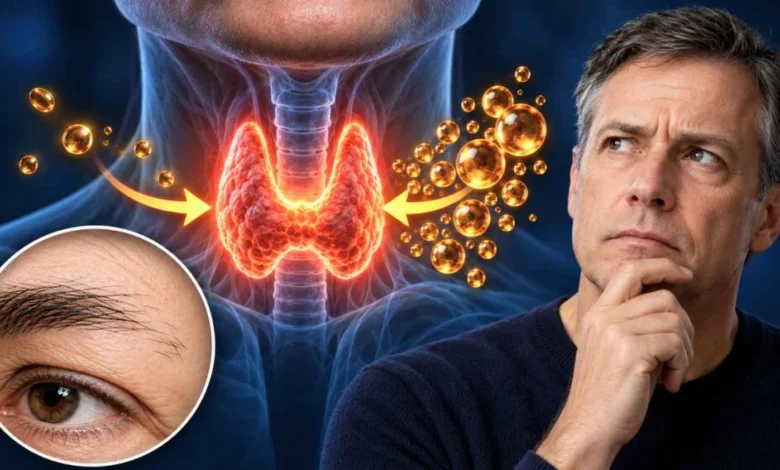
The thyroid gland, a small, butterfly-shaped organ located at the base of the neck, acts as the body’s metabolic engine. It is responsible for the production of two primary hormones, thyroxine (T4) and triiodothyronine (T3), which regulate everything from heart rate and body temperature to cognitive function and metabolic speed. Because roughly 80% of the body’s total iodine supply is sequestered within this single gland, any fluctuation in iodine availability directly impacts the production of these hormones.
The Prevalence of Iodine Deficiency
Despite global efforts to fortify food supplies, iodine deficiency remains a significant public health concern. Surveillance data from the United States indicates that approximately 38% to 39% of the population tests below the threshold for optimal iodine sufficiency. This is particularly prevalent among individuals following strict plant-based diets, as the most bioavailable sources of iodine—such as cod, shrimp, oysters, and dairy—are excluded from their nutritional intake.
A widespread misconception complicates this issue: many health-conscious consumers believe that switching from iodized table salt to artisanal sea salt or Himalayan pink salt provides sufficient iodine. In reality, these specialty salts contain only negligible trace amounts of the mineral, nowhere near the levels required to prevent a deficiency. Consequently, individuals who exclusively use these alternatives may inadvertently place themselves at risk. Furthermore, the rise of intermittent and extended fasting protocols has introduced a new variable; when caloric intake is severely restricted, the intake of micronutrients like iodine often drops, leading to undiagnosed insufficiencies.
The Biological Mechanism: Iodine and Thyroid Hormone Synthesis
Iodine is not merely a cofactor; it is a structural component of the thyroid hormone molecule itself. The process of hormone synthesis is inherently oxidative. When the thyroid gland utilizes iodine to produce hormones, it naturally generates hydrogen peroxide as a metabolic byproduct. In a healthy system, this byproduct is efficiently neutralized by selenium-dependent enzymes.
This highlights the critical "Iodine-Selenium Partnership." If an individual increases their iodine intake to combat a perceived deficiency but does so in the absence of adequate selenium levels, the hydrogen peroxide generated during thyroid hormone synthesis can accumulate. This leads to oxidative stress, which can damage thyroid tissue and potentially exacerbate inflammation. This intricate chemical requirement underscores why isolated supplementation is often discouraged by endocrinologists in favor of a balanced nutritional approach.
The Risks of Excessive Intake
While deficiency is the more common public health challenge, the risks associated with excessive iodine intake are profound, particularly for those with underlying health conditions. In a healthy, robust thyroid gland, a sudden, large dose of iodine triggers the Wolff-Chaikoff effect—a temporary, protective mechanism that inhibits the overproduction of thyroid hormones. Once the excess iodine is cleared, the thyroid resumes its normal rhythm.
However, for individuals suffering from autoimmune thyroid diseases such as Hashimoto’s thyroiditis, this mechanism is often compromised. In these patients, a high dose of iodine can act as a trigger, sustaining the suppression of thyroid hormone production and potentially causing a lasting hypothyroid state. Clinical observations suggest that aggressive iodine supplementation can "wake up" or worsen autoimmune responses, leading to an increase in thyroid-specific antibodies and a flare-up of symptoms such as extreme fatigue, hair loss, cognitive decline, and temperature dysregulation.

Historical Context and Geographical Variability
The global approach to iodine intake has evolved significantly over the last century. Following the discovery in the early 20th century that iodine deficiency was the leading cause of preventable intellectual disability and goiter, governments worldwide began the mass iodization of salt. This policy was largely successful in eliminating severe deficiency-related diseases in developed nations.
However, dietary patterns vary wildly across the globe. In Japan, for example, habitual intake of iodine—derived from a diet rich in seaweed and marine vegetables—is significantly higher than in the West. Epidemiological studies suggest that Japanese populations have adapted over generations to these high levels. This serves as a cautionary tale for Western populations: what constitutes a "normal" or "safe" intake in one cultural context may not be applicable or safe for individuals with different genetic and dietary backgrounds.
Implications for Pregnancy and Development
The role of iodine in fetal development is perhaps the most critical aspect of its function. During pregnancy, maternal iodine requirements rise to 220 micrograms daily, further increasing to 290 micrograms during breastfeeding. The developing fetal brain is highly sensitive to maternal thyroid function; severe deficiency during this window is linked to significant, permanent deficits in cognitive ability and IQ. Because the brain remains in a state of development throughout childhood and adolescence, maintaining consistent iodine levels remains a priority for the health of younger populations as well.
Clinical Considerations: Beyond the Thyroid
Emerging research has pointed to a connection between iodine and estrogen metabolism. The breast tissue, much like the thyroid, is highly concentrated with iodine. Some clinical studies have explored whether iodine deficiency contributes to fibrocystic breast changes, with preliminary reports suggesting that some patients see improvement following iodine repletion. While this area of study holds promise, it remains an evolving field of inquiry rather than a settled medical consensus. The relationship between iodine and the health of other reproductive tissues, such as the uterus and ovaries, is also under investigation, suggesting that the mineral’s influence extends far beyond the neck.
Guidelines for Safe Intake and Monitoring
For the average adult, the recommended daily allowance (RDA) is 150 micrograms. It is vital to distinguish the RDA as a baseline floor rather than an optimal target. When considering supplementation, the tolerable upper limit is generally set at 1,100 micrograms per day. However, clinicians caution against self-prescribing high-dose iodine.
The most effective way to address iodine status is through whole-food sources. Sea kelp, for example, is often cited as a superior source because it naturally contains a spectrum of other minerals, including selenium, zinc, and magnesium, which assist in the safe processing of iodine. However, consumers should be aware that the bioavailability of iodine in supplements and whole foods varies, and only a portion of the listed content is typically absorbed by the body.
Conclusion and Recommendations
The complexity of iodine metabolism serves as a reminder that more is not always better in nutrition. The path to thyroid health is paved with nuance; it requires a delicate balance of iodine and selenium, an awareness of one’s personal medical history—particularly regarding autoimmune status—and a cautious approach to supplementation.
For those experiencing symptoms such as unexplained weight gain, cold intolerance, or "brain fog," the first step should always be comprehensive blood work and a consultation with a qualified medical professional. Testing can determine whether an individual is truly deficient or if their symptoms stem from an entirely different endocrine issue. In the realm of iodine, precision and professional guidance are the only ways to ensure that one is supporting their metabolic health rather than inadvertently compromising it. As research continues to uncover the deeper connections between iodine and systemic health, the most prudent approach remains a balanced, nutrient-dense diet and a cautious, evidence-based strategy toward supplementation.