New Insights Reveal Untreated Sleep Apnea Nearly Doubles Parkinson’s Risk, While CPAP Therapy Offers Vital Protection


New clinical findings suggest a profound connection between untreated obstructive sleep apnea and a significantly elevated risk of developing Parkinson’s disease. According to research published on November 24 in JAMA Neurology, individuals suffering from chronic, unmanaged sleep apnea face nearly twice the likelihood of receiving a Parkinson’s diagnosis compared to those who effectively manage their condition. However, the study provides a promising preventative pathway: the consistent use of continuous positive airway pressure, commonly known as CPAP therapy, can help mitigate this neurodegenerative risk by ensuring steady airflow and restoring restorative sleep quality throughout the night.
The expansive retrospective study was spearheaded by a dedicated team of researchers from Oregon Health & Science University (OHSU) and the Portland VA Health Care System. By analyzing comprehensive electronic health records encompassing more than 11 million U.S. military veterans who received care through the Department of Veterans Affairs between 1999 and 2022, the investigative team possessed an unprecedented statistical pool to examine the long-term neurological consequences of sleep-disordered breathing.
Background Context: The Intersection of Sleep Apnea and Neurological Health
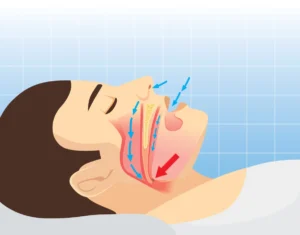
Obstructive sleep apnea is a widespread and potentially serious sleep disorder characterized by repeated interruptions in breathing throughout the night. These interruptions occur when the muscles in the back of the throat relax intermittently, blocking the upper airway. Each cessation of breathing—known as an apnea or hypopnea event—triggers brief awakenings that the sleeper often does not remember, fragmenting sleep architecture and drastically reducing nocturnal oxygen levels.
For decades, medical science has linked untreated sleep apnea to a myriad of severe cardiovascular and metabolic complications, including hypertension, stroke, type 2 diabetes, and heart failure. Yet, its long-term impact on the central nervous system has remained an area of intense scientific inquiry. Neurologists have increasingly suspected that chronic nocturnal hypoxia—oxygen deprivation at the cellular level—creates an environment of oxidative stress and systemic inflammation, both of which are known catalysts for neuronal damage and neurodegeneration.
Parkinson’s disease, a progressive neurological disorder that currently affects approximately 1 million individuals in the United States, is characterized by the gradual loss of dopamine-producing neurons in the brain. While the risk of developing Parkinson’s increases incrementally each year after an individual turns 60, the new OHSU and Portland VA findings introduce a critical, modifiable environmental and physiological risk factor into the epidemiological equation.
Methodology and Statistical Findings
To arrive at these conclusions, the research team conducted a rigorous observational analysis of the massive VA database spanning over two decades. Navigating electronic health records from millions of patients required sophisticated statistical adjustments to isolate the specific impact of sleep apnea from confounding variables.
The investigators meticulously controlled for major lifestyle, demographic, and medical contributors to Parkinson’s disease, including advanced age, obesity, tobacco use, and high blood pressure. Even after these variables were factored into the statistical models, a stark and unmistakable correlation remained: veterans with diagnosed sleep apnea who eschewed CPAP treatment were nearly twice as likely to develop Parkinson’s disease as their peers who actively utilized CPAP therapy.
Dr. Gregory Scott, M.D., Ph.D., co-author of the study, assistant professor of pathology in the OHSU School of Medicine, and a pathologist at the VA Portland, emphasized the probabilistic nature of the findings. "It’s not at all a guarantee that you’re going to get Parkinson’s, but it significantly increases the chances," Scott stated, framing the data as both a warning about the hazards of neglect and an encouragement for proactive intervention.
Mechanisms of Brain Vulnerability: Why Oxygen Matters
To understand why unmanaged sleep apnea paves the way for neurodegenerative diseases, researchers point to the fundamental biological requirements of brain tissue. Neurons are exceptionally sensitive to fluctuations in oxygen and energy supplies. When a patient stops breathing dozens or even hundreds of times per night, cerebral oxygen saturation levels drop precipitously.
"If you stop breathing and oxygen is not at a normal level, your neurons are probably not functioning at a normal level either," explained lead author Dr. Lee Neilson, M.D., assistant professor of neurology at OHSU and a staff neurologist at the Portland VA.
Dr. Neilson noted the cumulative toll of these nocturnal micro-crises over an extended period. "Add that up night after night, year after year, and it may explain why fixing the problem by using CPAP may build in some resilience against neurodegenerative conditions, including Parkinson’s."
By delivering a continuous stream of pressurized air through a mask, CPAP machines keep the upper airway open, preventing the collapse of soft tissue and maintaining stable blood-oxygen saturation levels. This uninterrupted oxygen supply allows cerebral cellular repair mechanisms to function optimally during deep sleep, potentially clearing out metabolic waste products—such as alpha-synuclein proteins, which are heavily implicated in Parkinson’s pathology—via the brain’s glymphatic system.
Implications for Clinical Practice and Patient Care
The publication of this study is already beginning to influence how physicians approach sleep health evaluations during routine clinical encounters. Dr. Neilson noted that the empirical demonstration of a link between sleep apnea management and reduced Parkinson’s risk fundamentally shifts his perspective on patient counseling.
"I think it will change my practice," Neilson affirmed, signaling that neurologists and primary care physicians may soon place a much higher clinical priority on diagnosing and treating sleep disorders early in life, well before overt neurological symptoms manifest.
Despite the proven clinical efficacy of CPAP therapy, compliance remains a historic hurdle in sleep medicine. Many patients initially express hesitation, discomfort, or claustrophobia when introduced to positive airway pressure devices. However, the study’s authors report that patient sentiment among those who successfully integrate CPAP into their nightly routines is overwhelmingly positive.
Dr. Scott highlighted the strong advocacy found within the veteran community regarding the devices. "The veterans who use their CPAP love it," Scott observed. "They’re telling other people about it. They feel better, they’re less tired. Perhaps if others know about this reduction in risk of Parkinson’s disease, it will further convince people with sleep apnea to give CPAP a try."
Study Contributors, Institutional Support, and Funding
The collaborative research effort brought together multidisciplinary teams from premier academic and healthcare institutions. Alongside Dr. Scott and Dr. Neilson, the research team included Isabella Montano, B.A., Dr. Jasmin May, M.D., Ph.D., Dr. Jonathan Elliott, Ph.D., and Dr. Miranda Lim, M.D., Ph.D., all affiliated with OHSU and the Portland VA Health Care System. The study also benefited from the contributions of Dr. Yeilim Cho, M.D., and Dr. Jeffrey Iliff, Ph.D., from the University of Washington and the VA Puget Sound Health Care System.
Executing a retrospective analysis of this unprecedented magnitude required substantial financial backing. The project received continuous support from the Department of Veterans Affairs through multiple competitive grant awards, including BX005760, CX00253, I01RX004822, I01RX005371, CX002022, BX006155, and Bx006155.
Additional philanthropic and institutional funding was provided by the John and Tami Marick Family Foundation, the Collins Medical Trust, the National Institute on Aging of the National Institutes of Health (under award P30AG066518), and the U.S. Army Medical Research Acquisition Activity, located at Fort Detrick, Maryland, under award numbers HT9425-24-1-0774 and HT9425-24-1-0775.
The study’s authors formally noted that the opinions, interpretations, conclusions, and recommendations expressed in the research are strictly their own and do not necessarily represent the official endorsements or viewpoints of the Department of Defense, the National Institutes of Health, the Department of Veterans Affairs, or any other funding agency.
Broader Impact and Future Directions in Preventive Neurology
As the global population ages, the convergence of sleep medicine and neurodegenerative research represents one of the most promising frontiers in preventative healthcare. Traditionally, medical interventions for disorders like Parkinson’s disease have focused heavily on symptomatic management and neuroprotection after clinical diagnosis has been established.
However, findings such as those published in JAMA Neurology herald a paradigm shift toward upstream prevention. By identifying modifiable risk factors—such as obstructive sleep apnea—healthcare providers can potentially intervene decades before motor symptoms such as tremors, rigidity, and bradykinesia emerge.
Public health advocates hope that awareness of the sleep-apnea-to-Parkinson’s link will prompt individuals suffering from chronic snoring, excessive daytime fatigue, or witnessed breathing pauses during sleep to seek professional medical evaluations. Routine polysomnography (sleep studies) and subsequent CPAP prescriptions may no longer be viewed merely as tools for improving daily energy levels or reducing cardiovascular strain, but as critical preventative shields preserving long-term neurological integrity.
Future clinical research will likely investigate whether early adherence to CPAP therapy can similarly reduce the incidence of other neurodegenerative conditions, such as Alzheimer’s disease and related dementias, which share overlapping pathophysiological pathways with chronic hypoxia and sleep fragmentation. For now, millions of individuals navigating sleep apnea have a compelling new incentive to embrace airway management as an essential component of lifelong neurological health.